
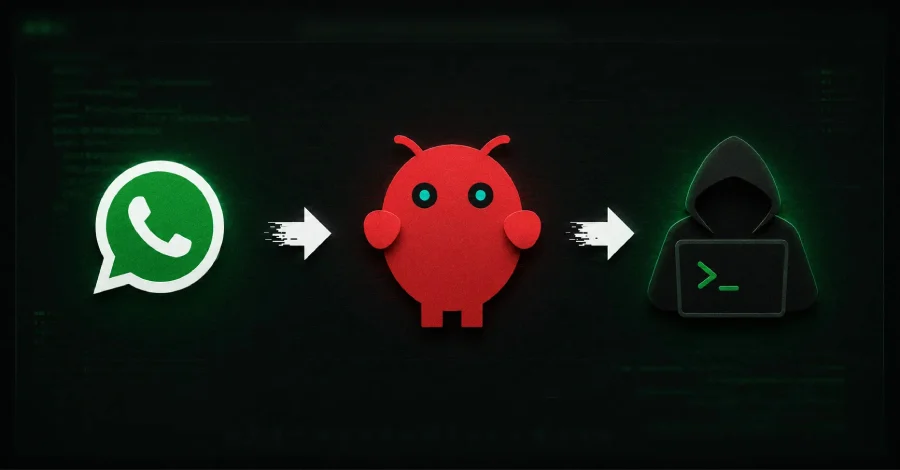

Details have emerged regarding three critical security vulnerabilities recently patched in the OpenClaw personal artificial intelligence (AI) assistant, which, if exploited successfully, could have enabled malicious actors to steal user credentials, escalate privileges, and execute arbitrary code on the host system. The disclosure, made on July 10, 2026, by security researcher Chinmohan Nayak, underscores the increasing security challenges inherent in the rapidly evolving landscape of AI-powered applications, especially those integrated with external communication platforms.
Discovery and Official Patching
The vulnerabilities, categorized as high-severity, were identified and responsibly reported by security researcher Chinmohan Nayak. Following Nayak’s disclosure, OpenClaw maintainers swiftly developed and released a patch, addressing all three shortcomings in OpenClaw version 2026.6.6. The rapid response highlights a critical industry trend where the proactive identification and remediation of security flaws are paramount, especially for applications handling sensitive user data and interacting with core system functionalities. The fixes rolled out last week aim to fortify the AI assistant against the demonstrated exploitation vectors, preventing potential widespread compromise.
The Nature of the Vulnerabilities
While a comprehensive technical breakdown of all three vulnerabilities is extensive, the core issues revolved around inadequate input validation and flawed sandboxing mechanisms. The most prominent of these, identified as GHSA-575v-8hfq-m3mc, centered on a critical logic flaw in how OpenClaw processed source paths, specifically regarding its getBlockedReasonForSourcePath() function. This function, intended to prevent access to sensitive directories, failed to properly check for reverse conditions, creating a significant "parent directory bypass" vulnerability.
The OpenClaw system utilizes a bind mount denylist, a common security measure designed to block access to critical directories such as ~/.ssh, ~/.aws, and ~/.gnupg. These directories typically house highly sensitive information like SSH keys, AWS credentials, and GPG secrets, which, if compromised, could grant an attacker extensive control over a user’s digital assets. The design intent was to prevent the AI agent from accessing or exposing these paths. However, Nayak’s research revealed that while individual sensitive directories were blocked, the system allowed the mounting of their parent directories, such as /home or /var.
"Mount /home into your container, and you can read every user’s SSH keys, AWS credentials, and GPG secrets," Nayak elaborated in his detailed report shared with The Hacker News. This seemingly minor oversight completely undermined the security afforded by the individual directory blocks. By gaining access to the parent directory, an attacker could effectively bypass all granular restrictions, exposing the entire directory structure and its contents. Furthermore, mounting /var, another parent directory often containing critical system files and Docker sockets, could lead to a full host escape from within the supposed "sandbox" environment of the AI assistant. This scenario represents a worst-case outcome, allowing an attacker to break out of the confined application environment and gain control over the underlying operating system.
The other two high-severity vulnerabilities, while not detailed with specific identifiers in the public advisory, are understood to contribute to the broader risk profile, enabling privilege escalation and arbitrary code execution, likely through similar input handling or sandboxing weaknesses. These flaws collectively presented a potent threat, demonstrating how a chain of seemingly isolated issues can combine to create a comprehensive attack surface.
Exploitation Vector: The WhatsApp Connection
What makes these OpenClaw vulnerabilities particularly alarming is the demonstrated exploitation vector: an external message sent via WhatsApp. Security researcher Chinmohan Nayak’s report vividly illustrated how these flaws could be triggered remotely, negating the need for an attacker to establish a prior foothold on the target system. This marks a significant departure from previous vulnerability disclosures concerning AI platforms.

Nayak’s proof-of-concept involved crafting a malicious WhatsApp message that, when processed by an OpenClaw instance integrated with the messaging platform, could trigger host code execution. This highlights a critical and often underestimated attack surface: the interfaces between AI agents and ubiquitous communication channels. As personal AI assistants become increasingly integrated into daily digital workflows, often interacting with users through messaging apps like WhatsApp, Telegram, or Slack, the security of these integration points becomes paramount. A malicious payload embedded within a seemingly innocuous message could bypass traditional perimeter defenses and directly compromise the AI agent, and subsequently, the host system.
The ability to trigger code execution from an external, untrusted message represents a severe risk, as it lowers the bar for potential attackers significantly. It means that any user interacting with an OpenClaw instance via WhatsApp could, in theory, be targeted without their direct interaction beyond receiving and processing a message, or even without explicit user consent depending on the AI’s auto-processing capabilities. This direct remote execution capability underscores the urgent need for rigorous security audits of all external interfaces of AI systems.
Comparing with Previous Incidents: A Pattern of Concern
This recent disclosure is not an isolated incident for OpenClaw. It follows closely on the heels of the "Claw Chain" vulnerabilities disclosed by Cyera in May 2026. While both sets of vulnerabilities targeted the OpenClaw platform, their attack methodologies and prerequisites differed significantly. The "Claw Chain" flaws typically required an attacker to establish a prior foothold within the system before they could exploit them to extract sensitive data, deploy persistent backdoors, achieve remote code execution, or escape to the host.
In contrast, the newly identified bugs, as demonstrated by Nayak, do not necessitate any prior compromise. This means an attacker could initiate an attack from a completely unprivileged position, using an external communication channel to achieve initial access and subsequent system compromise. This distinction is crucial; vulnerabilities requiring no prior access are generally considered more critical and easier to exploit on a larger scale. The "Claw Chain" vulnerabilities focused on privilege escalation and data exfiltration after initial access, whereas Nayak’s findings demonstrate a pathway for initial compromise, making them potentially more dangerous in terms of widespread impact and ease of attack.
The recurring nature of high-severity vulnerabilities in OpenClaw, from "Claw Chain" to these recent findings, suggests a broader challenge in securing complex AI systems. It underscores the difficulty in anticipating all possible interaction vectors and ensuring robust security-by-design principles are applied consistently across all components, especially as these systems evolve and integrate with more external services.
OpenClaw’s Official Response and Mitigation Strategies
In their series of advisories released concurrently with the patch, OpenClaw maintainers acknowledged the vulnerabilities and provided guidance to their user base. They stated that the "practical impact depends on the operator’s configuration and whether lower-trust input can reach that path." This statement emphasizes the role of user configuration in mitigating risk, suggesting that users with more restrictive settings or those not integrating OpenClaw with external messaging services might face a lower immediate threat.
However, security experts argue that relying heavily on user configuration for fundamental security is often insufficient, especially for critical vulnerabilities that bypass intended sandboxing. While configuration can add layers of defense, the primary responsibility lies with the software developers to ensure robust default security.
Beyond upgrading to OpenClaw version 2026.6.6, the maintainers provided several crucial recommendations for users to enhance their security posture:
- Enable Sandbox Mode: It is strongly advised to enable sandbox mode for all non-main sessions. Sandboxing isolates the AI assistant’s processes, limiting the potential damage if a compromise occurs.
- Restrict Tool Allowlist: Users should remove "exec" from the tool allowlist for channel-facing agents. This prevents the AI agent from executing arbitrary system commands initiated through external channels, effectively blocking the most severe consequence of such vulnerabilities.
- Monitor for Malicious Git Commands: Vigilance is urged for
git clonecommands containing the "ext::" external protocol helper. This specific helper can be abused to run arbitrary system commands, a common technique for post-exploitation activities. - Narrow Channel and Tool Allowlists: As a general hardening practice, users should keep channel and tool allowlists as narrow as possible, granting only necessary permissions.
- Avoid Shared Gateways: It is recommended to avoid sharing a single Gateway between mutually untrusted users, as this could facilitate lateral movement for an attacker once one user’s session is compromised.
- Disable Unneeded Features: Users are advised to disable any affected features when they are not actively needed, further reducing the attack surface.
"Before upgrading, restrict the affected feature to trusted operators or disable it when it is not needed," OpenClaw reiterated, emphasizing a layered approach to security that combines patching with proactive configuration management.

Expert Commentary and Broader Implications for AI Security
The OpenClaw incident serves as a stark reminder of the evolving threat landscape surrounding artificial intelligence. Industry experts are increasingly vocal about the need for "security-by-design" principles in AI development. "As AI systems become more autonomous and interconnected, their attack surface expands dramatically," noted Dr. Anya Sharma, a leading AI security researcher at the CyberSecure Institute. "Vulnerabilities like these, which allow remote code execution via common messaging apps, highlight the profound implications of insufficient input validation and insecure defaults in AI frameworks."
The incident also brings into focus the unique challenges of securing AI models. Unlike traditional software, AI systems can exhibit emergent behaviors, making it difficult to predict all potential misuse cases or adversarial inputs. Adversarial attacks, where subtly manipulated inputs can trick an AI into misbehaving, are a growing concern. While Nayak’s findings focus on classic software vulnerabilities rather than adversarial AI, the incident underscores the broader need for robust security across the entire AI lifecycle, from data input to model deployment and interaction.
Another significant implication is the potential for supply chain attacks within the AI ecosystem. OpenClaw, like many AI platforms, likely integrates various open-source components and third-party libraries. A vulnerability in any one of these components could cascade throughout the entire system, leading to widespread compromise. This necessitates rigorous vetting of all dependencies and continuous monitoring for newly discovered flaws.
Regulators worldwide are also grappling with how to govern AI security. Incidents like the OpenClaw flaws will likely accelerate discussions around mandatory security audits for AI applications, clearer guidelines for responsible AI development, and potentially, legal liabilities for developers whose systems are compromised due to negligence. The European Union’s AI Act, for instance, already categorizes certain AI systems as "high-risk" and imposes stringent security requirements. Such regulations could become the norm globally, pushing developers to prioritize security from the outset.
User Recommendations and Best Practices
For users of personal AI assistants like OpenClaw, the primary takeaway is the critical importance of maintaining updated software and adopting a proactive security posture.
- Immediate Updates: Always apply security patches and software updates as soon as they become available.
- Principle of Least Privilege: Configure AI assistants with the minimum necessary permissions and access to system resources. Avoid granting blanket access to sensitive directories or system commands.
- Isolate AI Environments: Where possible, run AI assistants in sandboxed or virtualized environments to contain potential breaches.
- Scrutinize Integrations: Be cautious about integrating AI assistants with external communication channels or other critical services. Understand the security implications of each integration.
- Educate Yourself: Stay informed about emerging AI security threats and best practices. Follow reputable security news outlets and advisories.
- Backup Data: Regularly back up critical data to prevent loss in the event of a compromise.
The Evolving Landscape of AI Threats
The vulnerabilities in OpenClaw are a potent reminder that as AI becomes more integrated into personal and professional lives, the security perimeter expands, and the stakes for safeguarding these systems rise dramatically. The ability to control an AI assistant, especially one that interacts with user data and system functions, is akin to controlling a sophisticated digital agent with access to a user’s digital identity.
The continuous cycle of discovery, patching, and public disclosure of vulnerabilities in platforms like OpenClaw illustrates the ongoing arms race between defenders and attackers in the AI domain. As AI capabilities grow, so too will the ingenuity of those seeking to exploit them. Ensuring the security and trustworthiness of AI systems will require a collaborative effort from developers, researchers, policymakers, and end-users, working in concert to build a resilient and secure AI future. The OpenClaw incident serves as a vital case study, illuminating the specific vulnerabilities that can arise at the intersection of AI functionality and external communication, and providing valuable lessons for the broader AI community.
