

The burgeoning field of Tiny Machine Learning (TinyML) is poised to revolutionize how industries interact with the physical world, and a major player in this transformation is Honeywell. In a recent discussion, Muthu Sabarethinam, Vice President of AI/ML Product and Services at Honeywell, offered a compelling glimpse into the company’s strategic approach to leveraging TinyML. The conversation underscored Honeywell’s commitment to extracting greater value from its vast network of industrial equipment, paving the way for enhanced services, improved security, and greater operational efficiency through the deployment of intelligent algorithms directly at the sensor level.
At its core, Honeywell’s vision for TinyML centers on a fundamental shift in data utilization. Traditionally, data generated by industrial equipment has been collected, aggregated, and then analyzed, often in centralized cloud environments. However, Sabarethinam articulated a more proactive and distributed approach. "We’re looking at how we can use the data from our equipment to build services that are more proactive, more predictive, and ultimately, more valuable to our customers," he explained. This paradigm shift involves moving intelligence closer to the source of data generation, enabling real-time decision-making and unlocking new service possibilities.
The strategic advantage of embedding TinyML capabilities directly into sensors is multifaceted. Sabarethinam highlighted three key pillars: security, power efficiency, and latency reduction. In an era where cybersecurity threats are increasingly sophisticated, performing data processing and even initial threat detection at the edge, within the sensor itself, offers a significant security advantage. This "edge intelligence" can identify anomalies and potential malicious activities locally, reducing the attack surface and preventing sensitive data from being transmitted unnecessarily.
Power consumption is another critical consideration, particularly for the millions of sensors Honeywell already supports in the field. TinyML algorithms are inherently designed to be lightweight and energy-efficient, allowing them to operate effectively on battery-powered devices or in environments with limited power availability. This opens up a wider range of applications and reduces the operational costs associated with power management.
Latency, the delay between an event occurring and a system responding, is paramount in many industrial settings. In critical applications such as manufacturing process control or safety monitoring, even milliseconds of delay can have significant consequences. By processing data directly on the sensor, TinyML drastically reduces latency, enabling faster responses and more agile operations. This is particularly relevant for applications requiring immediate feedback and control, such as predictive maintenance alerts or real-time anomaly detection that could prevent equipment failure or safety incidents.
The Scale of Opportunity: Millions of Sensors Ready for TinyML
The sheer scale of Honeywell’s existing infrastructure presents a formidable opportunity for TinyML adoption. The company supports over a million sensors deployed globally across various industrial sectors, including building automation, aerospace, and industrial manufacturing. Each of these sensors represents a potential node for intelligent processing. The ability to update and enhance the functionality of these existing sensors through software-based TinyML deployments, rather than requiring costly hardware replacements, makes this strategy economically attractive.
Sabarethinam emphasized the importance of a standardized approach to algorithm packaging to facilitate widespread TinyML deployment. "For us to truly scale TinyML, we need to think about how algorithms are packaged and delivered," he stated. This suggests a need for robust development frameworks and deployment tools that can streamline the process of bringing AI models from the lab to the field. Such standardization would not only benefit Honeywell but also foster a broader ecosystem for TinyML development and adoption across the industry.
Navigating the Smart Home Landscape: Challenges and Consumer Experiences
Beyond the industrial realm, the conversation touched upon the complexities and ongoing challenges within the consumer smart home market. The much-anticipated Matter standard, designed to unify smart home devices, has encountered significant hurdles, leading to user frustration and developer confusion. Issues surrounding Thread credentialing and uneven device support have been widely reported, creating a fragmented and often unreliable user experience.

The intricacies of setting up devices on networks like Thread, which relies on a mesh network protocol, have proven to be a particular pain point. Users have reported difficulties in onboarding new devices, with the process sometimes requiring multiple attempts or specialized knowledge. This lack of seamless integration detracts from the promised simplicity of a connected home.
The debate over accountability for these issues has also intensified. While the Matter standard itself aims for interoperability, the implementation and support from individual vendors have varied considerably. This has led to a situation where the underlying technology may be sound, but the user-facing experience is compromised by vendor-specific limitations and inconsistencies. The "mess" in the smart home ecosystem, as described, highlights the perennial challenge of translating ambitious technological standards into practical, user-friendly products.
Broader Technological Trends and Industry Dynamics
The discussion also delved into other significant developments shaping the technological landscape. The formation of a new RISC-V company backed by semiconductor giants like Qualcomm, NXP, and Infineon signifies a growing momentum behind the open-source RISC-V instruction set architecture. This collaboration aims to accelerate the development and adoption of RISC-V-based processors, potentially challenging the dominance of established architectures in various computing domains, including embedded systems and IoT devices.
In parallel, the proposed sale of an IoT module business to Renesas underscores the ongoing consolidation and strategic realignments within the semiconductor industry, particularly in the rapidly evolving IoT sector. Such moves are often driven by the desire to focus on core competencies, acquire specialized technologies, or gain market share in high-growth areas.
The emergence of innovative startups also captured attention, with the mention of a drone company building an "on-demand" drone network akin to a satellite network. This concept, if realized, could revolutionize logistics, surveillance, and critical infrastructure monitoring by providing ubiquitous aerial connectivity. Such ventures highlight the disruptive potential of emerging technologies and the continuous search for novel applications.
Personal Journeys and Energy Management
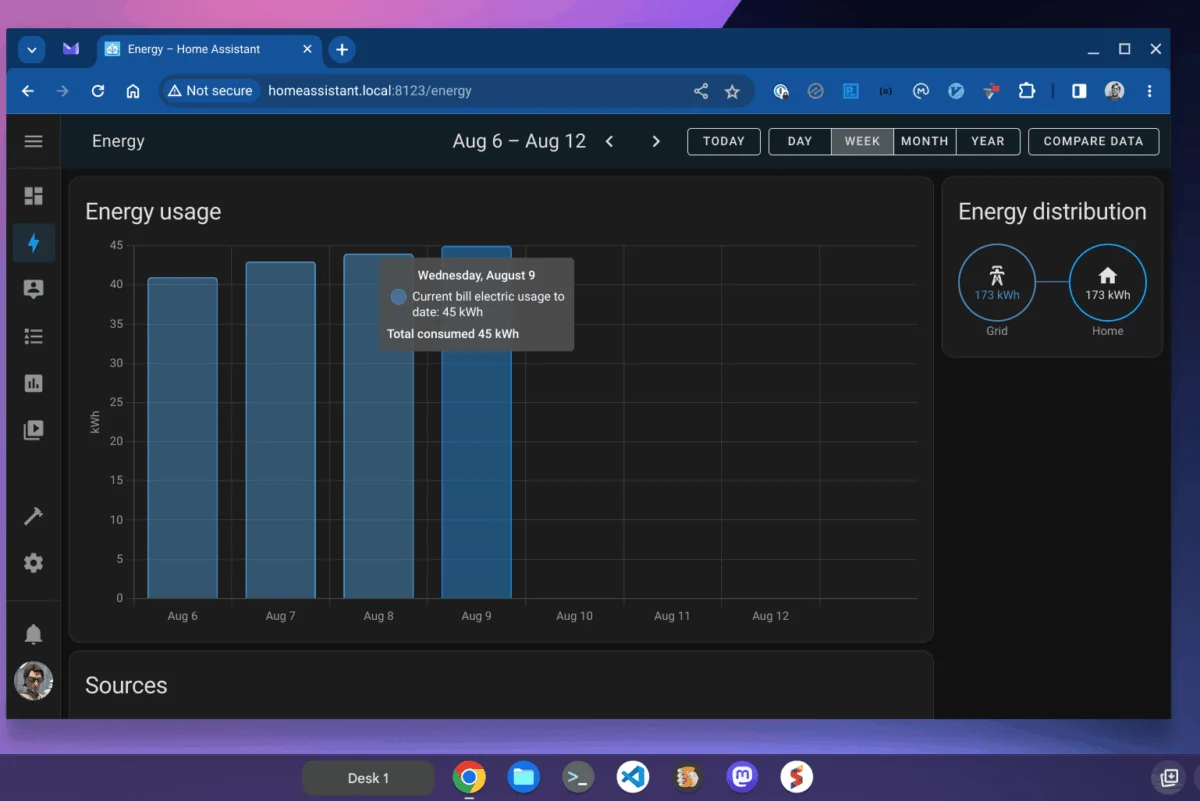
On a more personal note, the conversation included insights into an individual’s transition to Home Assistant, a popular open-source home automation platform. The audience’s engagement with this transition, reflected in their comments, provides valuable feedback for developers and users alike, highlighting the practical considerations and user-driven improvements that shape the smart home experience.
Furthermore, practical advice was offered on preparing homes for smart energy management programs. As utilities increasingly implement demand-response initiatives and smart grid technologies, homeowners are encouraged to take proactive steps to optimize their energy consumption. This includes understanding their current energy usage patterns, identifying opportunities for efficiency, and ensuring their home’s electrical infrastructure is compatible with future smart energy solutions. Such preparations can lead to significant cost savings and contribute to broader sustainability goals.
Addressing Listener Inquiries: Echo Show and Device Compatibility
Finally, the discussion concluded by addressing a listener question regarding the Amazon Echo Show and compatible devices. This segment underscores the practical, day-to-day concerns of consumers navigating the complexities of the smart home ecosystem. Providing guidance on device interoperability and functionality is crucial for fostering user confidence and ensuring a positive experience with smart home technologies. The ability of devices like the Echo Show to integrate with a range of third-party products is a key determinant of their utility and market success.
In conclusion, Honeywell’s strategic embrace of TinyML represents a significant step towards a more intelligent, secure, and efficient future for industrial operations. Coupled with ongoing developments in the smart home sector, semiconductor innovation, and emerging drone technologies, these advancements collectively point towards a rapidly evolving technological landscape where intelligence is increasingly distributed, accessible, and integrated into the fabric of our daily lives. The challenges encountered in consumer markets, such as those with Matter, serve as important lessons for developers and manufacturers striving to deliver seamless and user-friendly smart technology.
