

The landscape of industrial and smart home technology is undergoing a profound transformation, driven by the increasing demand for localized data processing and intelligent decision-making at the edge. Honeywell, a titan in diverse sectors ranging from aerospace to building technologies, is actively charting a course into this evolving domain through its strategic embrace of Tiny Machine Learning (TinyML). This burgeoning field of machine learning, which enables algorithms to run on low-power, resource-constrained microcontrollers, promises to unlock unprecedented capabilities in data acquisition, analysis, and action directly from embedded sensors.
Muthu Sabarethinam, Vice President of AI/ML Product and Services at Honeywell, recently shed light on the company’s forward-thinking approach to TinyML during an in-depth discussion. The conversation underscored Honeywell’s vision of leveraging the vast amounts of data generated by its existing equipment and deployed sensors to build sophisticated, value-added services. The core of this strategy lies in the deployment of TinyML directly onto these sensors, a move that represents a significant paradigm shift in how intelligence is embedded within physical systems.
The Imperative for On-Device Intelligence
Sabarethinam articulated several compelling reasons behind Honeywell’s push for algorithms that can operate directly on sensors. Foremost among these is enhanced security. By processing sensitive data locally, the risk of data interception during transmission to centralized cloud servers is significantly mitigated. This is particularly crucial in environments where data privacy and integrity are paramount, such as critical infrastructure, industrial control systems, and healthcare.
Furthermore, power efficiency stands to gain considerably. Traditional cloud-based processing often requires more energy-intensive communication protocols and continuous data streaming. TinyML, by performing computations at the source, can dramatically reduce the overall power consumption of devices, extending battery life and enabling the deployment of smart sensors in remote or off-grid locations. This aligns with the growing global imperative for sustainable technology solutions.
Latency is another critical factor driving the adoption of TinyML. In applications where near real-time decision-making is essential, such as anomaly detection in manufacturing processes or immediate threat identification in security systems, relying on cloud round-trips can introduce unacceptable delays. TinyML enables instantaneous analysis and response, thereby improving operational efficiency and safety.
Scaling TinyML: Packaging Algorithms for Mass Deployment
The practical implementation of TinyML at scale presents its own set of challenges. Sabarethinam highlighted the importance of how companies package their algorithms to facilitate widespread deployment. This involves developing standardized frameworks and tools that simplify the process of integrating machine learning models into diverse sensor architectures. The goal is to abstract away the complexities of embedded systems development, allowing for a more streamlined and efficient rollout of intelligent capabilities across Honeywell’s extensive product portfolio.
Consider the sheer scale of Honeywell’s operations: the company supports over one million sensors already deployed in the field. Each of these sensors represents a potential node for TinyML integration, offering a fertile ground for innovation. The ability to remotely update and manage these intelligent algorithms across such a vast network is a key operational objective. This requires robust over-the-air (OTA) update mechanisms and sophisticated device management platforms, ensuring that the intelligence embedded in these sensors remains current and effective.
Evolving Business Models and Customer Access to Data
The integration of TinyML also necessitates a re-evaluation of existing business models and how customers access and derive value from data. Sabarethinam’s insights suggest a shift towards service-based offerings, where the intelligence derived from sensor data is delivered as a value-added service, rather than simply raw data. This could manifest as predictive maintenance alerts, optimized energy consumption insights, or proactive security notifications.
Customers are increasingly seeking not just data, but actionable intelligence. TinyML empowers Honeywell to deliver this intelligence directly at the point of origin, enabling faster, more informed decisions. The business models will likely evolve to reflect this shift, moving from hardware sales to recurring revenue streams based on the insights and services provided by these intelligent edge devices. This transition requires a deep understanding of customer needs and the development of flexible, scalable service platforms.
Broader Industry Trends and Emerging Challenges
The conversation around Honeywell’s TinyML initiatives also touched upon several interconnected trends shaping the technology industry. The recent announcement of a new RISC-V company backed by semiconductor giants like Qualcomm, NXP, Infineon, and others signifies a growing momentum behind open-source instruction set architectures. This development could accelerate innovation in the embedded systems space, potentially lowering the barrier to entry for TinyML development and adoption by providing more flexible and cost-effective hardware platforms.

In parallel, the proposed sale of an IoT module business to Renesas underscores the dynamic nature of the semiconductor and IoT component market. Acquisitions and consolidations are common as companies seek to strengthen their portfolios and capitalize on emerging opportunities. Such strategic moves can have ripple effects across the supply chain, influencing the availability and cost of components essential for TinyML deployments.
The Interoperability Conundrum: A Shadow Over Smart Homes
Beyond the industrial and edge computing focus, the discussion also delved into the persistent challenges plaguing the smart home ecosystem, particularly concerning the Matter standard. While designed to foster interoperability between devices from different manufacturers, Matter has encountered significant hurdles, primarily related to Thread credentialing and uneven device support.
The Verge, in its reporting, highlighted the complexities of setting up Thread-enabled devices, a critical component of the Matter standard. Issues such as the difficulty in migrating Thread credentials between different border routers and the lack of seamless device onboarding have led to a frustrating user experience. This "mess" of interoperability issues, as described in the original content, can undermine consumer confidence and slow the broader adoption of smart home technology.
Kim Zetter’s reporting on the potential for hacked radiation sensors in Chernobyl serves as a stark reminder of the security vulnerabilities inherent in connected devices. While seemingly disparate from smart home interoperability, it highlights the critical need for robust security measures and reliable connectivity, issues that directly impact the perceived safety and trustworthiness of IoT ecosystems. The prospect of malicious actors exploiting vulnerabilities in widely deployed sensors, whether for industrial espionage or even more nefarious purposes, underscores the importance of secure by design principles.
Drone Networks and the Future of Infrastructure Protection
The emergence of innovative startups like Birdstop, which is building an on-demand drone network akin to a satellite network for BVLOS (Beyond Visual Line of Sight) operations, presents another fascinating facet of the evolving technology landscape. Such networks have the potential to revolutionize critical infrastructure monitoring and protection. The ability to rapidly deploy drones for inspection, surveillance, and rapid response across vast geographical areas could offer significant advantages in terms of cost-effectiveness and operational efficiency compared to traditional methods.
The implications for industries such as energy, telecommunications, and public safety are substantial. These drone networks could provide real-time data on the condition of pipelines, transmission lines, and other vital assets, enabling proactive maintenance and mitigating potential failures. Furthermore, they could serve as invaluable tools for disaster response, providing aerial reconnaissance and damage assessment in the immediate aftermath of natural events.
Personal Journeys and Audience Engagement
The article also touched upon a personal transition to Home Assistant by one of the hosts, Kevin, and his subsequent engagement with audience feedback. This highlights the growing community around open-source smart home platforms and the value of user-generated content and discussions. Platforms like Home Assistant empower users with greater control and customization over their smart homes, often appealing to those seeking to overcome the limitations of proprietary ecosystems. The reaction to audience comments suggests a commitment to transparency and responsiveness, fostering a stronger connection with the podcast’s listener base.
Preparing for Smart Energy Management
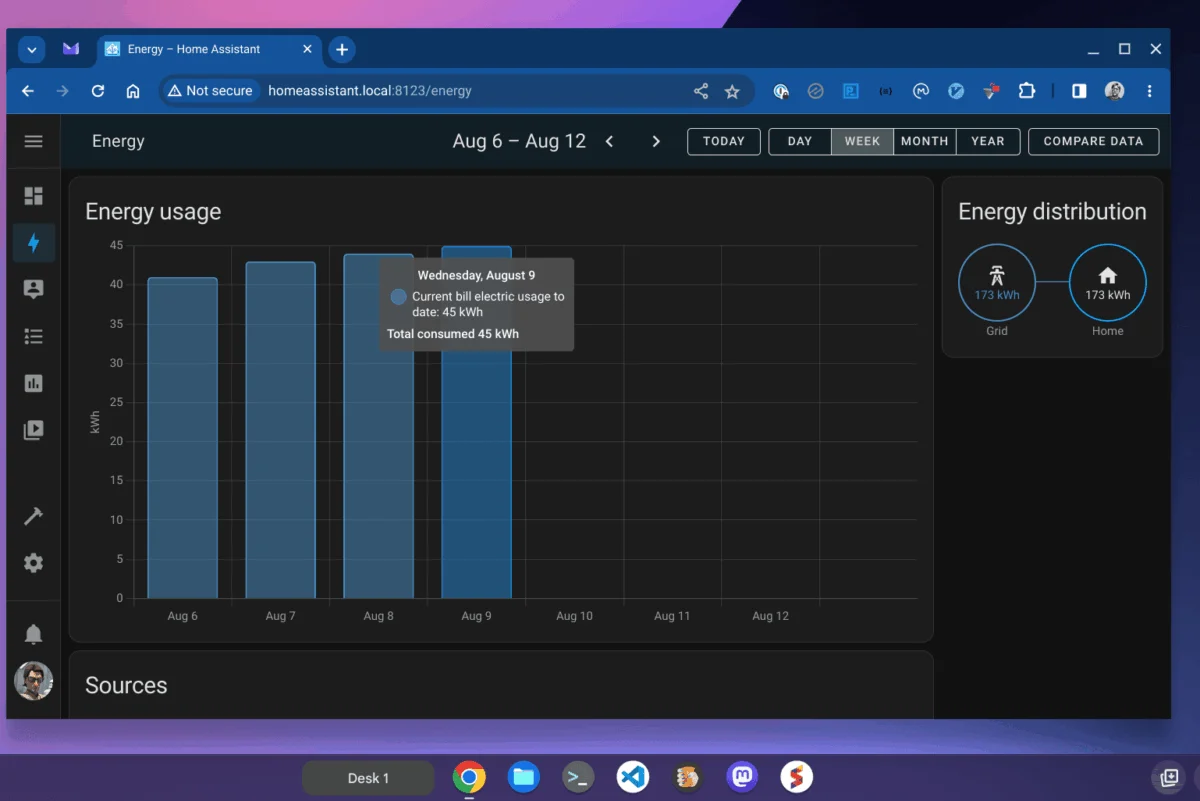
In a practical vein, the discussion offered actionable advice for homeowners looking to embrace smart energy management. As utility companies increasingly implement programs that leverage smart meters and dynamic pricing, preparing one’s home can lead to significant cost savings and a reduced environmental footprint. This preparation often involves understanding current energy consumption patterns, identifying energy-inefficient appliances, and exploring the integration of smart thermostats, smart plugs, and home energy monitoring systems. The availability of data from smart energy management programs can empower consumers to make more informed decisions about their energy usage, contributing to a more sustainable and resilient energy grid.
Addressing Listener Inquiries: Amazon Echo Show and Compatibility
Finally, the article concluded by addressing a listener question concerning the Amazon Echo Show and its compatibility with other devices. This reflects the practical concerns of consumers navigating the complex landscape of smart home devices. Understanding which devices work seamlessly with popular platforms like the Echo Show is crucial for building a functional and user-friendly smart home environment. This often involves checking for official Works with Alexa certifications, ensuring compatibility with specific communication protocols like Zigbee or Z-Wave, and considering the underlying network infrastructure required for optimal performance.
The multifaceted discussions presented in this overview underscore the dynamic and interconnected nature of technological advancements. From the micro-level intelligence of TinyML to the macro-level challenges of smart home interoperability and the innovative applications of drone technology, the industry is in a constant state of flux. Honeywell’s strategic investment in TinyML positions it to be a significant player in shaping the future of intelligent edge computing, promising a more secure, efficient, and data-driven world.
