

This week’s podcast and newsletter announcements herald significant developments, setting the stage for what promises to be an eventful period. Among the pressing topics discussed are the persistent challenges plaguing the Matter smart home standard, with insights into vendor culpability and the complexities of Thread credentialing and device interoperability. Furthermore, the conversation delves into a series of critical technology and industry shifts, including the concerning reports of hacked radiation sensors near Chernobyl, the formation of a new RISC-V consortium by major semiconductor players, and a significant IoT module business acquisition. The article also explores the innovative approach of a drone startup building a distributed aerial network and the practical implications of transitioning to advanced home energy management systems, all while addressing listener queries about Amazon Echo Show compatibility.
The Maturing Challenges of the Matter Smart Home Standard
The ambitious promise of the Matter smart home standard, designed to unify disparate devices and ecosystems, is encountering significant headwinds. Reports indicate ongoing struggles with Thread credentialing and uneven device support, creating a fragmented user experience that undermines the very interoperability Matter aims to achieve. This situation has led to frustration for both consumers and developers, with questions arising about the underlying causes of these persistent issues.
The core of the problem appears to lie not in the foundational Matter standard itself, but in the implementation and support provided by various vendors. While the standard provides a robust framework, the practical deployment across a wide array of smart home devices has revealed inconsistencies. Challenges in seamlessly onboarding devices onto a Thread network, a crucial element for Matter’s low-power, mesh networking capabilities, have been particularly highlighted. Users have reported difficulties in pairing devices, with some experiencing prolonged setup times or outright failures. This lack of consistent performance directly impacts the user’s ability to build a reliable and integrated smart home.
Chernobyl’s Shadow: The Specter of Hacked Radiation Sensors
Adding a layer of disquiet to the technological landscape, recent reports have surfaced concerning the potential for hacked radiation sensors in the vicinity of Chernobyl. The implications of such an event are profound, extending beyond mere data manipulation to encompass potential public safety and environmental risks. Kim Zetter’s reporting on this matter raises critical questions about the security of critical infrastructure and the vulnerabilities inherent in connected sensor networks, especially in sensitive or historically significant locations.
The Chernobyl Exclusion Zone, a vast area still recovering from the 1986 nuclear disaster, relies on a network of sensors to monitor radiation levels. These sensors, often deployed in remote and challenging environments, are increasingly connected and, by extension, susceptible to cyber threats. A successful hack could lead to the dissemination of false data, either to downplay the severity of radiation spikes or to create undue panic. The ramifications of such misinformation are multifaceted: it could delay crucial emergency responses, mislead scientific research, or even be used for malicious purposes, such as sowing discord or undermining public trust in environmental monitoring agencies. The incident underscores the urgent need for robust cybersecurity measures tailored to the unique challenges of protecting critical infrastructure in high-stakes environments.
Semiconductor Industry Realignment: RISC-V Ascendancy and IoT Business Acquisitions
The semiconductor industry is undergoing a significant period of strategic realignments, marked by collaborative ventures and targeted acquisitions aimed at shaping the future of computing and connectivity. A notable development is the formation of a new RISC-V company backed by industry giants such as Qualcomm, NXP, Infineon, and others. This concerted effort to accelerate the adoption of the open-standard RISC-V instruction set architecture signifies a potential paradigm shift away from proprietary designs and towards a more collaborative and flexible ecosystem.
RISC-V’s open-source nature allows for greater customization and innovation, potentially leading to more efficient and specialized processors for a wide range of applications, from edge computing to high-performance computing. The backing of this new entity by leading semiconductor manufacturers suggests a strong belief in RISC-V’s potential to challenge the dominance of established architectures. This move could foster increased competition, drive down costs, and accelerate the development of novel semiconductor solutions across various industries.
In parallel, the sale of an IoT module business to Renesas highlights the ongoing consolidation and specialization within the Internet of Things sector. Such acquisitions can lead to enhanced product portfolios and greater market reach for the acquiring companies, potentially streamlining the development and deployment of IoT solutions for businesses. However, it also raises questions about the future of the acquired business’s independent innovation and its integration into the larger Renesas ecosystem.
Honeywell’s Vision for TinyML: Empowering the Edge
At the forefront of leveraging advanced technologies for industrial applications, Honeywell is making a significant strategic push into the realm of Tiny Machine Learning (TinyML). Muthu Sabarethinam, VP of AI/ML Product and Services at Honeywell, shared insights into the company’s forward-thinking approach, emphasizing the transformative potential of running machine learning algorithms directly on edge devices, such as sensors.
Honeywell’s strategy revolves around optimizing the utilization of data generated by its extensive network of equipment. By building services that intelligently process and interpret this data, the company aims to enhance operational efficiency, predictive maintenance, and overall system performance across diverse sectors, including building automation, aerospace, and industrial manufacturing. The integration of TinyML represents a critical evolution in this data-centric approach.

Sabarethinam explained that embedding machine learning algorithms directly onto sensors, rather than relying solely on centralized cloud processing, offers several compelling advantages. "Running algorithms at the sensor level addresses critical concerns around security, power consumption, and latency," he stated. This distributed intelligence model inherently enhances security by minimizing the amount of sensitive data transmitted over networks. It also significantly reduces power demands, a crucial factor for battery-operated sensors deployed in remote or hard-to-reach locations. Furthermore, the near-instantaneous processing of data at the edge drastically cuts down on latency, enabling faster decision-making and more responsive systems.
The scale of Honeywell’s potential TinyML deployment is staggering. The company supports over a million sensors currently in the field, each representing an opportunity to leverage the benefits of on-device intelligence. The challenge, as Sabarethinam highlighted, lies in the efficient packaging and deployment of these algorithms. Developing a standardized approach to algorithm packaging is crucial for enabling scalable TinyML implementation across such a vast and diverse sensor infrastructure. This involves creating frameworks that allow for easy integration, updates, and management of machine learning models without requiring complex reconfigurations of individual devices.
The discussion also touched upon evolving business models and customer expectations regarding data access. As businesses increasingly recognize the value of their operational data, the demand for flexible and secure ways to access and utilize this information is growing. Honeywell’s foray into TinyML is intricately linked to these evolving demands, aiming to provide customers with more granular control and actionable insights derived directly from the edge.
Innovative Drone Networks and the Future of Infrastructure Protection
In a departure from traditional aerial operations, a drone startup is pioneering the development of an on-demand drone network that bears a striking resemblance to a satellite network. This ambitious project aims to create a distributed system of drones capable of providing ubiquitous coverage and on-demand aerial services across vast geographical areas. Such a network could revolutionize various sectors, including critical infrastructure monitoring, emergency response, and precision agriculture.
The concept of an "on-demand drone network" suggests a highly scalable and responsive system where drones can be rapidly deployed and coordinated to fulfill specific mission requirements. This could involve tasks such as inspecting pipelines, monitoring power lines, assessing damage after natural disasters, or even providing last-mile delivery services in remote regions. The comparison to satellite networks implies a sophisticated command and control infrastructure, advanced navigation capabilities, and potentially autonomous operation, allowing for widespread coverage and efficient resource allocation.
The implications for critical infrastructure protection are particularly significant. Drones equipped with advanced sensors can provide real-time surveillance and early detection of potential threats or structural integrity issues. An on-demand network would allow for immediate deployment of these assets in response to detected anomalies, enabling proactive maintenance and preventing costly failures or security breaches.
Embracing Smart Energy Management: Practical Steps for Homeowners
As smart energy management programs become more prevalent, homeowners are encouraged to prepare their residences for greater integration with these initiatives. This proactive approach can unlock significant benefits, including reduced energy consumption, lower utility bills, and a smaller environmental footprint. Practical steps can empower individuals to optimize their home’s energy performance and capitalize on the advantages offered by these evolving programs.
Preparing a home for smart energy management often involves a multi-faceted approach. Key considerations include assessing existing energy-consuming appliances and systems, understanding their efficiency, and identifying areas for improvement. This might involve upgrading to more energy-efficient models, ensuring proper insulation, and optimizing heating and cooling systems. Furthermore, familiarizing oneself with smart home technologies, such as smart thermostats, smart plugs, and energy monitoring devices, can provide the necessary tools to actively manage energy usage.
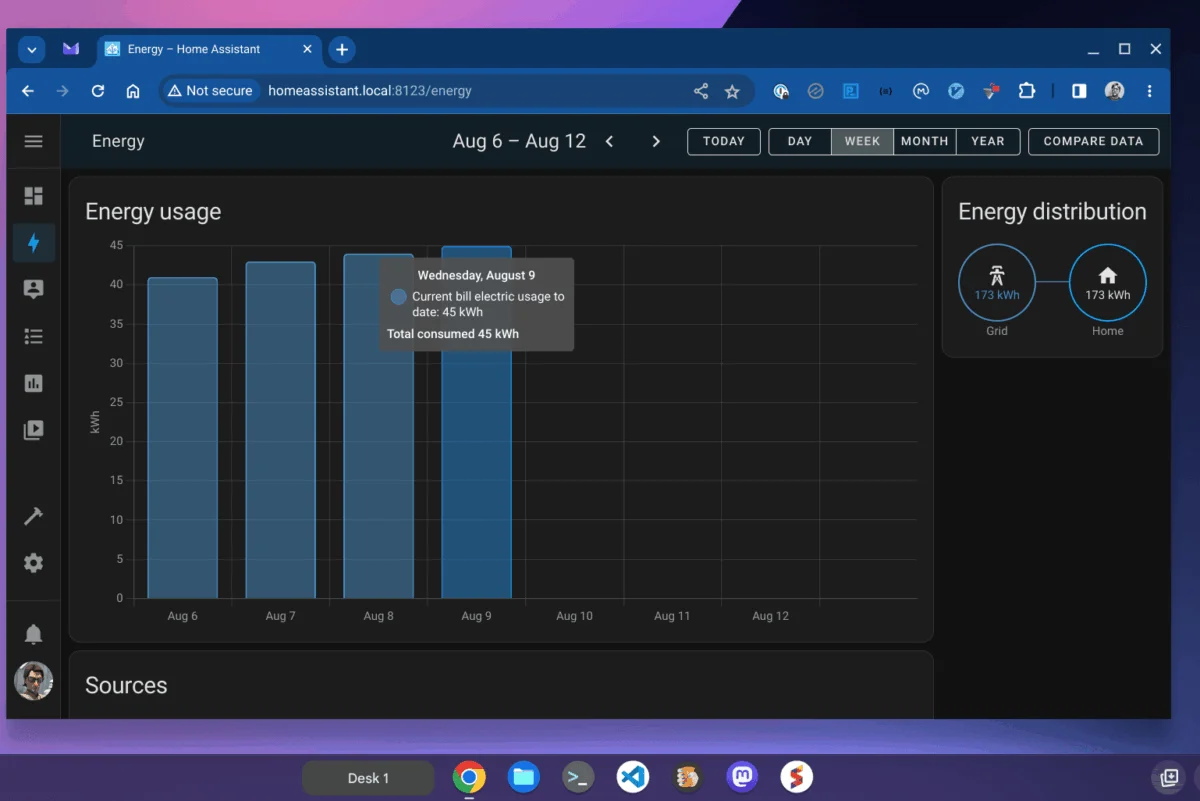
The transition to smart energy management also involves understanding the data generated by home energy consumption. Tools like Home Assistant, as highlighted by personal experiences, can offer a powerful platform for aggregating and analyzing this data. By visualizing energy usage patterns, homeowners can gain valuable insights into where energy is being consumed most heavily and identify opportunities for behavioral changes or technological upgrades. The audience’s engagement with this topic, as evidenced by their comments, underscores a growing interest in taking control of home energy consumption.
Navigating the Amazon Echo Show Ecosystem and Device Compatibility
For users of the Amazon Echo Show, questions often arise regarding its compatibility with a wider range of smart home devices. The Echo Show, with its integrated display and voice assistant capabilities, serves as a central hub for many smart homes. Understanding which devices seamlessly integrate with this ecosystem is crucial for building a cohesive and functional smart home experience.
Compatibility typically extends to devices that support Amazon’s Alexa voice assistant. This includes a vast array of smart lights, thermostats, locks, cameras, and other connected appliances from various manufacturers. Users can often check product packaging or manufacturer websites for explicit "Works with Alexa" certifications. For the Amazon Echo Show specifically, compatibility can also involve features that leverage its visual interface, such as displaying live camera feeds from compatible security cameras or providing visual cues for smart home controls. When considering new devices, verifying their integration with the Alexa ecosystem and, more specifically, their intended functionality with the Echo Show’s display capabilities, is a prudent step for consumers seeking to maximize their smart home’s potential.
