
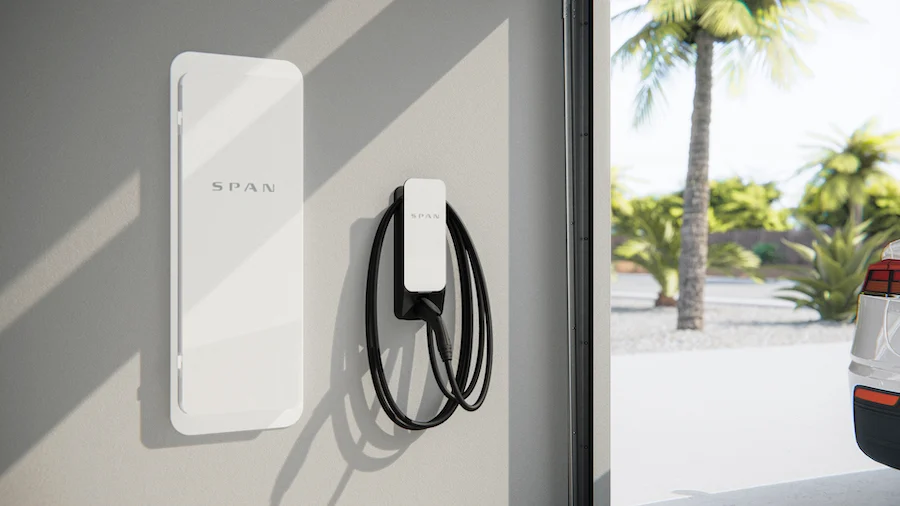

The urgency for robust smart energy management in homes has intensified, driven by increasingly frequent and severe extreme weather events and a growing public awareness of the inherent vulnerabilities within our existing power grids. This heightened concern has fostered a widespread consensus that modern, "smart" homes should incorporate sophisticated energy management capabilities. While current solutions often manifest as smart thermostats integrated with utility demand-response programs, the trajectory over the next decade points towards a more comprehensive ecosystem. This future envisions a home where smart breaker boxes, intelligent electric vehicle (EV) chargers, and integrated solar or energy storage systems work in concert, orchestrated by advanced software. This central intelligence will facilitate seamless communication between in-home devices and utility providers, ensuring optimized power distribution, particularly during periods of peak demand when resources may be constrained.
The Evolving Landscape of Home Energy Management
The transition towards a fully integrated smart home energy ecosystem is not a distant futuristic concept but a rapidly developing reality. Several key technological advancements and market shifts are accelerating this evolution. The integration of smart breaker boxes, for instance, moves beyond mere monitoring to active control. These systems can dynamically manage electrical loads, preventing circuit overloads and optimizing energy consumption based on real-time grid conditions and user preferences. This is particularly crucial for accommodating the growing adoption of high-demand appliances and electric vehicles.
Furthermore, the proliferation of electric vehicles necessitates intelligent charging solutions. Smart EV chargers can be programmed to charge vehicles during off-peak hours, when electricity is typically cheaper and the grid is less stressed, or to prioritize charging based on user needs and available renewable energy. The incorporation of solar panels and battery storage systems adds another layer of complexity and opportunity, allowing homeowners to generate, store, and utilize their own clean energy, further reducing reliance on the traditional grid and enhancing energy independence.
The software layer connecting these disparate components is pivotal. This intelligent control system will analyze data from various sources – smart meters, connected appliances, weather forecasts, and utility signals – to make informed decisions about energy allocation. This could involve automatically dimming non-essential lights during peak hours, delaying appliance cycles like laundry or dishwashing until off-peak times, or optimizing the charging and discharging of home battery storage systems. Such dynamic management promises not only cost savings for consumers but also significant benefits for grid stability and the integration of renewable energy sources.
Emerging Technologies and Market Drivers
The development of these advanced home energy management systems is being propelled by a confluence of technological innovation and supportive policy. Leading manufacturers such as Schneider Electric, Eaton, Leviton, Savant, and Span are actively developing and bringing to market a range of products that form the building blocks of these intelligent homes. These offerings span from sophisticated smart breaker panels to integrated home energy management hubs.
Legislation enacted under the Biden administration, for example, provides crucial incentives for consumers looking to upgrade their aging electrical infrastructure to smarter, more efficient alternatives. These incentives, often in the form of tax credits or rebates, aim to accelerate the adoption of technologies that enhance grid resilience and support the broader transition to a cleaner energy future. This policy backdrop is critical, as the upfront cost of replacing traditional electrical systems with smart equivalents can be a significant barrier for many homeowners.
The market is seeing a bifurcated approach to smart breaker boxes. Some solutions, like those offered by Sense or Emporia, focus on monitoring and providing detailed energy consumption data. While invaluable for understanding usage patterns, these devices typically do not offer direct control over individual circuits. Users can identify which appliances are consuming the most energy, but they cannot remotely switch them on or off through the breaker box itself. This limitation can be frustrating, as knowing a refrigerator consumes a certain amount of energy daily does not enable proactive management without manual intervention.
A more advanced category includes smart circuits or fully integrated smart breaker boxes that offer direct control. These systems allow homeowners to remotely switch circuits on and off, providing granular management capabilities. This enables sophisticated strategies, such as scheduling EV charging to occur only during off-peak hours or automatically disabling non-essential high-draw appliances during peak demand periods. While many of these systems employ proprietary software, there is a growing interest in open-source solutions for highly technical DIY enthusiasts, offering greater flexibility and interoperability.
The Initial Steps: A Practical Approach for Homeowners
For the average homeowner, the prospect of overhauling their entire electrical system can seem daunting and financially prohibitive. Fortunately, taking the first step towards smarter energy management does not require an immediate, large-scale investment. A practical and accessible starting point involves a thorough audit of the existing breaker box.
H2: Conducting a Home Electrical Audit
This process can be undertaken with a friend or family member, utilizing a phone call for communication. One individual remains at the breaker box, while the other moves through the house. By systematically flipping each breaker switch, the individual at the breaker box can identify which outlets and appliances are connected to each specific circuit. A detailed list should be compiled, documenting the circuit number and the corresponding outlets and devices it controls. This information is invaluable for several reasons.
Firstly, it provides a clear inventory of current electrical loads, highlighting which circuits are dedicated to specific appliances or areas of the home. Secondly, it reveals any unused circuits or available capacity within the breaker box. This "headroom" is crucial for future upgrades. For instance, if a homeowner plans to install an electric vehicle charger, a high-efficiency heat pump, or an induction stove – all popular electrification projects – knowing that dedicated circuits are available or can be easily established is a significant advantage.
H3: Addressing Capacity Limitations

For older homes, particularly those with older electrical panels, a lack of available headroom might necessitate a more substantial upgrade. This could involve increasing the amperage of the home’s electrical service and potentially replacing the entire electrical panel. While these upgrades can represent a significant expense, they are often a prerequisite for integrating modern, high-demand appliances and EV charging.
H3: The Role of Smart Breaker Boxes in Load Management
In situations where a full service upgrade is not immediately feasible or desired, a smart breaker box can offer a compromise. These advanced panels can help distribute electrical loads more intelligently, preventing overloads and allowing for the management of high-demand devices. For example, a smart breaker box can be programmed to ensure that an electric vehicle charges exclusively during nighttime hours, when other household appliances are not in use, thereby optimizing the utilization of existing electrical capacity. While this approach offers partial solutions, it is a stepping stone towards more comprehensive energy management.
Understanding Smart Breaker Box Options
The market for smart breaker boxes offers a range of functionalities, catering to different levels of homeowner needs and technical expertise. As previously mentioned, devices like Sense and Emporia provide sophisticated energy monitoring capabilities. They can track the energy consumption of individual circuits and connected appliances, offering detailed insights into usage patterns. This data can empower homeowners to identify energy inefficiencies and make informed decisions about appliance usage and potential upgrades. However, their primary limitation lies in the absence of direct control over circuit operation.
The next tier of smart breaker technology includes systems that offer "smart circuits." These circuits can be individually controlled, allowing for remote on/off functionality. This enables homeowners to actively manage specific loads, such as turning off non-essential circuits remotely or scheduling their operation. Consumers can opt for a completely smart breaker box, replacing their entire panel, or integrate a few smart circuits into an existing panel to address specific needs, such as managing an EV charger. A common characteristic of many of these systems is their reliance on proprietary software platforms for management, which can sometimes limit interoperability with other smart home devices.
For the highly technically inclined, open-source smart home energy management solutions are also emerging. These platforms, often requiring significant DIY effort, offer maximum flexibility and customization, allowing users to build highly tailored energy management systems that can integrate a wider array of devices and services.
Simulating Future Energy Management: SmartThings Energy
For homeowners seeking a preview of a more integrated and futuristic smart home energy management experience, platforms like SmartThings Energy offer a valuable starting point. By leveraging data from smart meters and real-time electricity rates, SmartThings Energy provides insights into the power consumption of compatible smart appliances. For households equipped with Samsung appliances, for instance, the platform allows users to activate a "Power Savings" mode directly through the app, aiming to reduce energy usage and associated costs.
While these current solutions are not yet perfect, primarily due to a lack of universally adopted standards for communication between various appliances, smart meters, and breaker box software, the industry is moving towards greater interoperability. The ongoing development of industry standards is crucial for realizing the full potential of smart home energy management, enabling seamless integration and coordinated control across the entire home energy ecosystem.
The Broader Implications: Grid Resilience and Sustainability
The widespread adoption of smart home energy management systems holds profound implications beyond individual cost savings and convenience. It is a critical component in the broader effort to enhance grid resilience and accelerate the transition to a sustainable energy future. As the climate crisis intensifies, leading to more frequent and extreme weather events like heatwaves and storms, the stability of the electrical grid is paramount. Smart energy management empowers individual homes to become active participants in grid stabilization.
By enabling demand response – the ability for utilities to remotely adjust energy consumption in homes during peak demand periods – smart homes can significantly alleviate stress on the grid. This reduces the need for expensive and often carbon-intensive "peaker plants," which are brought online only during times of high demand. Furthermore, the intelligent integration of distributed energy resources, such as rooftop solar and home battery storage, allows for a more decentralized and resilient energy infrastructure. Homes can act as microgrids, capable of operating independently during grid outages, thereby enhancing energy security for individual households and communities.
The move towards electrification, driven by the desire to reduce carbon emissions, places additional demands on the electrical grid. Smart energy management is essential to ensure that this transition is managed effectively. Without intelligent charging of electric vehicles and optimized use of high-demand electric appliances, the grid could become overloaded. Smart systems ensure that the benefits of electrification are realized without compromising grid reliability.
Ultimately, the journey towards a smart energy future for homes is an ongoing evolution. While the ultimate vision of a fully integrated, automated, and optimized home energy system may still be some years away, the foundational steps are accessible today. By starting with a simple electrical audit and planning for future upgrades with an eye towards energy efficiency and electrification, homeowners can actively contribute to a more resilient, sustainable, and cost-effective energy landscape. The emerging technologies and supportive policies provide a clear pathway for this transformation, making the smart home energy future increasingly attainable.
