

The Chronology of a Tragedy
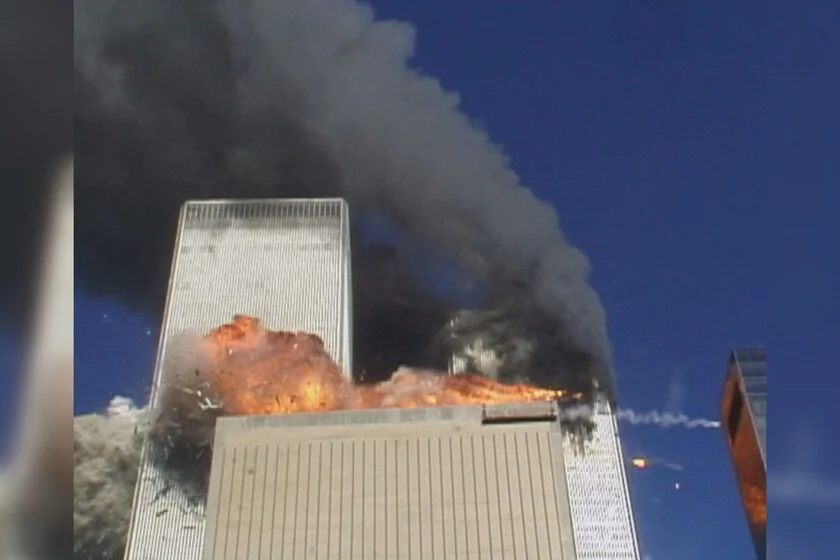
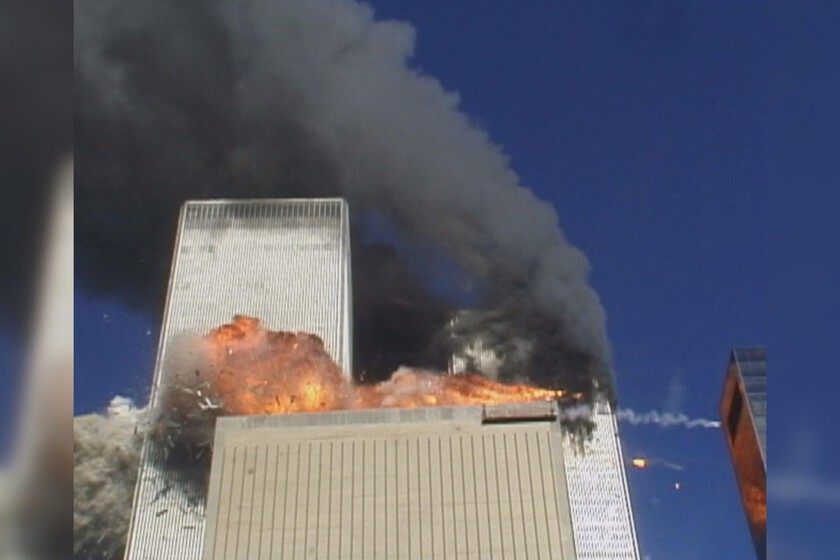
The events of September 11, 2001, unfolded with a terrifying precision that caught the world off guard. At 8:46 a.m. EDT, American Airlines Flight 11 crashed into the North Tower of the World Trade Center in New York City. Initially viewed by many as a catastrophic aviation accident, the reality became clear at 9:03 a.m., when United Airlines Flight 175 struck the South Tower, confirming that the United States was under a coordinated aerial assault.
The devastation continued as a third hijacked aircraft, American Airlines Flight 77, struck the western face of the Pentagon in Arlington, Virginia, at 9:37 a.m. Meanwhile, passengers and crew aboard a fourth plane, United Airlines Flight 93, staged a revolt against their hijackers. Their bravery prevented the aircraft from reaching its intended target—widely believed to be the U.S. Capitol or the White House—causing the plane to crash into a field near Shanksville, Pennsylvania, at 10:03 a.m.
The collapse of the South Tower at 9:59 a.m., followed by the North Tower at 10:28 a.m., turned the financial district of New York into a scene of unimaginable dust, debris, and human suffering. The coordinated effort, orchestrated by Osama Bin Laden and the Al-Qaeda terrorist organization, was the culmination of years of planning that sought to dismantle the perceived pillars of Western hegemony.
Documentation and Public Memory
To mark the 25th anniversary, media platforms like Movistar Plus have curated specialized programming to ensure that the historical record remains accessible to new generations. The release of "11S: minuto a minuto" (9/11: Minute by Minute) serves as a rigorous reconstruction of the day’s events. By utilizing declassified audio recordings, archival footage, and the exhaustive findings of the 9/11 Commission Report, the documentary provides a clinical look at the intelligence failures that preceded the attacks.
A central point of contention remains the intelligence gap: despite the CIA and other agencies having identified growing threats from Al-Qaeda throughout the late 1990s and specifically in the months leading up to September 2001, the bureaucratic silos and a lack of unified threat assessment prevented the interception of the plot. This documentary serves as a reminder of the fragility of national security in the face of non-state actors operating across borders.
The Engineering Feat of Survival: The "Other" Responders
While the heroism of first responders—the firefighters, police officers, and medical personnel—is well-documented, the role of structural engineers in the immediate aftermath of the collapse has often been overshadowed. The documentary "11S: ingenieros en la zona cero" (9/11: Engineers at Ground Zero) sheds light on the technical expertise required to stabilize the "pile" and the surrounding infrastructure.
These professionals faced a daunting task: with the towers destroyed, the structural integrity of the entire surrounding city grid was compromised. Engineers worked under extreme duress to assess thousands of damaged buildings, many of which were teetering on the edge of structural failure. One of the most critical, yet least publicized, interventions was the prevention of the Hudson River from flooding the New York City subway system. Had the slurry wall—the foundation designed to keep the river at bay—failed during the chaos, the secondary loss of life and the destruction of critical transit infrastructure would have been significantly higher.

Geopolitical and Societal Implications
The aftermath of 9/11 triggered a paradigm shift in international relations. The immediate launch of the "War on Terror," beginning with the invasion of Afghanistan in October 2001, marked the beginning of a prolonged period of military interventionism. Domestically, the passage of the USA PATRIOT Act in the United States ushered in a new era of surveillance, data collection, and heightened security protocols at airports and public landmarks worldwide.
From an economic perspective, the destruction of the World Trade Center resulted in an estimated $10 billion to $13 billion in direct property damage, but the broader economic impact—including the disruption of global markets, the cost of the ensuing wars, and the massive increase in global defense spending—reached into the trillions. The attacks effectively ended the "peace dividend" that many nations had hoped to enjoy following the conclusion of the Cold War.
The Legacy of 25 Years
Twenty-five years later, the analysis of 9/11 has shifted from the shock of the event to the long-term consequences of the response. Historians and policy analysts continue to debate the efficacy of the intelligence reforms, the ethical implications of enhanced interrogation and detention, and the sustainability of the global security architecture established in the wake of the attacks.
For the families of the 2,977 victims, the day remains a personal tragedy. For the public, it remains a defining historical marker. As primary sources—the eyewitnesses, the engineers who stabilized the site, and the journalists who covered the day—age, the responsibility to maintain the accuracy of the record falls to objective documentation.

The inclusion of these documentaries in current streaming catalogs highlights a broader trend in digital media: the preservation of historical events through high-definition archival restoration and modern analytical frameworks. By revisiting these events through multiple lenses—the geopolitical, the logistical, and the human—the narrative of 9/11 continues to evolve. It is no longer just a story of destruction; it is a complex examination of how a society responds to an existential threat, the inherent risks of bureaucratic failure, and the resilience of those tasked with rebuilding from the ashes.
As we look back from the vantage point of a quarter-century, the events of September 11 stand as a somber reminder of the interconnectedness of global politics. The world today is undeniably different from the one that existed on September 10, 2001. Security, privacy, and international cooperation have all been redefined by the actions of that day. The ongoing study of these events is not merely an exercise in nostalgia, but a necessary component of understanding the contemporary world and the fragile peace that sustains it. Whether through the lens of engineering challenges or the minute-by-minute breakdown of intelligence failures, the mission remains the same: to ensure that the lessons of the past are not lost to time, but rather serve as a foundation for future stability and vigilance.
