


The landscape for U.S. spot Bitcoin exchange-traded funds (ETFs) has undergone a dramatic transformation in less than a fortnight, shifting from a period of intense capital flight to a robust resurgence of institutional demand. According to data tracked by Decrypt, U.S.-based spot Bitcoin ETFs recorded a net inflow of $134.5 million this past Friday, marking the seventh consecutive trading session of positive movement. This sustained accumulation phase, which commenced on September 17, has resulted in a total capital influx of approximately $2.98 billion, signaling a significant renewal of confidence among traditional market participants.
This influx serves as a striking counter-narrative to the mid-September panic that gripped the sector. During a volatile window in the middle of the month, the funds experienced a sharp contraction, shedding $450.4 million on September 15—a performance that represented the most significant single-day outflow since June. This exodus was exacerbated by legislative uncertainty, specifically the failure of the U.S. Senate’s cloture vote on the Clarity Act, which rippled through crypto-sensitive assets. The downward trend continued the following day, with an additional $295.9 million in net outflows, leaving investors and analysts questioning whether the appetite for Bitcoin as a regulated financial instrument had begun to plateau. However, the subsequent reversal has been swift and decisive, with inflows since the September 17 rebound outpacing the combined losses of the mid-month downturn by a factor of four.
The Mechanics and Significance of Bitcoin ETFs
Bitcoin ETFs have fundamentally altered the relationship between institutional capital and digital assets. By allowing investors to gain exposure to the price of Bitcoin through traditional brokerage accounts, these vehicles eliminate the technical barriers associated with managing private keys, navigating decentralized exchanges, or overseeing custodial security. For major asset managers, pension funds, and family offices, the ETF structure provides a regulatory-compliant bridge into the crypto ecosystem.
Consequently, the daily flow data of these funds has evolved into a critical barometer for institutional sentiment. When capital flows into these vehicles, it typically suggests that institutional desks are rebalancing portfolios toward risk-on assets. Conversely, outflows are frequently interpreted as a broader signal of macro-level risk aversion. The current streak of inflows suggests that, despite regulatory headwinds in Washington, the long-term thesis for Bitcoin as a "digital gold" or a hedge against macroeconomic instability remains the primary driver for institutional capital allocation.

A Chronology of September Volatility
The month of September has proven to be a microcosm of the inherent volatility within the digital asset market. The period began with a sense of guarded optimism, which was abruptly derailed by the legislative setbacks in the U.S. Senate. The failure to advance the Clarity Act created a vacuum of regulatory transparency, prompting a "sell-first, ask-later" response from institutional holders who prioritize clear legal frameworks for their digital asset exposure.
By September 16, the cumulative pressure had pushed many ETFs into a defensive posture. However, the turning point arrived on September 17, as technical support levels held and market participants began to digest the implications of the legislative delay. The momentum accelerated dramatically on September 21, a day that saw an unprecedented surge of nearly $1 billion in capital inflows—the most significant single-day accumulation since October 2025.
This specific surge was more than just a statistical anomaly; it acted as a catalyst that pushed Bitcoin’s market price above the average cost basis of the typical ETF investor. According to calculations by Bloomberg analyst James Seyffart, the average holder’s cost basis sat at approximately $81,722. When the market price crossed this threshold, it marked the first time since January that the average retail and institutional investor within these funds returned to a profitable position. This psychological milestone likely acted as a feedback loop, encouraging further participation and preventing the "panic selling" that often characterizes market bottoms.
Data Analysis and Year-to-Date Performance
The broader 2026 scorecard for these products reflects a year of immense turbulence and recovery. Data from Farside Investors indicates that through Thursday, the funds had successfully pivoted from a deep deficit to a net inflow position of $886.8 million for the year. This represents a staggering $6.6 billion swing from July 13, a date when the aggregate net flow stood at a deficit of $5.69 billion. Including Friday’s figures, the total year-to-date inflows have officially surpassed the $1 billion mark, confirming a robust recovery phase.
While different data providers use varying methodologies—with Bloomberg estimating the year-to-date inflow at approximately $320 million—the consensus trend is undeniably positive. Since the launch of these funds, the cumulative net inflows have reached a landmark $58.0 billion. With total net assets currently valued at $108.42 billion and Bitcoin trading near $84,020, the ETFs have solidified their position as essential components of the modern financial infrastructure.
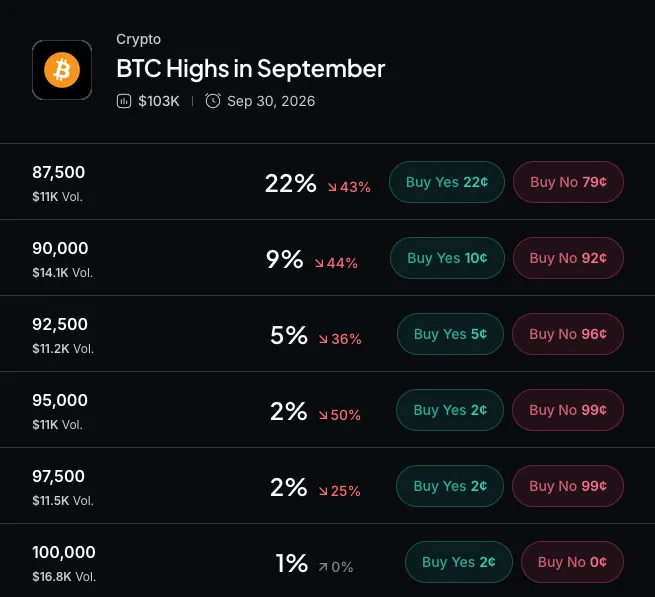
However, the industry faces a high bar if it intends to replicate the performance of the previous year. In 2025, these funds attracted a total of $21.35 billion. To match that figure by the end of 2026, the current inflow pace would need to be sustained at a rate of approximately $300 million per day through December. While the current streak is impressive, maintaining such a velocity during the traditionally volatile year-end period will require continued macroeconomic stability and perhaps renewed momentum regarding digital asset legislation.
Implications for the Broader Market
The rapid return of institutional capital suggests that the "Clarity Act" failure, while significant, may have been a temporary hurdle rather than a structural deterrent. Market analysts point to several factors that could sustain this momentum:
- Macroeconomic Environment: As central banks in major economies signal a potential shift in interest rate policies, investors are increasingly looking toward non-correlated assets. Bitcoin’s performance in the current cycle is being viewed as an attempt to decouple from traditional tech stocks, providing a unique yield profile that institutional treasurers find increasingly attractive.
- Institutional Maturation: The shift from speculative retail trading to long-term institutional holding is evidenced by the "stickiness" of the current inflows. The rapid recovery from the mid-September dip suggests that these institutional entities are not merely chasing short-term price action but are committed to long-term portfolio integration.
- Regulatory Evolution: Despite the recent legislative setbacks, the sheer volume of assets now managed by these ETFs—surpassing $100 billion—makes the sector "too big to ignore" for lawmakers. Future regulatory discussions are expected to be influenced by the scale of this capital and the explicit interest of major financial institutions in maintaining these services.
Conclusion and Outlook
As the market enters the final quarter of 2026, the sentiment surrounding Bitcoin ETFs has shifted from defensive apprehension to cautious optimism. The resilience displayed over the last seven trading days indicates that the fundamental appetite for regulated Bitcoin exposure remains intact. While the path to matching last year’s inflows remains steep, the current trajectory suggests that institutional investors are increasingly viewing Bitcoin not as a transient trade, but as a permanent fixture of their diversified portfolios. The coming weeks, characterized by potential shifts in U.S. monetary policy and ongoing legislative debates, will serve as the ultimate stress test for this renewed institutional confidence. For now, the "buy-the-dip" mentality that defined the second half of September has firmly re-established the trend, leaving the market in a position of strength as it approaches the final months of the year.
