
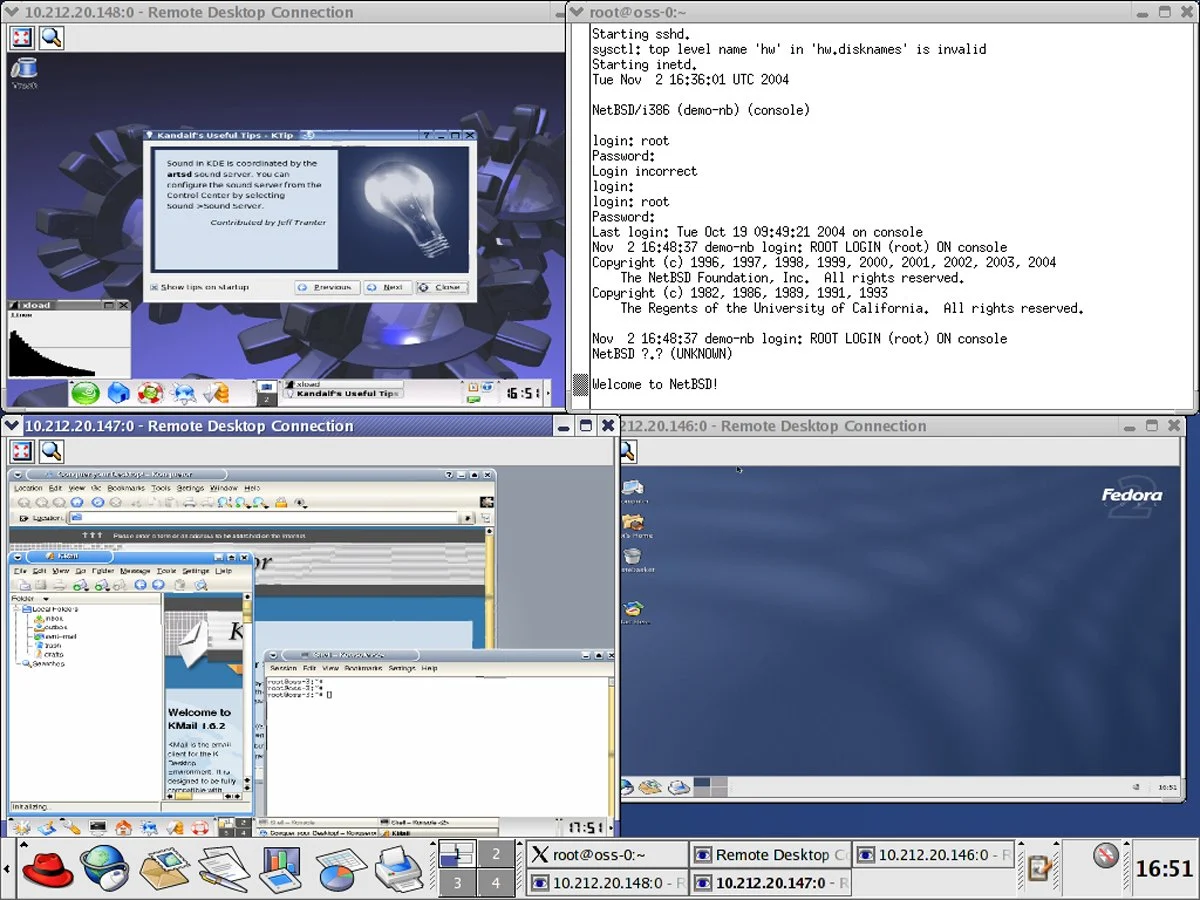

Virtualization software for Linux has evolved from a niche tool for testing environments into the bedrock of modern cloud-native architecture, enterprise data centers, and hybrid cloud strategies. By allowing a single physical machine to host multiple isolated virtual machines (VMs), each running independent operating systems and virtual hardware, this technology provides unmatched versatility for IT professionals, developers, and system administrators.

As enterprises increasingly modernize their infrastructure, selecting the right virtualization platform requires balancing performance, resource management, security, and scalability. This comprehensive analysis examines the premier virtualization platforms available for Linux environments, evaluating their architectural nuances, operational benefits, and strategic implications for modern organizations.
The Evolution and Chronology of Linux Virtualization
The trajectory of Linux virtualization is closely tied to the broader maturation of the Linux kernel and open-source development paradigms. Understanding the historical progression of these tools illuminates why certain platforms dominate specific market segments today.

The foundational shift occurred in 2007 with the integration of Kernel-based Virtual Machine (KVM) directly into the mainline Linux kernel. This milestone effectively transformed Linux into a Type-1 (bare-metal) hypervisor, shifting the paradigm away from purely software-emulated environments to hardware-assisted virtualization. Around the same period, enterprise-focused projects like the Xen Project—originating from a University of Cambridge research initiative—were gaining traction among early cloud service providers for their robust paravirtualization and multi-tenant security features.
Concurrently, platforms like QEMU provided essential cross-architecture emulation capabilities, while community-driven management layers such as oVirt emerged to tame the complexities of managing sprawling virtualized data centers. In the commercial and enterprise spheres, Oracle’s continuous development of VirtualBox addressed the desktop and cross-platform virtualization market. Most recently, the virtualization landscape has pivoted toward cloud-native integration, best exemplified by Red Hat OpenShift Virtualization, which bridges the gap between traditional VM workloads and container orchestration engines like Kubernetes.
Comparative Overview of Top Linux Virtualization Platforms
To assist IT strategists and technical leaders in navigating this ecosystem, virtualization solutions can be categorized by their primary architectural strengths and deployment use cases.
Red Hat OpenShift Virtualization
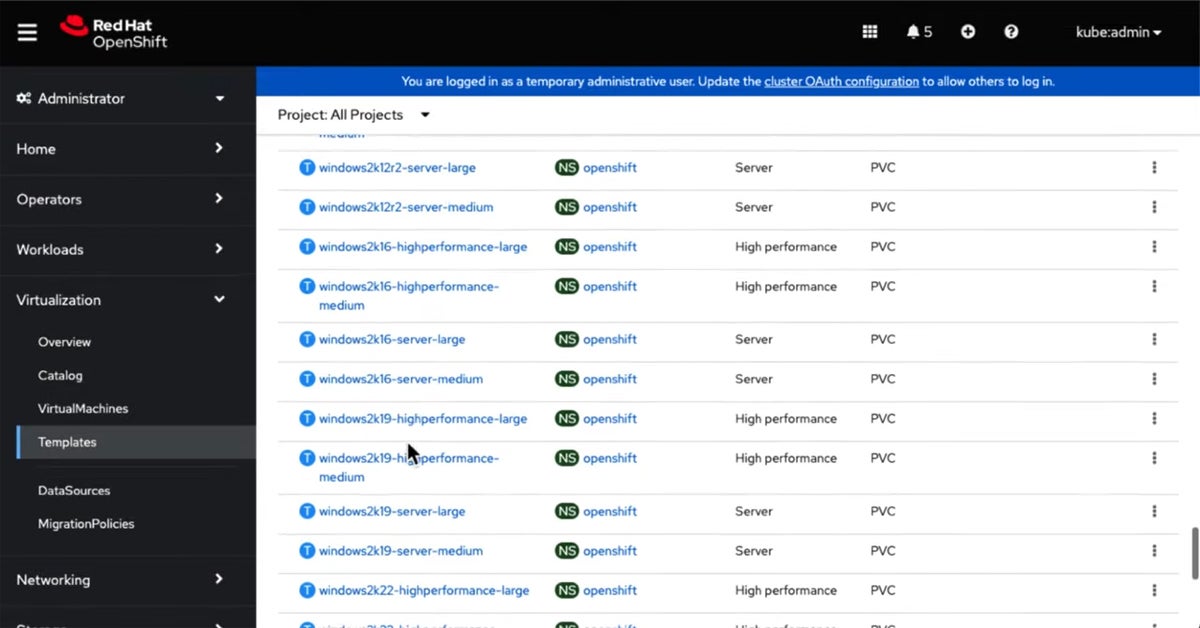
Positioned as the leading overall virtualization solution for modern enterprise environments, Red Hat OpenShift Virtualization merges traditional VM workloads with containerized applications. Built on the robust foundation of KVM, it extends Kubernetes to manage both containers and VMs side-by-side.

- Pros: Facilitates a seamless hybrid cloud approach, offers centralized management for heterogeneous workloads, and supports dynamic scaling.
- Cons: Requires specialized cross-functional knowledge of both container orchestration and traditional VM management; demands substantial resources for large-scale deployments; and remains the primary commercial, non-free offering among leading Linux solutions.
oVirt
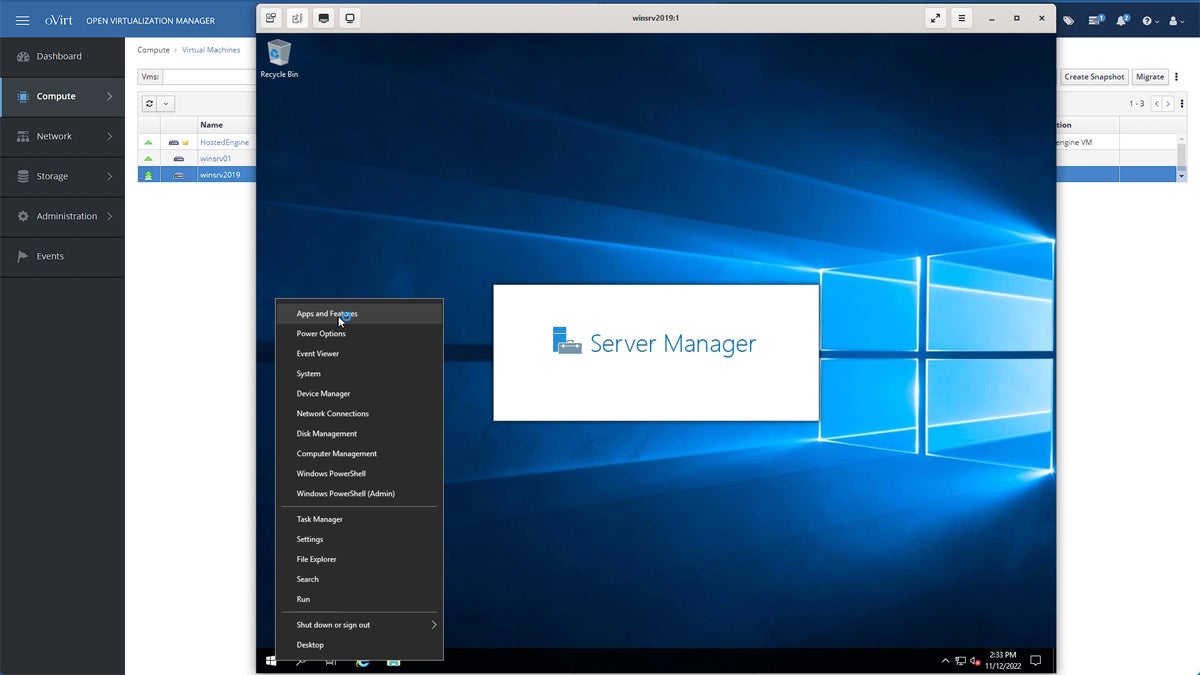
Designed specifically for large-scale virtualized data centers, oVirt is a robust, open-source virtualization management platform. Evolving from its roots in Red Hat Enterprise Virtualization (RHEV), it excels at controlling numerous VMs across diverse hardware pools without proprietary licensing costs.
- Pros: Cost-effective open-source alternative to commercial hypervisors; highly capable of handling dense data center environments; comprehensive centralized management.
- Cons: Steeper configuration and maintenance learning curve for organizations lacking dedicated IT staff; lags behind commercial counterparts in third-party enterprise integrations.
Linux-KVM
As a native module of the Linux kernel, Kernel-based Virtual Machine remains the definitive choice for Linux purists and administrators seeking deeply integrated, high-performance bare-metal virtualization.
- Pros: Exceptional efficiency and stability due to direct kernel integration; leverages modern CPU hardware virtualization features; entirely open-source with global community backing.
- Cons: Optimized strictly for Linux host environments; necessitates advanced command-line proficiency and deep system administration expertise.
QEMU (Quick Emulator)
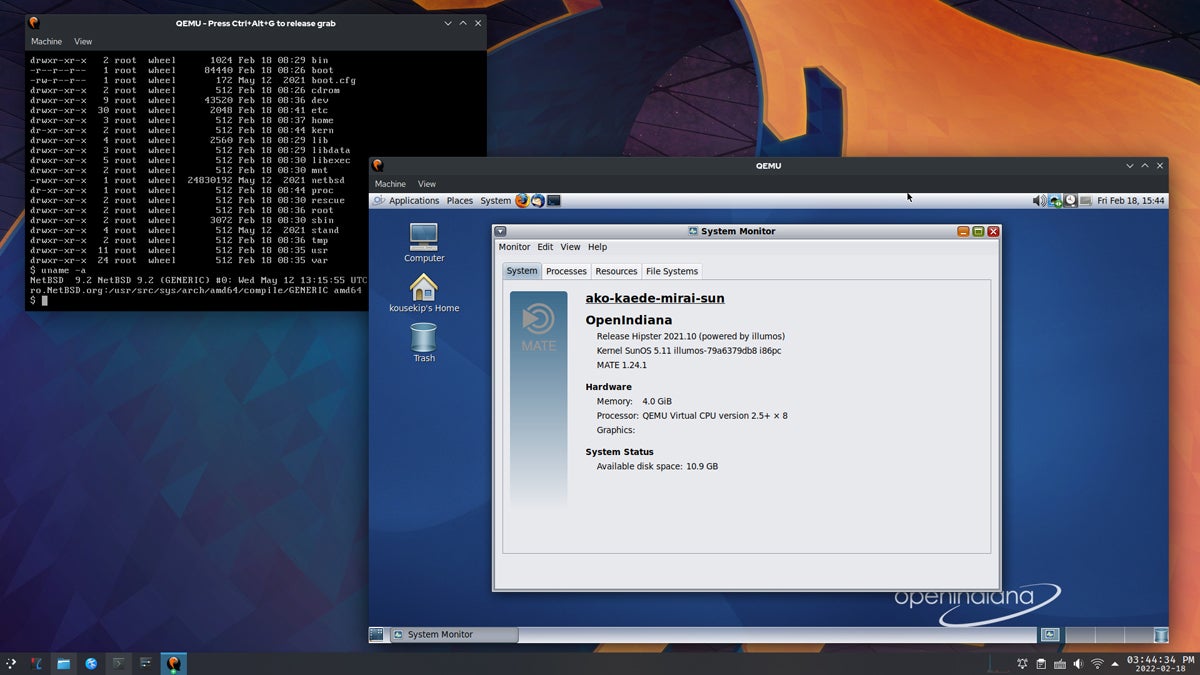
Renowned for its unparalleled hardware emulation capabilities, QEMU allows administrators to run code compiled for one architecture (such as ARM or PowerPC) on an entirely different host architecture (such as x86_64).
- Pros: Versatile cross-platform emulation; capable of simulating diverse CPU architectures independently of host hardware limitations.
- Cons: Configuration complexity for advanced scenarios; pure emulation modes can introduce performance overhead compared to hardware-assisted virtualization.
Xen Project
The Xen Project remains a preferred open-source hypervisor for high-security, multi-tenant cloud environments, celebrated for its efficient paravirtualization architecture.

- Pros: Superior isolation and multi-tenant security architecture; minimal performance overhead via paravirtualization.
- Cons: Steep administrative learning curve; optimized primarily for Unix-like and Linux guest operating systems rather than Windows environments.
VirtualBox
Maintained by Oracle, VirtualBox targets developers and system administrators needing a user-friendly, cross-platform desktop virtualization tool.
- Pros: Broad host OS compatibility (Windows, macOS, Linux, Solaris); highly intuitive graphical interface; free of charge for standard use cases.
- Cons: Less efficient resource management under heavy loads; lacks advanced high-availability features required for mission-critical enterprise data centers.
Key Technical Criteria in Linux Virtualization
Evaluating virtualization software requires a rigorous examination of core technical attributes that dictate operational stability and efficiency.
Performance and Resource Management
Efficient allocation of CPU cores, dynamic memory balancing, and storage input/output (I/O) throttling are vital to prevent resource contention. Enterprise platforms utilize dynamic resource scheduling and load balancing to distribute workloads evenly across physical clusters, ensuring that resource-heavy VMs do not starve neighboring environments.
Security, Isolation, and Compliance
In multi-tenant architectures, absolute separation between virtual machines is non-negotiable. Hypervisors must guarantee that a security breach, kernel panic, or memory leakage within a guest OS remains strictly contained. Advanced platforms integrate hardware-enforced security boundaries, strict firewall controls, and encrypted virtual disk storage to meet compliance mandates.

Scalability and High Availability
As business demands fluctuate, virtual infrastructure must scale elastically. Enterprise-grade virtualization solutions support automated failover mechanisms—migrating VMs to healthy physical hosts in the event of hardware failure—alongside snapshotting and automated backup workflows to minimize downtime and ensure business continuity.
Strategic Implications and Decision Framework
Choosing the optimal virtualization platform depends heavily on an organization’s technical maturity, financial constraints, and strategic infrastructure goals.
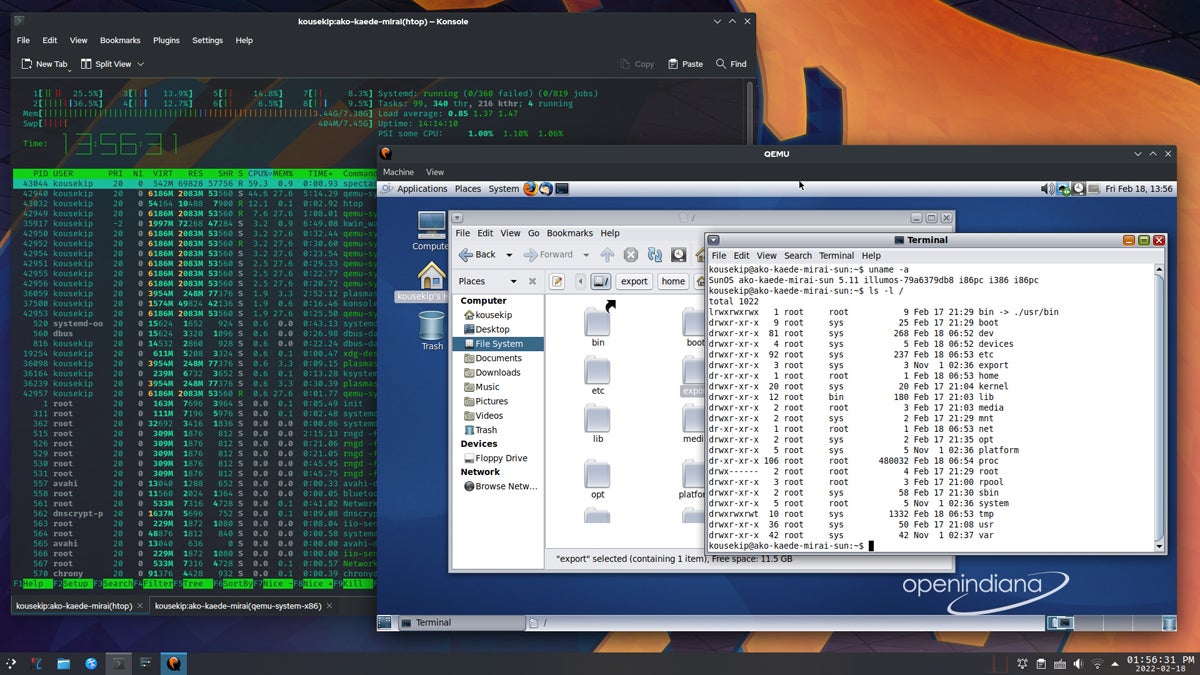
For resource-conscious organizations with deep in-house Linux expertise, open-source solutions like Linux-KVM, QEMU, or oVirt deliver maximum performance and flexibility without recurring licensing overhead. Conversely, enterprises undergoing digital transformation toward cloud-native architectures often find that commercial investments in platforms like Red Hat OpenShift Virtualization pay dividends through unified management planes that bridge legacy VMs and modern microservices.
Ultimately, administrators must conduct comprehensive pilot testing, aligning hypervisor selection with long-term infrastructure roadmaps, hardware compatibility constraints, and organizational security policies to ensure sustained operational resilience.
