
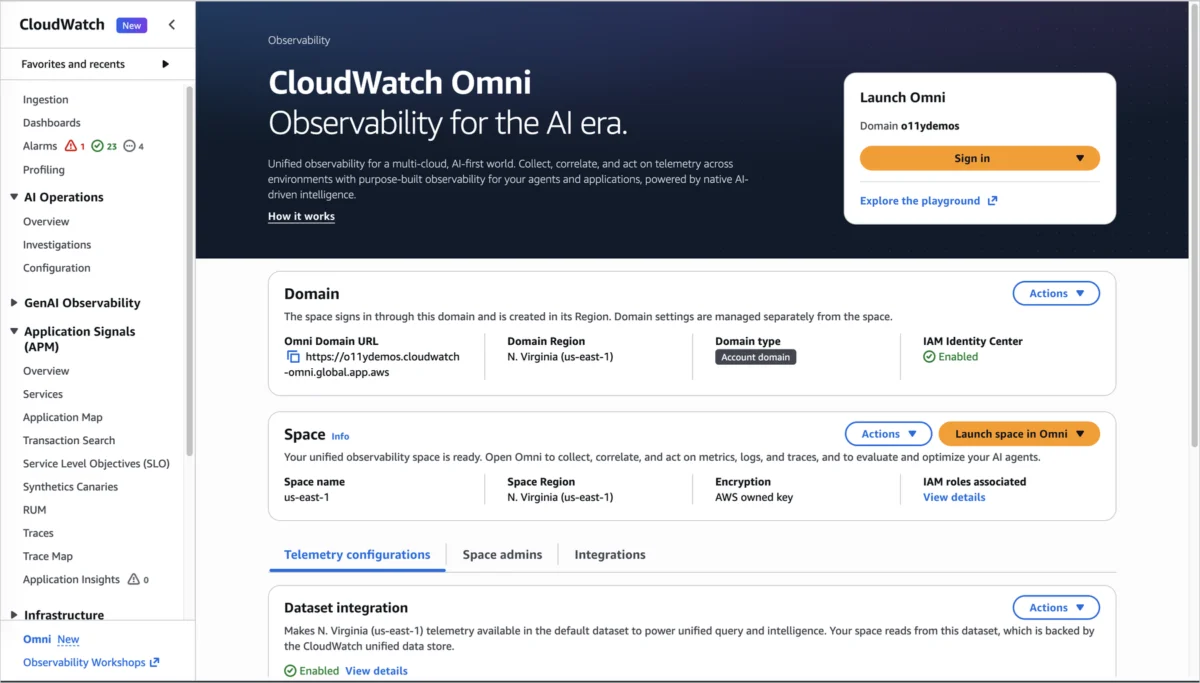

The modern software engineering landscape has grown increasingly complex, shifting away from monolithic architectures toward highly distributed microservices, hybrid cloud infrastructures, and autonomous artificial intelligence agents. As enterprises race to adopt generative AI and complex multi-agent workflows, development and operations teams find themselves inundated with a staggering volume of telemetry data. Traditional monitoring tools, which rely heavily on static dashboards, fragmented log files, and manual metric tuning, often struggle to keep pace with this dynamic operational reality. In response to these escalating industry challenges, Amazon Web Services has officially announced the launch of Amazon CloudWatch Omni, an advanced, AI-powered observability experience designed to unify application monitoring, infrastructure health, and generative AI agent telemetry into a single, collaborative workspace.
Main Facts and Technical Foundation
At its core, Amazon CloudWatch Omni represents a fundamental paradigm shift in how engineering organizations interact with their operational data. Rather than forcing developers, site reliability engineers (SREs), database specialists, and engineering managers to navigate isolated signals across disparate tools, Omni reorganizes observability entirely around the application lifecycle. Built natively on OpenTelemetry—the industry standard for cloud-native telemetry collection—Omni allows organizations to seamlessly ingest pre-existing data streams without requiring extensive reconfigurations. Workloads instrumented with OpenTelemetry automatically route their telemetry data to a designated OpenTelemetry Protocol (OTLP) endpoint, while existing CloudWatch logs, metrics, traces, and alarms integrate instantly upon activation.
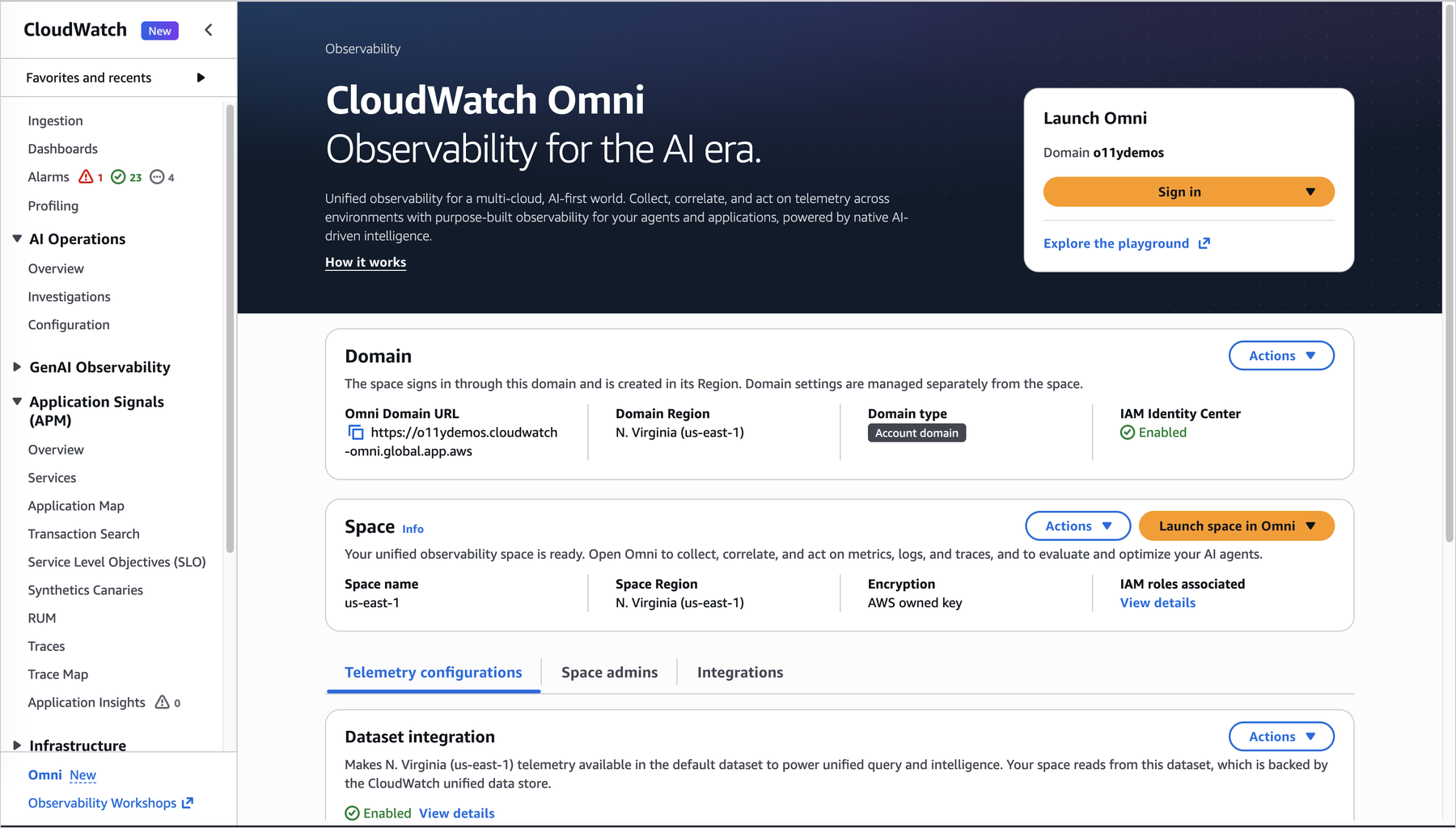
One of the most notable architectural innovations of CloudWatch Omni is its decoupling from the AWS Management Console for everyday operational tasks. Recognizing that cross-functional teams often require broader access during incident response, AWS engineered Omni to be accessible via a dedicated organizational URL. Users authenticate through enterprise single sign-on (SSO) providers integrated via AWS IAM Identity Center, supporting major identity management solutions such as Okta and Microsoft Entra ID. This streamlined access model ensures that security boundaries remain intact while eliminating administrative friction for non-AWS specialists who need visibility during high-stakes troubleshooting sessions.
Background Context and Evolution of Enterprise Observability
To understand the significance of CloudWatch Omni, one must examine the evolution of enterprise monitoring over the past decade. As organizations migrated from physical datacenters to cloud environments, the volume of generated logs and metrics expanded exponentially. Engineers spent countless hours manually constructing dashboards, establishing rigid threshold alerts, and piecing together fragmented timelines after a system failure. When an outage crossed team boundaries—such as a failure originating in a database layer but manifesting as an HTTP 500 error at the checkout gateway—valuable context was frequently lost in unstructured communication channels like Slack threads or isolated screenshot shares.
Furthermore, the recent proliferation of generative AI and autonomous agentic workloads has introduced an entirely new class of observability challenges. Unlike deterministic code paths, AI agents execute dynamic, probabilistic workflows that require specialized tracing, evaluation frameworks, and real-time behavioral monitoring. AWS initially introduced agent-specific observability capabilities in a companion release, laying the groundwork for a unified solution. CloudWatch Omni synthesizes these application and agent observability tracks, providing a comprehensive window into both traditional software architectures and cutting-edge machine learning pipelines.
Chronology and Implementation Workflow
The journey toward CloudWatch Omni’s release reflects years of developer feedback regarding tool fatigue and incident response friction. Engineering teams consistently reported that maintaining static dashboards consumed a disproportionate share of their sprint cycles, diverting valuable engineering talent away from core feature development.

The typical workflow within CloudWatch Omni is structured to minimize mean time to resolution (MTTR) through automated discovery and context preservation. When an incident occurs—such as a sudden spike in error rates within a transactional microservice—Omni immediately instantiates a shared investigation session pre-loaded with relevant contextual data.
In a standard incident lifecycle:
- An automated alarm triggers based on pre-defined service-level objectives (SLOs).
- Omni opens an active investigation workspace, mapping out the affected service topology and highlighting correlated events, such as a recent code deployment ten minutes prior or increased latency from a downstream third-party API.
- The on-call SRE reviews the initial analysis provided by the integrated Amazon DevOps Agent, which correlates telemetry signals and maps root-cause paths across the dependency graph.
- If escalation is required, secondary engineering teams—such as a specialized database or payments group—join the exact same session. They immediately view the cumulative history, agent insights, and trace data without requiring redundant briefings.
- Upon resolution, the entire investigation history is automatically compiled, eliminating the administrative overhead associated with drafting manual post-incident review reports.
Supporting Data and Core Capabilities
CloudWatch Omni directly addresses three primary pain points identified through extensive enterprise customer research: collaborative silos, rigid manual dashboard maintenance, and reactive incident management.
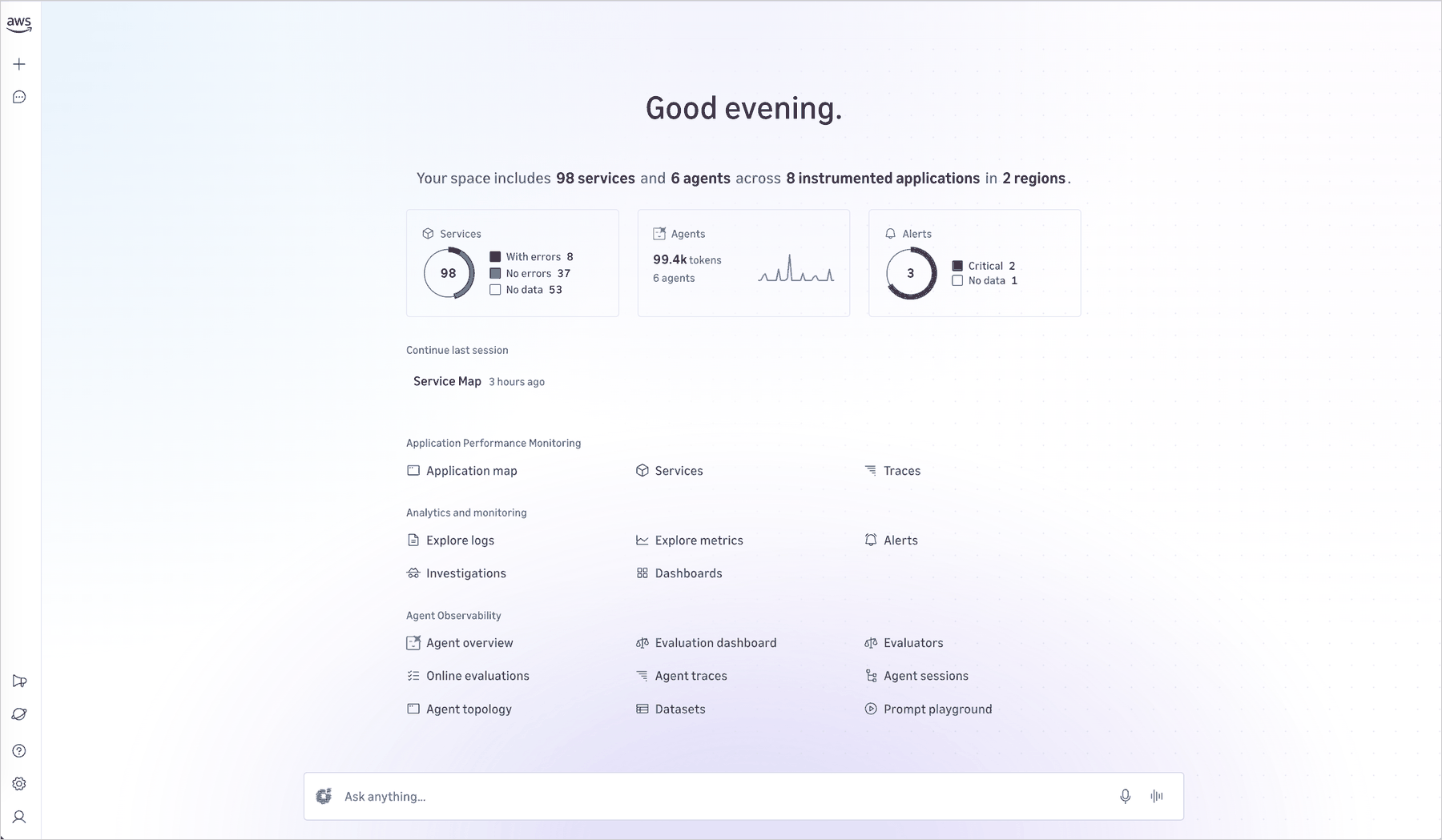
Collaborative Workspaces: By centralizing telemetry inside dedicated organizational "Spaces," Omni ensures that all stakeholders view the exact same data during an outage. This single source of truth prevents conflicting assumptions between development and operations teams, accelerating consensus and remediation.
Adaptive Topology Mapping: Omni continuously discovers connected services and maps their dependencies using telemetry data alongside AWS Config resource discovery. Rather than manually updating dashboards when new microservices are deployed, engineering teams declare high-level operational targets—such as availability thresholds and latency budgets—allowing the system to adapt dynamically to architectural changes.
AI-Powered Investigation via Amazon DevOps Agent: The integration of the Amazon DevOps Agent serves as a force multiplier for engineering organizations. Operating directly on the same telemetry streams visible to human operators, the DevOps Agent analyzes complex traces, identifies anomalous correlations, and suggests actionable remediation strategies. This proactive assistance transforms observability from a passive monitoring mechanism into an active participant in system reliability.
Industry Reactions and Expert Analysis
While AWS has not published direct quotes from third-party enterprise clients in its initial launch materials, industry analysts and cloud architecture experts have widely noted the strategic importance of this release. As multi-cloud and hybrid deployments become standard operating procedure, enterprise IT leaders have increasingly prioritized vendor-agnostic ingestion standards like OpenTelemetry. By anchoring Omni in OpenTelemetry and OTLP endpoints, AWS demonstrates a pragmatic alignment with open-source engineering standards, easing the transition for companies operating in heterogeneous environments.
Furthermore, market analysts emphasize that the integration of generative AI into operational tooling is no longer optional. With the rise of autonomous software agents handling complex business logic, the ability to trace agent decision-making paths alongside traditional database and network latency metrics represents a critical competitive advantage for modern cloud providers.
Broader Impact and Strategic Implications for Enterprise IT
The introduction of Amazon CloudWatch Omni signals a maturation in how cloud vendors approach software monitoring. By shifting the focus from infrastructure components to holistic application health, AWS is helping organizations bridge the psychological and operational gap between software development and IT operations—often referred to as DevOps synergy.
The elimination of AWS Management Console dependencies for standard troubleshooting workflows also broadens the accessibility of critical operational data. Product managers, data scientists, and QA engineers can now participate meaningfully in performance evaluations and incident reviews, fostering a deeply ingrained culture of shared accountability for system reliability. Moreover, the emphasis on automated documentation and audit trails simplifies compliance reporting and regulatory governance for financial, healthcare, and enterprise institutions.
Getting Started and Deployment Pathways
Adopting CloudWatch Omni is structured to minimize friction for both established AWS users and organizations leveraging external environments.
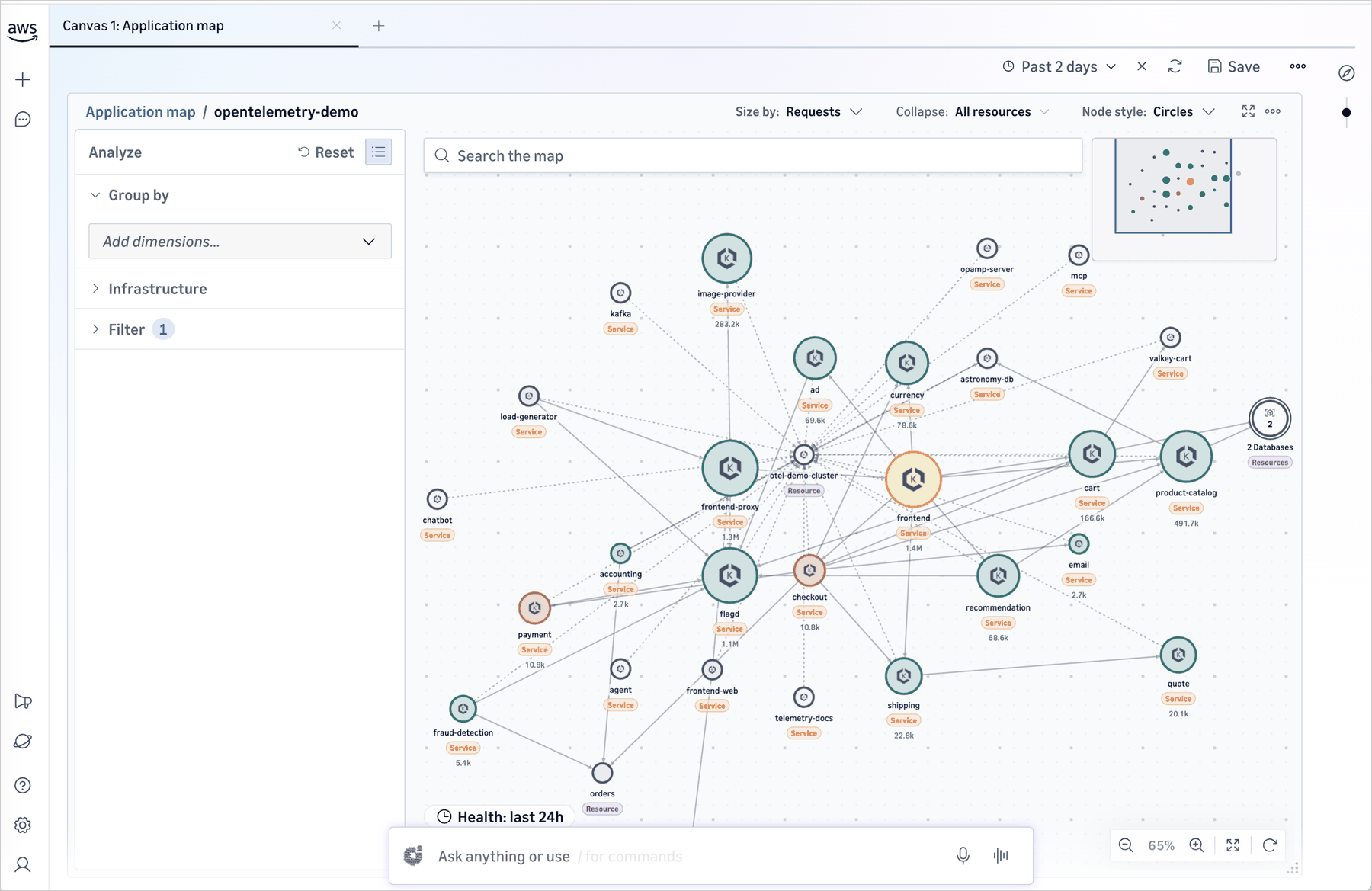
Existing CloudWatch Customers: Current users can activate the service directly from the CloudWatch console by selecting the dedicated setup option. Because Omni indexes existing logs, metrics, traces, and alarms without requiring data migration or re-architecture, historical data remains instantly accessible.
Organization-Wide Deployment: System administrators can configure a custom domain, establish enterprise authentication via IAM Identity Center (supporting SAML 2.0 identity providers such as Okta and Microsoft Entra ID), and provision customized "Spaces" tailored to specific engineering teams or software environments.
External Workloads and Multi-Cloud Integration: Organizations operating beyond the boundaries of AWS can utilize dedicated connectors to ingest telemetry from hybrid or multi-cloud environments, ensuring that all operational signals converge within a unified analytical workspace.
Generative AI and Agentic Integration: Teams deploying specialized machine learning models can simultaneously leverage Omni’s purpose-built agent observability framework, enabling comprehensive trace exploration and evaluation for complex generative AI pipelines.
Pricing, Availability, and Future Outlook
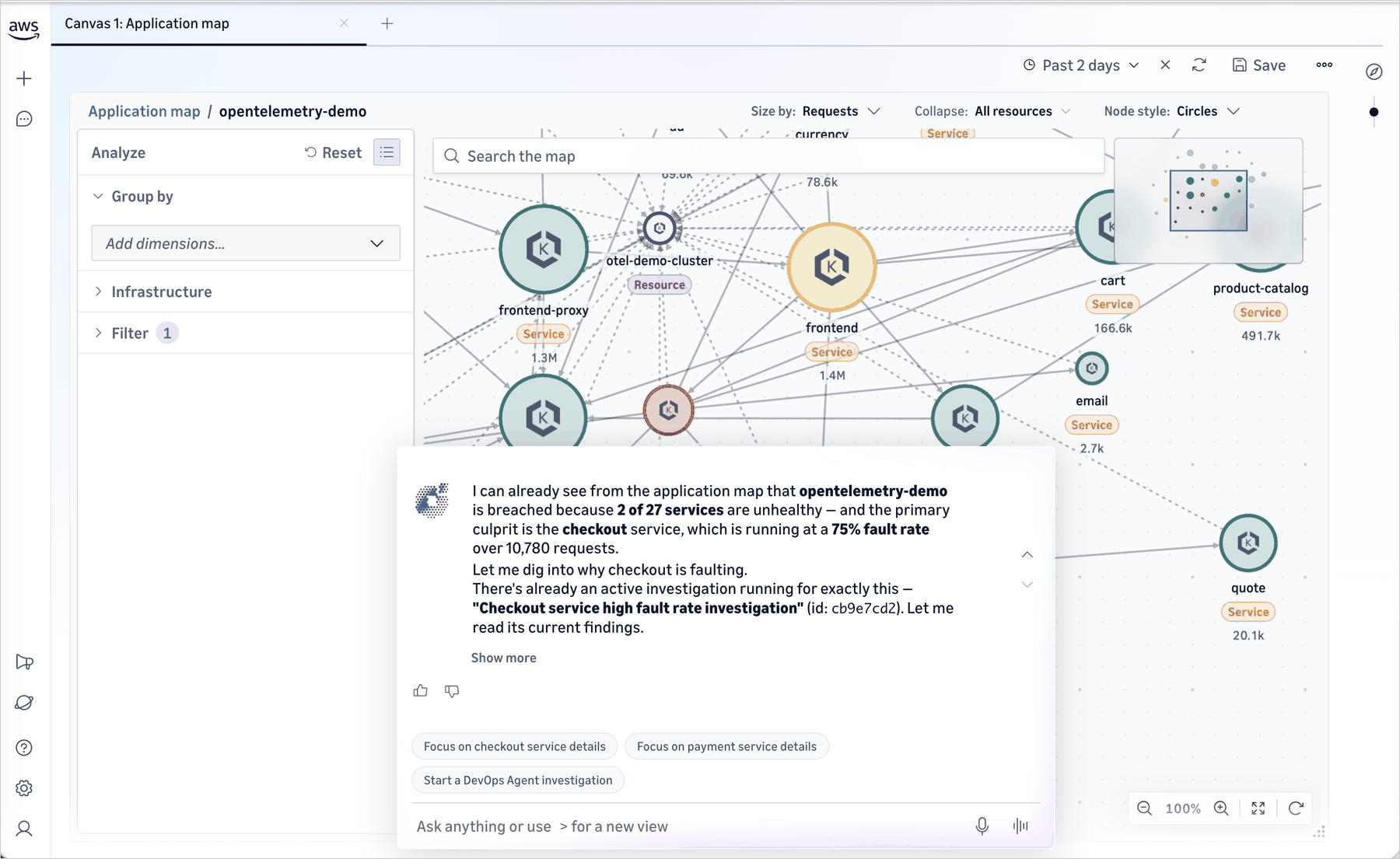
Amazon CloudWatch Omni is generally available immediately. Existing customers can initiate trials directly through the Amazon CloudWatch console, while detailed pricing structures are accessible via the official Amazon CloudWatch pricing documentation.
As enterprises continue to navigate the complexities of distributed computing and autonomous agent deployment, tools like CloudWatch Omni illustrate the future trajectory of software engineering management: automated, collaborative, AI-augmented, and anchored firmly in open standards. Organizations seeking further technical documentation, API references, or regional availability details can consult the AWS documentation portal or utilize the AWS MCP Server and associated plugins for AI-assisted workflow integration. Feedback and community discussions remain active across the AWS re:Post network and dedicated enterprise support channels.
