
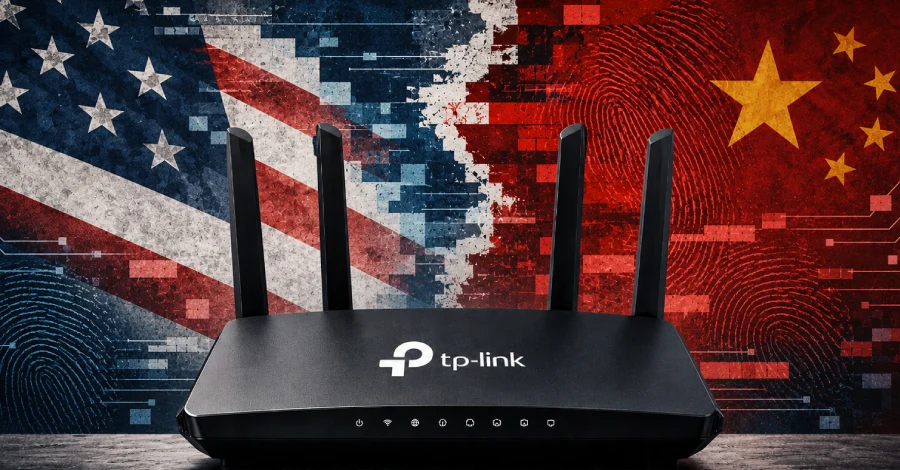

The legal landscape for Irvine, California-based router manufacturer TP-Link Systems has shifted dramatically following a coordinated surge of litigation from five U.S. states. As of October 6, attorneys general from Florida, Iowa, Montana, and Nebraska have joined Texas in filing lawsuits against the company, alleging that the firm engaged in deceptive trade practices by misrepresenting the security capabilities of its networking equipment and obscuring the nature of its corporate relationship with Chinese entities. While TP-Link has steadfastly denied these allegations, characterizing the lawsuits as a politically motivated effort to penalize a U.S.-based company, the legal actions have cast a long shadow over the manufacturer’s market position and its ongoing efforts to gain federal authorization for new hardware.
The core of the litigation centers on three primary accusations: that TP-Link marketed "all-encompassing" security that failed to prevent significant breaches, that the company overstated its independence from its former Chinese parent, and that it failed to adequately disclose the risks posed by Chinese intelligence laws to data collected by its consumer-facing applications. These state-level actions are part of a broader, increasingly volatile debate in Washington regarding the supply chain security of consumer electronics and the potential for foreign state-sponsored cyberespionage through ubiquitous networking infrastructure.
A Chronology of Escalation
The friction between state regulators and TP-Link did not emerge overnight; it represents the culmination of years of scrutiny regarding the origin and security integrity of home networking gear.
The timeline of the current conflict can be traced through several key milestones:
- February 2026: Texas Attorney General Ken Paxton initiates the first major legal salvo, filing a lawsuit that alleges TP-Link’s practices effectively allow Chinese state access to American devices.
- March 2026: The Federal Communications Commission (FCC) implements strict new rules barring the authorization of new foreign-made routers unless they receive "Conditional Approval" from federal security agencies.
- June 2026: The U.S. Department of Defense formally lists the Chinese entity TP-Link Technologies as a "Chinese military company," a designation that fuels state-level concerns regarding the American subsidiary’s historical and operational ties to the same corporate umbrella.
- August 2026: TP-Link discloses five critical security vulnerabilities affecting 65 distinct product models, sparking further alarm among regulators.
- October 6, 2026: A multi-state coalition—Florida, Iowa, Montana, and Nebraska—files parallel lawsuits against the company.
- October 7, 2026: A group of 21 state attorneys general petitions the FCC to scrutinize TP-Link’s pending applications for new router models, citing the ongoing litigation and national security concerns.
- October 8, 2026: Cybersecurity firm SEC Consult publishes technical details of the five critical vulnerabilities previously disclosed by TP-Link, confirming the potential for unauthenticated remote code execution.
The Allegations: Security and Corporate Structure
The complaints filed by the states rely heavily on consumer protection statutes. A recurring theme in the filings from Florida, Montana, and Nebraska is the discrepancy between TP-Link’s marketing claims and the reality of their product lifecycles. For instance, the company’s "HomeShield" service was marketed as providing comprehensive security coverage; however, the plaintiffs argue that the company failed to provide critical security patches for legacy devices, such as the Archer AX21, which was declared "end of life" by the company in May 2024. By ceasing support for devices that remain in active use, regulators argue the company left users vulnerable to exploitation.

Furthermore, the suits take issue with the company’s assertion that a 2024 corporate restructuring created an "entirely different" entity from TP-Link Technologies. The states point to an April 2025 report from Bloomberg News, which indicated that the two companies collectively maintained a workforce of approximately 11,000 in China. Additionally, the complaints allege that while TP-Link emphasizes its production in Vietnam, the value of the components sourced within Vietnam is negligible—often cited as low as 0.5%—with the vast majority of the supply chain remaining tethered to China.
Regarding data privacy, the plaintiffs highlight the company’s ecosystem of applications, including Tether, Tapo, Deco, and Kasa Smart. Because these apps collect sensitive information such as email addresses, location data, and unique device identifiers, the states argue that the company is failing its duty to warn consumers about the reach of the 2017 Chinese National Intelligence Law, which could theoretically compel the company to surrender such data to Chinese authorities.
Technical Vulnerabilities and the ISP Supply Chain
A significant point of contention involves the "Agnit" line of devices, which are frequently provided to customers directly by Internet Service Providers (ISPs). The discovery of five critical vulnerabilities—CVE-2025-30237 through CVE-2025-30241—has provided the states with tangible evidence of what they term "persistent security failures."
According to research from SEC Consult, these flaws allow an unauthenticated attacker on the same network to gain "root" level access to the router. The most severe of these, CVE-2025-30237, permits an attacker to bypass authentication entirely to perform administrative tasks. While TP-Link has released firmware updates to address these issues, the logistical reality of ISP-managed hardware complicates the remediation process. In many instances, the firmware for ISP-branded units is not available to the general public, forcing consumers to rely on their ISP to push the updates. This creates a dangerous "patch gap," where consumers are unaware of the vulnerability and unable to take corrective action themselves.
Official Responses and the Defense
TP-Link has mounted a vigorous defense against these claims. In a statement issued by corporate affairs officer Steve Kovsky, the company categorically rejected the premise of the lawsuits. "The coordinated lawsuits are built on false premises," the statement read, asserting that the company has provided extensive documentation to state regulators proving that its U.S.-marketed devices are manufactured in Vietnam and that it operates as a fully independent U.S. entity.
TP-Link emphasizes that it has no legal or operational obligation to share customer data with foreign governments. Regarding the state-sponsored hacking campaigns mentioned in the complaints, the company has consistently argued that its routers are no more susceptible to botnet activity than any other brand of networking equipment, pointing to the widespread nature of such threats across the entire industry.

Broader Implications for the Tech Industry
The legal and regulatory pressure on TP-Link signals a permanent shift in how the U.S. government and state-level actors view consumer networking hardware. As the line between "consumer electronics" and "critical infrastructure" blurs, manufacturers are being held to a higher standard of transparency regarding their supply chains and data handling practices.
The implications of this litigation are twofold. First, it establishes a precedent for state attorneys general to act as "de facto" national security regulators. By leveraging consumer protection laws to address concerns typically reserved for federal intelligence agencies, states like Nebraska and Florida are forcing a national conversation on the vetting of foreign-affiliated technology.
Second, the case places the FCC in a difficult position. With 21 states calling for increased scrutiny, the agency must decide whether to grant "Conditional Approval" to TP-Link’s future product lines. Denying these requests would effectively signal a market exit for a major player in the home router space, while approving them could lead to further political friction with state legislatures.
As the litigation proceeds, the tech industry is watching closely. The outcome of these cases will likely influence how global hardware manufacturers structure their U.S. operations, manage their supply chains, and communicate the inherent risks of connected technology to a public that is increasingly wary of the digital components inside their homes. For now, the legal battle remains in its infancy, but the issues it has brought to the forefront—corporate transparency, supply chain integrity, and the intersection of consumer privacy with international geopolitics—are poised to dominate the regulatory agenda for the foreseeable future.
