
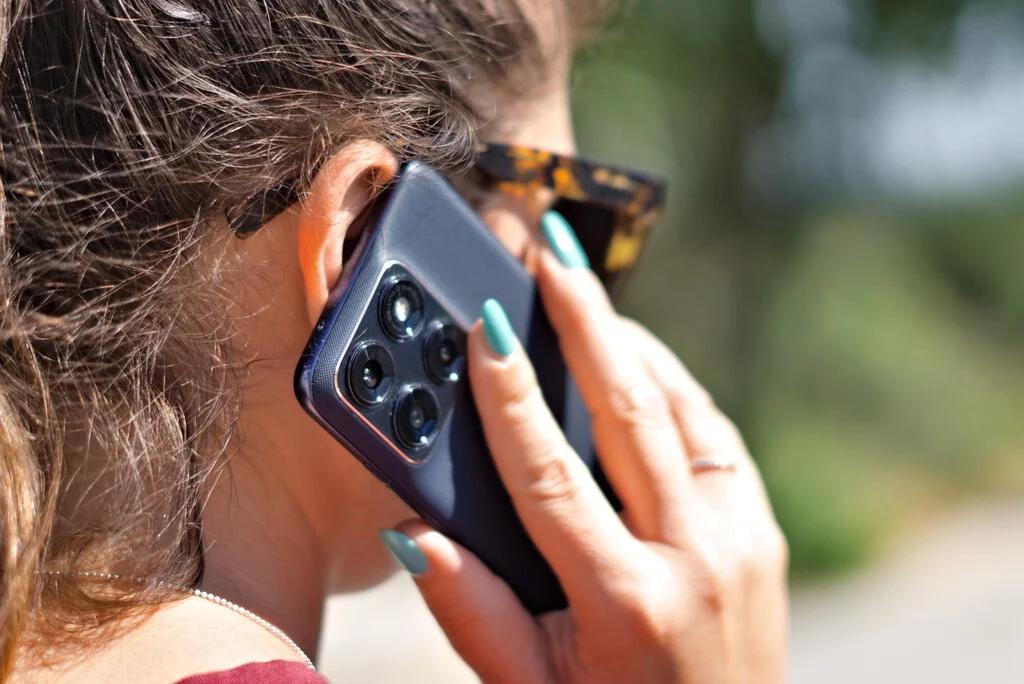

The mobile phone was conceived as a revolutionary instrument for voice communication, yet two decades into the smartphone era, the act of a phone ringing has shifted from a source of curiosity to a catalyst for anxiety. While the device remains a central pillar of modern existence, its primary function—the synchronous voice call—has undergone a radical decline, displaced by the asynchronous convenience of instant messaging, social media, and digital platforms. This transformation is not merely a preference for texting; it is a profound cultural shift in how society manages personal attention, privacy, and digital boundaries.
The Evolution of Connectivity: From Curiosity to Avoidance
In the early years of cellular telephony, a ringing phone was an event. It suggested connection, opportunity, and the thrill of being reachable regardless of physical location. During the 1990s and early 2000s, the "mobile" aspect of the phone was its greatest selling point. However, as the device evolved into a pocket-sized computer, the nature of the interruption changed.
The transition from the feature-phone era to the smartphone era, accelerated by the launch of the iPhone in 2007 and the subsequent proliferation of high-speed mobile internet, fundamentally altered user behavior. By 2015, data from the Spanish National Commission on Markets and Competition (CNMC) and global telecom regulators began to show a clear divergence: voice traffic was plateauing or declining, while data usage—driven by apps like WhatsApp, Telegram, and Messenger—was growing exponentially.
This shift reached a critical mass by the early 2020s. Today, the smartphone is rarely used as a phone in the traditional sense. It is an information hub, a camera, a gaming console, and a communication portal, but the "call" function is increasingly treated as an intrusive legacy feature.
Generation Mute: A Generational Divide
The phenomenon is most pronounced among younger cohorts, specifically those aged 16 to 24, who have been dubbed "Generation Mute" by telecommunications regulators. This demographic has grown up in an environment where communication is almost exclusively mediated by screens and text-based interfaces.
Recent research conducted by Ofcom, the UK’s communications regulator, provides empirical weight to this label. Their analysis indicates that fewer than 15% of young people view voice calling as their primary mode of interaction, with over 70% stating a clear preference for text-based messaging. The reasons cited are practical rather than merely social: text allows for a buffer. It provides the recipient with the agency to control the tempo of the conversation, the ability to edit thoughts before sending, and the freedom to respond when the context is appropriate.
For these individuals, a cold call—a call made without prior notice—is perceived as a violation of personal space. A survey published in 2024 further underscores this, revealing that roughly 25% of individuals between 18 and 34 years of age refuse to answer calls from unknown numbers entirely, often waiting for a text message to provide context before deciding whether to engage.

The Erosion of Trust: The Impact of Spam and Fraud
The cultural rejection of voice calls is not solely a matter of preference; it is also a rational response to a hostile digital environment. The rise of automated telemarketing, fraudulent phishing attempts, and "ping calls" (where bots call a number only to disconnect immediately to verify if a line is active) has decimated the presumption of innocence that once accompanied a ringing phone.
According to data from the CNMC and various cybersecurity monitoring agencies, billions of unsolicited calls are made annually globally. This saturation has turned the phone into a vector for harassment rather than connection. When a user sees an unrecognized number, the default assumption is no longer "a friend is calling," but rather "this is a scam." This constant state of vigilance has led to "telephobia," where the vibration or ring of a phone is associated with stress, urgent bad news, or potential financial loss.
Psychological Implications: The "Bad News" Bias
The psychological toll of this constant exposure to unsolicited contact cannot be understated. A study conducted by Uswitch, a comparison service, found that more than 50% of young adults associate an unexpected phone call with negative outcomes—medical emergencies, job losses, or urgent family crises. Because social, lighthearted, or casual communication has migrated to audio messages and video chats, the traditional phone call has lost its role as a medium for positive social interaction. It has become a medium reserved for the "urgent and the unpleasant."
Industry Response: Filtering as the New Standard
The telecommunications industry, recognizing that the "voice" component of their service is becoming a liability, has begun to pivot. Manufacturers like Google and Apple have integrated sophisticated call-filtering tools. For instance, Google’s "Call Screen" feature allows an AI assistant to answer a call on behalf of the user, transcribe the caller’s intent, and present the text on the screen before the user decides to pick up.

This represents a paradigm shift: the most advanced innovation in telephony today is not the quality of the voice transmission, but the ability to block it. Carriers are also under increasing pressure from regulators to implement STIR/SHAKEN protocols and other authentication technologies to combat caller ID spoofing, which has been the primary vehicle for the spam plague. However, these technological fixes are lagging behind the behavioral shift. The damage to the "calling experience" is deep-seated, and trust in the medium is at an all-time low.
The Future of Human-to-Human Communication
The decline of the traditional voice call signifies a broader shift toward "asynchronous intimacy." Humans have not stopped wanting to communicate; they have simply stopped wanting to be interrupted. The rise of voice notes is perhaps the best evidence of this synthesis: users get the benefit of the human voice and emotional inflection, but they maintain the control and convenience of an asynchronous text message.
As we look toward the next decade of communication, it is likely that the traditional "phone call" will remain a niche utility, reserved for formal business negotiations or intimate, planned interactions. The "always-on" availability that the mobile phone once promised has been reinterpreted as a right to be "off." In a world of perpetual connectivity, the ability to ignore a call—and the technological tools that facilitate that ignoring—has become the ultimate luxury.
Ultimately, the paradox of modern telecommunications is clear: we carry the most powerful communication devices in human history in our pockets, yet we use them primarily to avoid speaking to one another. The mobile revolution has succeeded so thoroughly that it has, in many ways, rendered the original purpose of the mobile phone obsolete. We have entered an era where silence is not the absence of communication, but a preferred form of it.
