
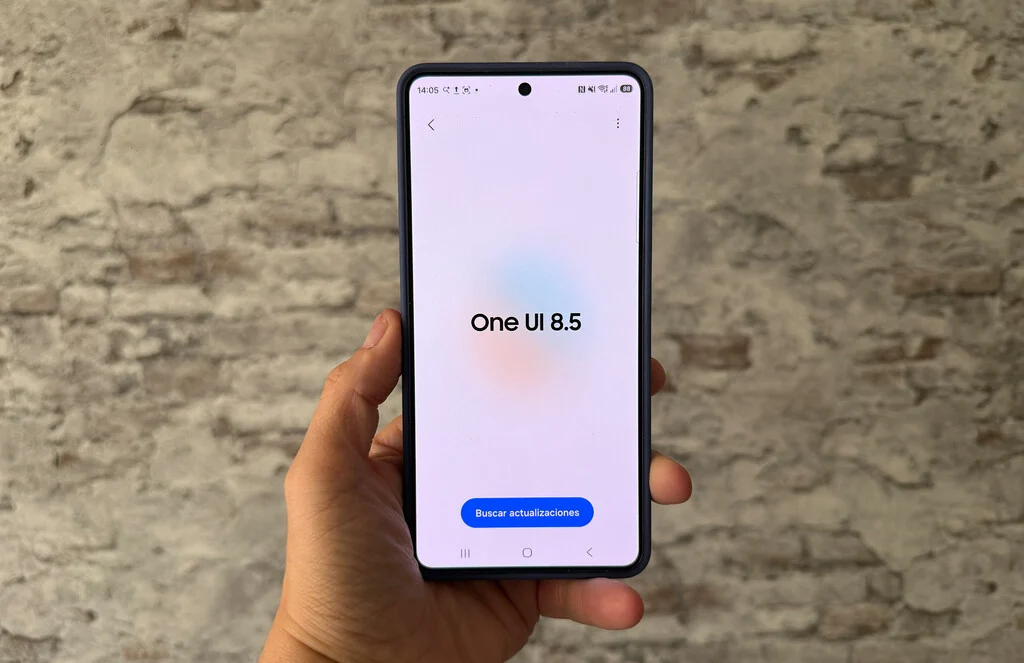

Samsung has commenced the phased deployment of its crucial July 2024 security update, a vital release designed to fortify the security posture of its extensive fleet of Galaxy smartphones. This latest update, which notably addresses a comprehensive set of 51 vulnerabilities and critical bugs, first made its appearance on Galaxy Watch devices before transitioning to the smartphone ecosystem. The initial rollout for handsets has begun in Samsung’s home market of South Korea, targeting its flagship Galaxy S26 and Galaxy S25 series, signaling the imminent global availability of these essential security enhancements.
The Imperative of Timely Security Patches in a Connected World
In an era defined by persistent cyber threats and an ever-evolving landscape of digital vulnerabilities, the regular issuance of security updates stands as a cornerstone of device integrity and user protection. Each month, tech giants like Samsung and Google collaborate to identify, analyze, and patch security flaws that could otherwise be exploited by malicious actors. These vulnerabilities range in severity from minor glitches to critical exposures that could lead to unauthorized data access, remote code execution, or even complete device compromise.
The July 2024 update, with its impressive count of 51 corrections, underscores the continuous vigilance required to maintain robust digital defenses. These patches typically encompass a dual focus: addressing vulnerabilities discovered within the core Android operating system (which Google details in its monthly Android Security Bulletin) and rectifying specific issues pertinent to Samsung’s proprietary software, user interface (One UI), and hardware components. This layered approach ensures comprehensive protection across the entire device stack, from the foundational kernel to the user-facing applications.
Failing to apply these security updates can leave devices susceptible to a myriad of risks. Outdated software acts as an open invitation for hackers, potentially exposing sensitive personal information, banking details, communication logs, and other critical data. Furthermore, unpatched devices can be co-opted into botnets, used for spreading malware, or suffer performance degradation and system instability. For Samsung, a global leader in smartphone manufacturing with hundreds of millions of active devices, the commitment to swift and consistent security updates is not merely a technical necessity but a fundamental pillar of its brand reputation and user trust.
Chronology of the July 2024 Rollout: Watches First, Then Phones
The rollout of Samsung’s monthly security updates typically follows a predictable, multi-stage process designed to ensure stability and address any unforeseen issues before wider distribution. This month, however, presented a slight deviation from the usual pattern, with Galaxy Watch devices receiving the update ahead of their smartphone counterparts. This prioritization for wearables highlights the increasing interconnectedness of Samsung’s device ecosystem and the recognition that all connected devices, regardless of form factor, require robust security.
Days prior to the smartphone deployment, reports emerged confirming that the July 2024 security patch had begun reaching various models within the Galaxy Watch lineup. This initial phase allowed Samsung to monitor the update’s performance on a different segment of its product portfolio, potentially streamlining the subsequent smartphone rollout.
Following this preliminary phase, the focus has now squarely shifted to smartphones. As is customary, the deployment commenced in South Korea, Samsung’s domestic market, which often serves as the initial testbed for major software releases. The first beneficiaries of the July update are the latest flagship series:
- Galaxy S26, Galaxy S26+, and Galaxy S26 Ultra: These cutting-edge models are receiving the update under the version number S94xNKSS4AZG3. The package size for these devices is approximately 553 MB, though minor variations can occur depending on the specific carrier or region.
- Galaxy S25, Galaxy S25+, and Galaxy S25 Ultra: The preceding generation of flagships is also among the first to receive the patch, identified by the version number S93xNKSSBCZG3. This update package is similarly substantial, weighing in at around 560 MB.
This initial rollout to the most recent flagship devices is a standard practice, ensuring that Samsung’s premium users receive the latest security enhancements promptly. Over the coming days and weeks, users in other geographical regions—including Europe, North America, and other parts of Asia—can expect to see notifications for the July 2024 update appear on their eligible Galaxy smartphones. The global distribution is a complex logistical undertaking, often staggered by country, carrier, and device model, to manage server load and provide localized support if necessary.
Dissecting the 51 Vulnerabilities: A Shield Against Diverse Threats
While Samsung and Google typically refrain from detailing every single vulnerability addressed in a monthly security patch for obvious security reasons, the sheer number – 51 corrections – indicates a significant effort to bolster device defenses. These vulnerabilities generally fall into several broad categories, each posing distinct risks:
- Remote Code Execution (RCE) Vulnerabilities: These are among the most critical flaws, allowing an attacker to execute arbitrary code on a user’s device from a remote location. This could lead to complete control over the device without physical access.
- Privilege Escalation Vulnerabilities: These flaws enable a malicious application or an attacker with limited access to gain higher-level permissions than intended, potentially allowing them to access sensitive system functions or data.
- Information Disclosure Vulnerabilities: Such weaknesses could allow attackers to access or retrieve sensitive user data (e.g., passwords, personal files, location data) that should otherwise be protected.
- Denial-of-Service (DoS) Vulnerabilities: Exploiting these can cause a device or specific services to become unresponsive or crash, disrupting normal operation.
- Input Validation and Memory Corruption Issues: Common in software, these can lead to unpredictable behavior, crashes, or, in severe cases, be exploited for code execution.
- Vulnerabilities in Vendor Components: Modern smartphones rely on a complex interplay of hardware and software components from various third-party vendors. Patches often include fixes for vulnerabilities identified in these external components, which Samsung integrates into its firmware.
- Samsung-Specific Vulnerabilities: Beyond the core Android OS, Samsung develops its own custom software layers (One UI), pre-installed applications, and hardware drivers. The 51 corrections include fixes for flaws discovered specifically within these proprietary elements, ensuring the unique aspects of Galaxy devices are equally secured.
Each of these patches acts as a vital layer of defense, closing potential backdoors that could be exploited by increasingly sophisticated cyberattacks. The diligent patching process, a collaborative effort between Google’s Android security team and Samsung’s own security researchers, is instrumental in maintaining the integrity and trustworthiness of the Android ecosystem.
Samsung’s Enduring Commitment to Software Support and Device Longevity
Samsung has distinguished itself in the Android market through its robust commitment to long-term software support, a policy that significantly enhances device longevity and user value. While the industry average for Android updates has historically varied, Samsung has consistently pushed the boundaries, particularly for its flagship and upper mid-range devices.
For its latest flagship series, such as the Galaxy S24 lineup, Samsung has pledged an unprecedented seven years of major Android operating system updates and security patches. Even for previous generations and a wide array of other Galaxy devices, the company typically provides at least four years of OS updates and five years of security updates. This commitment stands in stark contrast to many other Android manufacturers and directly addresses one of the long-standing criticisms of the Android ecosystem: fragmentation and inconsistent updates.
This extended support policy has several profound implications:
- Enhanced Security: Longer security update cycles mean devices remain protected against emerging threats for a greater duration, reducing the risk of obsolescence due to security vulnerabilities.
- Increased User Trust: Consumers are more likely to invest in devices from a brand that demonstrates a clear commitment to their long-term security and functionality.
- Improved Resale Value: Devices that continue to receive updates generally retain a higher resale value, benefiting consumers in the long run.
- Sustainability: Extending the usable lifespan of devices reduces electronic waste and promotes a more sustainable consumption model.
The monthly delivery of updates like the July 2024 patch is a tangible manifestation of this overarching commitment. It reassures users that their investment in a Samsung Galaxy device is protected not just at the point of purchase, but throughout its extended lifecycle.
User Action: How to Secure Your Galaxy Device
For Galaxy users awaiting the July 2024 security update, proactive engagement is key. While many devices are configured to download and install updates automatically, it is always advisable to periodically check for availability, especially if you reside outside of the initial rollout regions.

Here’s a simple, step-by-step guide to check for and install the update on your Samsung Galaxy smartphone:
- Open Settings: Navigate to the ‘Settings’ application on your device, usually represented by a gear icon.
- Scroll to Software Update: Scroll down the settings menu until you find the ‘Software Update’ option. Tap on it.
- Check for Updates: Tap on ‘Download and install’ or ‘Check for updates’ (the wording may vary slightly depending on your One UI version).
- Initiate Download and Installation: If the July 2024 update is available for your device, you will see a notification detailing the update’s contents and size. Tap ‘Download’ to begin the download process.
- Install and Restart: Once the download is complete, you will be prompted to ‘Install now’ or ‘Schedule install’. It is recommended to install immediately. Your device will then restart to apply the updates. This process typically takes several minutes, during which your device will be temporarily unusable.
Important Considerations Before Updating:
- Wi-Fi Connection: Ensure your device is connected to a stable Wi-Fi network to avoid incurring mobile data charges, especially given the update’s substantial file size (over 500 MB).
- Battery Level: It is advisable to have at least 50% battery charge before initiating an update, or preferably, connect your device to a charger to prevent power loss during the installation process, which could lead to complications.
- Backup (Optional but Recommended): While software updates are generally safe, it is always a good practice to back up important data to Samsung Cloud, Google Drive, or a local storage device before any major software change.
By following these simple steps, users can ensure their Galaxy devices are equipped with the latest security protections, safeguarding their personal data and maintaining optimal device performance.
Broader Implications and the Future of Mobile Security
The consistent and timely delivery of security updates like the July 2024 patch has broader implications for the mobile technology landscape. For Samsung, it reinforces its position as a leader in Android device security, a crucial differentiator in a highly competitive market. This commitment not only attracts new customers but also fosters loyalty among existing users who value the peace of mind that comes with a well-supported device.
From an industry perspective, Samsung’s efforts contribute to elevating the overall security standards of the Android ecosystem. When a major player like Samsung sets a high bar for update frequency and longevity, it often encourages other manufacturers to follow suit, leading to a more secure environment for all Android users.
Looking ahead, the battle against cyber threats is an ongoing one. As technology evolves, so do the methods of attack. Therefore, the continuous vigilance, research, and rapid deployment of patches will remain paramount. Samsung’s dedication to its monthly security updates is a testament to this understanding, positioning the company and its users at the forefront of mobile security resilience. As the July 2024 update makes its way to Galaxy devices worldwide, it serves as a powerful reminder of the unseen yet critical work that goes into keeping our digital lives safe and secure.
