
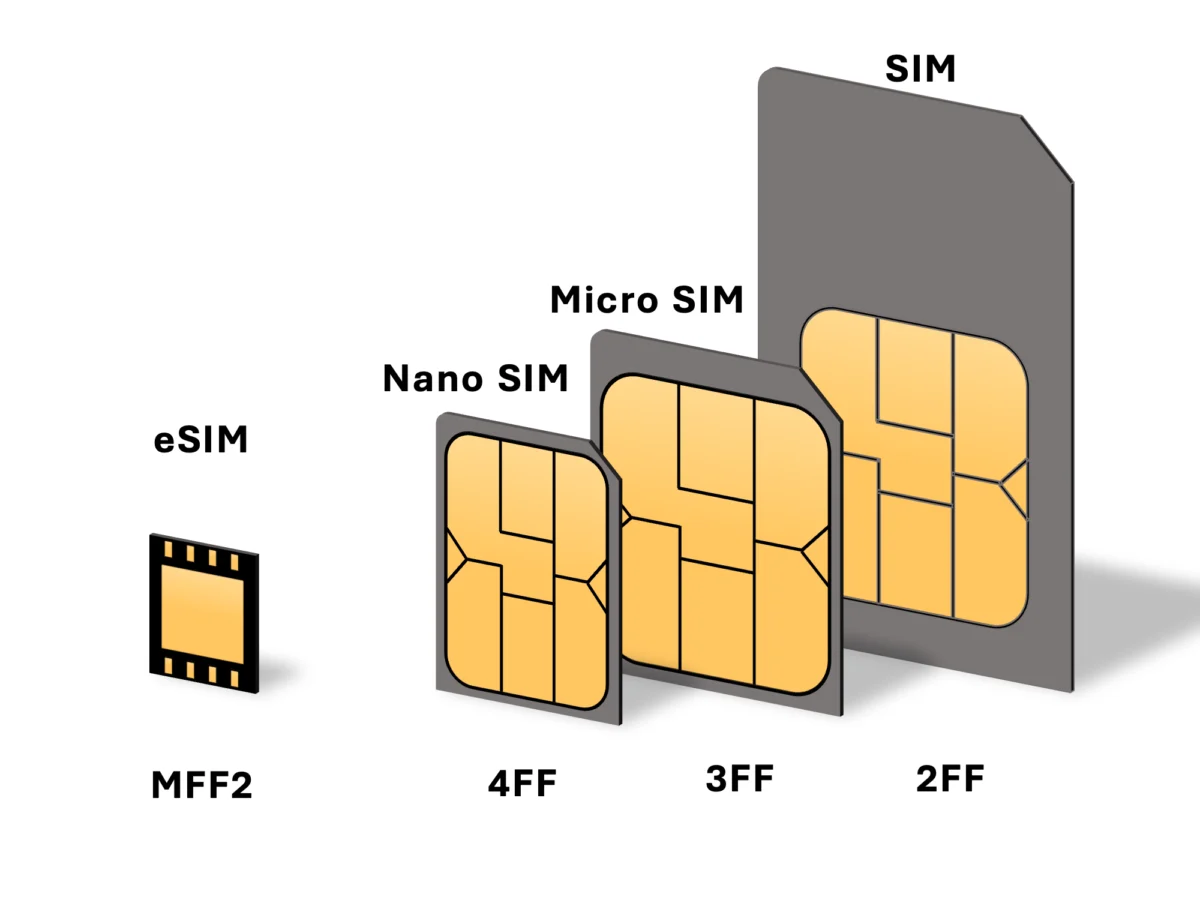

South Korea has long established itself as a global epicenter for technological innovation, maintaining one of the world’s most advanced telecommunications infrastructures. As the nation continues to lead in 5G penetration and high-speed internet accessibility, a significant shift is occurring in how both visitors and residents access cellular networks. The transition from physical SIM cards to embedded SIM (eSIM) technology represents a major milestone in the country’s digital evolution. This programmable, hardware-integrated solution eliminates the need for traditional plastic cards, offering a streamlined approach to connectivity that aligns with Korea’s "Smart Tourism" initiatives and its broader digital transformation goals.
The Evolution of Connectivity: Understanding eSIM Technology
The eSIM, or embedded Universal Integrated Circuit Card (eUICC), is a small chip built directly into a device’s motherboard during the manufacturing process. Unlike the traditional SIM card, which requires physical handling and a dedicated slot, the eSIM is entirely digital. It allows users to download a carrier profile and activate a cellular plan over the air (OTA). This technology is not merely a convenience; it represents a paradigm shift in mobile security and hardware design, allowing for slimmer devices and better water resistance by removing the SIM tray.
In South Korea, the adoption of eSIM technology was accelerated by government policy. While eSIMs were initially limited to smartwatches and specific IoT devices, the Ministry of Science and ICT (MSIT) officially mandated the support of eSIMs for smartphones in September 2022. This regulatory move forced the "Big Three" telecommunications providers—SK Telecom, KT, and LG Uplus—to adapt their systems, creating a more competitive and flexible market for consumers.
A Chronological Perspective of the Korean Telecommunications Shift
The journey toward widespread eSIM adoption in South Korea has been marked by several key developmental phases:
- The Pre-2020 Era: Mobile connectivity for foreigners was largely dominated by physical SIM card rentals at Incheon International Airport or the use of expensive international roaming.
- 2020–2021: As the global pandemic restricted travel, Korean telcos focused on internal digital upgrades. The demand for "contactless" services grew, setting the stage for digital-first solutions.
- September 2022: The official commercial launch of eSIM services for smartphones in South Korea. This allowed domestic users to maintain dual-SIM capabilities (one physical, one eSIM), often used to separate work and personal lines.
- 2023–Present: The market has matured into a bifurcated system where specialized providers cater specifically to short-term tourists, while the major carriers offer robust, contract-based eSIM plans for long-term residents and expatriates.
Comparative Analysis of Major Network Operators
For any individual seeking connectivity in Korea, understanding the landscape of the major providers is essential. The market is dominated by three primary carriers, supplemented by MVNOs (Mobile Virtual Network Operators).
SK Telecom (SKT)
As the largest telecommunications operator in South Korea, SK Telecom commands nearly 50% of the market share. Their eSIM offerings are characterized by superior coverage, particularly in mountainous regions and rural areas. For tourists, SKT provides a $35 plan featuring 1GB of high-speed data with a 30-day validity. While the price point is higher than some competitors, the reliability of the network and the speed of their 5G infrastructure often justify the cost for business travelers and power users.
KT (Korea Telecom)
KT is often the preferred choice for international visitors due to its extensive network of public Wi-Fi hotspots. KT’s tourist eSIM plans typically start around $36.50. A significant advantage of choosing KT is the integration with their "KT WiFi" service, which is available in almost every subway station, cafe, and public building in major cities like Seoul and Busan. This provides a secondary layer of connectivity that helps users conserve their cellular data.
LG Uplus (LG U+)
The third major player, LG Uplus, frequently competes on price and promotional bundles. Their standard 30-day eSIM for tourists is priced at approximately $39, often including additional perks such as discounted entrance fees to local attractions or T-Money (transportation card) integration. LG Uplus has been particularly aggressive in marketing to the younger, "Hallyu"-driven demographic of travelers who prioritize high-speed data for social media streaming.
Specialized Providers: Korea SIM Card
Beyond the "Big Three," specialized providers like Korea SIM Card have carved out a significant niche. By leveraging the networks of the major carriers but offering a more streamlined, English-language user experience, they provide plans starting as low as $25. These providers often offer more flexible data tiers, including unlimited daily plans which are highly sought after by short-term tourists.
Supporting Data and Market Trends
Recent data from the Korea Tourism Organization (KTO) indicates a sharp rise in the preference for eSIMs over physical SIMs. In a 2023 survey of international visitors, approximately 42% opted for digital connectivity solutions, citing "ease of activation" and "retention of home country SIM" as the primary drivers.
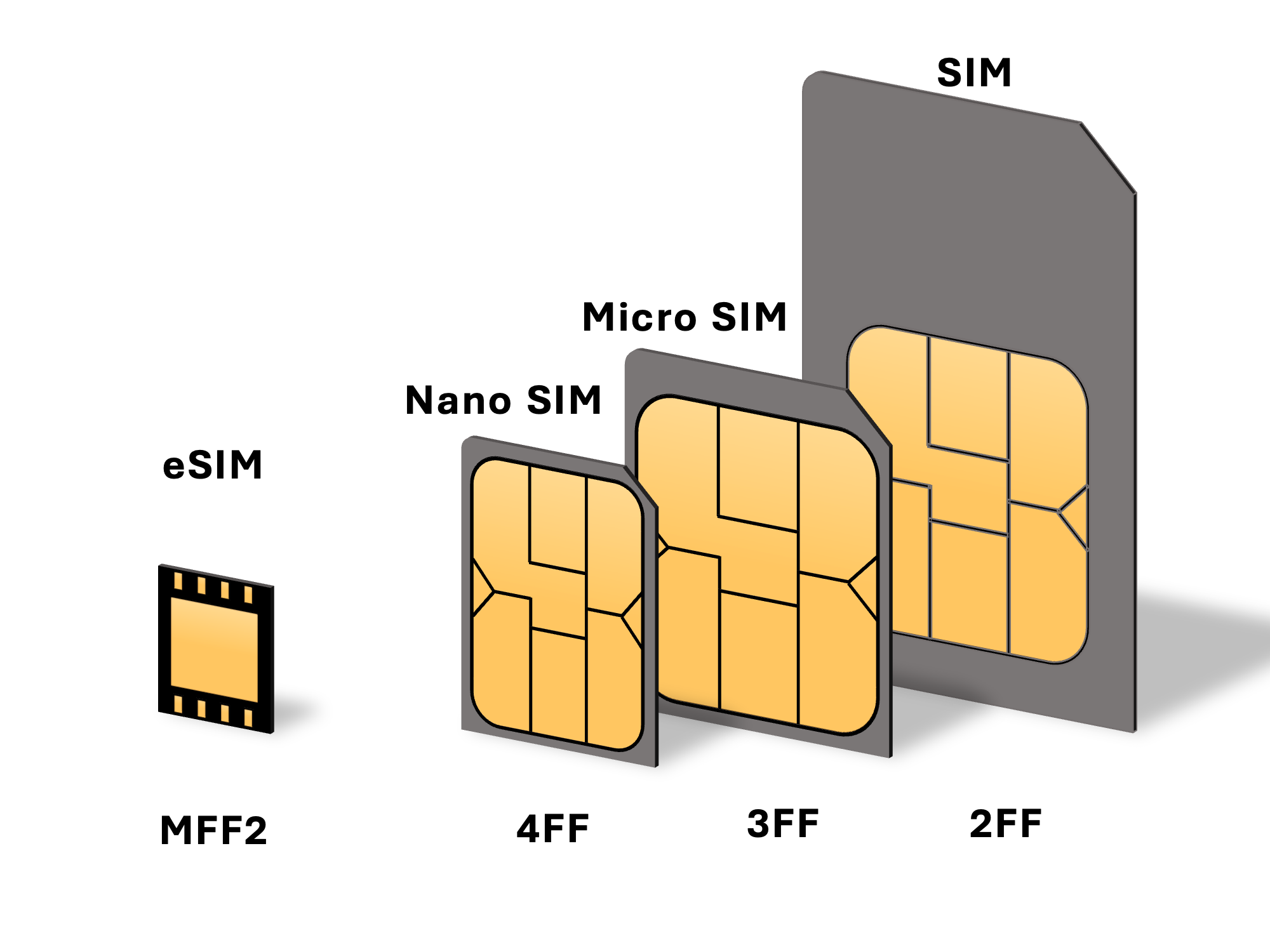
Furthermore, South Korea maintains some of the highest mobile data speeds globally. According to Speedtest by Ookla, Korea consistently ranks in the top three for mobile download speeds, often exceeding 100 Mbps on average. This high-performance environment makes the eSIM particularly effective, as the digital profiles can handle the high-bandwidth requirements of 5G without the physical bottlenecks of older SIM technology.
Tailored Solutions for Long-Term Residents
For expatriates, digital nomads, and students residing in Korea for more than 90 days, the requirements for an eSIM differ significantly from those of a tourist. Long-term residents must typically undergo a more rigorous verification process involving the Alien Registration Card (ARC).
- SK Telecom Resident Plans: Starting at roughly $29 per month, these plans offer a balanced mix of 2GB to 5GB of data, unlimited domestic calls, and texts. They are ideal for those who require a stable local number for administrative tasks, such as banking or using the "Coupang" and "Baemin" delivery apps.
- KT Olleh Resident Plans: KT offers competitive monthly packages starting at $30. Their resident plans are highly valued for their customer service, which includes robust English-language support lines—a rarity in the local market.
- LG U+ Resident Plans: At approximately $35 per month, LG U+ provides high-data-allowance plans that often include international calling credits, catering to the expat community’s need to stay in touch with family abroad.
Technical Logistics: Activation and Device Compatibility
The activation of an eSIM in South Korea has been refined into a user-friendly process, though it requires adherence to specific steps to ensure a seamless transition.
Activation Protocol
- Verification of Compatibility: Users must ensure their device is carrier-unlocked and supports eSIM technology (generally iPhone XS or newer, and Samsung Galaxy S20 or newer).
- Purchase and Reception: Upon purchasing a plan online, the provider issues a unique QR code via email.
- Installation: The user navigates to the "Cellular" or "Mobile Data" settings on their device and selects "Add eSIM" or "Add Data Plan."
- Scanning: The device camera is used to scan the provided QR code, which triggers the download of the carrier profile.
- Registration: For tourists, a passport photo is often required for identity verification through the provider’s web portal to comply with Korean anti-fraud laws.
Top-Up Procedures
Topping up an eSIM is predominantly handled through dedicated mobile apps or web portals. Most Korean providers accept international credit cards (Visa/Mastercard), although some local MVNOs may require a Korean-issued card for recurring monthly payments on resident plans.
Official Responses and Regulatory Framework
The South Korean government has been proactive in ensuring that the transition to eSIM technology does not compromise national security or consumer rights. The MSIT has implemented strict guidelines regarding the "Know Your Customer" (KYC) protocols for eSIM activation. This is to prevent the use of "daepo-phones" (illegal burner phones used for voice phishing).
Industry analysts suggest that the government’s push for eSIM is also tied to environmental sustainability goals. By reducing the production and distribution of millions of plastic SIM cards annually, the telecommunications sector is making a measurable contribution to the nation’s ESG (Environmental, Social, and Governance) targets.
Broader Impact and Future Implications
The widespread adoption of eSIMs in South Korea is more than a technical upgrade; it is a catalyst for economic and social change. For the travel industry, it removes a significant "pain point," allowing tourists to land at Incheon Airport and have immediate access to maps, translation tools, and ride-hailing services without queuing at a kiosk.
Economically, the eSIM market has introduced a new level of competition. Traditional carriers can no longer rely on physical distribution networks as a barrier to entry. This has paved the way for innovative startups to offer niche connectivity products tailored to specific demographics, such as short-term business travelers or international students.
Looking forward, the integration of eSIM technology is expected to expand into the broader "Internet of Things" (IoT) ecosystem in Korea. As smart cities become a reality, eSIMs will likely be embedded in everything from public bicycles to autonomous delivery robots, ensuring that the entire urban infrastructure remains interconnected.
In conclusion, South Korea’s eSIM landscape offers a sophisticated array of options that cater to every type of user. Whether it is the high-speed reliability of SK Telecom, the ubiquitous Wi-Fi access of KT, or the cost-effective flexibility of specialized providers like Korea SIM Card, the digital-first approach to connectivity ensures that Korea remains at the forefront of the global mobile revolution. For the consumer, the key to a successful experience lies in choosing a provider that aligns with their specific data needs, duration of stay, and technical requirements.
