
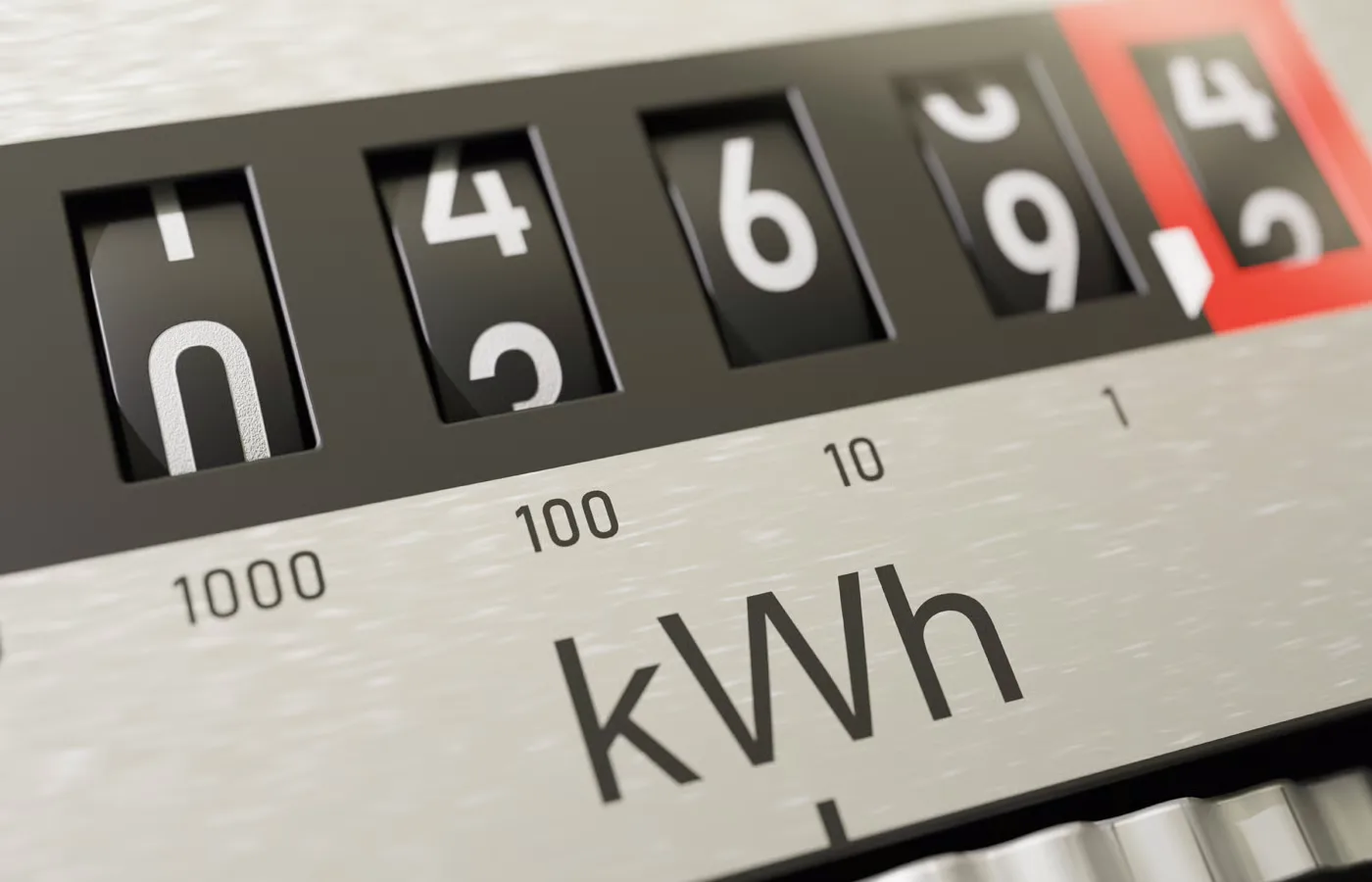

As the global demand for cloud computing, artificial intelligence, and digital data storage accelerates, the data center industry faces an unprecedented operational challenge: spiraling energy consumption. Power consumption has rapidly emerged as one of the single largest operating expenses for enterprise data facilities worldwide. Driving this consumption are not only the primary servers performing intensive computational tasks, but also the massive supporting infrastructure—most notably the climate control and cooling systems required to prevent hardware thermal failure. As facilities scale to process unprecedented volumes of data, energy demands and operating costs rise in tandem, compelling industry leaders to reevaluate traditional power management models and embrace innovative efficiency frameworks.
The Mechanics of Data Center Power Consumption
The modern data center operates as a complex, highly synchronized ecosystem where multiple technical layers interact to support continuous data processing, storage, and transmission. Understanding how these facilities consume electricity requires a granular examination of their core operational pillars.
At the foundation of this ecosystem lies the physical power infrastructure. External electricity is drawn from the public utility grid and routed through power distribution units (PDUs) to individual racks. To safeguard against catastrophic downtime, facilities rely on robust backup systems, including uninterruptible power supplies (UPS) and heavy-duty diesel generators, which ensure operational continuity during grid failures.
Within the server halls, computing hardware serves as the primary engine of energy consumption. Servers, storage arrays, and networking switches execute the heavy lifting of digital operations. Crucially, the energy draw of these devices is dynamic, fluctuating directly in response to workload demands. When processing intense computational loads, servers draw peak power; during off-peak cycles, consumption drops.
Simultaneously, cooling and climate control systems represent a massive, often equal, share of total facility energy usage. Equipment such as Computer Room Air Conditioner (CRAC) units, chillers, and cooling towers must operate continuously to dissipate the intense thermal output generated by dense server deployments. Without robust climate regulation, hardware degradation and thermal shutdowns occur rapidly.
To measure how efficiently energy is translated into actual computing output, the industry universally relies on the Power Usage Effectiveness (PUE) metric. Calculated as the ratio of total facility energy to the power delivered exclusively to IT equipment, an ideal PUE score is 1.0. While cutting-edge facilities approach this benchmark, historical and average data centers often record significantly higher figures due to the heavy overhead demanded by cooling, lighting, and auxiliary monitoring systems.
Chronology of the Data Center Energy Evolution
The trajectory of energy management within enterprise IT has shifted dramatically over the past two decades, driven by escalating environmental regulations, grid capacity constraints, and economic pressures.
During the early 2000s, the rapid expansion of dot-com infrastructure and enterprise server rooms prioritized raw computing capacity and uptime above all else, resulting in notoriously inefficient facilities with PUE ratios frequently exceeding 2.0. Energy was treated as an inexpensive, secondary utility.
By the late 2000s and early 2010s, surging electricity prices and early corporate sustainability mandates prompted the introduction of the PUE standard by The Green Grid in 2007. This period marked the widespread adoption of basic containment strategies, such as hot and cold aisle configurations, to optimize airflow and reduce cooling waste.
In the mid-2010s, the emergence of hyper-scale cloud computing revolutionized the landscape. Companies like Amazon, Google, and Microsoft began centralizing workloads into massive facilities, leveraging economies of scale and introducing early iterations of software-defined server virtualization to dramatically reduce physical server footprints.
By the 2020s, the explosive growth of artificial intelligence and machine learning workloads introduced a new paradigm of high-density computing. Traditional air cooling proved inadequate for dense GPU clusters, accelerating a historical industry pivot toward advanced liquid cooling, AI-driven Data Center Infrastructure Management (DCIM) tools, and direct corporate investments in renewable energy microgrids.
Core Strategies for Optimizing Power Efficiency
Faced with tightening regulatory caps on carbon emissions and rising utility rates, enterprise data center operators are deploying a multifaceted toolkit to optimize power consumption without compromising performance.
-
Integration of Energy-Efficient Hardware: Upgrading legacy infrastructure is a fundamental prerequisite for modern efficiency. Transitioning to modern servers with high-efficiency power supply units (PSUs) and replacing mechanical hard disk drives with solid-state drives (SSDs)—which draw significantly less idle and active power—yields immediate reductions in baseline energy use.
-
Advanced Thermal Engineering: Because cooling accounts for nearly half of a facility’s auxiliary power draw, operators are moving beyond traditional CRAC units. Modern strategies incorporate liquid cooling directly at the chip level, evaporative cooling systems, and economizers that harness ambient outdoor air. Furthermore, strict physical containment architectures prevent the mixing of hot and cold air streams, drastically lowering fan speeds and energy expenditure.
-
Virtualization and Server Consolidation: Software-defined virtualization allows multiple virtual machines to execute simultaneously on a single physical host. This architectural consolidation reduces the total number of physical machines required, eliminating idle power draw and maximizing hardware utilization. Workload migration to hyper-scale cloud environments further shifts the energy burden to highly optimized multi-tenant facilities.
-
Implementation of DCIM Software: Data Center Infrastructure Management platforms provide real-time visibility into power distribution and environmental metrics down to the rack level. By integrating artificial intelligence and machine learning algorithms, operators can utilize predictive analytics to dynamically adjust cooling output and workload distribution based on historical traffic patterns.
-
Renewable Energy Integration and Microgrids: To mitigate environmental impact and insulate operations from volatile utility pricing, leading data center operators are establishing direct power purchase agreements (PPAs) with wind, solar, and hydroelectric providers. Furthermore, forward-thinking facilities are investing in on-site renewable generation and advanced battery energy storage systems (BESS) to achieve operational resilience and long-term sustainability.
Industry Implications and Expert Analysis
The transition toward energy-optimized data centers carries profound implications for the global technology sector, macroeconomic stability, and environmental policy. Industry analysts note that future data center expansion will increasingly be dictated not by capital availability, but by local electrical grid capacity. In major global hubs such as Northern Virginia and Dublin, utility providers have already begun restricting new grid connections for data centers, forcing operators to innovate or relocate to regions with surplus renewable capacity.
From an economic perspective, capital expenditures required for infrastructure overhauls—such as retrofitting legacy facilities for liquid cooling or deploying advanced DCIM software—present short-term financial hurdles. However, lifecycle analyses consistently demonstrate that these initial investments are rapidly offset by long-term operational expenditure reductions and minimized risk of regulatory penalties.
Challenges in Sustainable Power Management
Despite clear technological pathways, achieving absolute energy efficiency remains fraught with complex challenges. Balancing relentless computational performance demands with aggressive sustainability targets creates a persistent engineering tension. High-density AI training clusters generate unprecedented thermal loads that push the limits of even advanced liquid cooling frameworks.
Additionally, upgrading mission-critical legacy infrastructure introduces substantial operational risk. Swapping out power distribution units, retrofitting chillers, or migrating core database architectures carries the constant threat of downtime—an unacceptable outcome for enterprise clients dependent on five-nines availability. Regulatory compliance also adds complexity, as reporting standards for Scope 1, 2, and 3 carbon emissions become increasingly stringent across international jurisdictions.
The Bottom Line on Enterprise Power Management
Efficient power management has evolved far beyond a routine operational concern; it is now a foundational determinant of economic viability, corporate reputation, and environmental stewardship within the digital infrastructure sector. As organizations navigate the dual pressures of surging computational demand and climate accountability, mastering the intricacies of power consumption, cooling efficiency, and renewable integration will define the market leaders of the next technological era.
