


The summer season invariably brings with it the familiar bustle of suitcases, shifting between apartments and hotels. While this offers a welcome escape from routine, it frequently presents a significant challenge for the digitally dependent: inconsistent Wi-Fi signals, cumbersome login procedures via web portals, and often, frustrating limitations on the number of devices allowed per room. When compounded by the absence of international data roaming, staying connected during holidays can quickly become a considerable source of frustration. However, for the discerning traveler and the burgeoning community of digital nomads, a sophisticated solution has long been in use: the travel router. These compact devices act as crucial intermediaries between the accommodation’s internet infrastructure and a traveler’s personal electronics, promising a more seamless and secure online experience. Yet, the market for these devices is nuanced, and it is imperative to understand their capabilities, advantages over mobile hotspot alternatives, and any inherent limitations imposed by service providers.
The Evolving Landscape of Travel Connectivity
In an increasingly interconnected world, reliable internet access is no longer a luxury but a fundamental necessity for many travelers. The global rise of remote work, accelerated by recent societal shifts, has blurred the lines between leisure and professional travel, giving birth to a new archetype: the "workcationer" and the full-time digital nomad. Estimates from various industry reports suggest that millions of individuals worldwide now identify as digital nomads, with many more engaging in hybrid travel models that necessitate constant online access for both professional and personal pursuits. This demographic, often carrying multiple devices—laptops, smartphones, tablets, smartwatches, and even streaming sticks—demands a robust and secure internet connection wherever they go.
The traditional model of hotel Wi-Fi, often characterized by slow speeds, dropped connections, and "captive portals" requiring repetitive logins, is increasingly inadequate for these modern demands. While public Wi-Fi networks in cafes and airports offer convenience, they are notoriously insecure, posing significant risks to personal data. Historically, travelers relied on expensive international roaming plans, local SIM cards, or tethering their smartphones, each with its own set of drawbacks concerning cost, data limits, or battery drain. The travel router emerges from this context as a specialized tool designed to bridge the gap, providing a dedicated, secure, and personalized network environment irrespective of the underlying public infrastructure.
Understanding Travel Routers: Beyond the Basic Hotspot
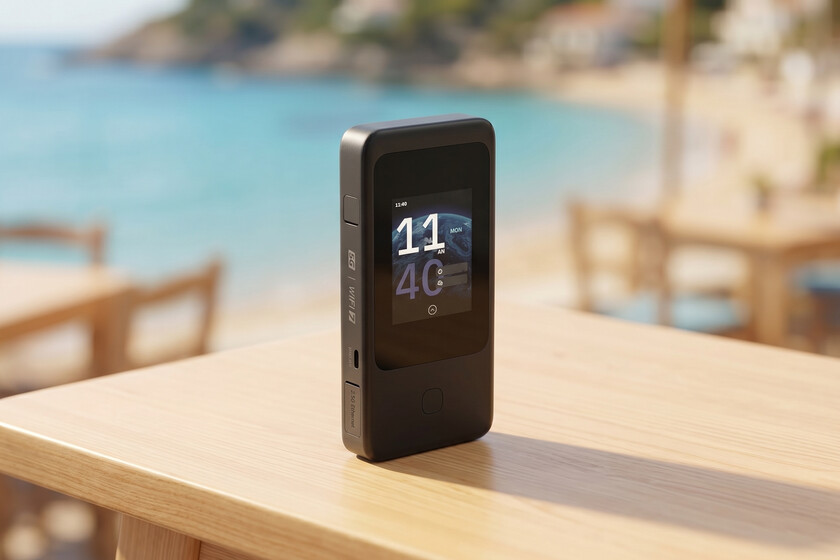
A travel router is a portable networking device specifically engineered to connect to an existing internet source—be it a hotel’s Wi-Fi network or an Ethernet port in a room—and then re-broadcast that connection as a new, private Wi-Fi network. This process allows the travel router to effectively mask all connected personal devices under a single IP address from the perspective of the hotel network, circumventing common restrictions on the number of devices per room. The user benefits from a familiar, consistent network name and password, simplifying connectivity across all their gadgets.
It is crucial to distinguish a travel router from a traditional mobile hotspot, often referred to as a "Mi-Fi" device. While both provide portable Wi-Fi, their operational principles and primary use cases differ significantly:
-
Travel Router:
- Source of Internet: Relies on third-party networks (hotel Wi-Fi, public Wi-Fi, wired Ethernet).
- Functionality: Acts as a client to an existing network and then creates its own private, secure sub-network. It extends and secures an already available internet connection.
- Data Consumption: Typically offers unlimited and "free" data, as it leverages the host network’s existing service.
- Cost Model: Primarily an upfront device purchase. No recurring data fees.
- Security: Often includes advanced security features like VPN client integration, encrypting all traffic before it leaves the device.
- Best For: Hotel stays, cruise ships (where allowed), apartments, or any location with existing Wi-Fi or Ethernet.
-
Mobile Hotspot (Mi-Fi):
- Source of Internet: Generates its own internet connection using cellular data (4G/5G) via an integrated SIM card or eSIM.
- Functionality: Functions as a miniature cellular modem and Wi-Fi access point, creating an internet connection from scratch wherever cellular coverage exists.
- Data Consumption: Limited by the specific data plan purchased (e.g., gigabytes per month/week).
- Cost Model: Upfront device purchase plus ongoing monthly/pay-as-you-go data plan costs, which can vary significantly by country.
- Security: Provides a private connection by nature, as it doesn’t use public Wi-Fi, but typically offers fewer advanced VPN features than dedicated travel routers.
- Best For: Outdoor use, areas without Wi-Fi, road trips, remote locations, or situations where independent internet access is paramount.
This distinction highlights that while a Mi-Fi provides independence from local infrastructure, a travel router optimizes and secures the use of available infrastructure, often at a lower operational cost.
Key Advantages for Modern Travelers

The adoption of a travel router brings a suite of benefits that address many of the common connectivity frustrations faced by travelers:
-
Enhanced Security and Privacy: Public Wi-Fi networks are notorious for their security vulnerabilities, making users susceptible to eavesdropping, data theft, and "man-in-the-middle" attacks. Many travel routers come with built-in VPN client functionality (supporting protocols like OpenVPN and WireGuard). This allows all devices connected to the travel router to automatically route their traffic through an encrypted tunnel, protecting sensitive data such as banking credentials, personal emails, and corporate information from malicious actors on the public network. This hardware-level encryption offers a superior layer of protection compared to relying solely on software VPNs on individual devices.
-
Seamless and Consistent Connectivity: One of the most significant conveniences is the "set it and forget it" nature of these devices. Once configured to connect to the hotel’s Wi-Fi (and authenticated through any captive portal), the travel router broadcasts the same private network name (SSID) and password to all your devices. This means that every time you plug in your travel router, all your laptops, phones, and tablets automatically reconnect without requiring individual logins or configurations. This saves invaluable time and eliminates the repetitive hassle of signing into multiple devices.
-
Bypassing Device Limitations: Hotels and other accommodations often impose strict limits on the number of devices that can connect to their Wi-Fi per room or per user, frequently charging extra for additional connections. A travel router effectively circumvents these restrictions by presenting itself as a single device to the hotel’s network, regardless of how many gadgets are actually connected to it. This can lead to significant cost savings, especially for families or groups traveling with multiple personal electronics.
-
Cost Efficiency: By leveraging the existing Wi-Fi provided by the accommodation, travel routers offer a virtually unlimited and free data experience once the initial device purchase is made. This stands in stark contrast to the often exorbitant costs of international roaming data, purchasing local SIM cards in every new country, or subscribing to data plans for mobile hotspots, which can quickly accumulate, especially for long-term travelers or those with high data consumption.
-
Improved Stability and Management: While a travel router cannot magically increase the bandwidth of a slow hotel internet connection, it can often provide a more stable and efficient distribution of that available bandwidth among your devices. Some advanced models include features like Quality of Service (QoS), allowing users to prioritize traffic for specific applications (e.g., video conferencing over background downloads), ensuring critical tasks receive the necessary bandwidth.

Navigating the Limitations and Nuances
Despite their numerous advantages, travel routers are not a panacea for all connectivity woes. Understanding their limitations is crucial for managing expectations:
-
The "Speed Myth": A common misconception is that a travel router will inherently boost internet speed. This is incorrect. A travel router acts as a repeater and a network manager; it cannot create bandwidth that isn’t already present. If the hotel’s internet connection is slow, capped, or saturated by numerous other guests, your travel router will distribute that existing slow speed more efficiently and securely among your devices, but it will not increase the overall bandwidth.
-
Power Dependency: Most travel routers require a continuous power source to operate. They typically connect via USB-C to a wall adapter or a power bank. While some advanced models integrate internal batteries for untethered use, these are often pricier and designed for shorter periods of independence. This means remembering to pack an appropriate power adapter and potentially a power bank for situations where outlets are scarce.
-
Specific Restrictions and Bans: Certain commercial environments, most notably some cruise lines, have begun to prohibit the use of personal routers. This policy is primarily driven by economic factors: cruise ships often charge premium rates for internet access on a per-device or per-person basis, and travel routers enable groups to share a single internet pass, thus impacting the cruise operator’s revenue. Travelers should always check the specific policies of their cruise line or accommodation provider beforehand.
-
Initial Setup Complexity: While many modern travel routers are designed for user-friendliness, the initial setup and configuration can sometimes require a basic understanding of network settings. Features like VPN integration, while powerful, might necessitate a slightly more involved setup process for those unfamiliar with such technologies.
A Comparative Look: Travel Routers vs. Mobile Hotspots
To further clarify the choice between a travel router and a mobile hotspot, a detailed comparison is illustrative:
| Characteristic / Aspect | Travel Router | Hotspot (Mi-Fi) |
|---|---|---|
| Source of Internet | Connects to existing third-party networks (hotel Wi-Fi, public Wi-Fi, wired Ethernet). | Generates its own internet connection via cellular networks (4G/5G) using an integrated physical SIM or eSIM. |
| Data Consumption | Typically unlimited and "free," as it leverages the host network’s existing service. | Limited by the specific data plan purchased (e.g., monthly gigabytes). Exceeding limits can incur extra charges or throttled speeds. |
| Recurring Cost | Zero. Only the initial purchase price of the device. | Continuous. Requires ongoing payment for monthly data plans, pay-as-you-go bundles, or local SIM cards in each country, which can vary significantly in price. |
| Convenience | High. Once configured, all devices automatically connect to your private network. Handles captive portals with a single login. | Very high. Operates independently of local Wi-Fi infrastructure; no interaction with hotel networks or captive portals is needed. |
| Device Limits | Effectively camouflages all connected devices under a single IP address from the host network, bypassing device restrictions imposed by hotels or cruise lines. | Allows multiple connections, but sharing the network among many devices will consume your data plan much faster and may lead to reduced speeds for everyone. |
| Security & Privacy | Very high. Designed to secure public networks through robust encryption, often with hardware-level VPN client integration, protecting all traffic. | High. Provides a private connection by creating its own network. However, often offers fewer advanced security features like integrated VPN compared to dedicated travel routers. |
| Coverage | 100% dependent on the availability of an existing network infrastructure (Wi-Fi or Ethernet) at your location. Performance depends on the quality of that host network. | Functions wherever there is cellular coverage (4G/5G), including outdoors, beaches, remote areas, or during transit, independent of Wi-Fi availability. |
| Energy | Most models require continuous power from an outlet or a power bank (via USB-C). | Typically integrate internal batteries designed for portable, on-the-go use, offering several hours of operation before needing a recharge. |
The choice between the two often boils down to the primary travel context. For prolonged stays in hotels or apartments, a travel router offers cost-effective, secure, and seamless connectivity. For road trips, outdoor adventures, or situations demanding internet where no Wi-Fi exists, a Mi-Fi device is indispensable.
Expert Recommendations for Your Digital Toolkit
While the market for travel routers might not be as mainstream as that for home routers, several reputable manufacturers offer robust and reliable options. When selecting a travel router, consider the following criteria:
- Wi-Fi Standards: Look for support for the latest Wi-Fi standards (Wi-Fi 6, Wi-Fi 7) for faster speeds and better efficiency.
- VPN Support: Essential for security; ensure it supports common VPN protocols like OpenVPN and WireGuard.
- Ethernet Ports: Crucial for connecting to wired hotel networks, often providing a more stable connection than Wi-Fi.
- Size and Portability: A truly "travel" router should be compact and lightweight.
- Power Options: Models with integrated batteries offer greater flexibility.
- Ease of Use: A user-friendly interface is vital for hassle-free setup and management.
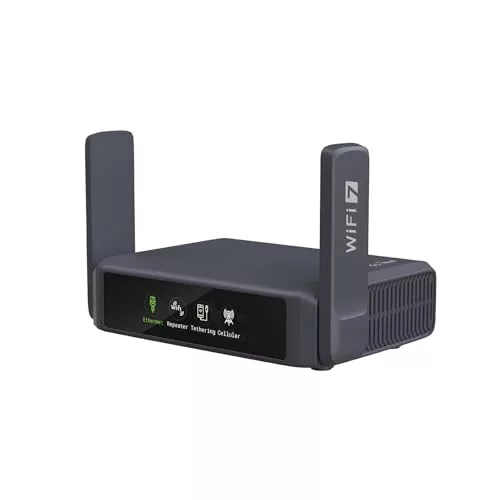
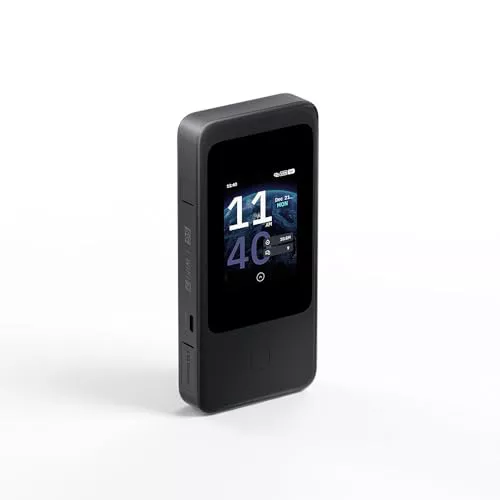
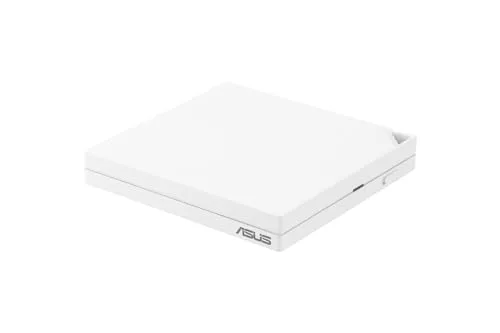
Leading brands in this niche include GL.iNet and ASUS, which consistently receive high marks for their feature sets, reliability, and security options. For instance, GL.iNet models like the GL-BE3600 (Slate 7) and GL-XE3000 (Puli AX) are often lauded for their OpenWrt operating system, extensive VPN capabilities, and robust performance. The GL.iNet MUDI 7 (GL-E5800) even integrates 5G cellular capabilities and eSIM support, blurring the lines between a pure travel router and a powerful mobile hotspot, offering a hybrid solution for ultimate flexibility. ASUS also offers strong contenders like the RT-AX57 Go, providing a reliable Wi-Fi 6 experience in a travel-friendly form factor.
Addressing Common Concerns (FAQ) About Travel Routers
-
Are travel routers prohibited on cruise ships?
Yes, some cruise lines, such as Royal Caribbean and Princess Cruises, have indeed started prohibiting travel routers during luggage inspection upon embarkation. The primary motivation is economic. Cruise operators typically charge high per-person or per-device connection fees for their satellite-based internet services. Travel routers allow multiple passengers to share a single internet package, thereby reducing the cruise line’s potential revenue. Travelers planning a cruise should always consult their specific cruise line’s terms and conditions regarding personal electronic devices. -
Can I use my Android mobile as a travel router?
Yes, some Android smartphones feature a "Wi-Fi Bridge" or "Wi-Fi Repeater" mode. This functionality allows your phone to connect to an existing Wi-Fi network (like a hotel’s Wi-Fi, including logging into its captive portal) and simultaneously broadcast its own Wi-Fi hotspot, sharing that internet connection with other devices without consuming your mobile data plan. While convenient as it avoids carrying an extra device, the main drawback is significant battery drain on your phone, and it often provides less robust security features or stable performance compared to a dedicated travel router. Not all Android phones support this feature. -
What if the hotel Wi-Fi requires my surname and room number?
Travel routers are specifically designed to manage these types of access requirements, known as "captive portals." When you connect your travel router to the hotel’s Wi-Fi, you then connect your smartphone or laptop to your travel router’s private network. Upon opening a web browser, the travel router will automatically redirect you to the hotel’s login page. You complete the registration process (entering your details once), and the travel router then handles maintaining that session for all your connected devices, making the process seamless for you. -
If I travel within Europe, do I truly need a travel router?
The necessity depends on your specific needs. Thanks to EU roaming regulations, most mobile data plans allow for free roaming within the European Union, enabling you to use your phone’s data plan normally without extra charges. However, a travel router remains highly recommended in several scenarios:- Devices without SIM slots: Laptops, tablets, e-readers, or streaming devices that rely solely on Wi-Fi will still benefit from a travel router.
- Security: For sensitive operations like online banking or handling confidential work, the hardware-level VPN encryption offered by many travel routers provides a superior layer of security compared to relying on public Wi-Fi or even cellular data alone.
- Coverage Gaps: In areas with poor mobile signal, a hotel’s wired Ethernet connection (accessed via a travel router) might offer more reliable internet.
- Data Limits & Fair Use: While roaming is "free," many operators impose a "fair use policy" that caps the amount of data you can use abroad before throttling or additional charges apply. A travel router leverages the hotel’s unlimited Wi-Fi, preserving your mobile data.
The Broader Impact on Travel and Remote Work
Travel routers are more than just gadgets; they represent a fundamental shift in how individuals interact with the digital world while on the move. For digital nomads and remote workers, these devices are empowering tools that provide the necessary infrastructure to maintain productivity and security regardless of their physical location. They foster greater flexibility, allowing professionals to work from anywhere with confidence that their connection is both stable and secure.
For the hospitality industry, the prevalence of these devices signals a clear demand for better, more transparent, and more flexible internet services. As travelers become increasingly tech-savvy and reliant on robust connectivity, hotels and other accommodations that continue to offer subpar or restrictive Wi-Fi risk alienating a significant portion of their clientele. The rise of travel tech, including advanced portable routers, pushes the industry to innovate and adapt, potentially leading to more integrated and guest-friendly internet solutions in the future.
In essence, travel routers address a critical need in our hyper-connected era, transforming the often-frustrating experience of connecting abroad into one of seamless efficiency and fortified security. For anyone who values their digital peace of mind while exploring the world, a travel router is rapidly becoming an indispensable addition to their packing list.
