
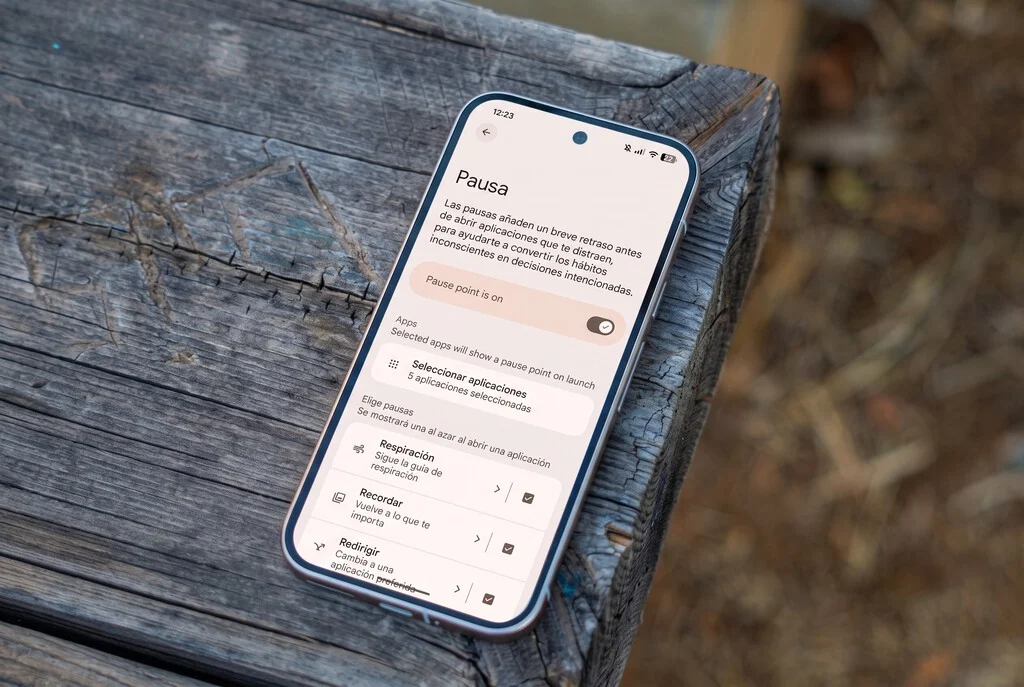

The pervasive challenge of managing screen time has long occupied the attention of both software developers and end-users, leading to the introduction of increasingly sophisticated digital wellness tools. Historically, mobile operating systems relied on reactive measures, such as time-based timers and usage alerts, to curb excessive engagement. However, recent data suggests that these methods are often circumvented by users who prioritize immediate gratification over long-term digital hygiene. In response, Google has integrated a new feature known as "Pause Point" within the Android 17 September Pixel Drop, marking a structural shift in how operating systems address compulsive app interaction.
The Evolution of Digital Wellness Tools
Since the inception of "Digital Wellbeing" suites on Android, the industry standard has focused on quantitative limits. These tools allowed users to set daily quotas for specific applications, such as social media platforms or video streaming services. While effective in theory, these mechanisms suffered from a "bypass vulnerability"—users could simply tap a button to dismiss the alert or extend their time limit, thereby negating the intended restriction.
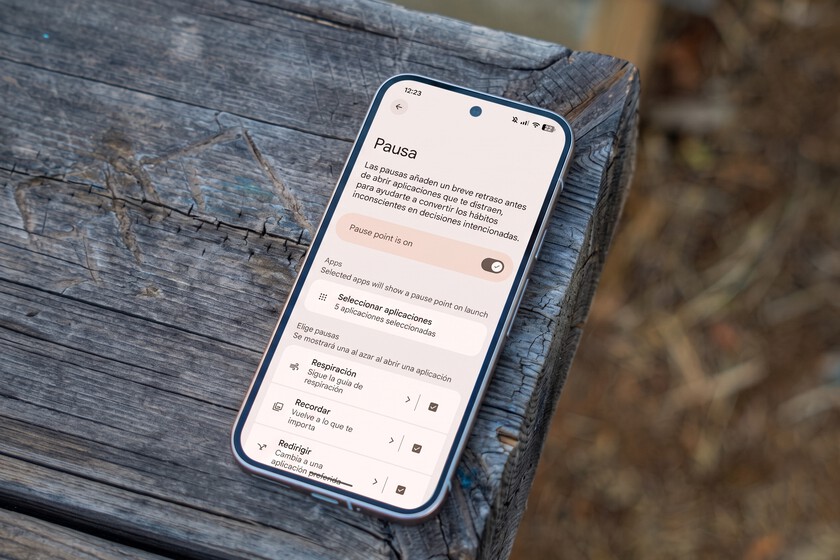
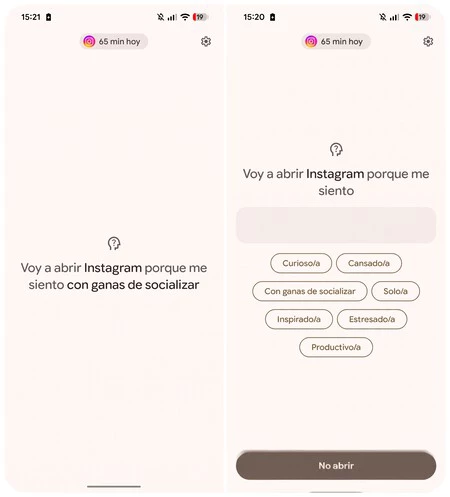
Psychological research into habit formation suggests that digital addiction is frequently driven by "automaticity," where the act of unlocking a device and opening an application occurs as a subconscious motor response rather than a deliberate decision. Previous tools failed to address this because they interrupted the user only after a session was already underway. Pause Point introduces a shift in the user experience design by implementing a mandatory pause at the point of entry, forcing a brief moment of cognitive reappraisal before the application launches.
Chronology of the Implementation
The rollout of Pause Point occurred as part of the September Pixel Drop, a periodic update cycle for Google’s flagship hardware. This feature was developed following internal data analysis indicating that users frequently engage in "micro-sessions"—brief, frequent bouts of app usage that accumulate into hours of daily screen time. By placing a software-imposed barrier between the icon tap and the app launch, Google aims to disrupt the neural feedback loop that characterizes impulsive mobile usage.
During the initial deployment phase, early adopters reported a period of high friction. Users accustomed to instantaneous access to their content initially perceived the pause as an obstacle to productivity. However, longitudinal feedback over several weeks indicates that this friction serves a dual purpose: it acts as a deterrent for low-value engagement while allowing users to decide if their intent to use the app is genuinely necessary.
Supporting Data and Behavioral Analysis
Industry analysts have noted that the average smartphone user checks their device between 50 and 150 times per day. A significant portion of these interactions is non-functional, meaning they do not serve a specific utility like checking emails or navigation, but rather act as a coping mechanism for boredom or stress.
Data from the first month of Pause Point’s availability suggests a correlation between the introduction of "choice architecture"—the way in which choices are presented—and a reduction in total screen time. By forcing a pause, the system effectively lowers the "value" of a quick dopamine hit. When the cost of opening an app (in terms of time and effort) is increased, the likelihood of a user proceeding with an impulsive check decreases significantly. This is consistent with behavioral economics principles, specifically the concept of "nudging," where subtle changes in the environment influence decision-making without restricting freedom of choice.
Official Stance and Design Philosophy
Google’s documentation on Pause Point frames the feature not as a restrictive control, but as an opportunity for user autonomy. By implementing customizable pause screens, the OS allows users to tailor their experience. Some users may choose to see a reminder of their daily goals, while others might prefer a simple, neutral delay.

Representatives from Android’s design team have previously emphasized that the goal of digital wellbeing is to support the user’s intentions rather than to dictate their behavior. The transition from "punitive" design—where the phone "scolds" the user for exceeding a time limit—to "preventative" design—where the phone encourages a conscious start—represents a maturing of the platform’s philosophy regarding user interaction.
Broader Implications for the Tech Industry
The introduction of Pause Point is likely to influence how other developers and operating system providers approach the issue of screen time. As global regulatory bodies begin to scrutinize the impact of social media and mobile platforms on mental health, the burden of responsibility is increasingly falling on manufacturers to build healthier digital environments.
If the metrics from the Android 17 deployment continue to show a decrease in compulsive app usage, it is probable that similar "friction-based" design elements will become standard across the mobile industry. This could include:

- Mandatory Interstitial Screens: Requiring users to confirm their intent before entering high-engagement apps.
- Context-Aware Limitations: Adjusting the intensity of the pause based on the time of day or the user’s location.
- Integration with Productivity Tools: Using AI to differentiate between professional app usage and recreational browsing, applying the Pause Point only to the latter.
Assessing the Long-Term Impact
While the effectiveness of Pause Point is supported by early anecdotal evidence and psychological theory, the long-term success of the feature will depend on its adoption rate among non-technical users. There is a risk of "habituation," where users learn to ignore the pause screen just as they learned to ignore the previous timer alerts. To mitigate this, Google will likely need to introduce dynamic content to the pause screens, ensuring that the intervention remains noticeable and effective over time.
Furthermore, the expansion of this feature to include more categories of applications—such as messaging or professional tools—remains a point of contention. While some users advocate for total control over their device’s behavior, others worry about the potential for missing urgent communications. A balanced approach would involve a high level of user customization, allowing individuals to designate "essential" apps that bypass the pause, while maintaining the hurdle for those that contribute to digital fatigue.
Ultimately, the development of Pause Point signals a departure from the "attention economy" model that has defined the last decade of mobile software. By prioritizing user agency over time-on-screen, Android is acknowledging that the most valuable commodity in the digital age is not the user’s attention, but the quality of their engagement. Whether this shift will fundamentally alter the trajectory of digital dependency remains to be seen, but it represents the most significant structural attempt to date to reclaim the user’s focus from the architecture of the device itself.
