

The smart home industry is navigating a period of profound transition, marked by executive departures at major technology conglomerates, shifting hardware paradigms, evolving regulatory frameworks, and critical advancements in IoT infrastructure. As Amazon prepares to mark a decade of its foundational voice-activated ecosystem, industry analysts and developers are intensely scrutinizing the trajectory of smart home technology. From executive leadership changes and high-end consumer hardware rollouts to crucial cybersecurity policy proposals and hardware protocol developments, the Internet of Things ecosystem stands at a strategic crossroads.
Leadership Transition and the Decade of Alexa
The impending retirement of David Limp, Amazon’s senior vice president of Devices and Services, underscores a broader wave of executive exits across the technology sector over the past year. Limp has been a central figure in shaping Amazon’s consumer hardware strategy, steering the development and commercialization of the Echo lineup, the Alexa voice assistant, and a sprawling ecosystem of interconnected home devices. His departure coincides with a critical milestone: next year marks the tenth anniversary of the introduction of the Amazon Echo and the Alexa platform.
Over the past decade, voice assistants have evolved from novel consumer novelties into central control hubs for millions of households worldwide. However, the maturation of the smart home market has also exposed persistent structural challenges. Industry observers note that while voice activation successfully lowered the barrier to entry for home automation, the broader ecosystem has struggled to achieve seamless interoperability, universal reliability, and sustained profitability as a standalone hardware category. The upcoming anniversary prompts a retrospective evaluation of whether ambient computing and smart home integration have genuinely delivered on their promise of effortless automation or if they remain a fragmented collection of niche conveniences.
Consumer Hardware Trends: Innovation Versus Accessibility
Recent product launches highlight the dichotomous nature of the current smart home marketplace, where high-end innovation frequently collides with prohibitive consumer pricing and niche utility. A prime example is the debut of the Mill composting system, engineered by Nest co-founder Matt Rodgers. The automated kitchen composting bin addresses modern sustainability concerns through advanced waste management technology, yet its premium positioning reflects a recurring trend in the smart home sector: advanced ecological and technological solutions often debut at price points that limit mass-market adoption.
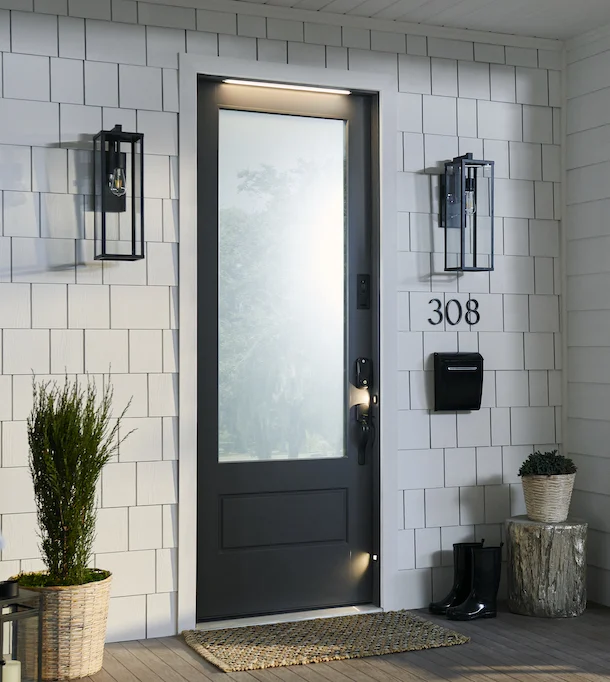
Simultaneously, the commercial rollout of the Masonite M-Pwr smart door—now available to consumers through major home improvement retailers like Home Depot—illustrates the industry’s push into integrated infrastructure. Featuring integrated power, lighting, and smart lock technology, the door represents an ambitious convergence of traditional building materials and connected IoT systems. Nevertheless, its substantial price tag emphasizes an ongoing friction point within the industry: the transition from retrofitted smart home gadgets to natively integrated smart architecture remains an expensive proposition for the average homeowner.
Regulatory Interventions and Cybersecurity Standards
As the surface area for potential cyberattacks expands with every connected appliance, regulatory bodies are stepping in to establish baseline security measures. The Federal Communications Commission (FCC) has formally released its Notice of Proposed Rule Making for an official Internet of Things (IoT) cybersecurity labeling program. This initiative aims to provide consumers with clear, standardized indicators regarding the security posture of smart devices, akin to Energy Star ratings for power efficiency.
Industry stakeholders have been given a 30-day window to submit formal comments on the proposed regulatory framework. Cybersecurity experts view the FCC’s labeling initiative as a crucial step toward mitigating systemic vulnerabilities in the consumer market, where cheap, unpatched connected devices have historically served as entry points for widespread distributed denial-of-service (DOD/DDoS) attacks and corporate network breaches. By incentivizing manufacturers to adhere to baseline security standards, the program could significantly enhance consumer trust and enterprise resilience.
Industrial Vulnerabilities and Infrastructure Security

Beyond the consumer sphere, the security implications of connected hardware extend into critical national infrastructure. Recent disclosures from Microsoft security researchers revealed a complex set of vulnerabilities affecting industrial operational technology (OT) equipment. According to Microsoft’s findings, these flaws could theoretically be exploited by malicious actors to disrupt or entirely shut down critical industrial facilities, including power plants.
The discovery highlights the escalating convergence of operational technology and information technology, commonly referred to as the Industrial Internet of Things (IIOT). As legacy industrial systems become increasingly digitized and connected to remote management networks, securing these environments against sophisticated cyber threats has become an urgent priority for governments and industrial operators alike. The findings serve as a stark reminder that vulnerabilities in firmware, communication protocols, and embedded systems carry catastrophic real-world consequences far beyond the residential smart home.
Protocol Evolution: Expanding Z-Wave Ecosystem Options
Amid these security and hardware developments, foundational communication protocols are undergoing significant structural enhancements. The Z-Wave ecosystem, a long-standing standard for home automation, has received a substantial strategic boost with the emergence of a new secondary chip provider: Trident IoT.
In a recent industry interview, Mariusz Malkowski, founder and Chief Technology Officer of Trident IoT, detailed the strategic origins of the company and its implications for the broader Z-Wave community. Malkowski shed light on how the influx of new chip manufacturing capabilities will alleviate supply chain bottlenecks and foster greater device interoperability. Furthermore, the discussion addressed the critical integration of emerging protocols, specifically how the universal Matter standard will interact with legacy Z-Wave architectures.
The role of bridging technologies remains paramount as developers seek to unify fragmented ecosystems. Trident IoT is positioned not only to manufacture Z-Wave microchips but also to integrate alternative smart home radio protocols into unified devices. Additionally, the company is establishing itself as an official Z-Wave certification house, streamlining the compliance and testing process for manufacturers looking to bring certified interoperable products to market.
Looking toward the future of the standard, the Z-Wave community is actively rolling out advancements such as Z-Wave Long Range (Z-Wave LR), which promises significantly extended wireless range and enhanced node capacity without requiring traditional mesh networking architecture. Coupled with planned cryptographic and security upgrades, these technological advancements aim to ensure that Z-Wave remains a competitive, secure, and highly reliable backbone for professional and consumer smart home installations.
Local Control, Hubs, and Open Platforms
As cloud-dependency continues to raise privacy, latency, and reliability concerns—exemplified by periodic outages of major cloud-based automation servers—the market for local-control hubs is experiencing renewed interest. Recent comprehensive evaluations of advanced automation controllers, such as the Homey Pro smart home hub, highlight the growing demand for platforms that process automation rules locally rather than routing commands through remote servers.
While devices of this caliber often command a higher price and require consumers to carefully verify peripheral device compatibility, they offer unmatched speed, privacy, and independence from corporate cloud infrastructure. For power users and privacy advocates, local control represents the philosophical zenith of the smart home movement: a domestic environment that operates autonomously, securely, and without reliance on external internet connectivity.
Conclusion: Navigating the Next Era of Connected Living
As the smart home industry approaches the decade mark of mainstream voice assistants, it finds itself balancing rapid technological innovation with sobering realities regarding cost, security, and fragmentation. The departure of foundational leaders like David Limp signals the end of the initial formative era of consumer IoT, clearing the path for a more mature, regulated, and security-conscious industry. Whether through the implementation of FCC cybersecurity labels, the strengthening of industrial OT defenses, the expansion of hardware protocol choices like Z-Wave, or the persistent push toward local device control, the foundation is being laid for a more resilient and sustainable connected future.
