
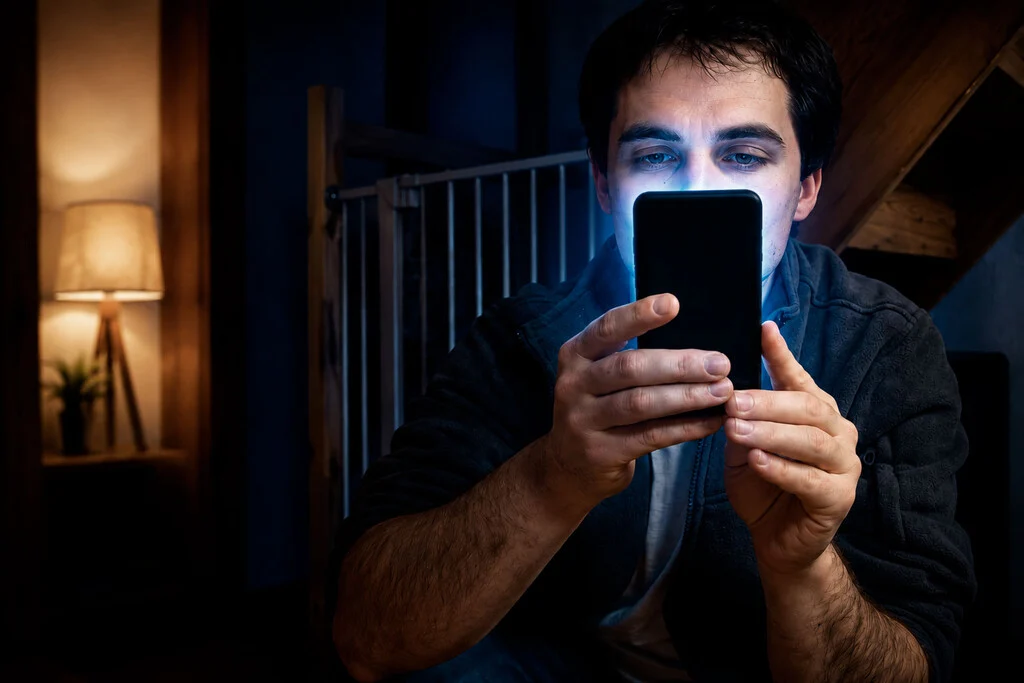

The Digital Shift and Its Ocular Ramifications
The ubiquity of smartphones is undeniable. Global statistics from sources like Statista and DataReportal consistently highlight staggering figures: average daily screen time for adults can exceed 6-7 hours, with a significant portion dedicated to mobile devices. This constant engagement, often involving prolonged periods of close-range focus, has given rise to widespread reports of visual discomfort. Symptoms such as eye fatigue, dryness, irritation, blurred vision, and headaches are frequently grouped under the umbrella term "Digital Eye Strain" (DES) or "Computer Vision Syndrome" (CVS). A 2023 study published in the National Library of Medicine (formerly PMC NCBI) further corroborates the link between extended screen exposure and ocular discomfort, underscoring the validity of these public health concerns.
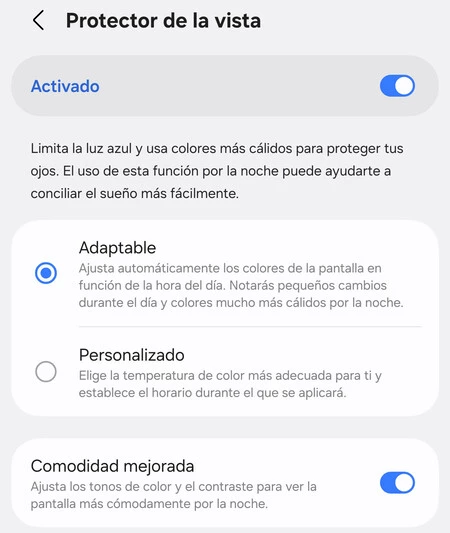
In response to these burgeoning worries, both device manufacturers and software developers have proactively integrated features like "Night Mode" or "Dark Mode" into their operating systems and applications. The stated aim of these functionalities is ostensibly to mitigate the perceived visual strain caused by screens, particularly by altering screen colors to warmer tones or inverting color schemes to darker backgrounds. The underlying assumption has been that these modes combat the detrimental effects of "blue light," a specific segment of the visible light spectrum. However, a critical question arises: does this widely adopted solution genuinely address the core problem, or is its efficacy more perceived than scientifically proven? To delve into this complex issue, we sought the authoritative perspective of a medical specialist.
Unpacking the Blue Light Phenomenon: Science vs. Speculation
Before evaluating the purported benefits of dark modes, it is crucial to understand what blue light is and why it has become such a focal point of discussion. Light, a form of electromagnetic radiation, encompasses a spectrum of wavelengths, each perceived as a different color. Blue light occupies the shorter end of the visible spectrum, typically ranging from approximately 400 to 500 nanometers. Due to its shorter wavelength, blue light carries more energy than other visible light colors. Natural sunlight is the primary source of blue light, with roughly 25% of the light we perceive outdoors falling within this blue spectrum. Modern digital screens, including those found in smartphones and tablets (both LCD and OLED technologies), emit a portion of their light in the blue wavelength range.
The debate surrounding the potential hazards of blue light from digital screens has been active for many years, fueled by conflicting theories and marketing campaigns. One prominent school of thought suggests that prolonged exposure to blue light can lead to severe and irreversible damage to the retina, potentially contributing to age-related macular degeneration (AMD) over time. Other, less alarmist, theories attribute milder symptoms like eye fatigue and discomfort directly to blue light. Perhaps the most widely circulated theory, however, concerns blue light’s alleged impact on sleep quality. This hypothesis posits that exposure to blue light, especially in the hours leading up to bedtime, inhibits the production of melatonin, a hormone crucial for regulating sleep-wake cycles (circadian rhythm). The argument is that the blue-rich light from screens mimics daytime sky conditions, signaling to the brain that it should remain alert and awake, thereby disrupting natural sleep patterns. It is this specific theory that forms the scientific bedrock for the development and widespread implementation of night modes and dark modes in digital interfaces, which shift screen colors to warmer, less blue-toned hues, or employ darker backgrounds, to supposedly trick the brain into preparing for sleep.
Expert Consensus: Dispelling the Myths with Dr. Rubén Pascual
To cut through the noise of speculation and marketing, we consulted Dr. Rubén Pascual, a distinguished medical specialist in Ophthalmology and the founder of the Ocularis project, a reputable platform dedicated to evidence-based ophthalmological information. His insights offer a critical, fact-based perspective on the contentious issue of blue light and its effects.
Xataka Móvil: What are the actual effects of blue light on our eyes?
Dr. Rubén Pascual: "None. There is no scientific evidence demonstrating that blue light from digital screens adversely affects our eyes. The experimental studies conducted to date have been exclusively animal-based and performed under extreme, non-physiological conditions that are not comparable to typical human screen usage. Furthermore, natural sunlight contains a significantly higher proportion of blue light than any digital screen. Consequently, individuals with prolonged outdoor exposure, such as a shepherd or a sailor, face a far greater theoretical risk of experiencing ‘damage’ from blue light than a mobile phone user. The perceived risk from screens is disproportionately exaggerated compared to natural environmental exposure."
This statement is a stark refutation of the claims that blue light from screens directly damages ocular tissues. It highlights a critical distinction: the intensity and duration of blue light exposure from screens are orders of magnitude lower than what individuals naturally encounter outdoors. The marketing of "blue light blocking" glasses and screen protectors often overlooks this fundamental fact, creating a market for solutions to a problem that, from an ophthalmological standpoint, does not exist in the manner it is often portrayed.
Xataka Móvil: Does exposure to light hours before sleep affect melatonin production?
Dr. Rubén Pascual: "Quite the contrary. In fact, there are phototherapy treatments utilizing blue light for individuals suffering from insomnia, particularly in Nordic countries where natural blue light exposure can be scarce during certain seasons. Blue light is essential for regulating our sleep cycles. The actual problem isn’t the light itself, but rather the overstimulation of the brain by engaging with a mobile device just before bedtime. This is analogous to engaging in vigorous physical exercise right before attempting to sleep; the activity itself, not merely the light, excites the brain and hinders the onset of sleep."
This response directly challenges the core premise behind night modes designed to improve sleep. Dr. Pascual clarifies that blue light plays a vital role in synchronizing our circadian rhythm with the natural day-night cycle. The issue is not the light’s color but the activity performed on the device. Scrolling through social media, watching stimulating videos, or engaging in cognitively demanding tasks can keep the brain active and alert, regardless of the screen’s color temperature. This aligns with broader sleep hygiene recommendations that advise against screen use, and indeed any mentally stimulating activity, in the hour or two before sleep.
Xataka Móvil: Then, what about the theories suggesting that color temperature affects sleep more than illumination level when it comes to light’s impact on sleep?
Dr. Rubén Pascual: "While you might feel more comfortable with a warmer screen color because it can be subjectively relaxing and more ‘cozy’—much like the ambiance of a fireplace—this is purely a subjective sensation. There’s no scientific basis to suggest it physiologically impacts sleep better than cooler tones. In fact, we naturally fall asleep under blue light, such as that emitted by the moon."
This further reinforces the idea that the perceived benefits of warmer screen tones are psychological rather than physiological. The human brain associates warm colors with comfort and relaxation, but this subjective experience does not translate into a measurable effect on melatonin production or sleep onset, especially when contrasted with the actual scientific mechanisms governing circadian rhythms. The example of moonlight serving as a natural blue light source under which humans have historically slept effectively underscores this point.
Xataka Móvil: What advice would you offer to maintain good ophthalmological health while still using a mobile device?
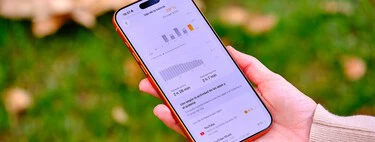
Dr. Rubén Pascual: "The key is to avoid excessive screen time, not because of the light, but due to the continuous strain it places on our eyes to maintain constant focus at a fixed, close distance. If you work extensively with screens, the best practice is to take regular breaks, ideally every one to two hours. During these breaks, simply stop looking at the screen and gaze into the distance for about a minute. This allows the eye muscles to relax and shift their focus, alleviating the strain from sustained close-up accommodation."
This recommendation pivots the focus from blue light to the ergonomics of screen use. The primary concern for ocular health stemming from digital devices is the muscular effort involved in sustained near-vision focus. The "20-20-20 rule" (every 20 minutes, look at something 20 feet away for 20 seconds) is a widely recommended practice based on this principle. Regular breaks, blinking frequently to combat dry eyes, and ensuring adequate lighting in the environment are far more impactful strategies for preventing digital eye strain than altering screen color temperature.
Broader Implications and a Clear Conclusion
The expert opinion provided by Dr. Rubén Pascual serves as a crucial reality check, dispelling several pervasive myths surrounding blue light and digital screen usage. His assertions directly contradict the marketing narratives often employed to sell "anti-blue light" screen protectors, glasses, and even the fundamental premise behind the sleep-related benefits attributed to night modes. While dark mode certainly offers other demonstrable advantages, such as significant battery savings on devices equipped with OLED screens (where black pixels are simply turned off, consuming no power), its efficacy in safeguarding eye health or improving sleep due to blue light reduction appears to be largely unsubstantiated by current scientific evidence.
The economic implications of the blue light myth are substantial, fueling a multi-million dollar industry built on public anxiety rather than scientific fact. Consumers, seeking solutions to legitimate discomfort from prolonged screen use, are often led to invest in products that provide minimal, if any, physiological benefit. This highlights a broader challenge in public health messaging, where distinguishing between scientifically validated advice and marketing-driven claims becomes increasingly difficult.
In summary, the specialist’s conclusion is unambiguous and resonates with the consensus among leading ophthalmological bodies, such as the American Academy of Ophthalmology: "There is no difference between using a mobile phone and reading a book." This powerful analogy underscores that the act of focusing intently at a close distance for extended periods is the primary source of eye strain, irrespective of the medium. The problem lies not in the spectral composition of the light emitted by screens, but in our behavioral patterns and the sustained visual effort demanded by modern digital engagement. Therefore, while dark modes may offer aesthetic preferences or battery efficiency, their role in mitigating blue light-induced eye damage or sleep disruption is, according to expert consensus, negligible. True ocular health and improved sleep hygiene in the digital age hinge on mindful usage, regular visual breaks, and a balanced lifestyle, rather than reliance on features that address a largely manufactured concern.
