
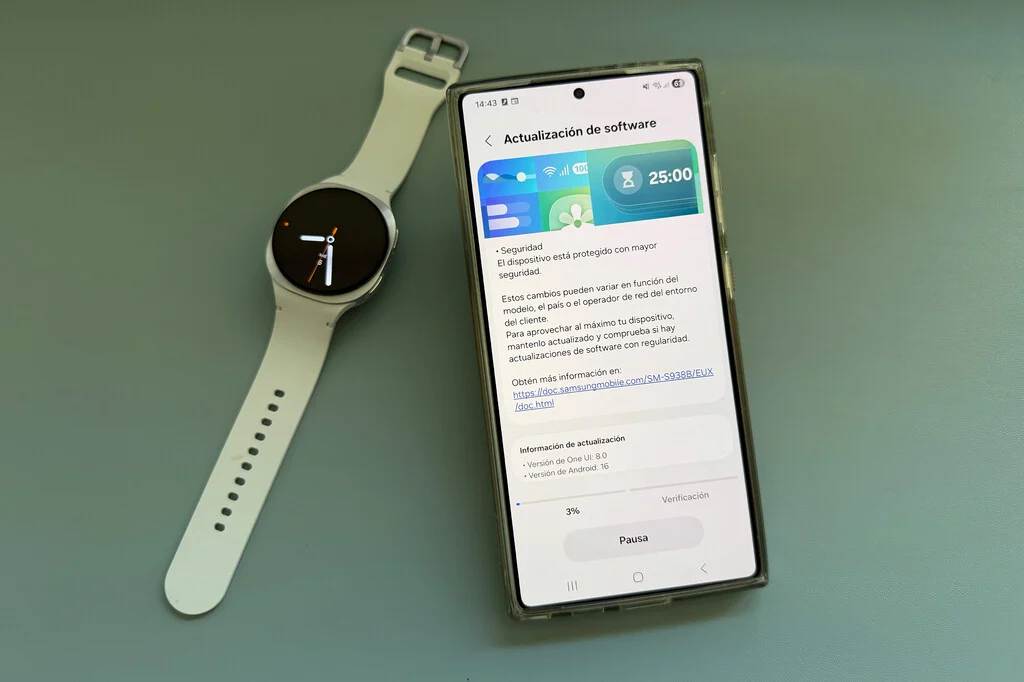

The technology giant Samsung has officially commenced the deployment of its May 2024 security update for a wide array of its Galaxy smartphones and tablets, an essential measure designed to fortify device security against an evolving landscape of cyber threats. This crucial update, which follows Google’s prior release for its Pixel devices, encompasses a total of 39 security fixes, meticulously addressing vulnerabilities identified within the Android operating system and Samsung’s proprietary software layers. Users are strongly encouraged to install this update promptly to safeguard their personal data and ensure the continued integrity of their devices in an increasingly complex digital environment.
The Imperative of Monthly Security Patches in a Connected World
In an era where digital devices are central to nearly every facet of daily life—from communication and personal banking to health monitoring and professional work—the importance of robust cybersecurity cannot be overstated. Smartphone manufacturers and operating system developers are engaged in a perpetual race against malicious actors who constantly seek new exploits and vulnerabilities to compromise user data and device integrity. This dynamic necessitates a structured and consistent approach to security updates, typically on a monthly cycle. These updates are not merely incremental improvements; they are vital shields against potential data breaches, unauthorized access, identity theft, and sophisticated malware infections. The May 2024 patch for Samsung Galaxy devices is a testament to this ongoing commitment, integrating critical fixes from both the core Android Open Source Project (AOSP) and Samsung’s own extensive software ecosystem. The rapid identification and remediation of vulnerabilities are paramount in maintaining user trust, adhering to global data protection regulations like GDPR, and ensuring the long-term viability and security posture of modern mobile platforms. Without these regular updates, devices would quickly become obsolete from a security standpoint, leaving users exposed to a myriad of risks.
A Dual Approach to Security: Google’s AOSP and Samsung’s SVEs
The security update process for Android devices operates on a collaborative model, primarily spearheaded by Google for the foundational Android system and subsequently implemented by Original Equipment Manufacturers (OEMs) like Samsung for their customized versions. This month’s patch exemplifies this dual strategy, incorporating a significant number of Common Vulnerabilities and Exposures (CVEs) identified by Google, alongside Samsung-specific Vulnerabilities and Exposures (SVEs). CVEs are globally recognized identifiers for publicly known cybersecurity vulnerabilities, while SVEs address security flaws unique to Samsung’s proprietary hardware, software, and user interface customizations. This layered approach ensures comprehensive protection, covering both the generic Android framework and the specific enhancements that differentiate a Galaxy device.
Google-Sourced Vulnerabilities: Addressing Core Android Weaknesses
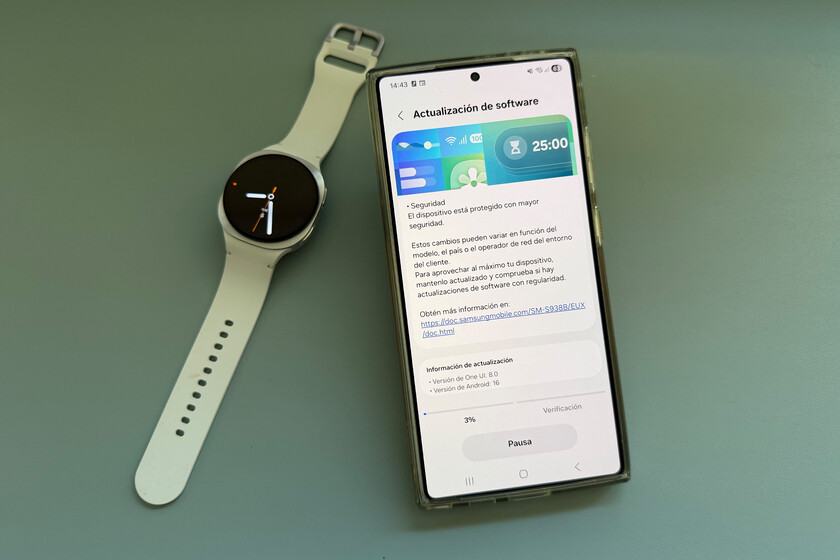
The May 2024 Android Security Bulletin details 29 fixes originating from Google, targeting vulnerabilities within the core Android operating system. Among these, two vulnerabilities have been classified as "critical." A critical severity rating signifies a vulnerability that could allow for remote code execution (RCE) without user interaction, or significant privilege escalation, potentially enabling an attacker to gain full control of a device simply by sending a malicious message, crafting a malicious file, or tricking a user into visiting a compromised website. Such exploits could bypass Android’s sandboxing mechanisms, leading to severe data exfiltration or device compromise. The remaining 27 Google-identified issues are categorized as "high" severity. While perhaps requiring more complex exploit chains or some user interaction, these "high" vulnerabilities could still lead to significant data exposure, system instability, denial of service, or unauthorized access to sensitive device functionalities.
Samsung’s swift integration of these patches underscores the importance of a unified front against widespread Android vulnerabilities that affect devices across various manufacturers. It is also noteworthy that Samsung had already proactively addressed a couple of these Google-identified issues in previous updates, demonstrating an internal security vigilance that occasionally anticipates or even outpaces the general AOSP release cycle. This proactive stance helps to mitigate risks even before official Google patches are widely distributed to the broader Android ecosystem, further enhancing the immediate security posture of Galaxy devices and reflecting Samsung’s significant investment in its security research teams.
Samsung-Specific Enhancements: Fortifying the Galaxy Ecosystem
Beyond the core Android fixes, Samsung’s May 2024 update introduces resolutions for 10 proprietary vulnerabilities, known as Samsung Vulnerabilities and Exposures (SVEs). These SVEs are unique to Samsung’s hardware components, custom software, the One UI interface, and pre-installed applications. Addressing these specific issues is crucial because they often reside in areas where Samsung has added unique functionalities, optimized hardware drivers, or implemented custom security features like Knox, which are not covered by standard AOSP patches. The security bulletin indicates that one of these SVEs is of "high" severity, while nine are categorized as "critical." The discrepancy between the stated "9 critical" SVEs and the detailed list of examples, which includes several "moderate" risk items, suggests that the full list of 10 SVEs may encompass others not specifically detailed in the public examples, or that the severity ratings can vary based on specific device configurations.
The specific examples provided by Samsung include:
- SVE-2026-0483 (CVE-2026-21019): Identified as a high-risk vulnerability affecting Android Watch versions 14 and 16. This likely addresses an exploit that could compromise the integrity or privacy of data on Samsung’s wearable devices, potentially impacting health data or payment information.
- SVE-2025-2186 (CVE-2026-21021): A moderate-risk vulnerability impacting Android 16.
- SVE-2026-0086 (CVE-2026-21015): A moderate-risk vulnerability affecting Android versions 14, 15, and 16.
- SVE-2026-0230 (CVE-2026-21016): Another moderate-risk vulnerability across Android 14, 15, and 16.
- SVE-2026-0252 (CVE-2026-21022): A moderate-risk issue for Android 15 and 16.
- SVE-2026-0478 (CVE-2026-21018): A moderate-risk vulnerability impacting Android 14, 15, and 16.
- SVE-2026-0623 (CVE-2026-21020): A moderate-risk vulnerability for Android 14, 15, and 16.
It is notable that several of these identifiers carry a "2026" designation. While security bulletins typically list vulnerabilities identified in the current or immediate past year, future-dated CVEs/SVEs can sometimes indicate issues discovered early but patched in the current cycle, or a standardized naming convention that anticipates future impact or expiration dates for the identifier itself. Journalistically, it is important to report the identifiers as provided by the manufacturer.
The presence of these SVEs, particularly those affecting multiple Android versions, highlights the continuous need for manufacturers to scrutinize their bespoke software and hardware integrations for potential security weaknesses. Resolving these vulnerabilities prevents sophisticated attacks that could target specific features or components unique to Samsung devices, such as camera modules, biometric sensors, custom kernel modifications, or the secure Knox environment. The "critical" rating for some of these SVEs indicates that an unpatched device could be exposed to threats ranging from unauthorized access to sensitive information to complete device takeover, potentially bypassing standard Android security mechanisms. This proactive patching helps maintain the integrity of Samsung’s robust security platform, Knox, which is critical for enterprise users and individuals alike.
Deployment Timeline and Device Coverage
The rollout of security updates typically follows a well-defined chronology and a phased approach. Google first releases the monthly Android Security Bulletin and corresponding patches for its Pixel devices at the beginning of each month. Following this, OEMs like Samsung integrate these patches into their respective device firmware, add their own SVE fixes, and then begin their phased deployment. This process involves extensive internal testing to ensure stability and compatibility across Samsung’s vast range of device models, various regional specifications, and numerous carrier networks. This meticulous testing, while ensuring reliability, can sometimes introduce a slight delay compared to Google’s immediate Pixel rollout.
For the May 2024 update, Samsung has confirmed that the patch will be available for the exact same set of Galaxy models that received the April security update. This consistency in coverage is a critical aspect of Samsung’s commitment to long-term software support for its flagship and popular mid-range devices. Users with eligible devices can expect to receive an over-the-air (OTA) notification as the update becomes available in their region. The phased rollout means that not all users will receive the update simultaneously; availability can vary based on geographical location, specific mobile carrier, and device variant. Some regions or carriers might receive the update earlier than others, while unlocked devices often receive updates faster than carrier-locked versions due to fewer intermediary testing requirements. Samsung’s recent policy of offering up to four generations of OS upgrades and five years of security updates for many of its newer devices, and even seven years for select flagship models, reflects an industry-leading commitment to device longevity and security.
Devices Nearing End-of-Life for Security Updates: Implications for Users
While many Galaxy devices continue to receive regular security updates, it is important to acknowledge that some models eventually reach the end of their supported lifecycle. For the May 2024 patch, models such as the Galaxy A13, Galaxy A23, and Galaxy M33 5G (though the latter was not widely sold in all markets) have officially fallen off the list of devices receiving ongoing security support. This means these devices will no longer receive patches for newly discovered vulnerabilities, making them progressively more susceptible to security
