
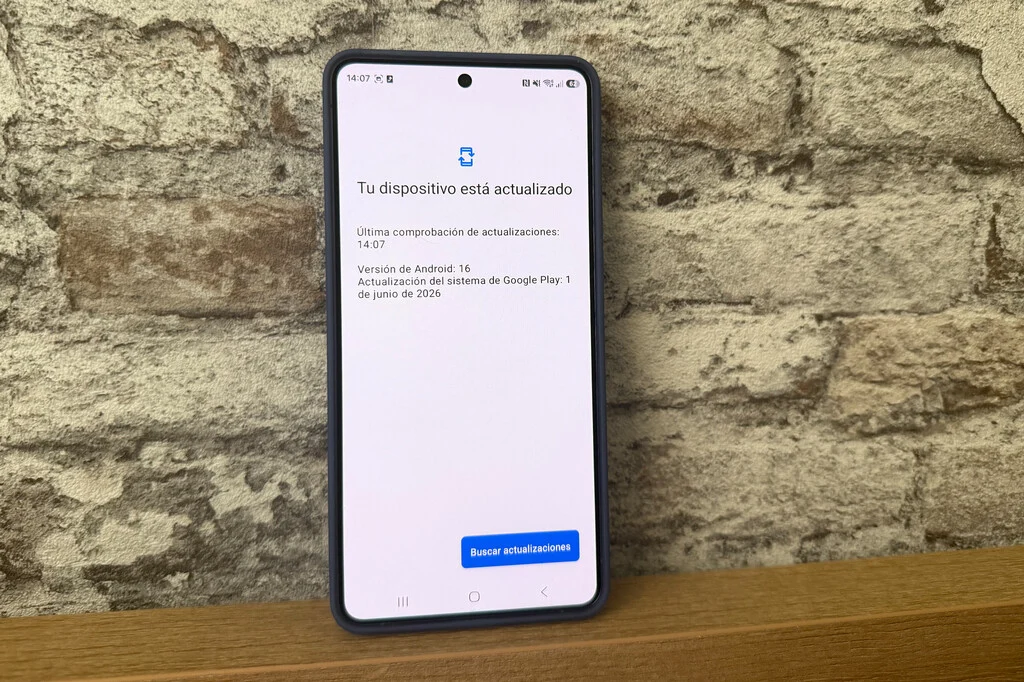

The highly anticipated July security update for Android devices is on the horizon, but before its widespread deployment, Samsung Galaxy users are receiving a critical new Google Play System update. This latest rollout, which notably brings devices up to the June version after a series of earlier updates in the preceding month failed to reflect the current month, is pivotal for maintaining the robust security and optimal performance of Android smartphones. These system updates, often overlooked in comparison to major Android version releases or monthly security patches, play an indispensable role in the ongoing health and resilience of the Android ecosystem.
The Significance of Google Play System Updates
Unlike traditional operating system updates or manufacturer-specific UI enhancements, Google Play System updates operate on a modular level, a mechanism introduced as part of Project Mainline starting with Android 10. This innovative approach allows Google to deliver crucial security fixes and performance improvements to core Android components directly through the Google Play Store, bypassing the often-lengthy process of requiring full OEM (Original Equipment Manufacturer) and carrier approval for an entire firmware update. This modularity is a game-changer in combating Android fragmentation, ensuring that a wider range of devices receive timely updates to critical components, irrespective of their Android version or manufacturer’s update cadence.
These updates are not merely supplementary; they address vulnerabilities and enhance functionalities within fundamental areas of the Android operating system. This includes, but is not limited to, improvements to media codecs, neural networks API, DNS resolver, ART runtime, and even the Android Mainline modules themselves. By updating these components independently, Google can swiftly patch newly discovered security flaws, improve system stability, and optimize resource management, leading to a smoother and more secure user experience. For Samsung Galaxy users, these updates are as vital as the monthly security patches and One UI improvements, directly impacting the device’s reliability and protection against evolving cyber threats.
Details of the Current Rollout
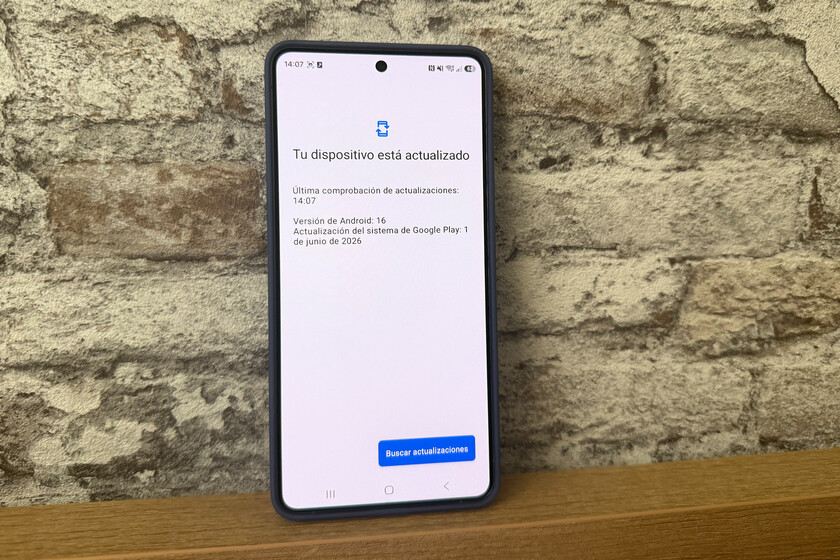
The latest update specifically brings Samsung Galaxy devices to the Google Play System version dated June 1, 2026. This follows a period in May and early June where several minor Google Play System updates were deployed, but for many users, the system information still indicated an older "major" version. This new update rectifies that, ensuring that the device’s core system components are aligned with the latest security and performance standards for June. Alongside the Google Play System update, an update for Google Play Services has also been observed, bringing it to version 26.24.34. Google Play Services is a crucial background application that powers many core Android functionalities, including authentication, contact synchronization, location services, and, importantly, the smooth operation of apps downloaded from the Play Store. Updating it ensures compatibility, efficiency, and security across the app ecosystem.
The weight of these patches varies depending on the specific Galaxy model, a common characteristic of Android updates due to hardware differences and regional software variations. These updates are designed to download automatically in the background once the device detects their availability. However, unlike full firmware updates that often require a dedicated installation process, Google Play System updates typically only necessitate a quick device restart to finalize their application. This streamlined process minimizes disruption to the user, reflecting Google’s commitment to making essential updates as seamless as possible.
A Chronology of Android Security and Update Efforts
The journey towards more consistent and timely Android updates has been a long one. Historically, Android users often faced significant delays in receiving security patches and new OS versions, a phenomenon known as fragmentation. This was primarily due to the complex update chain involving Google, chip manufacturers, OEMs like Samsung, and mobile carriers, each needing to test and approve software before deployment.
In response to these challenges, Google introduced several initiatives. The monthly Android security bulletin, launched in 2015, standardized the release of security patches. Project Treble, introduced with Android 8.0 Oreo, aimed to make it easier for OEMs to update devices to new Android versions by separating the Android framework from vendor implementations. Building on this, Project Mainline (Google Play System updates) emerged as the most direct method for Google to push critical updates to core system components, circumventing many of the traditional bottlenecks. This strategy has significantly improved the security posture of Android devices globally, allowing for rapid response to zero-day vulnerabilities and ongoing performance enhancements.
Samsung, as a leading Android OEM, has been a key partner in this evolution. The company has consistently worked to align its update schedules with Google’s releases, often being among the first to roll out monthly security patches and major Android version updates. Furthermore, Samsung has made industry-leading commitments to software support, promising up to seven years of security updates and OS upgrades for some of its flagship devices, setting a new benchmark for longevity in the Android space. This commitment underscores the company’s understanding of the importance of sustained software support for user security, device performance, and overall customer satisfaction.
Manual Installation and Gradual Rollout
While these Google Play System updates are designed to be automatic, there are instances where users might wish to manually check for and initiate the download. This can be particularly useful for those who want to ensure their device is on the absolute latest version without waiting for the automatic background process to complete. The procedure for manually checking and forcing the download on Samsung Galaxy devices is straightforward:
- Navigate to Settings.
- Select Security and privacy.
- Tap on Updates.
- Choose Google Play System updates.
- Finally, tap the Check for updates button.
Upon doing so, your Galaxy device will scan for any available updates. If one is found, it will begin downloading. Once the download is complete, the system will prompt you to restart your device to apply the update. A quick restart is all that is typically required to finalize the installation and ensure your device is running the latest Google Play System components.
It is crucial for users to understand that these deployments, like most software updates, are implemented in a gradual manner. This phased rollout strategy is standard practice across the industry, allowing manufacturers and platform providers to monitor for any unforeseen issues that might arise on specific device models or configurations. Consequently, not all Samsung Galaxy users will receive the update at the exact same time, nor will it be simultaneously available for all Galaxy models globally. If the update does not immediately appear when manually checking, users are advised to revisit the update section periodically over the next few days. Patience is key, as your Galaxy device will eventually receive the update, bringing it to the June 1 version.
Broader Implications for Android Security and User Experience
The continuous stream of Google Play System updates, complemented by monthly security patches and OEM-specific firmware updates, signifies a robust and maturing approach to mobile security. For end-users, this translates into a more secure digital environment, reducing the risk of data breaches, malware infections, and privacy compromises. The performance enhancements embedded within these updates also contribute to a smoother, more responsive user experience, ensuring that applications run efficiently and the device’s hardware is utilized optimally.
Furthermore, these modular updates empower Google to maintain a higher baseline of security and functionality across the vast Android ecosystem, mitigating the long-standing challenge of fragmentation. By providing a direct channel for critical updates, Google ensures that even older devices or those with slower OEM update cycles can still receive essential protections for core system components. This collaborative effort between Google and OEMs like Samsung is fundamental to the long-term health and trustworthiness of the Android platform, fostering user confidence and encouraging the adoption of new technologies.
As the tech landscape continues to evolve, with new threats and vulnerabilities emerging regularly, the importance of staying updated cannot be overstated. Users are strongly encouraged to enable automatic updates where possible and to periodically check for manual updates to ensure their devices are always running the latest software. This proactive approach is the best defense against cyber threats and the most reliable way to ensure optimal device performance and longevity. With the July security patch expected soon, the current Google Play System update serves as a vital preparatory step, reinforcing the foundational security and stability of Samsung Galaxy devices.
