
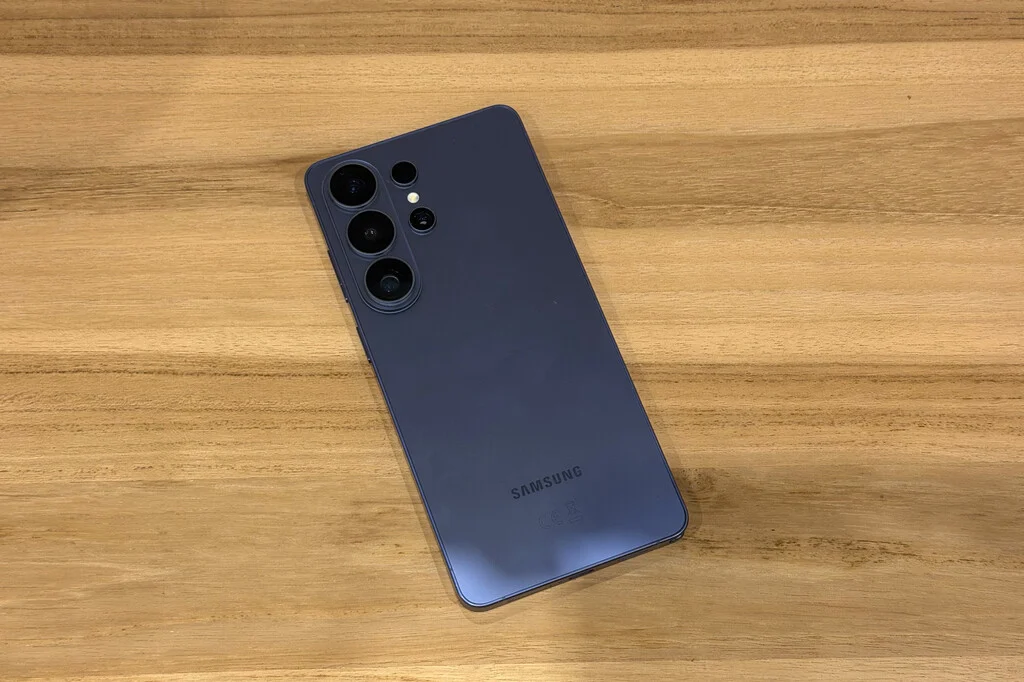

The current mobile technology landscape is witnessing a period of significant price volatility, driven by rising costs in semiconductor manufacturing and global logistics. In this context, Samsung Electronics has launched a strategic promotional campaign for its flagship Galaxy S26 Ultra, offering a rare opportunity for consumers to acquire the high-end device for under 1,000 euros. This move arrives amid circulating reports in the tech sector regarding imminent price hikes across the premium smartphone segment, positioning this specific offer as a potential window of opportunity for prospective buyers before broader market adjustments take effect.
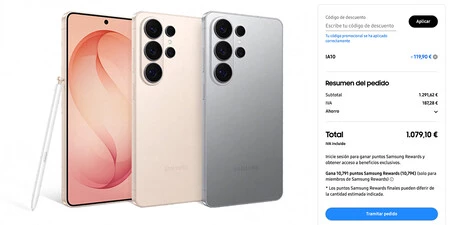
The offer, currently available through Samsung’s official digital storefront, allows for the acquisition of the 256GB variant of the Galaxy S26 Ultra for 979.10 euros. This figure represents a substantial reduction from the official retail price of 1,449 euros, amounting to a total saving of approximately 470 euros. The discount structure is tiered: an initial 10% reduction is applied via the promotional code "IA10," followed by an additional 100-euro incentive for users who opt for digital payment methods such as Bizum or PayPal.
Chronology of Market Speculation and Pricing Pressures
Throughout the first quarter of the year, industry analysts have tracked a consistent trend of rising component costs. The integration of advanced Artificial Intelligence (AI) processing units and the implementation of 3nm manufacturing processes for mobile SoCs (System-on-Chip) have placed upward pressure on the Bill of Materials (BOM) for flagship devices.
In late January and early February, supply chain rumors suggested that manufacturers might pass these increased production costs to the end consumer by the middle of the second quarter. While Samsung has maintained a competitive pricing strategy to capture market share, the current discount campaign is viewed by market observers as a tactical maneuver to stimulate demand during a period where consumer spending on premium electronics has shown signs of plateauing. The emergence of these rumors in social media channels and tech forums has fueled a "buy now" sentiment, which this latest promotion directly addresses.
Technical Specifications and Performance Metrics
The Samsung Galaxy S26 Ultra serves as the primary standard-bearer for the company’s current mobile portfolio. The device features a 6.9-inch Dynamic AMOLED 2X display with QHD+ resolution and a variable refresh rate of up to 120Hz. Notably, this model includes the "Privacy Screen" feature, an implementation designed to restrict viewing angles and enhance data security in public spaces, distinguishing it from previous iterations and competing flagship devices.
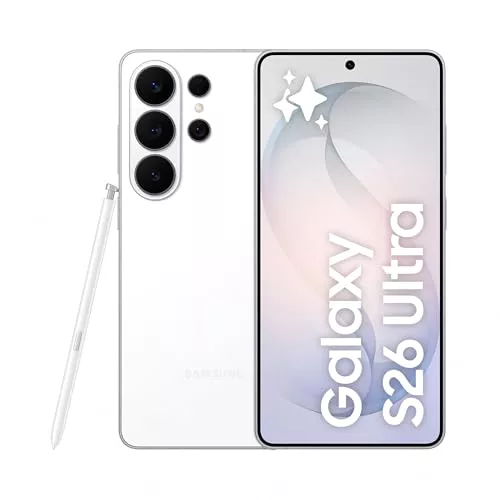
Under the hood, the device is powered by the Qualcomm Snapdragon 8 Elite Gen 5 processor, a chip specifically optimized for the Galaxy ecosystem. This integration aims to maximize efficiency in AI-driven tasks, which have become a cornerstone of the S26 series marketing. With 12GB of RAM as a base, the device is engineered to handle intensive multitasking and generative AI applications, such as real-time language translation and complex photo editing, with minimal latency.
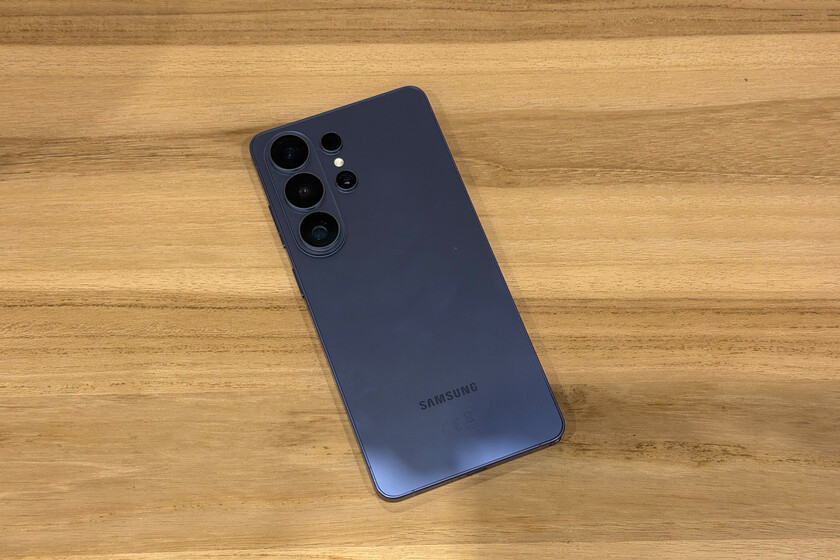
The camera architecture remains a focal point of the device’s value proposition. It features a quad-lens system led by a 200-megapixel primary sensor. Supporting this are a 10MP 3x telephoto lens, a 50MP 5x telephoto lens, and a 50MP ultra-wide sensor. This configuration is designed to provide versatility across varying lighting conditions and zoom ranges, catering to both professional and casual photography segments.
Operational Longevity and Software Support
A critical component of the S26 Ultra’s market longevity is Samsung’s commitment to long-term software support. The device launched with One UI 8.5 and is supported by a seven-year update policy. This ensures that the hardware remains relevant as software environments evolve toward the upcoming One UI 9 iteration. This commitment to longevity is a deliberate strategy to combat the cycle of rapid obsolescence that has historically plagued the smartphone market, effectively lowering the Total Cost of Ownership (TCO) for the end user.
The power management system is equally robust, featuring a 5,000 mAh battery capacity. Charging capabilities include 60W wired charging, Qi2 wireless charging standards, and reverse wireless charging, which allows the device to act as a power source for secondary peripherals such as wireless earbuds or smartwatches.
Broader Market Implications
The decision to offer such a significant discount on a flagship product within the first months of its lifecycle suggests a shift in how major manufacturers manage their inventory and price elasticity. Traditionally, premium models retained high price points for longer durations. However, the saturation of the high-end market and the rapid innovation cycle of AI features have forced a more aggressive approach to pricing.
Industry experts note that while these discounts benefit the consumer, they also signal a potential consolidation in the market. Manufacturers that can sustain high-volume production while maintaining margins through integrated services (such as AI subscription models or ecosystem lock-in) are better positioned to weather the current cost increases. Smaller manufacturers, lacking the scale of companies like Samsung, may struggle to match these price points, potentially leading to a market dominated by a few key players.

Furthermore, the integration of AI into the S26 series has served as a benchmark for the rest of the industry. The ability of the device to perform on-device processing without relying entirely on cloud-based servers is a significant technical milestone. As these features become standard, the value of the device is increasingly tied to its software intelligence rather than just its raw hardware performance.
Final Considerations for Consumers
For those considering the acquisition of the Galaxy S26 Ultra, the current promotion represents a convergence of favorable conditions: the availability of high-tier hardware at a reduced price and the hedge against future inflation of consumer electronics prices.
However, prospective buyers are encouraged to evaluate their specific usage needs. While the 256GB model is sufficient for most users, those engaged in high-resolution video production or extensive data-heavy applications may still find the 512GB or 1TB variants more suitable, even at higher price points. The promotional offer remains subject to inventory availability and internal changes by the manufacturer, as indicated by the disclaimer that prices may fluctuate based on real-time demand and promotional cycles.
In conclusion, the Samsung Galaxy S26 Ultra stands as a significant advancement in the current smartphone generation, blending high-performance hardware with long-term software viability. The current promotional pricing provides a tangible incentive for consumers to upgrade, while the broader context of the tech industry suggests that such price points may become increasingly rare as manufacturers grapple with the rising costs of the advanced components that define the modern mobile experience. As the market moves toward the next phase of mobile innovation, the S26 Ultra continues to serve as a critical reference point for what can be achieved when hardware and software integration are prioritized in tandem.
