
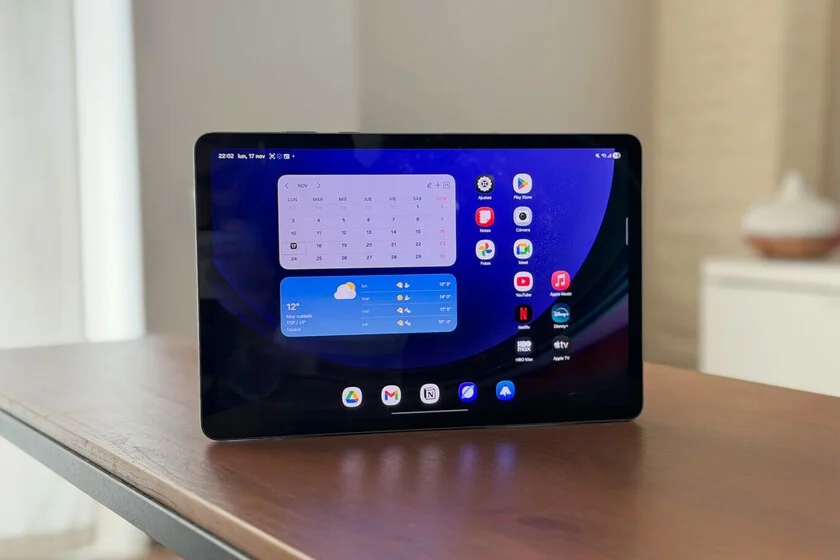

For years, users of Samsung’s Galaxy Tab lineup have observed a distinct design divergence from their smartphone counterparts. While the flagship Galaxy S series has long embraced sleek punch-hole camera cutouts for maximized screen real estate, Galaxy Tab devices have traditionally relied on more substantial bezels or, in some iterations, a discreet notch to house their front-facing cameras. This design disparity has often left tablets feeling a generation behind in terms of display modernity. However, recent discoveries within the beta build of One UI 9, Samsung’s proprietary interface layered over the forthcoming Android 17, suggest a significant shift may be on the horizon, potentially ushering in a new era of contemporary design for Samsung’s tablet offerings.
The initial indicators of this potential design overhaul emerged from a meticulous examination of the One UI 9 beta firmware. Developers and tech enthusiasts delving into the code have uncovered a pair of screen rotation animations. These animations, typically employed in help menus and configuration guides to illustrate device orientation, depict a tablet-shaped device featuring a front-facing camera elegantly integrated into a centered punch-hole cutout. The crucial detail lies in the dual presentation of this design: one animation shows the punch-hole camera centered along the longer edge of the display, an optimal placement for landscape mode usage, particularly for video conferencing. The other animation positions the punch-hole centered on the shorter edge, a configuration more akin to typical smartphone aesthetics, favoring portrait mode. This dual representation suggests either a versatile design approach or potentially different models catering to varied user preferences and orientations.
A Closer Look at the Firmware Discovery
The findings, initially reported by sources like SamMobile, pinpointed specific graphic assets within the first beta of One UI 9. These assets are not merely static images but dynamic animations that demonstrate a tablet rotating. The device portrayed within these animations clearly deviates from the current design language of existing Galaxy Tabs, which either feature a noticeable bezel at the top (when held in portrait) or a small notch. The presence of a punch-hole, a design element synonymous with Samsung’s premium smartphones, immediately caught the attention of the tech community.
The significance of the dual camera placement cannot be overstated. When a tablet is used in landscape orientation, which is common for media consumption, productivity tasks, and especially video calls, a camera placed on the longer edge would naturally sit at the top center, offering a more intuitive and symmetrical framing for the user. This aligns with a growing trend in tablet design, where manufacturers are increasingly optimizing for landscape use given the rise of hybrid work and remote communication. Conversely, placing the camera on the shorter edge mirrors the traditional smartphone setup, which might be preferred by users who frequently hold their tablets in portrait mode for reading or browsing. The inclusion of both scenarios within the beta firmware could imply Samsung is exploring different form factors or aiming to offer a more adaptable user experience across its future tablet lineup. The images, attributed to Abhijeet Mishra and shared widely, provide concrete visual evidence of this potential design direction.
Historical Context and Samsung’s Design Evolution
To fully appreciate the potential impact of this shift, it’s essential to contextualize Samsung’s design philosophy and the evolution of tablet form factors. When tablets first gained widespread popularity in the early 2010s, thick bezels were the industry standard. These bezels served functional purposes, providing a grip area without accidental screen touches and housing components like front cameras and sensors. As smartphone technology advanced rapidly, pushing towards edge-to-edge displays with minimal bezels, tablets largely lagged behind. This was partly due to different use cases; while smartphones prioritize portability and single-hand use, tablets often function as secondary computing devices, where a slightly larger bezel might still be considered acceptable for ergonomic reasons.
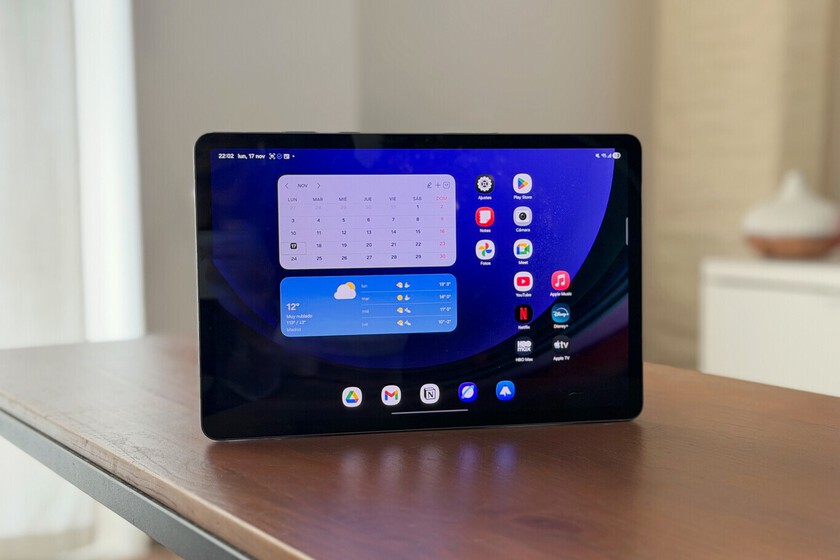
Samsung, a pioneer in both smartphone and tablet markets, has consistently pushed design boundaries. The Galaxy S series, starting with models like the Galaxy S10, embraced the punch-hole camera as a way to achieve high screen-to-body ratios without resorting to the controversial notch design popularised by some competitors. This move was largely driven by consumer demand for more immersive displays for gaming and media. For its tablets, however, Samsung has been more conservative. The premium Galaxy Tab S series, while featuring impressive AMOLED displays and powerful internals, has maintained a more traditional bezel design. For instance, the Galaxy Tab S8 series, launched in early 2022, still features a relatively prominent bezel, even if it’s slimmer than older generations. The Galaxy Tab S9 series, unveiled in mid-2023, continued this trend, offering refinements but no radical departure in camera housing. This conservative approach has often been attributed to manufacturing complexities associated with larger displays, cost considerations, and perhaps a perceived lower urgency for radical bezel reduction in a device category where grip and component housing are still significant factors.
The Significance of a Punch-Hole for Tablets
The adoption of a punch-hole design in Galaxy Tabs would mark a significant leap forward in several key areas:
- Aesthetics and Modernity: A punch-hole camera immediately lends a more contemporary and premium feel to a device. It aligns the tablet’s design language with Samsung’s latest smartphones, creating a cohesive brand identity across its ecosystem. This can be a strong selling point for consumers who expect cutting-edge design from flagship products.
- Increased Screen-to-Body Ratio: By relocating the camera from the bezel into the active display area, the punch-hole design allows for a larger screen within the same physical footprint, or a smaller, more portable device with the same display size. This translates to a more immersive viewing experience for movies, games, and digital content.
- Enhanced User Experience: For productivity and entertainment, a less obstructed screen is always preferable. Video calls, a prominent use case for tablets, would benefit from a camera that feels less intrusive and more integrated into the display. The optimal placement of the camera on the longer edge for landscape video calls directly addresses a common user pain point, where current tablet cameras often appear off-center or in an awkward position when the device is held horizontally.
- Competitive Edge: This design upgrade could provide Samsung with a competitive advantage, particularly against Apple’s iPad lineup. While iPads boast powerful performance and a robust app ecosystem, many models still feature noticeable bezels. A truly bezel-less or punch-hole equipped Galaxy Tab could appeal to users prioritizing cutting-edge display technology.
The Crucial Caveat: Not Yet a Confirmation
Despite the excitement generated by these findings, it is imperative to exercise caution and temper expectations. The appearance of a few animations within a beta firmware build is not, by itself, definitive proof of an impending product launch or a confirmed design change. Samsung, like many other technology companies, frequently uses generic device illustrations in its help screens, tutorials, and promotional materials. These illustrations may serve as placeholders, conceptual designs, or simply generic representations that do not directly correspond to a real, upcoming product.
Several factors contribute to this cautious perspective:
- Beta Software Volatility: Beta firmware is inherently unstable and subject to change. Features, assets, and even design elements can be added, removed, or altered before the final public release. What appears in an early beta might not make it into the stable version.
- Generic Asset Usage: Companies often employ generic device mock-ups to avoid leaking future product designs prematurely. The current animations could be an updated generic placeholder that merely reflects a general direction for future design rather than a specific product.
- The "New" Factor as a Counter-Argument: While the generic asset argument holds weight, the fact that these specific animations are new and depict a different design (punch-hole) compared to previous generic tablet illustrations (which typically showed bezels or notches) lends them more credibility as potential indicators. If Samsung merely needed a generic tablet image, it could have reused older assets. The intentional creation of new animations with a punch-hole suggests a deliberate choice.
- Analyst Consensus: Industry analysts and tech journalists often advise against drawing firm conclusions from early firmware leaks, preferring to wait for more substantial evidence such as CAD renders, supply chain leaks, or official announcements. However, these leaks often serve as valuable early whispers, guiding speculation and setting the stage for future reveals.
Therefore, while the discovery is undeniably exciting and points towards a plausible future for Galaxy Tabs, it should be treated as a strong possibility rather than a confirmed reality. It is a compelling hint that Samsung is at least exploring, if not actively developing, tablets with this modern display aesthetic.
Timeline and Potential Product Integration

Should these punch-hole camera animations translate into a tangible product, it is highly unlikely to materialize in the immediate future. The timeline suggested by the One UI 9 / Android 17 connection places any such device further down the road. Android 17 is still a distant prospect, typically releasing in the latter half of the calendar year, meaning One UI 9 (based on Android 17) would likely arrive on devices in late 2025 or even early 2026. This extended timeline offers Samsung ample opportunity to refine the design and integrate it into its product roadmap.
Samsung’s traditional product launch cadence also provides further clues. The company typically holds several major Unpacked events throughout the year:
- Early Year (January/February): Primarily focused on the flagship Galaxy S series smartphones.
- Mid-Year (July/August): Dedicated to the foldable smartphone lineup (Galaxy Z Fold and Z Flip) and often accompanied by new smartwatches and earbuds.
- Late Year (September/October): Historically, this slot has sometimes been used for other key product launches, including high-end tablets.
The upcoming Unpacked event in July is widely expected to focus heavily on the next generation of Samsung’s foldable phones. It is highly improbable that new Galaxy Tab models, especially those featuring a significant design overhaul like a punch-hole camera, would be unveiled at this event. Samsung has a history of segmenting its product launches to ensure each category receives adequate attention.
Given this, if a punch-hole camera Galaxy Tab is indeed in the works, the most logical candidate for its debut would be the next-generation flagship Galaxy Tab S series. This would likely be the Galaxy Tab S11 or potentially the Galaxy Tab S12, depending on Samsung’s naming convention and release cycle for its premium tablets. This would mean a launch sometime in 2025 at the earliest, or more realistically, in 2026, aligning with the Android 17 / One UI 9 timeline.
For consumers contemplating a tablet purchase in the near term, this potential future development should not be a cause for concern regarding immediate "design obsolescence." The current generation of Galaxy Tab S devices offers state-of-the-art performance, stunning AMOLED displays, and robust ecosystems. Any significant design refresh, if it arrives, is still a considerable time away, ensuring that current models will remain relevant and aesthetically pleasing for many years.
Broader Implications and Market Trends
The potential shift towards punch-hole cameras in Samsung tablets is indicative of broader trends within the consumer electronics market. There is an undeniable push towards minimizing bezels and maximizing screen real estate across all device categories. As display technology advances, allowing for thinner panels and more intricate cutouts, manufacturers are eager to deliver a seamless, immersive visual experience.
This move would also signify a greater convergence in design philosophy between Samsung’s smartphone and tablet lines. By adopting a consistent aesthetic, Samsung can reinforce its brand identity and offer a more unified user experience across its device ecosystem. This consistency can simplify software development, allow for shared UI elements, and create a more familiar environment for users transitioning between their Galaxy phone and tablet.

In the competitive tablet market, such a design change could bolster Samsung’s position. While Apple’s iPads continue to dominate, Samsung’s continuous innovation in display technology, coupled with the versatility of Android and features like DeX (desktop experience), provides a compelling alternative. A punch-hole design would allow Samsung to differentiate its premium tablets aesthetically, offering a modern, sleek look that could appeal to a wider segment of tech-savvy consumers.
However, integrating a punch-hole into a larger tablet display might present unique engineering challenges compared to a smartphone. The larger surface area could potentially make the camera cutout more noticeable depending on its size and placement. Samsung’s expertise in display manufacturing, particularly its prowess with AMOLED panels, positions it well to overcome these challenges and deliver a refined implementation.
Conclusion
The discovery of punch-hole camera animations within the One UI 9 beta is a tantalizing glimpse into the future of Samsung’s Galaxy Tab lineup. While not a definitive confirmation, the novelty of these animations, depicting a design departure from current models and showcasing dual placement options, strongly suggests that Samsung is actively exploring a more modern, immersive display aesthetic for its tablets.
This potential shift would bring Galaxy Tab designs more in line with the contemporary smartphone aesthetic, offering enhanced screen-to-body ratios and a cleaner user experience. However, the timeline indicated by Android 17 and Samsung’s traditional product launch cycles suggests that any such design overhaul is still several years away, likely debuting with the next-next generation of Galaxy Tab S series devices. For now, consumers can continue to enjoy the excellent current offerings from Samsung’s tablet portfolio, knowing that the company is continually pushing the boundaries of design and technology for future iterations. The tech community will undoubtedly be monitoring future firmware updates and official announcements closely for further clues regarding this exciting potential evolution.
