

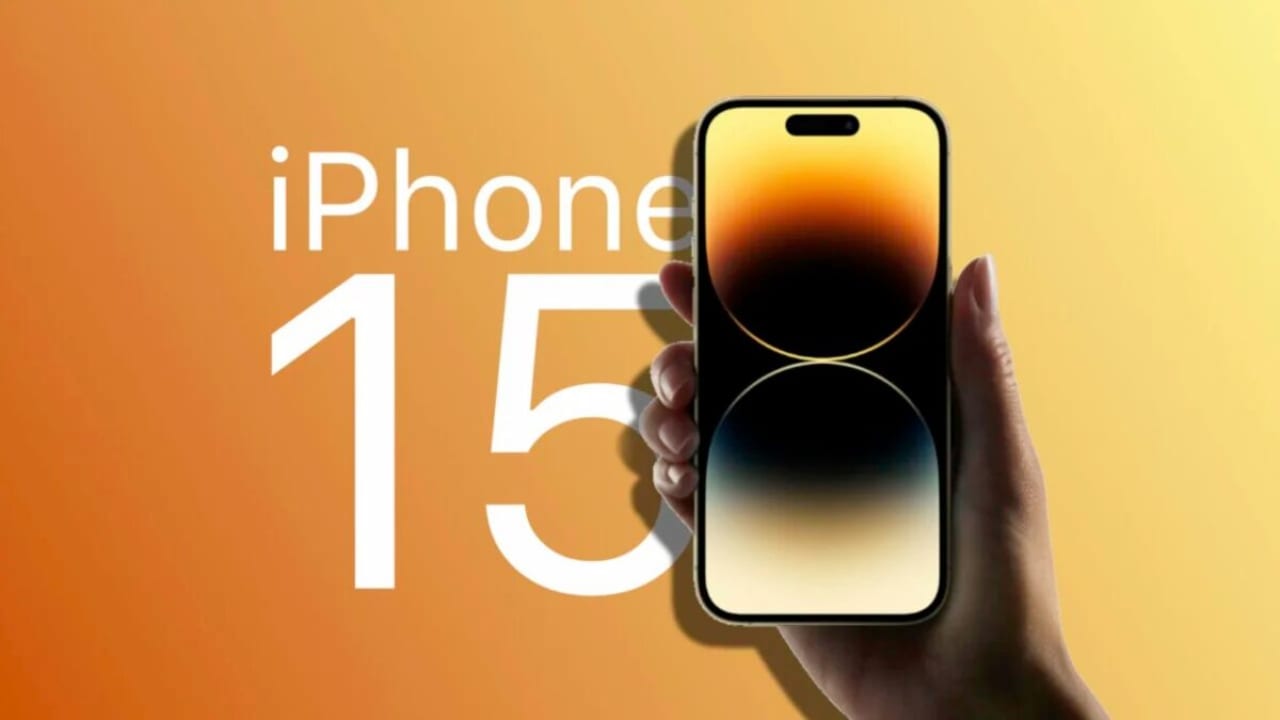
The telecommunications landscape is on the precipice of a significant transformation as Apple, a perennial pacesetter in consumer technology, reportedly prepares to expand its eSIM-only architecture to the iPhone 15 lineup. This move follows the precedent set by the United States version of the iPhone 14, which removed the physical SIM tray entirely, signaling a definitive shift away from the removable plastic cards that have defined mobile connectivity for over three decades. As the industry anticipates the debut of the iPhone 15, the transition to an embedded SIM (eSIM) design remains a polarizing topic, balancing the promises of streamlined engineering and enhanced security against the practical challenges of global carrier adoption and consumer flexibility.
The Evolution of the Subscriber Identity Module
To understand the weight of Apple’s rumored decision, one must look at the trajectory of the Subscriber Identity Module (SIM). Originally the size of a credit card in the early 1990s, the SIM has undergone several miniaturization phases—from Mini-SIM to Micro-SIM, and eventually the Nano-SIM introduced with the iPhone 5 in 2012. The eSIM, or Embedded Universal Integrated Circuit Card (eUICC), represents the final stage of this evolution: a programmable chip soldered directly onto the device’s logic board.
Unlike its physical predecessors, the eSIM is not a passive storage device but a sophisticated, rewritable piece of hardware. It allows users to download carrier profiles over-the-air (OTA) via the internet. According to the GSMA, the global organization representing mobile operators, eSIM technology is designed to simplify the process of switching providers and managing multiple subscriptions on a single device. As of late 2022, over 800 carriers worldwide supported eSIM services, a number that has grown exponentially as Apple and other manufacturers like Google and Samsung have integrated the technology into their flagship models.
The Rumored iPhone 15 Transition Strategy
Industry analysts, most notably Ming-Chi Kuo of TF International Securities, have suggested that Apple’s transition to eSIM-only hardware will be phased. While the US market has already seen the removal of the SIM tray, the iPhone 15 launch is expected to extend this design to several European and Asian markets.
Current reports indicate a tiered approach: the high-end iPhone 15 Pro and iPhone 15 Pro Max are the primary candidates for the eSIM-only design in international markets. Meanwhile, the standard iPhone 15 and iPhone 15 Plus may retain the physical SIM slot in certain regions for one more cycle to accommodate slower infrastructure updates. By 2024, however, it is widely expected that the physical SIM slot will be retired from the global iPhone lineup entirely. This strategy mirrors Apple’s historical removal of the 3.5mm headphone jack and the transition to USB-C—moves that initially sparked consumer backlash but eventually dictated industry-wide standards.
Engineering Advantages: Reclaiming Internal Real Estate
One of the primary drivers for removing the physical SIM tray is the pursuit of "internal real estate." In the world of smartphone engineering, every square millimeter is a precious commodity. A physical SIM tray requires not only the external slot but also an internal reader, a spring-loaded ejection mechanism, and a dedicated portion of the logic board.
By eliminating these components, Apple engineers can reclaim space that could be utilized for:
- Increased Battery Capacity: Even a small increase in volume can allow for a higher-density battery, potentially extending the iPhone 15’s daily runtime.
- Enhanced Thermal Management: Additional space allows for improved heat dissipation systems, which are critical for the high-performance A17 Bionic chips expected in the Pro models.
- Advanced Sensors: The space could house updated haptic engines or additional camera sensors, further distancing the iPhone from its competitors in terms of hardware capability.
Durability and Structural Integrity
The removal of the SIM slot also contributes to the device’s structural integrity. Every opening in a smartphone’s chassis—whether it is a charging port, speaker grille, or SIM tray—represents a potential point of ingress for water and dust. While modern iPhones boast an IP68 rating, the SIM tray remains a vulnerable area, relying on a small rubber gasket that can degrade over time or fail if the tray is not seated correctly.
An eSIM-only iPhone 15 would feature a more "sealed" design. This reduction in physical ports simplifies the manufacturing process and theoretically allows for even higher water resistance ratings, potentially moving beyond the current 6-meter depth limit for 30 minutes.
Security Implications: Combatting SIM Swapping
From a security perspective, the eSIM offers a robust defense against "SIM swapping," a form of identity theft that has plagued the telecommunications industry. In a traditional SIM swap attack, a malicious actor convinces a carrier to port a victim’s phone number to a new physical SIM card in the attacker’s possession. Once they control the number, they can bypass two-factor authentication (2FA) for bank accounts, email, and social media.
Because an eSIM is embedded in the hardware, it cannot be physically stolen or swapped into another device without the user’s digital authorization. Furthermore, if an iPhone 15 is stolen, the thief cannot simply remove the SIM card to prevent the device from being tracked via the "Find My" network. The eSIM remains active and connected to the network as long as the device has power, significantly increasing the chances of recovery and deterring theft.
The Traveler’s Dilemma and International Friction
Despite the technological benefits, the transition to eSIM-only remains controversial, particularly for frequent international travelers. For decades, the standard practice for travelers landing in a new country was to purchase a local "burnable" SIM card at the airport to avoid exorbitant roaming charges.
In an eSIM-only world, this process changes:
- Digital Onboarding: Travelers must now rely on carrier apps or QR codes to activate local plans. While companies like Airalo and Holafly have simplified this by offering global eSIM data plans, these services are often more expensive than local physical SIMs and may not provide a local phone number for voice calls.
- Infrastructure Gaps: In many developing nations, the infrastructure for eSIM is either non-existent or restricted to premium post-paid contracts. A traveler with an eSIM-only iPhone 15 might find themselves unable to connect to local networks in regions where physical SIM cards remain the only medium of exchange.
Market Reactions and Carrier Readiness
The telecommunications industry’s reaction to the eSIM-only rumor has been a mix of proactive adaptation and cautious observation. In the United States, major carriers like AT&T, Verizon, and T-Mobile have fully embraced the shift, utilizing Apple’s "eSIM Quick Transfer" tool to allow users to move their plans between devices via Bluetooth.
However, the situation is more complex for Mobile Virtual Network Operators (MVNOs) and regional carriers. Smaller providers often lack the "Entitlement Servers" required to automate eSIM activation, forcing customers to call customer service or visit a physical store—negating the "convenience" factor of the technology. According to data from Counterpoint Research, while eSIM adoption is high in North America and Western Europe, it remains below 20% in parts of Latin America and Africa. Apple’s decision to go eSIM-only may force these carriers to accelerate their digital transformations, effectively dragging the global industry into the future.
Environmental Impact and Sustainability
An often-overlooked benefit of the eSIM transition is the reduction in plastic waste. Every year, billions of physical SIM cards are produced, packaged, and shipped globally. These cards are composed of PVC, silicon, and gold, and they are frequently discarded after a single use or when a user switches devices.
By moving to an embedded design, Apple can significantly reduce its environmental footprint. This aligns with the company’s "Apple 2030" goal to make its entire supply chain and product lifecycle carbon neutral. The elimination of physical cards reduces the need for plastic manufacturing and the carbon emissions associated with the logistics of distributing physical SIMs to retail locations worldwide.
Analysis of Long-term Implications
The shift toward the iPhone 15 being eSIM-only is more than just a hardware change; it is a shift in the power dynamic between hardware manufacturers and telecommunications carriers. With eSIM, Apple gains more control over the user experience, allowing for a "frictionless" setup that bypasses the traditional retail store visit.
However, this also raises concerns about "vendor lock-in." If the process of switching carriers is managed entirely through Apple’s software interface, the company becomes the gatekeeper of cellular connectivity. Critics argue that this could eventually lead to a scenario where Apple or Google could dictate terms to carriers, rather than the other way around.
Furthermore, the resale market for iPhones may face temporary volatility. A used iPhone 15 Pro Max without a SIM slot may be less attractive to a buyer in a country where eSIM support is limited. Apple will likely need to implement more robust "factory reset" protocols to ensure that an eSIM profile is completely wiped and the device is "unlocked" for the next user, preventing any residual connection to the previous owner’s account.
Conclusion: Embracing the Digital-First Future
As the iPhone 15 lineup nears its official unveiling, the move toward an eSIM-only design appears to be an inevitable step in the evolution of the smartphone. While the transition will undoubtedly present challenges—particularly for travelers and users on smaller carrier networks—the benefits of improved design, enhanced security, and environmental sustainability provide a compelling case for the change.
Apple has a history of making "courageous" decisions that initially alienate a segment of the user base only to become the industry standard within a few years. Just as the world moved past floppy disks, optical drives, and headphone jacks, the physical SIM card is likely destined for the museum of technology. The iPhone 15 Pro may very well be remembered as the device that finally cut the cord, ushering in an era of truly digital, borderless connectivity. Whether the global infrastructure is fully ready for this leap remains to be seen, but Apple’s trajectory suggests that the future of mobile communication is already soldered into the board.
