
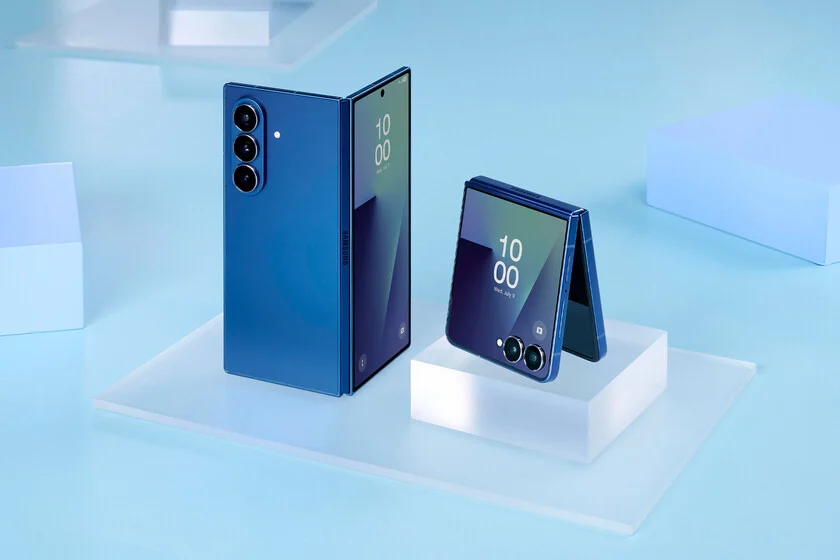

As the highly anticipated Unpacked event draws near, Samsung Electronics is taking a reflective journey through the past seven years, marking the anniversary of its pioneering entry into the foldable smartphone market. This period has been characterized by relentless innovation, overcoming significant technological hurdles, and ultimately, transforming consumer perceptions of mobile devices. With the imminent launch of the eighth generation of its iconic Galaxy Z Fold and Galaxy Z Flip series, the South Korean tech giant has meticulously reviewed its evolutionary path, identifying three fundamental characteristics that have not only defined but also irrevocably altered the trajectory of the foldable category.
A Retrospective on Seven Years of Pioneering Foldable Technology
The concept of a flexible screen had captivated technologists for decades, but it was Samsung that brought it from the realm of prototypes to commercial reality with the launch of the original Galaxy Fold in 2019. This audacious move, while initially met with skepticism and early durability challenges, signaled a bold new direction for the stagnant smartphone industry. The first iteration, a groundbreaking device that promised a tablet-sized screen in a phone-sized package, faced public scrutiny over its robust build and screen resilience. However, Samsung’s swift response, including a comprehensive redesign and re-launch, underscored its unwavering commitment to the nascent technology. This initial hurdle, rather than a deterrent, became a crucible that forged a stronger, more resilient product line and demonstrated the company’s dedication to perfecting the foldable form factor.
The subsequent years saw a rapid succession of refinements and expansions to the Galaxy Z lineup. In 2020, Samsung introduced the Galaxy Z Flip, a clamshell-style foldable that prioritized compact portability and a stylish design, effectively broadening the appeal of foldables beyond the productivity-focused Fold series. This generation also marked the introduction of Ultra Thin Glass (UTG), a crucial technological leap that provided enhanced display durability and a more premium tactile experience. Each subsequent generation, from the Z Fold2 and Z Flip to the Z Fold5 and Z Flip5, brought incremental yet significant improvements: more robust hinges, increased water resistance ratings, enhanced processor performance, optimized software experiences (such as Flex Mode), and larger, more functional cover screens on the Flip models. The addition of S Pen support to the Z Fold series further blurred the lines between smartphone and tablet, catering to power users seeking enhanced productivity. This steady cadence of innovation has been instrumental in building consumer trust and solidifying Samsung’s leadership in this cutting-edge segment.
Samsung’s Three Pillars of Foldable Revolution
From its deep dive into the evolutionary journey of the Galaxy Z series, Samsung has pinpointed three defining characteristics that it believes have been pivotal in shaping and advancing the foldable category:
1. Breakthrough in Flexible Display Technology: At the heart of every foldable smartphone lies its flexible display. Samsung’s pioneering work in AMOLED display technology, particularly the development of screens capable of bending and folding hundreds of thousands of times without degradation, has been paramount. The introduction of Ultra Thin Glass (UTG) was a critical innovation, offering a more durable and premium-feeling surface compared to the initial plastic protective layers. This technological prowess not only enabled the physical act of folding but also ensured a vibrant, high-resolution visual experience consistent with Samsung’s legacy in display excellence. The ability to produce mass quantities of these complex components has given Samsung a significant competitive advantage, allowing for consistent quality and continuous improvement in screen resilience and optical performance. This focus on display innovation directly addressed the initial skepticism around durability, transforming a perceived weakness into a core strength.
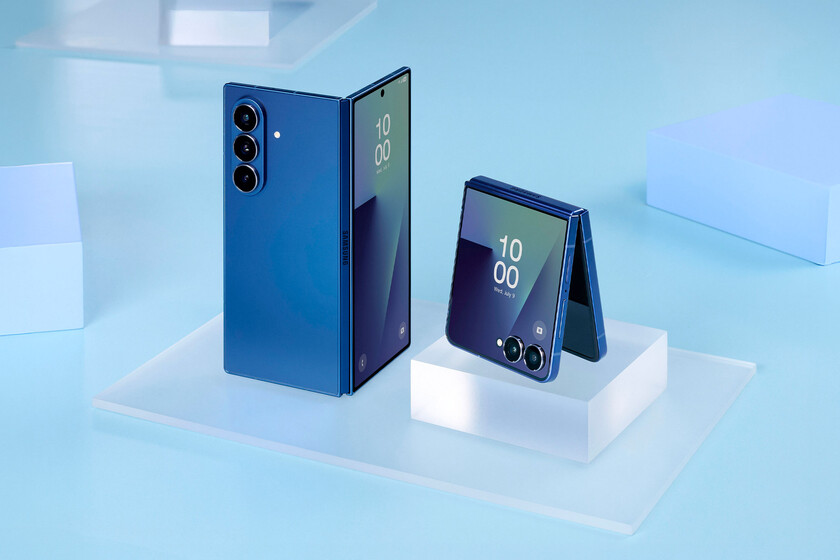
2. Redefining Form Factor and User Experience: The very essence of a foldable device is its ability to transform, offering multiple form factors within a single device. Samsung’s dual-pronged approach with the tablet-like Galaxy Z Fold and the compact Galaxy Z Flip demonstrated a profound understanding of diverse user needs. The Z Fold, with its expansive inner display, caters to professionals and multimedia enthusiasts who demand a larger canvas for multitasking, content consumption, and creative work. Features like Flex Mode, which allows the device to be partially folded and self-standing, have unlocked new interaction paradigms for video calls, photography, and content viewing. The Z Flip, on the other hand, reinvents portability, offering a full-sized smartphone experience that folds into an incredibly compact form factor, appealing to users prioritizing style, convenience, and a nostalgia for flip phones. This strategic differentiation in form factors, coupled with continuous software optimization to leverage the unique hardware, has not just offered new devices but fundamentally redefined the mobile user experience, making smartphones more versatile and adaptable than ever before.
3. Unwavering Commitment to Durability and Reliability: Perhaps the most significant challenge and triumph for foldable technology has been overcoming initial concerns regarding durability. From the initial Galaxy Fold’s early issues, Samsung embarked on an intensive mission to engineer devices that could withstand the rigors of daily use. This commitment is evident in the continuous improvements to hinge mechanisms, which have become more sophisticated, dust-resistant, and capable of maintaining a specific angle for Flex Mode. The introduction of IPX8 water resistance on later models was a monumental achievement for a device with moving parts, providing users with peace of mind. Material science advancements, including stronger aluminum frames and improved screen protectors, have further bolstered the physical resilience of these devices. This persistent focus on engineering robust and reliable foldables has been critical in shifting public perception, transforming foldables from fragile novelties into dependable daily drivers, thereby fostering widespread consumer confidence.
The Evolving Landscape of Foldable Market Acceptance
The journey from initial skepticism to widespread consumer acceptance has been remarkable. Back in 2019, the idea of a folding phone seemed futuristic and perhaps impractical to many. However, fast forward to today, and the market narrative has dramatically shifted. Industry reports consistently highlight the surging growth in the foldable smartphone segment, often outpacing the growth of the traditional smartphone market.
Surging Sales and Market Dominance: Data from market intelligence firms such as IDC and Counterpoint Research illustrate this trend vividly. Global foldable smartphone shipments have shown exponential year-over-year growth, with projections indicating a continued upward trajectory. For instance, global foldable shipments grew by over 60% in 2022 and continued to expand significantly in 2023, even as the overall smartphone market faced headwinds. Samsung has been the undisputed leader in this burgeoning market, consistently capturing a dominant share of global foldable sales. While competition has intensified with entries from Chinese manufacturers like Huawei, Xiaomi, Oppo, and Vivo, as well as Google’s Pixel Fold, Samsung’s early mover advantage, extensive R&D, and robust supply chain have allowed it to maintain a formidable lead. The article’s reference to Samsung holding 93% of foldable sales in Spain underscores its near-monopoly in certain regional markets, a testament to its brand strength and product maturity. This dominance is not merely a matter of market share but also reflects the trust and recognition Samsung has built among consumers for its pioneering work in the category.
Shifting Consumer Perceptions: The transformation in consumer sentiment towards foldables is perhaps the most telling indicator of their success. What was once considered a niche, expensive, and potentially fragile device is now increasingly viewed as a viable, innovative, and even desirable option. Surveys indicate a growing willingness among consumers to consider a foldable for their next smartphone purchase, driven by improved durability, enhanced user experiences, and increasingly competitive pricing. Early adopters have become enthusiastic advocates, showcasing the practical benefits and unique functionalities of their devices. This shift is also fueled by improved software ecosystems that leverage the foldable form factor, offering seamless transitions between modes and optimized applications. The initial perception of foldables as a luxury gadget is gradually evolving towards a recognition of their functional utility and forward-thinking design.
Gearing Up for the Eighth Generation: A Glimpse into the Future
This summer, Samsung is poised to unveil its eighth generation of foldable devices, an event eagerly awaited by tech enthusiasts and industry observers alike. Rumors and official teasers suggest that this upcoming launch will feature significant advancements, potentially including a completely new model or a radical redesign of an existing one.
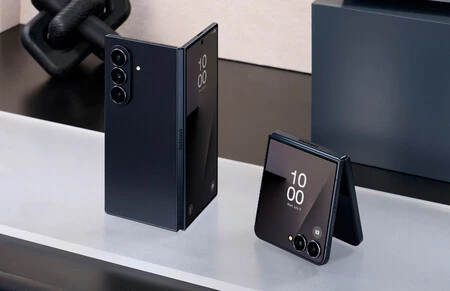
Anticipated Innovations and Design Shifts: Speculation is rife about the Galaxy Z Fold8 and Z Flip8, with particular attention paid to the possibility of a "completely new model" or a significant design departure for the Fold series. Teasers have hinted at a new format that is described as "wider and lower," suggesting a re-evaluation of the aspect ratio for the cover screen and the unfolded main display. A wider cover screen could address a common user feedback point, making the external display more usable for typing and general navigation without needing to open the device. A "lower" aspect might imply a more squarish inner display, optimized for multitasking and app compatibility. Beyond form factor, expect improvements in processor efficiency, camera technology, and potentially advancements in battery life and charging speeds, all while maintaining or further improving durability standards. Samsung’s continuous investment in hinge technology also promises an even more seamless and robust folding experience.
Strategic Implications of a New Form Factor: The introduction of a significantly altered form factor, such as a wider and lower design for the Fold, represents another calculated risk by Samsung. However, given its track record, this strategic gamble is likely to pay off. A more user-friendly cover screen could significantly enhance the device’s utility in its folded state, making it a more compelling daily driver for a broader audience. It could also set a new standard for how large-format foldables are designed, influencing competitors. This move underscores Samsung’s commitment not just to iterative improvements but to continually pushing the boundaries of what a smartphone can be, even if it means experimenting with established designs. The company’s dominance in the foldable market gives it the latitude to innovate aggressively, confident that its user base and brand loyalty will support these ventures.
Broader Impact and Industry Implications
Samsung’s pioneering efforts in the foldable segment have had far-reaching implications, extending beyond its own product line to influence the entire smartphone industry and the broader landscape of mobile computing.
Driving Innovation Across the Smartphone Sector: The success of foldables has injected much-needed dynamism into a smartphone market that had largely settled into a predictable "slab" form factor. It has spurred other manufacturers to invest heavily in foldable technology, leading to a burgeoning ecosystem of flexible display components, hinge mechanisms, and optimized software. This competition ultimately benefits consumers by driving down prices, increasing innovation, and offering a wider array of choices. The advancements made in flexible display technology for foldables are also likely to find applications in other consumer electronics, such as rollable screens for TVs or flexible displays for wearables, hinting at a future where screens are no longer confined to rigid panels.
The Future of Mobile Computing: Blurring Boundaries: Foldable smartphones are actively blurring the lines between traditional smartphones and tablets. Devices like the Galaxy Z Fold, with its tablet-sized inner display, offer a versatile computing experience that can adapt to various productivity and entertainment needs. This convergence suggests a future where users might consolidate multiple devices into a single, highly adaptable form factor. The concept of "phablet" is now being redefined by devices that can seamlessly transition from a compact phone to a large-screen tablet. Furthermore, Samsung’s exploration of multi-folding concepts, such as the rumored Galaxy Z TriFold, indicates a vision where mobile devices could offer even greater screen real estate, further challenging the distinction between phones, tablets, and even lightweight laptops. This evolution is poised to redefine productivity on the go, making powerful computing capabilities more portable and accessible than ever before.
In conclusion, Samsung’s seven-year journey with foldable smartphones has been a testament to its relentless pursuit of innovation and its strategic vision for the future of mobile technology. From overcoming initial challenges to establishing market dominance and continually redefining the user experience, the company has solidified its position as the undisputed leader in this transformative category. As the eighth generation of Galaxy Z devices prepares for its debut, Samsung not only celebrates past achievements but also signals its readiness to embark on the next chapter of foldable evolution, promising to further reshape how we interact with our digital world. The ongoing narrative of foldables is one of continuous advancement, consumer acceptance, and a profound impact on the trajectory of personal technology.
