
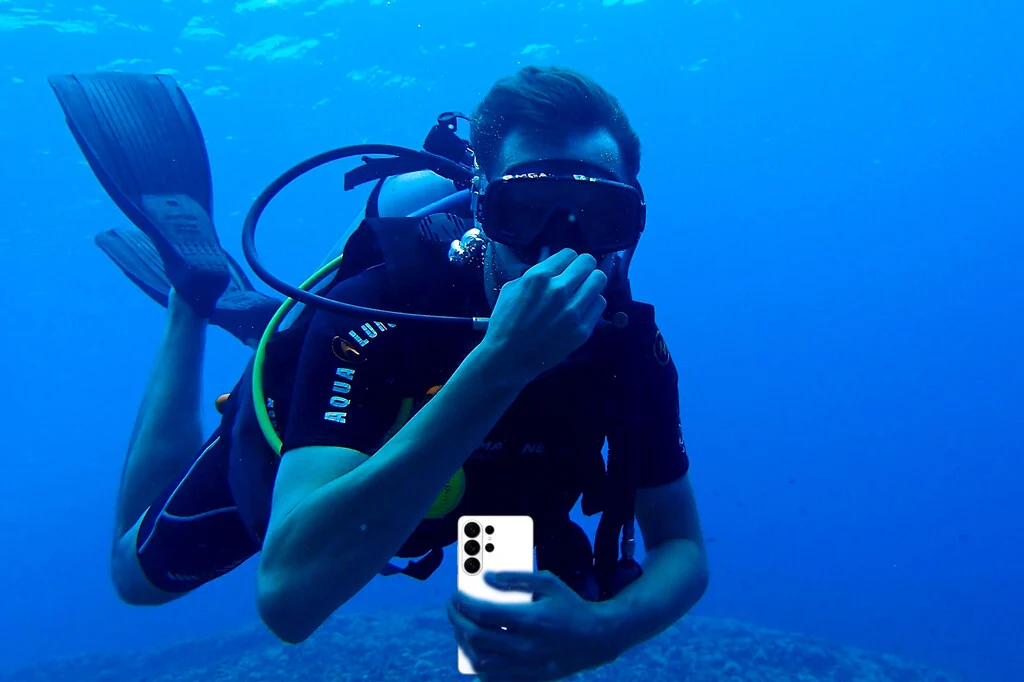

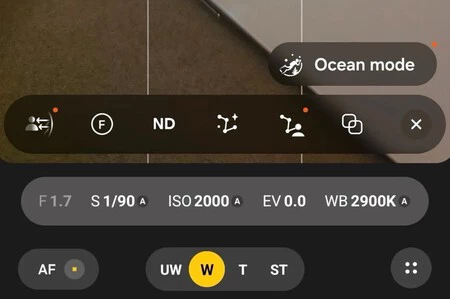
For several weeks, the "Ocean Mode" feature on Samsung Galaxy smartphones has been a topic of considerable discussion among tech enthusiasts and photography aficionados. Initially introduced on the flagship Galaxy S26 Ultra, this specialized camera setting subsequently expanded its availability to the Galaxy S25 Ultra and, most recently, the innovative Galaxy Z Fold7. While it caters to a niche segment of users, its increasing presence across Samsung’s premium device lineup necessitates a thorough understanding of its capabilities, intended use, and, crucially, its inherent limitations. As with any advanced technological feature, particularly one interacting with challenging environments like water, preventive knowledge is paramount to ensure both optimal results and device longevity.
The Genesis and Expansion of Ocean Mode: A Chronological Overview
The journey of Ocean Mode began with the Samsung Galaxy S26 Ultra, positioning it as a cutting-edge tool for those venturing into aquatic environments. This initial rollout underscored Samsung’s commitment to enhancing the photographic capabilities of its devices, even under unconventional conditions. Following its successful integration into the S26 Ultra, the feature was extended to the Galaxy S25 Ultra, signaling a broader strategic move to make advanced computational photography accessible across more premium models. The latest significant expansion saw Ocean Mode arrive on the Galaxy Z Fold7, demonstrating Samsung’s intent to integrate this functionality even into its foldable form factors, a testament to the versatility and adaptability of the software. This gradual rollout suggests a carefully planned strategy by Samsung to refine and disseminate the feature, responding to user demand for more specialized photographic tools that leverage the advanced sensors and processing power of modern smartphones. The mode’s availability through Expert RAW, Samsung’s professional camera application, highlights its positioning as a tool for serious photographers seeking greater control over their imagery.
Understanding Ocean Mode: The Science Behind Underwater Color Correction
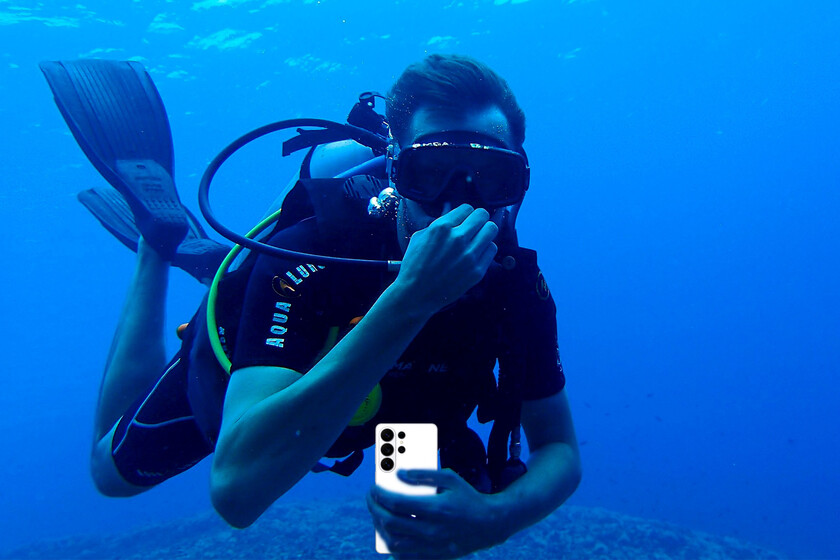
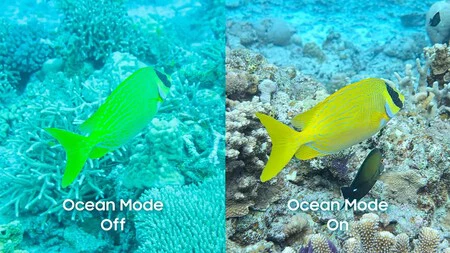
At its core, Ocean Mode is not a hardware upgrade but a sophisticated suite of software adjustments meticulously designed to counteract the unique optical challenges of underwater photography. When light penetrates water, its spectral components are absorbed at different rates. Red and orange wavelengths, in particular, are rapidly diminished with increasing depth, leading to the characteristic blue-green cast often seen in uncorrected underwater images. This phenomenon results in photographs and videos that appear unnatural, lacking the vibrant colors and accurate white balance perceived by the human eye on site.
Ocean Mode addresses these fundamental issues through advanced algorithmic processing. It specifically targets the restoration of lost red and orange hues, effectively reintroducing warmth and depth into the aquatic palette. Concurrently, the mode intelligently adjusts the white balance to neutralize the pervasive blue tones, which typically dominate underwater scenes. By performing these corrections, Ocean Mode aims to produce images that are significantly more faithful to the actual visual experience, making underwater scenes captured by a Galaxy device appear remarkably more natural and true-to-life. This purely software-driven approach underscores the growing importance of computational photography, where intelligent algorithms play a pivotal role in augmenting the capabilities of smartphone cameras, often surpassing what traditional optics alone can achieve.
IP Ratings Versus True Submersibility: A Critical Distinction
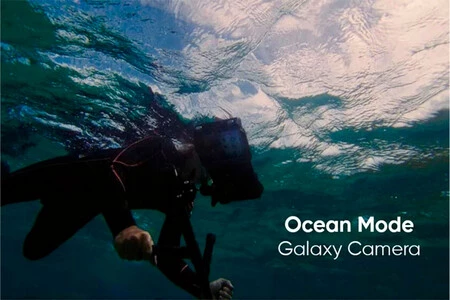
Despite the sophisticated capabilities of Ocean Mode, it is imperative for users to understand the critical difference between a device’s Ingress Protection (IP) rating and its suitability for sustained underwater use. The Galaxy S26 Ultra and S25 Ultra boast an IP68 rating, which signifies a high level of resistance to dust and temporary immersion in fresh water under specific conditions (typically up to 1.5 meters for 30 minutes). The Galaxy Z Fold7, with its IP48 rating, offers protection against solid objects larger than 1mm and similar water resistance, though often with more conservative recommendations due to its complex folding mechanism.
However, these ratings do not equate to "aquatic" or "submersible" devices suitable for diving or prolonged underwater exposure. Samsung, like many manufacturers, explicitly states that its IP-rated phones are resistant, not waterproof. This distinction is crucial, especially concerning saltwater environments. Saltwater is highly corrosive to electronic components, and even minimal exposure can lead to severe and irreversible damage. Critically, immersing a Galaxy device in saltwater invariably voids its warranty, leaving the user responsible for any repairs or replacement costs. This warning is not merely a disclaimer but a fundamental safeguard against device failure and financial loss.
Operating Ocean Mode: Best Practices and Essential Precautions
To leverage Ocean Mode effectively and safely, users must adhere to specific guidelines and best practices. The feature is accessed within Samsung’s Expert RAW application, under the "Special Functions" menu. Upon activation, a depth slider appears on the screen, allowing users to calibrate the color correction based on their estimated underwater depth. This manual adjustment is vital because the absorption rate of light, particularly red, varies significantly with depth, directly impacting the accuracy of the mode’s color restoration. Proper calibration ensures the most authentic and vibrant results.
Furthermore, given the inherent unreliability of capacitive touchscreens underwater, users are advised to lock focus on their desired subject by long-pressing the screen before submersion and to use the physical volume buttons as a shutter release. This practical workaround ensures precise capture without grappling with unresponsive touch inputs.
The most critical instruction, reiterated by Samsung itself when activating Ocean Mode, is the absolute necessity of a dedicated, certified waterproof housing. The on-screen prompt explicitly states: "Waterproof case needed. Ocean Mode does not mean your phone is waterproof. Only use this function when the phone is isolated inside a case designed for diving." This clear directive underscores that Ocean Mode is a software enhancement for when the phone is safely protected, not an invitation to expose the bare device to water. While Samsung does not officially sell such housings, the third-party accessory market offers a wide array of robust waterproof cases designed for various depths and conditions, ranging from basic splash protection to professional-grade dive housings. Investing in such an accessory is not merely recommended but is an indispensable prerequisite for anyone wishing to safely explore underwater photography with their Galaxy device.
Broader Implications and Market Context
The introduction and expansion of Ocean Mode signify several broader implications within the smartphone industry and the realm of digital photography.
- Democratization of Underwater Photography: Traditionally, underwater photography required specialized, often expensive, camera equipment and housings. By offering a sophisticated software solution on widely available smartphones, Samsung lowers the barrier to entry, making it more accessible to casual users and enthusiasts who might not invest in dedicated gear.
- The Power of Computational Photography: Ocean Mode exemplifies the ongoing trend where software intelligence increasingly enhances hardware capabilities. Modern smartphone cameras rely heavily on advanced algorithms for everything from low-light performance to portrait effects. Ocean Mode extends this computational prowess to challenging environmental conditions, showcasing how software can compensate for physical limitations.
- User Education and Responsibility: This feature also highlights the growing need for clear user education from manufacturers. As smartphones become more versatile, the line between casual use and specialized applications blurs. Samsung’s explicit warnings are crucial, placing the onus on users to understand and respect the physical limits of their devices and to invest in appropriate protective gear.
- Accessory Ecosystem Synergy: The reliance on third-party waterproof cases creates a synergistic relationship with the accessory market. While Samsung provides the software, external manufacturers provide the essential hardware protection. This could potentially spur innovation in smart waterproof housings that integrate more seamlessly with smartphone software.
- Competitive Positioning: In a highly competitive smartphone market, unique features like Ocean Mode can serve as differentiators. While other brands also offer water-resistant phones, Samsung’s specific, algorithm-driven mode for underwater color correction provides a distinct value proposition for users interested in aquatic content creation.
Looking Ahead: The Future of Aquatic Smartphone Photography
As technology continues to evolve, the capabilities of smartphone cameras under challenging conditions are likely to expand further. Future iterations of Ocean Mode might incorporate more advanced AI-driven scene recognition for underwater environments, automatically adjusting color profiles based on real-time depth and light conditions without manual input. There could also be advancements in integrated sensor technology designed to perform better in aquatic settings, or perhaps even first-party waterproof accessories from Samsung that offer guaranteed compatibility and performance. The continuous refinement of IP ratings and material science could also lead to genuinely submersible smartphones, although the complexities of salt water and pressure at depth remain significant engineering hurdles. For now, the combination of innovative software like Ocean Mode and robust third-party protection represents the optimal pathway for capturing stunning underwater moments with a Galaxy smartphone.
In conclusion, Samsung’s Ocean Mode is a commendable software innovation that empowers Galaxy users to capture more vibrant and natural-looking photographs and videos underwater. Its expansion across premium devices like the Galaxy S26 Ultra, S25 Ultra, and Z Fold7 underscores Samsung’s commitment to pushing the boundaries of smartphone photography. However, the profound importance of adhering to Samsung’s explicit warnings regarding water resistance and the mandatory use of a certified waterproof housing cannot be overstated. Understanding that Ocean Mode is a computational enhancement, not a license for bare device submersion, is paramount. By combining this intelligent software with appropriate physical protection and careful operational practices, users can unlock a new realm of creative possibilities while safeguarding their valuable devices from the unforgiving nature of the aquatic environment.
