
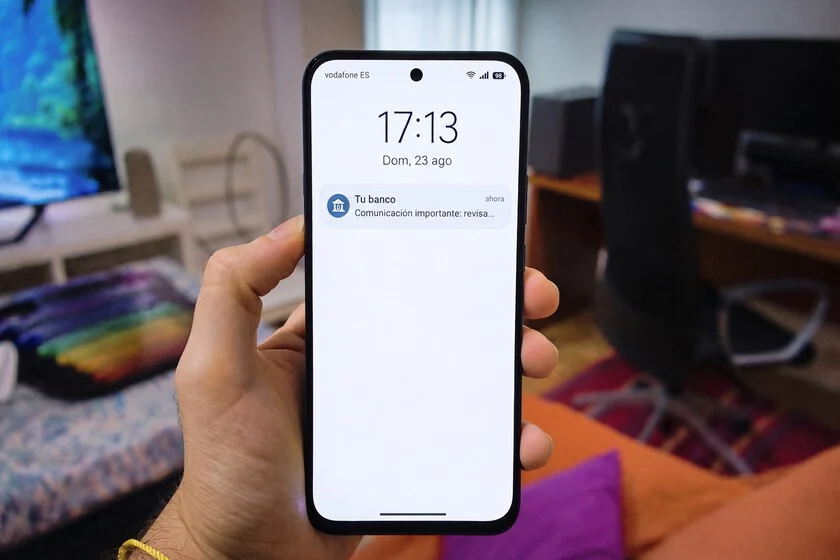

The digital landscape in Spain is set for a significant structural shift on September 15, as a new regulatory mandate from the Comisión Nacional de los Mercados y la Competencia (CNMC) comes into full force. This initiative targets the pervasive issue of "smishing"—a form of cyber fraud where attackers send deceptive text messages masquerading as trusted institutions—by requiring any company or independent professional who wishes to send SMS, MMS, or RCS messages under an alphanumeric alias to undergo a formal verification process.
Under the new regulatory framework, any entity intending to display a brand name (such as "BankName" or "ParcelCo") instead of a standard numeric phone number must first register that alias with the state. Failure to comply will result in a systematic blockade by telecommunications operators, effectively ending the era of unregulated sender identification in Spanish mobile networks.
The Chronology of the Regulatory Pivot
The path to this mandate was not instantaneous. It is the culmination of years of escalating cybercrime statistics that have forced the hand of Spanish regulators. The rise of phishing and smishing campaigns, which often impersonated reputable postal services, banking institutions, and government agencies, necessitated a technological and legal barrier.
The initial discussions regarding the implementation of a national registry began as part of broader cybersecurity updates aimed at protecting consumers. Following an initial grace period and a series of extensions designed to allow businesses to adapt their internal communication systems, the Ministry formalized the requirement through an official Ministerial Order. This order essentially empowers the CNMC to act as the gatekeeper of sender identity, ensuring that behind every "official" alias lies a verifiable legal entity.
The transition period provided a window for early adopters to register, but as the September 15 deadline approaches, the pressure has intensified. The CNMC has been working in tandem with domestic telecommunications operators—the infrastructure backbone of these communications—to ensure that the technical blocking mechanisms are ready to trigger the moment the deadline expires.
Data-Driven Implementation: The Scale of the Registry
The logistical challenge of cataloging the sender IDs of every business in Spain is substantial. Current figures from the CNMC indicate that, as of the most recent reporting period, 13,565 unique aliases have been successfully registered and validated. However, the registry is far from complete.
Approximately 5,000 additional applications remain in limbo. According to internal reports, these pending cases fall into two distinct categories: administrative delays within the CNMC’s processing queue and, more significantly, a lack of proper authorization from the corporate entities themselves. The latter category often stems from incomplete documentation or a failure to prove legal ownership of the brand name being requested.
The high volume of rejected applications highlights the rigor of the new process. Many businesses have faced obstacles due to technical errors or a misunderstanding of the strict validation requirements. The CNMC has signaled that it will not relax these standards, as the integrity of the database depends entirely on the accuracy of the information contained within it.
The Mechanics of the New Security Layer
Historically, the ability to "mask" a phone number with an alphanumeric string was a feature intended for legitimate business communications, allowing companies to provide a professional user experience. However, this functionality was weaponized by malicious actors. Because the system lacked a central registry, a fraudster could easily configure a gateway to send a message appearing to come from a major bank or a courier company, bypassing the user’s skepticism.
By mandating registration, the CNMC is essentially creating a "white list." When an SMS is sent to a consumer, the mobile network operator will now check the sender’s alias against the national registry. If the alias is not found, the message is either blocked entirely or flagged as potentially suspicious, preventing the delivery of fraudulent content to the end user.
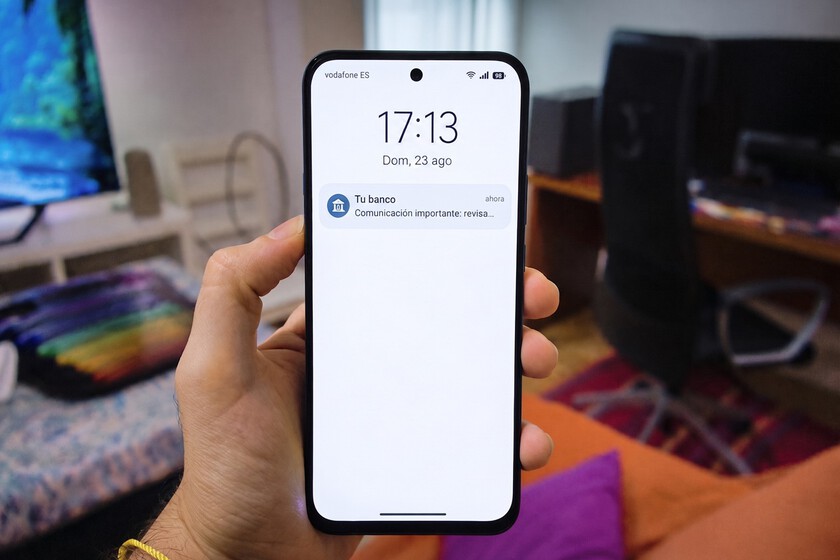
Crucially, this regulation does not ban businesses from sending SMS messages if they fail to register. Instead, it removes their ability to use an alias. Any business that does not complete the registration process will be forced to send communications from a standard numeric phone number. This transparency is expected to deter potential victims, as consumers have been increasingly conditioned to distrust messages that arrive from unknown, non-alias numbers, or those that deviate from the verified brand channels they are accustomed to.
Strategic Impact on Key Sectors
The impact of this policy will be most acutely felt in sectors that rely heavily on SMS for transactional communication. The banking and financial services sector, for instance, is a primary target for smishing, as attackers frequently attempt to steal two-factor authentication (2FA) codes or account credentials.
Similarly, the logistics and courier industry—which has seen a surge in "package delivery" scams—and the public administration sector are under heavy pressure to register. The CNMC has prioritized outreach to these entities, as their brands are the most frequently impersonated in mass-market phishing campaigns.
The regulatory shift also forces a change in how businesses manage their IT and communications infrastructure. Organizations can no longer rely on third-party bulk SMS providers without ensuring that those providers are compliant with the new CNMC standards. This creates a trickle-down effect of accountability, where the responsibility for secure communication is shared between the service provider and the originating company.
Public Transparency and Consumer Empowerment
Perhaps the most consumer-friendly aspect of this initiative is the creation of a public, free-to-access portal. Citizens can visit the official CNMC website to query any alias they have received in a text message. By searching for a specific name, a user can verify whether that entity is a registered, legitimate organization.
This transparency measure serves two purposes: it empowers the consumer to perform their own verification, and it acts as a deterrent for bad actors who know their infrastructure can be traced back to a legal entity. If a user receives a suspicious message from a "company" that does not appear in the official registry, they can safely assume the message is a fraudulent attempt.
Broader Implications for Digital Security
The introduction of the Alias Registry is part of a larger, multi-pronged strategy by the Spanish government to sanitize the nation’s telecommunications ecosystem. This strategy includes other significant measures, such as the implementation of the "400" prefix for incoming calls, which helps users identify the nature of a call before answering, and various on-screen notification systems developed by mobile operators to warn users of suspicious activity.
These initiatives are driven by a singular goal: the restoration of trust in digital communications. As mobile devices become the primary gateway for banking, medical records, and government interaction, the "noise" created by scammers has made legitimate communication difficult to distinguish from malicious threats. By mandating the registration of sender identities, the CNMC is attempting to rebuild this foundation of trust.
While no single measure can completely eliminate cybercrime, industry experts view the registry as a critical, high-impact defense mechanism. It effectively removes the "cloak of anonymity" that has allowed smishing to flourish for nearly a decade. As the September 15 deadline passes, the focus will likely shift from implementation to enforcement, with the CNMC monitoring the effectiveness of the blockades and potentially expanding the registry’s scope to address emerging communication channels.
Ultimately, the success of this policy will be measured by a decrease in reported smishing incidents and a decline in the financial losses associated with text-based social engineering. For businesses, the message is clear: in an era of heightened digital threats, transparency and formal authentication are no longer optional—they are the new standard for doing business in the digital economy. Through this initiative, Spain is establishing a model that other European nations may look to replicate as they grapple with the growing sophistication of global cyber fraud syndicates.
