

The implementation of the V16 emergency beacon, poised to become the definitive roadside safety device, is generating significant debate across Spain. As the nation approaches the full mandatory adoption of connected V16 beacons by January 1, 2026, and navigates the initial summers where their use is increasingly prevalent and encouraged, the Directorate General of Traffic (DGT) is pushing aggressively for their integration. This summer marks a pivotal period in the transition, with the DGT’s "Operación Salida" campaigns emphasizing the crucial role of these devices. However, a recent directive proposed by DGT Director Pere Navarro, which would mandate an automatic response from Guardia Civil patrols to every activated V16 beacon, has been met with staunch opposition from the very forces tasked with enforcing road safety, who deem the measure "impossible" due to overwhelming resource constraints.
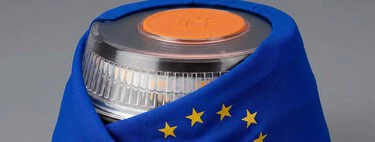
The DGT champions the V16 beacon as a significant leap forward in road safety. Replacing traditional warning triangles, these compact, self-contained devices are designed to be placed on a vehicle’s roof, emitting a powerful amber flash visible from a considerable distance. Crucially, the connected V16 beacons, which will become compulsory from 2026, incorporate geolocalization technology. This feature automatically transmits the vehicle’s precise location to the DGT’s cloud platform, connecting directly with emergency services and traffic management centers. According to the DGT, this real-time data flow allows for quicker intervention by emergency responders, significantly reducing the risk of secondary accidents, especially in low-visibility conditions or on busy roads. Pere Navarro has consistently reiterated the importance of carrying these beacons, urging drivers to keep them "sí o sí… en la guantera," stressing there are "no excuses" for non-compliance, particularly to avoid potential fines.
The Core Contention: DGT’s Mandate vs. Guardia Civil’s Reality
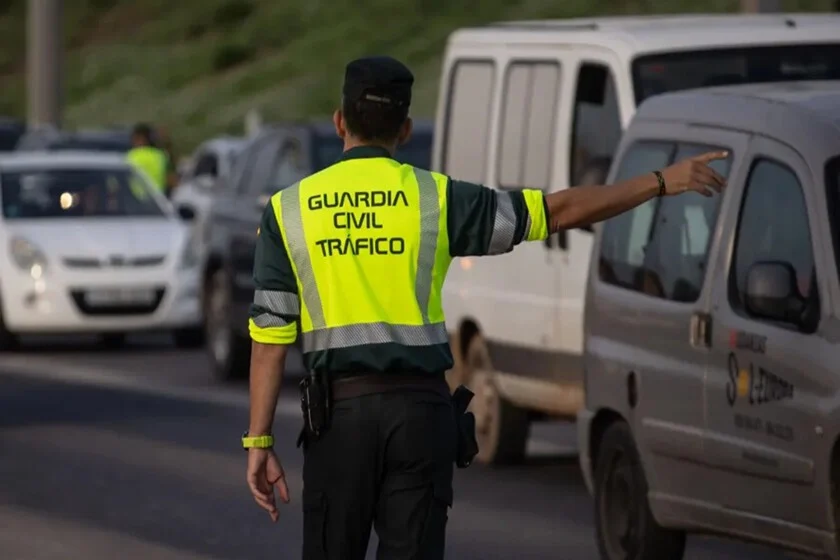
The flashpoint in this evolving road safety landscape emerged from Navarro’s recent statements regarding a forthcoming instruction. This directive would obligate Guardia Civil patrols to "personarse de manera automática cada vez que un conductor active una baliza." The intent, from the DGT’s perspective, is clear: to ensure every reported incident receives immediate attention, leveraging the V16’s geolocalization capabilities to enhance responsiveness and improve incident management. The DGT envisions a scenario where every activation triggers a verifiable police presence, thereby reinforcing the safety net for stranded motorists and expediting the clearance of road hazards.
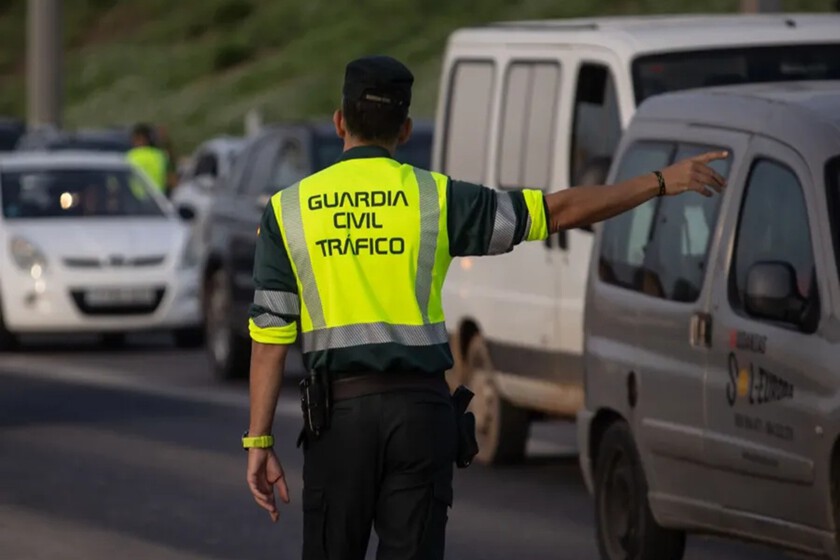
However, this proposition has been met with immediate and unequivocal pushback from the Guardia Civil. Representatives from the force have publicly labeled the proposed measure as "impossible" to implement given their current operational realities. The numerical disparity between available personnel and the volume of potential alerts underscores the severity of their concerns. Spain currently fields approximately 9,000 active Guardia Civil agents dedicated to traffic duties. In stark contrast, daily activations of V16 beacons across the national road network already hover around 3,000. This translates to an average of one incident for every three agents per day, purely based on V16 activations, without accounting for their myriad other responsibilities, including routine patrols, accident investigations not involving beacons, crime prevention, and administrative duties.
Carlos Cantero, a Guardia Civil officer, articulated the collective sentiment in an interview with El Debate, stating, "lo que quiere la DGT es imposible, no podemos acudir cada vez que alguien enciende una baliza V16." He highlighted that even with existing protocols, the force is already stretched thin. Cantero further elaborated that there is "ya existe una instrucción para que no vayamos a los siniestros menores que tienen lugar en carreteras secundarias," indicating a pre-existing prioritization system designed to manage limited resources. To then mandate an automatic response to every V16 activation, regardless of the severity of the incident, would represent a fundamental overhaul of their operational strategy, one that is simply not viable without a substantial increase in personnel and resources.
Resource Strain: The Numbers Speak for Themselves
To fully grasp the magnitude of the Guardia Civil’s predicament, it is essential to delve deeper into the numbers. With 9,000 agents and 3,000 daily V16 activations, if each activation required a two-person patrol for an average response and resolution time of, say, 30-60 minutes, the logistical challenge becomes insurmountable. This calculation does not factor in travel time to the incident location, which can vary wildly depending on road type, traffic conditions, and the geographical distribution of incidents. Furthermore, the 3,000 daily activations represent a national average; during peak holiday periods, such as those covered by "Operación Salida," this number could surge, exacerbating the resource deficit.
The current instruction to not attend minor incidents on secondary roads is a pragmatic acknowledgment of finite resources. It allows agents to focus on more serious accidents, critical traffic violations, and other high-priority interventions where their presence is essential. An automatic response mandate for V16 activations would effectively dismantle this prioritization, potentially diverting patrols from genuine emergencies or critical law enforcement duties to attend to minor breakdowns or even accidental beacon activations. The risk is that while pursuing a comprehensive response to V16 alerts, the overall effectiveness of the Guardia Civil in maintaining public order and road safety could be compromised.
Evolution of Roadside Assistance: From Triangles to Digital Beacons
The V16 beacon represents the culmination of a decade-long drive by the DGT to modernize roadside assistance and enhance safety for drivers and emergency personnel alike. Until recently, Spanish law required drivers to carry two reflective warning triangles, which had to be placed 50 meters in front of and behind a broken-down or crashed vehicle. This practice, while established, forced drivers to exit their vehicles and walk along potentially dangerous roads, especially at night or in adverse weather conditions, significantly increasing their risk of being hit by passing traffic.
The V16 beacon was conceived as a safer alternative. Its magnetic base allows it to be easily affixed to the roof of a vehicle without the driver needing to step into traffic. The high-intensity light provides immediate visibility, alerting other drivers to a hazard from a greater distance than triangles. The subsequent development of connected V16 beacons, which transmit geolocated data, adds an unprecedented layer of communication and responsiveness. This innovation has been lauded internationally, with reports suggesting that European bodies have praised Spain’s initiative in this area, recognizing its potential to significantly reduce road fatalities and injuries associated with roadside incidents. The transition period allowed drivers to use either triangles or V16 beacons (connected or non-connected) until January 1, 2026, when only connected V16 beacons will be permissible. This timeline underscores the DGT’s long-term vision for a digitally integrated road safety network.
The Guardia Civil’s Long-Standing Concerns
The current dispute is not an isolated incident but rather the latest chapter in a series of concerns raised by the Guardia Civil regarding the V16 beacons. The Asociación Unificada de Guardias Civiles (AUGC), the unified association representing Guardia Civil officers, has consistently voiced its reservations. Even before the V16s became mandatory, the AUGC warned about potential "problemas de visibilidad," expressing skepticism that the beacons would always be effective in preventing accidents. They were "bastante tajantes al afirmar que ‘muchas veces no se verá hasta que no estén encima, se van a producir accidentes muy graves y luego será tarde’."
These past warnings highlight a fundamental divergence in perspective between the DGT, which focuses on technological solutions and preventative measures, and the Guardia Civil, which grapples with the practicalities of implementation on the ground. The AUGC’s concerns were rooted in the real-world conditions of diverse Spanish roads, including winding country lanes, dense fog, or heavy rain, where even a flashing light might have limited impact until a vehicle is in close proximity. This historical context adds weight to their current opposition, suggesting a pattern of policy proposals that, while well-intentioned, may not fully account for the operational challenges faced by law enforcement.
A Regional Contrast: The Ertzaintza’s Protocol
Interestingly, a similar protocol to what the DGT proposes is already in partial operation in the Basque Country, overseen by the Ertzaintza (the Basque police force). The Ertzaintza has confirmed that when its Traffic Management Center receives a V16 beacon alert, it undertakes "comprobaciones pertinentes" to ascertain if the incident has already been reported through other channels. If not, the alert is then forwarded to SOS Deiak, the regional emergency coordination center. Typically, either the Ertzaintza itself or highway maintenance crews are dispatched to the geolocated site.
However, Carlos Cantero of the Guardia Civil emphasizes that the Ertzaintza’s situation is distinct from that of the national force. The Basque Country, while having a dense road network, is a smaller, autonomous community. The Ertzaintza operates with "más medios para una demarcación menor" relative to the extensive national jurisdiction and responsibilities of the Guardia Civil. This means they possess a higher agent-to-road-mileage ratio and more localized control over resources, making such a direct response protocol more feasible. Applying this model directly to the entirety of Spain, with its vast and varied geography and the Guardia Civil’s broader mandate, is simply not a scalable solution without significant additional investment in personnel and infrastructure.
Implications for Road Safety and Public Trust
The ongoing dispute between the DGT and the Guardia Civil carries significant implications for both road safety and public trust in Spain’s traffic management system. For drivers, the V16 beacon is marketed as a definitive safety improvement, offering peace of mind through its geolocalization capabilities and promised rapid response. If the DGT’s proposed instruction cannot be practically implemented, it risks undermining public confidence in the efficacy of the V16 system and the commitment of authorities to respond to emergencies. Drivers who invest in these devices based on the promise of immediate assistance might feel let down if their activation does not guarantee a police presence.
Furthermore, the debate highlights a critical gap between policy aspiration and operational reality. While the DGT’s vision for a technologically advanced and responsive road safety network is commendable, the practical challenges faced by law enforcement agencies on the ground cannot be overlooked. This disconnect can lead to frustration for both the public and the frontline officers. The situation also raises broader questions about resource allocation for security forces in Spain. If the current number of agents is insufficient to cover the demands of a new, mandatory safety protocol, it points to a systemic issue that requires a more holistic solution than simply issuing new instructions.
The integration of new technologies, while offering immense potential, must be carefully managed to avoid creating new burdens or inefficiencies. The V16 beacon, with its real-time data transmission, generates a constant stream of information. The challenge lies not just in collecting this data but in effectively triaging it and responding appropriately. Without a robust system for filtering alerts (e.g., distinguishing between minor breakdowns, serious accidents, or even false alarms) and sufficient personnel to respond to verified incidents, the system risks being overwhelmed.
Beyond the Horizon: Seeking Resolution and Future Strategies
Resolving this impasse will require collaborative dialogue and a pragmatic approach from all stakeholders. The DGT, while committed to its safety objectives, must engage closely with the Guardia Civil to understand the practical limitations and explore viable alternatives. One potential avenue could be the development of a more sophisticated triage system for V16 alerts. Instead of an automatic police dispatch for every activation, a tiered response could be implemented. For instance, minor incidents might initially trigger contact with the driver to assess the situation, or dispatch roadside assistance directly, while only confirmed serious incidents would necessitate an immediate police presence. This would leverage the geolocalization data without overburdening law enforcement.
Another long-term consideration is the potential for increased investment in the Guardia Civil’s traffic division, either through higher recruitment or the reallocation of existing resources. However, such decisions are complex and involve significant budgetary and political considerations. The role of other roadside assistance providers, such as private tow truck services or highway maintenance crews, could also be further integrated into the response protocol, ensuring that even if police presence isn’t immediate, some form of assistance is always dispatched.
Finally, the DGT might need to clarify public expectations regarding V16 activations. While the device is a safety tool, it is not necessarily a direct emergency call to police for every minor inconvenience. Educating the public on what constitutes an appropriate V16 activation and what level of response to expect would be crucial in managing demand and preventing unnecessary dispatches.
Conclusion: Navigating the Path Ahead
Spain’s push for the V16 emergency beacon signifies a commendable ambition to lead in road safety innovation. The device itself, particularly its connected version, represents a significant technological advancement over traditional warning triangles. However, the current disagreement between the DGT and the Guardia Civil underscores the inherent challenges in translating forward-thinking policy into practical, real-world application. The Guardia Civil’s concerns about resource feasibility are legitimate and cannot be dismissed lightly.
As the full mandate for connected V16 beacons approaches in 2026, it is imperative that all parties work together to forge a solution that not only upholds the DGT’s vision for enhanced road safety but also respects the operational capacities of the forces responsible for enforcing it. A balanced approach, combining technological innovation with pragmatic resource management and clear communication, will be essential to ensure that the V16 beacon truly delivers on its promise of making Spanish roads safer for everyone. The debate over its implementation is not merely about a flashing light; it is about the very architecture of emergency response and the future of road safety in Spain.
