

The United States Senate is on the cusp of a significant legislative moment with the circulation of the latest, and potentially final, iteration of the long-anticipated Clarity Act. This comprehensive cryptocurrency market-structure bill, after months of intricate negotiation and debate, now includes a deeply debated ethics provision that aims to curb potential conflicts of interest for public officials and their families in the burgeoning digital asset space. The provision, a key demand from Democratic lawmakers, proposes restrictions on presidents and their immediate families engaging in cryptocurrency business activities. However, its inclusion is tempered by a sunset clause and notable exclusions that are already sparking further debate and potentially jeopardizing broader consensus.
The 616-page draft text, publicly available, details an ethics provision that would prohibit public officials, federal employees, and their spouses from issuing or sponsoring digital assets while in office. Crucially, this provision does not extend to the children of public officials, nor does it prevent them from holding existing cryptocurrency investments. The enforcement of this ethics clause would be vested in the Department of Justice, and it carries a significant sunset provision, stating that it will "have no force and effect on and after noon on January 20, 2029." This date strategically aligns with the end of the current presidential term, signaling a deliberate, albeit temporary, measure.
This ethics language has been widely identified as the primary hurdle to the bill’s passage. The Clarity Act, if enacted, promises to formally legalize the vast majority of cryptocurrency activities within the United States, a move that could reshape the financial landscape and bolster the nation’s position in the global digital economy. The Digital Chamber, a prominent industry advocacy group, has expressed cautious optimism. CEO Cody Carbone stated in a released statement, "Today’s draft is a meaningful step toward the Senate vote on the Clarity Act we’ve been calling for. We look forward to reviewing the latest, and we will provide our members’ feedback on how the bill may still be improved as it moves forward." This sentiment underscores the industry’s keen interest in the bill’s progression and its potential impact on innovation and investment.
Roots of the Ethics Debate: Presidential Finances and Family Ventures
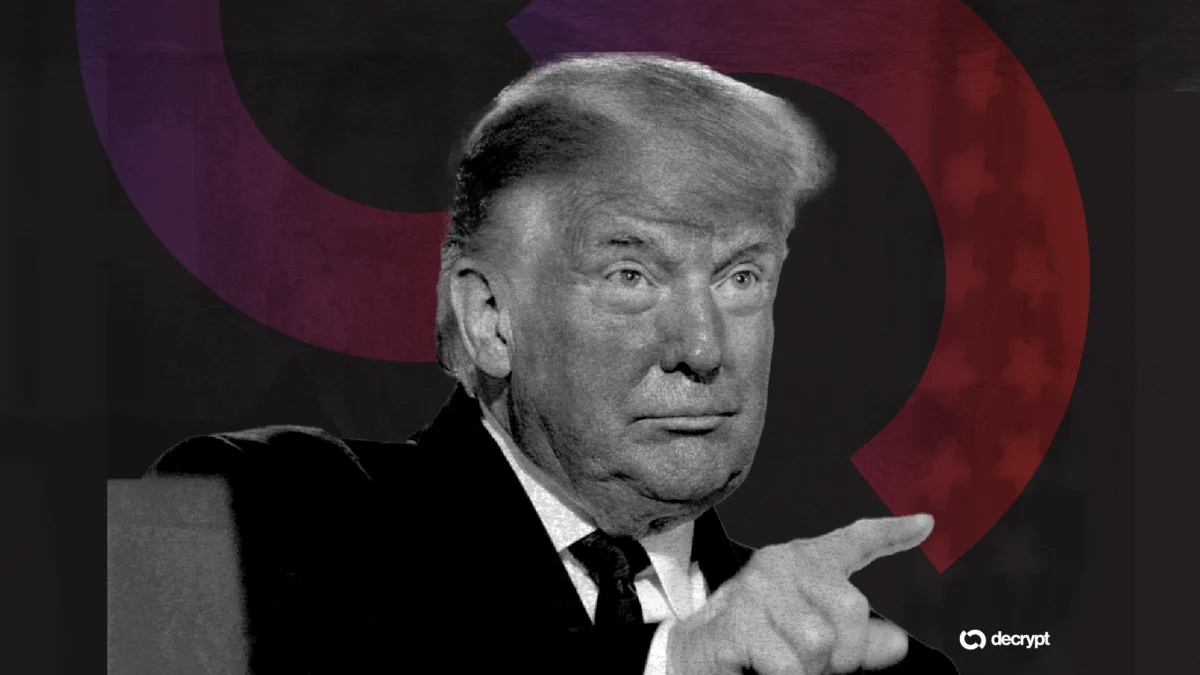
The current impasse over meaningful restrictions on conflicts of interest is intrinsically linked to President Donald Trump’s documented involvement in cryptocurrency ventures and his family’s business dealings. Financial disclosure filings released in the preceding month revealed that President Trump earned an estimated $1.2 billion from cryptocurrency businesses in the past year. Democrats have pointed to these earnings as potent evidence of potential conflicts of interest, particularly given the executive branch’s influence over financial regulation.
Senator Elizabeth Warren, a vocal critic of potential conflicts within the crypto space, has been a leading advocate for stringent ethical guidelines. She has explicitly called for the bill to bar the president, vice president, senior administration officials, members of Congress, and their immediate families from profiting directly from the cryptocurrency sector while in public service. The inclusion of a compromise, rather than an outright ban, on presidential family involvement appears to be a direct response to these concerns, albeit one that falls short of the most expansive demands.
Navigating the Sunset Clause and Family Exclusions
The temporary nature of the proposed ethics ban, coupled with its sole enforcement by the Justice Department, is likely to invite further objections from Democratic senators. Many have voiced concerns about the efficacy of a provision that expires within a single presidential term, arguing it does not establish a lasting precedent for ethical conduct in the digital asset arena. Furthermore, the explicit exclusion of President Trump’s children, Don Jr. and Eric Trump, who are reportedly involved with World Liberty Financial, a family company with ties to the cryptocurrency sector, could undermine the perceived thoroughness of the provision. This omission means that a significant avenue for potential family financial gain remains unaffected by the proposed restrictions, a point that Democrats are expected to highlight as a significant weakness.
The legislative path forward for the Clarity Act remains challenging. To clear the Senate, the bill requires a supermajority of 60 votes, necessitating the support of at least ten Democratic senators. Given the existing reservations among some Democrats regarding the ethics provision’s limitations, securing this broad coalition of support will be a formidable task. The approaching August recess and the subsequent focus on the November midterm elections create a narrow window of opportunity for the bill to advance. Majority Leader John Thune has indicated his intention to bring the bill to the floor for action in the coming days, with the first week of August widely viewed as the last realistic opportunity for significant progress before the legislative agenda shifts.
Preserving Developer Protections Amidst Industry Concerns
Beyond the contentious ethics debate, the latest draft of the Clarity Act retains the Blockchain Regulatory Certainty Act. This crucial provision aims to establish a safe harbor for non-custodial software developers by clarifying that they are not to be classified as "money transmitters." Such a designation would subject them to onerous compliance obligations that many in the industry argue would stifle innovation and drive development offshore. The crypto industry largely views this measure as a non-negotiable element of the bill, essential for maintaining legal certainty and fostering domestic technological advancement. The inclusion of this provision appears to be a direct response to the chilling effect of Trump-era Department of Justice prosecutions that led to the imprisonment of crypto developers for creating privacy-enhancing tools.
However, these developer protections have not been without opposition. Law enforcement agencies and a coalition of 82 Catholic leaders have raised serious concerns, warning that the proposed safeguards could inadvertently weaken existing measures designed to combat human trafficking, money laundering, and child exploitation. Their arguments center on the potential for decentralized technologies to be exploited by malicious actors if regulatory oversight is significantly reduced. This opposition highlights the complex balancing act lawmakers face: fostering innovation while ensuring robust consumer and societal protection.
Stablecoin Yields: A Persistent Point of Contention
Another significant point of contention within the Clarity Act, the treatment of so-called stablecoin yields, remains unchanged from previous versions of the bill. The current language imposes limitations on "idle yield," effectively preventing stablecoin issuers and platforms like Coinbase from offering rewards solely based on stablecoin balances. This provision has drawn considerable ire from the banking industry, which views it as a potential threat to their traditional deposit-based revenue streams. The industry has argued that such restrictions could hinder the growth and utility of stablecoins, potentially impacting broader financial innovation. The continued inclusion of this language suggests that proponents of the bill believe it is necessary to address concerns about market stability and competitive fairness, even in the face of industry pushback.
Looking Ahead: A Crucial Legislative Juncture
The coming days represent a critical juncture for the Clarity Act. The Senate’s push to advance the bill before the August recess underscores the urgency felt by its proponents to codify new regulations for the rapidly evolving cryptocurrency market. The inclusion of the ethics provision, while a concession to Democratic demands, introduces a new layer of complexity and potential division. The effectiveness and fairness of this provision, particularly its sunset clause and exclusions, will be closely scrutinized.
The broader implications of the Clarity Act, should it pass, are substantial. Formalizing the legal status of most cryptocurrency activities could unlock significant investment, foster greater institutional adoption, and solidify the United States’ role in shaping the future of digital finance. However, the debates surrounding ethics, developer protections, and stablecoin regulations highlight the inherent challenges in crafting legislation that balances innovation, security, and public interest in a nascent and rapidly evolving technological domain. The outcome of these deliberations will undoubtedly have a lasting impact on the cryptocurrency industry and the broader financial ecosystem for years to come.
