
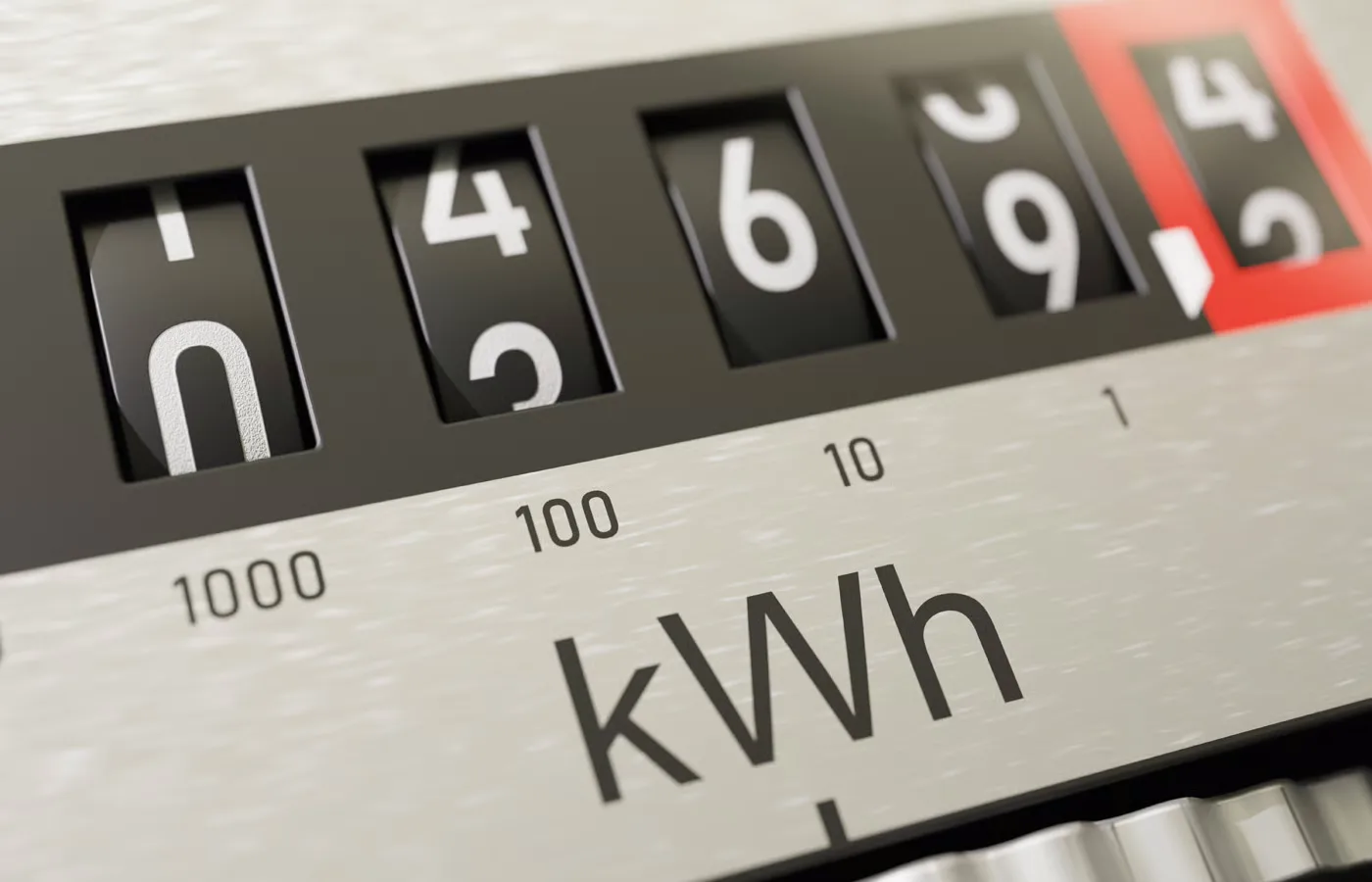

Energy consumption represents one of the most significant operational expenses for data centers globally, with the cost of powering servers and the essential cooling systems required to dissipate their heat amounting to substantial figures. As data centers continue to grow in scale and process an ever-increasing volume of data, their energy consumption, and consequently their operating costs, escalate in tandem. Understanding the intricacies of data center power consumption and implementing effective optimization strategies is no longer merely a matter of cost reduction; it is a critical imperative for operational sustainability, environmental stewardship, and maintaining a competitive edge in the digital economy.
The complex ecosystem of a data center involves a myriad of components and systems working in concert to support the immense demand for data processing, storage, and transmission. At its core, data center power consumption is a multifaceted process, driven by several key contributors that necessitate careful management and optimization.
Understanding the Pillars of Data Center Power Consumption
The foundation of any data center’s energy usage lies in its robust power infrastructure. This typically includes the primary external power source, often drawing from the public grid, supplemented by backup generators and Uninterruptible Power Supplies (UPS) to ensure continuity during any grid disruptions. Power Distribution Units (PDUs) then meticulously channel this electricity to the myriad of components within the facility. The reliability and efficiency of this power infrastructure are paramount, as any failure can have cascading effects on operations.
Central to the data center’s function, and its largest energy consumer, is the server and computing equipment. These machines are the workhorses, performing the critical tasks of data processing, storage, and networking. The power draw of these servers is not static; it fluctuates directly with their workload. High-demand processing tasks necessitate greater power, directly impacting the facility’s overall energy footprint. Beyond servers, other computing hardware such as storage arrays and network devices also contribute significantly to the total power consumption, forming a substantial portion of the operational energy demand.
To maintain the delicate balance required for optimal equipment performance, data centers employ sophisticated cooling and climate control systems. These systems, which can include Computer Room Air Conditioner (CRAC) units, chillers, and cooling towers, are indispensable for dissipating the considerable heat generated by the densely packed servers and other hardware. The energy expenditure for cooling is often a substantial, sometimes even equalizing, proportion of the total power consumed by the computing equipment itself, highlighting its critical role and significant energy impact.
The industry standard for measuring data center energy efficiency is the Power Usage Effectiveness (PUE) metric. PUE is calculated as the ratio of the total facility power to the power delivered to the IT equipment. An ideal PUE of 1.0 signifies that all power entering the data center is used solely for computing operations. However, in practice, most data centers operate with a PUE greater than 1.0, reflecting the energy consumed by auxiliary systems such as cooling, lighting, and other non-IT infrastructure. The ongoing effort to reduce PUE is a primary driver for efficiency initiatives.
While less impactful than servers and cooling, lighting and auxiliary systems, including security and monitoring equipment, also contribute to the overall energy consumption. The adoption of energy-efficient LED lighting and automated systems can help mitigate this segment of power usage, albeit to a lesser degree than other areas.
Furthermore, data center power consumption is inherently dynamic, exhibiting fluctuations based on demand. During peak operational periods, when more servers are activated to handle increased loads, power consumption surges. Conversely, during off-peak hours, usage may decrease. Modern data centers are increasingly employing sophisticated demand scaling and virtualization techniques to dynamically adjust power consumption in alignment with prevailing workloads, aiming to optimize energy use on a continuous basis.
Key Factors Influencing Data Center Power Consumption
Several interconnected factors critically influence the overall power consumption of a data center. These range from the technological sophistication of the hardware and infrastructure to the environmental conditions under which the facility operates.
- Hardware Efficiency: The power efficiency ratings of servers, storage devices, and networking equipment are primary determinants of energy usage. Newer, more energy-efficient models, such as those with Energy Star certifications, can significantly reduce the power draw for equivalent computing capacity.
- Cooling System Design and Operation: The type of cooling technology employed (e.g., traditional CRAC units, liquid cooling, free cooling), its efficiency, and how effectively it is managed are major factors. The design of airflow management within the data center, such as hot and cold aisle containment, directly impacts cooling efficiency.
- IT Load and Utilization: The actual workload running on the servers and the degree to which these resources are utilized directly correlate with power consumption. Underutilized servers still consume power, making consolidation and efficient resource allocation crucial.
- Data Center Density: Higher rack densities, packing more computing power into smaller footprints, generate more heat, demanding more robust and energy-intensive cooling solutions.
- Ambient Temperature and Humidity: External environmental conditions can influence the efficiency of cooling systems. Utilizing free cooling techniques, which leverage cooler outside air, becomes more feasible in certain climates.
- Power Distribution Losses: Inefficiencies within the power distribution chain, from the utility feed to the server, can result in energy loss. The quality and design of UPS systems, PDUs, and internal cabling play a role.
- Software and Virtualization Strategies: The implementation of virtualization, containerization, and efficient workload management software can dramatically reduce the number of physical servers required, thereby lowering overall power consumption.
- Operational Practices: Day-to-day operational decisions, such as the maintenance of cooling systems, the scheduling of non-critical workloads, and the implementation of power management policies, all contribute to the facility’s energy footprint.
5 Proven Strategies for Optimizing Data Center Power Consumption
To navigate the complex landscape of data center energy usage, a multi-pronged approach is essential. The following five strategies offer a robust framework for enhancing power efficiency, reducing operational costs, and minimizing environmental impact.
1. Implementing Energy-Efficient Hardware
A fundamental step towards reducing power consumption involves the strategic upgrade to more energy-efficient hardware. This includes prioritizing servers with superior power efficiency ratings, which can yield substantial reductions in overall energy use. The transition from traditional Hard Disk Drives (HDDs) to Solid State Drives (SSDs) also presents a significant opportunity for energy savings, as SSDs inherently consume less power. Furthermore, a commitment to purchasing Energy Star-rated equipment ensures that hardware adheres to stringent energy efficiency standards, contributing to a more sustainable operational profile. Industry reports consistently show that newer generations of servers offer a 30-40% improvement in power efficiency compared to older models, making hardware refresh cycles a critical consideration for efficiency.
2. Enhancing Cooling Systems
Cooling systems, while indispensable, are often significant energy drains. Modern data centers are increasingly adopting advanced cooling techniques that offer superior heat dissipation capabilities compared to conventional methods. Liquid cooling, including direct-to-chip or immersion cooling, is gaining traction for its ability to handle high-density compute environments with greater efficiency. Evaporative cooling systems can also be highly effective in suitable climates. The strategic use of economizers, which leverage cooler ambient air to supplement or replace mechanical cooling, can dramatically reduce energy consumption, particularly in regions with favorable weather patterns. Moreover, optimizing the physical layout of the data center, through practices like hot and cold aisle containment, ensures that cool air is delivered precisely where it is needed, preventing the mixing of hot and cold air and thereby increasing cooling efficiency and reducing wasted energy. Studies indicate that optimized airflow management can reduce cooling energy consumption by up to 30%.
3. Virtualization and Server Consolidation
Virtualization stands out as a transformative technology for optimizing energy use. By enabling multiple virtual machines (VMs) to operate on a single physical server, virtualization dramatically reduces the need for a large number of physical machines. This consolidation not only leads to significant space savings but also translates into a substantial reduction in power requirements. Advanced virtualization software allows for the efficient distribution of workloads across fewer, more highly utilized servers, maximizing their operational efficiency and leading to considerable energy savings. Industry adoption of virtualization has led to an estimated 50% reduction in energy consumption for many organizations by consolidating server footprints. Furthermore, evaluating workloads for migration to cloud computing environments can further diminish the demand for on-premises servers, contributing to overall energy efficiency and potentially offering greater scalability.
4. Power Management Software Solutions
The strategic adoption of Data Center Infrastructure Management (DCIM) tools and other power management software solutions is crucial for effective energy oversight. These platforms provide real-time monitoring and granular control over power consumption across the entire data center. By enabling continuous tracking and dynamic adjustment of power usage based on operational demands, these solutions foster more efficient operations. The integration of Artificial Intelligence (AI) and Machine Learning (ML) technologies within these platforms offers predictive analysis capabilities, allowing data centers to proactively optimize power consumption based on historical data, anticipated workloads, and environmental factors. The insights derived from these tools can lead to a more intelligent and responsive approach to energy management.
5. Renewable Energy Integration
Incorporating renewable energy sources is a pivotal step towards reducing a data center’s reliance on non-renewable energy and significantly lowering its environmental footprint. This can be achieved through various avenues, including the purchase of Renewable Energy Credits (RECs), which support the development and deployment of renewable energy projects. For data centers with the necessary infrastructure and resources, investing in on-site renewable energy generation, such as solar panel arrays or wind turbines, offers a direct and sustainable pathway to harness clean energy, fostering greater energy independence and contributing to a more resilient and environmentally responsible operation. Many leading tech companies have committed to 100% renewable energy for their data centers, setting a benchmark for the industry.
The Multifaceted Benefits of Data Center Energy Efficiency
The pursuit of energy efficiency in data centers yields a broad spectrum of advantages, extending beyond mere cost savings to encompass environmental responsibility and enhanced operational performance. These benefits are crucial for long-term sustainability and a positive corporate image.
- Reduced Operational Costs: Lower energy consumption directly translates to lower utility bills, a significant component of a data center’s operating expenses. This can free up capital for reinvestment in infrastructure, innovation, or other strategic initiatives.
- Enhanced Environmental Sustainability: By decreasing energy consumption and embracing renewable sources, data centers significantly reduce their carbon footprint, contributing to global climate change mitigation efforts and aligning with corporate social responsibility goals.
- Improved Reliability and Uptime: More efficient systems often operate at more stable temperatures, reducing the risk of hardware failures due to overheating. Furthermore, well-managed power infrastructure contributes to overall system stability.
- Increased Capacity and Scalability: Optimizing existing infrastructure for power efficiency can effectively increase available capacity without requiring immediate, costly hardware expansions, allowing for more agile scaling.
- Positive Brand Reputation: Demonstrating a commitment to sustainability and environmental stewardship can enhance a company’s brand image, attracting environmentally conscious customers and investors.
- Compliance with Regulations: As environmental regulations become more stringent, proactive energy efficiency measures help data centers stay ahead of compliance requirements and avoid potential penalties.
Navigating the Challenges of Data Center Power Management
Despite the clear benefits, achieving optimal data center energy efficiency is not without its hurdles. These challenges span technical complexities, financial constraints, and the inherent demands of the digital landscape.
Balancing Performance with Efficiency
A primary challenge lies in striking a delicate balance between the escalating demand for high-performance computing power and the imperative for energy efficiency. As data processing tasks become more complex and data volumes swell, the need for powerful hardware intensifies, often leading to increased power consumption. This is further complicated by technological limitations where current hardware may not always offer the ideal equilibrium between raw computing power and energy conservation. The rapid evolution of AI and machine learning workloads, for instance, often requires specialized, power-hungry hardware, posing a significant challenge to efficiency goals.
Technological and Infrastructure Upgrades
The implementation of energy-efficient hardware and advanced cooling systems, while beneficial, often entails substantial upfront investment costs. Many existing data centers operate with legacy systems that are inherently less energy-efficient. Upgrading these older infrastructures can be a complex and prohibitively expensive undertaking, representing a significant barrier to achieving optimal efficiency. The cost of replacing aging UPS systems, retrofitting cooling infrastructure, or undertaking a complete server refresh can run into millions of dollars, requiring careful financial planning and strategic phasing.
Cooling System Efficiency and High-Density Challenges
Cooling systems, essential for maintaining optimal equipment operating temperatures, present ongoing challenges. Efficiently managing the immense heat generated, particularly within high-density computing environments where racks are packed with powerful servers, remains a critical concern. While innovative cooling solutions exist, their implementation can be complex, requiring specialized expertise and potentially significant modifications to existing infrastructure. For instance, implementing advanced liquid cooling may necessitate changes to plumbing, power delivery, and facility design, which can be a daunting prospect for established facilities. Ensuring adequate airflow and preventing hot spots in dense configurations remains a constant battle for facility managers.
The Bottom Line: The Indispensable Role of Efficient Power Management
The efficient management of power within data centers transcends mere operational cost-saving; it has emerged as a critical determinant of economic viability, environmental responsibility, and long-term strategic success. As the digital infrastructure continues its relentless expansion, the responsibility to manage power consumption effectively becomes increasingly paramount.
Efficient power management not only yields substantial reductions in operational expenditures but also plays an indispensable role in environmental stewardship and bolstering an organization’s reputation. By meticulously minimizing energy consumption and strategically optimizing the utilization of renewable energy resources, data centers can significantly reduce their carbon footprint. This commitment to sustainability not only demonstrates corporate responsibility but also aligns with the global imperative to transition towards a greener digital future.
In an era defined by increasing data demands and growing environmental consciousness, the data center industry stands at a pivotal juncture. Embracing and prioritizing efficient power management is no longer an option but a fundamental necessity for ensuring the sustainable and responsible growth of our digital world.
For a deeper understanding of how to integrate sustainability into IT practices, explore our comprehensive guide to Green IT, covering its principles, benefits, and challenges. If your organization is ready to leverage the power of virtualization to enhance efficiency, discover leading virtualization companies that can support your infrastructure transformation.
