
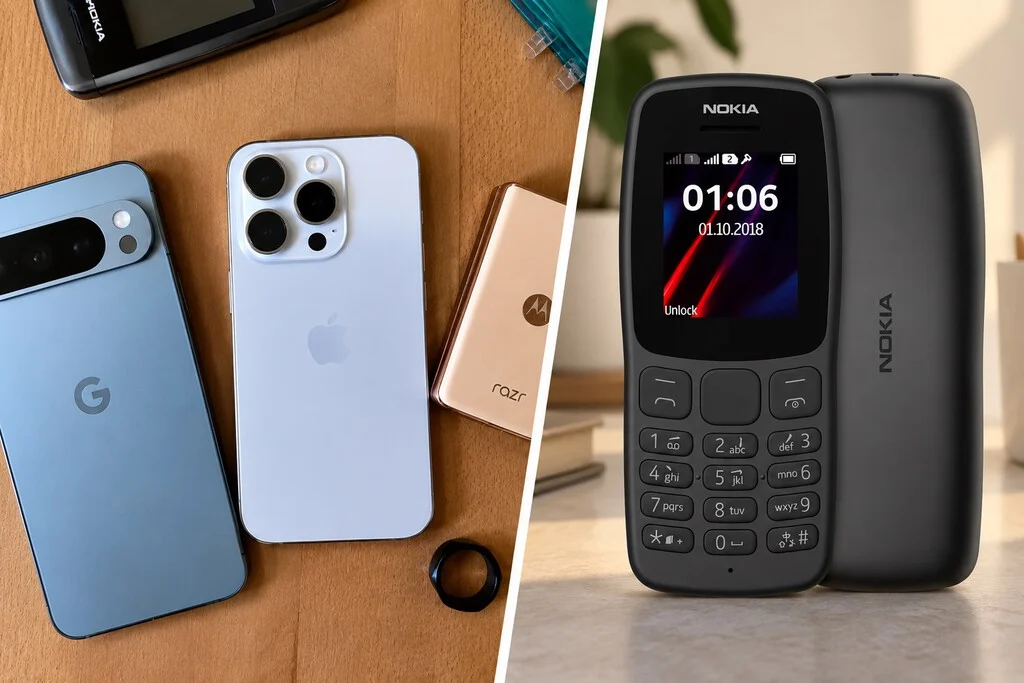

When the physical keyboard began its slow retreat from the consumer mobile market, the transition was met with significant skepticism. For a generation accustomed to the tactile feedback of a BlackBerry or the reliable simplicity of T9 predictive text, the shift to touchscreens felt like a regression in productivity. Critics argued that writing without physical keys was slower, error-prone, and required an unnatural level of visual focus. Yet, the industry marched forward. The screen, once a mere window for information, evolved into a versatile canvas where applications could dictate their own interfaces, effectively rendering the static physical button obsolete.
Today, however, the narrative has shifted. A growing segment of the population is actively seeking out devices that limit digital noise, prioritizing intentionality over constant connectivity. This trend, often discussed in online communities like Reddit’s r/Millennials, highlights a modern paradox: we have reached a point of saturation where the most "advanced" device is, for many, the one that does the least.
A Chronology of the Touchscreen Hegemony
To understand the current resurgence of "dumbphones" or "minimalist phones," one must look at the timeline of the smartphone revolution. The period between 2007 and 2012 served as the definitive death knell for the physical keyboard. Following the launch of the original iPhone, the industry underwent a seismic shift. Developers realized that by removing physical constraints, they could maximize screen real estate, allowing for a seamless integration of web browsers, high-definition cameras, and sophisticated media players.
By 2015, the "keyboard phone" was relegated to niche enterprise use cases or budget-tier devices in emerging markets. The promise of the smartphone was one of total convergence—a single device that could replace a camera, a GPS, a gaming console, and a workstation. This promise was fulfilled, but it came with an unforeseen cost: the erosion of human attention.
Supporting Data and Market Realities
Despite the palpable nostalgia for tactile buttons, market data from firms such as Counterpoint Research reveals a nuanced reality. While there is a measurable interest in "digital detox" devices, the global volume of basic phones is technically in decline. The primary driver of this decline is the rapid transition of users in emerging economies—specifically in Africa and parts of Southeast Asia—from feature phones to entry-level smartphones.
However, within the Western market, a premium sub-sector is emerging. It is no longer about "cheap" phones, but "intentional" phones. Products like the Minimal Phone 2 or the Light Phone represent a new category of hardware: devices that command premium pricing despite possessing limited functionality. These phones often feature high-quality materials, such as aluminum chassis and E-ink displays, signaling to consumers that simplicity is a luxury feature, not a compromise.
The Engineering of Friction
The modern minimalist phone is fundamentally designed to introduce "friction." In psychology and design, friction refers to the obstacles placed between an intent and an action. Modern smartphones are designed to minimize friction; apps are designed to be opened instantly, notifications are optimized to trigger dopamine, and browsers are always at the ready.
Conversely, the new wave of minimal hardware, such as the devices offered by companies like Commodore or Punkt, creates a deliberate barrier. By stripping away social media algorithms, infinite-scroll feeds, and non-essential notifications, these devices force the user to make a conscious decision before engaging with the digital world. For many, this is a remedy for the "always-on" anxiety that has defined the post-pandemic digital experience.
The Infrastructure Dilemma: The Cost of Disconnection
While the philosophy of the dumbphone is compelling, the practical reality of living without a modern smartphone in 2026 is increasingly difficult. The digital infrastructure of the modern world is built on the assumption that every citizen has a powerful, camera-equipped, data-connected computer in their pocket.

From digital boarding passes at airports and two-factor authentication for banking to QR-code-based menus and government-mandated health or parking applications, the smartphone has become a "digital key" to society. Opting for a minimal device often means opting out of these conveniences. A user with a basic, button-driven phone may find themselves unable to complete a simple parking transaction or verify their identity for a government service. This creates a "utility gap" that makes the transition to a dumbphone unsustainable for many, regardless of their desire for a simpler life.
The Intermediate Path: The "Software Dumbphone"
Recognizing these limitations, a significant portion of the "anti-distraction" movement has pivoted toward a more moderate approach: software-based limitation rather than hardware replacement. Rather than abandoning their powerful devices, users are turning to "minimalist launchers" and strict screen-time management tools.
By disabling browser access, hiding non-essential icons, and converting color displays to grayscale, users can transform a top-tier flagship phone into a tool that functions with the intentionality of a dumbphone. This approach allows individuals to maintain access to essential services like banking and navigation while effectively neutralizing the distracting elements of the operating system. This suggests that the problem is not necessarily the touchscreen itself, but the ecosystem of software that occupies it.
Broader Implications and Future Outlook
The resurgence of the physical button—whether on a dedicated device or as an aesthetic choice in modern product design—speaks to a broader fatigue with the current state of technology. We are currently witnessing a push-pull dynamic between the convenience of hyper-connectivity and the psychological need for boundaries.
Industry analysts suggest that this trend is likely to plateau. We are not returning to a pre-smartphone era, but rather entering a phase of "digital maturity." In this phase, users are becoming more critical of their tools. The manufacturers who succeed in the coming decade may be those who provide devices that offer "opt-in" complexity—phones that are powerful when needed but silent and simple by default.

Furthermore, the environmental and economic implications of this trend cannot be ignored. The rapid obsolescence of smartphones has created massive electronic waste. A return to simpler, more durable devices—which often require less frequent replacement—aligns with the growing consumer demand for sustainability. If a phone with a physical keyboard and a long-lasting battery can satisfy 80% of a user’s daily needs, the industry may eventually see a shift toward longer product lifecycles.
Conclusion
The return of the button is more than a retro-aesthetic trend; it is a symptom of a society grappling with the consequences of its own connectivity. Whether through the adoption of specialized hardware or the deliberate reconfiguration of current devices, the message is clear: the era of blind technological adoption is ending.
The physical keyboard, once the victim of the touchscreen’s efficiency, has been reborn as a symbol of control. While it may never replace the smartphone as the dominant tool for global communication, it serves as a vital reminder that technology should be a servant to the user, not a master of their time. As we look toward the remainder of the decade, the market for "minimalist" technology will likely continue to expand, not as a replacement for the modern world, but as a necessary escape from its relentless demands. The challenge for developers and manufacturers moving forward will be to build devices that respect the user’s autonomy, proving that in a world of infinite digital choices, the most powerful choice is sometimes to simply press a button and walk away.
