
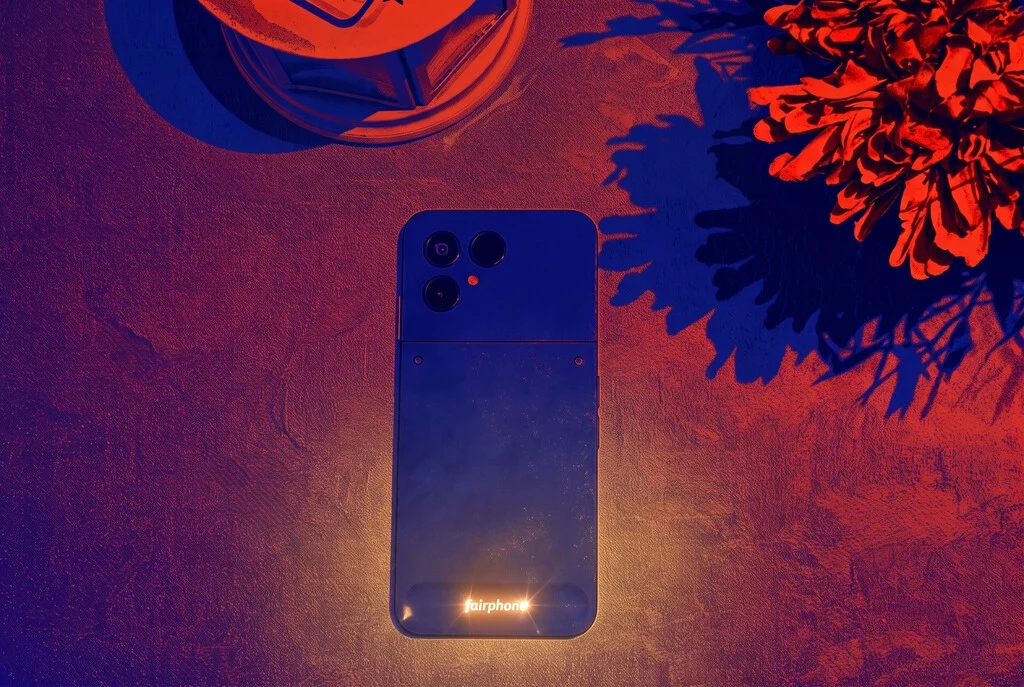

The lifecycle of a modern smartphone has increasingly become a transient experience, defined by planned obsolescence and the tightening grip of software ecosystems that prioritize proprietary control over user autonomy. For the average consumer, the decision to upgrade is no longer merely a choice of features, but a navigation through a landscape of restricted access, mounting e-waste, and the erosion of digital privacy. As major manufacturers continue to transform their devices into sealed, monolithic units, the Fairphone 6+ has emerged as a significant, albeit controversial, case study in the tension between mainstream performance and the burgeoning movement for the "right to repair."
The Current State of the Smartphone Industry
The global smartphone market is currently navigating a period of profound instability. Supply chain constraints, specifically the volatile DRAM and NAND flash memory markets, have led to erratic pricing and production cycles. Simultaneously, the Android ecosystem—once the bastion of open-source flexibility—has undergone a gradual transition toward more restrictive, service-locked architectures. With Google’s tightening of the Android Compatibility Definition Document (CDD) and the phasing out of traditional installation methods, developers and power users find themselves in a digital environment that favors integration over innovation.
This shift has left a void for users who value hardware longevity and software sovereignty. While flagship devices from industry leaders offer unmatched silicon performance, they often do so at the cost of long-term repairability. The Fairphone 6+, launched by the Amsterdam-based company Fairphone, attempts to bridge this divide, offering a modular design that challenges the standard "disposable" model of consumer electronics.
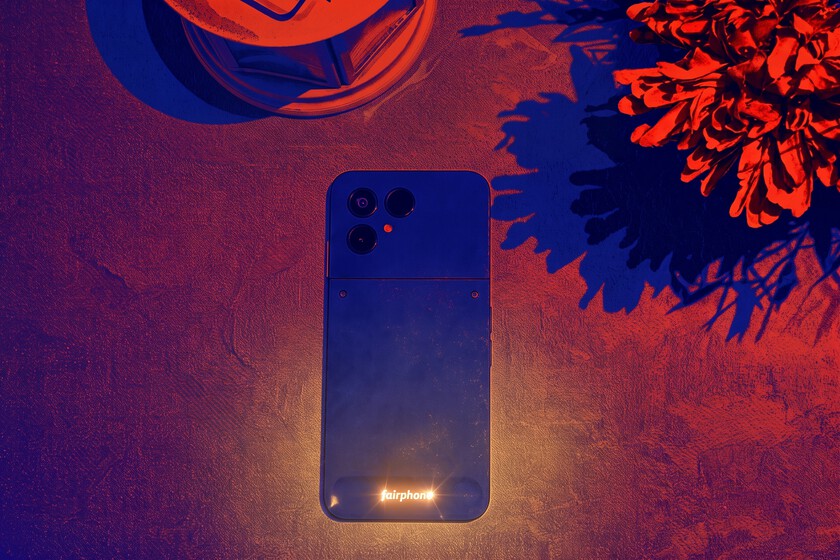
Chronology of the Modular Movement
The rise of Fairphone represents a shift in consumer consciousness that began in the early 2010s.
- 2013: Fairphone launches its first handset, focusing on conflict-free materials and ethical supply chains.
- 2015-2019: Successive iterations (Fairphone 2 and 3) introduce the concept of modular components, allowing users to swap out cameras and batteries with minimal technical expertise.
- 2023: The European Union passes landmark legislation mandating that portable batteries in consumer electronics be replaceable by the end-user by 2027.
- 2024-2025: Fairphone 6+ hits the market, arriving just as global discussions regarding the "Right to Repair" become central to consumer protection policy in the EU and North America.
Analyzing the Fairphone 6+ Specifications
From a purely technical standpoint, the Fairphone 6+ presents a paradox. Priced at approximately 649 euros, it features the Qualcomm Snapdragon 7s Gen 4 chipset and 12 GB of RAM. While this configuration is more than capable of handling daily tasks, including multitasking and multimedia consumption, it falls significantly behind the performance benchmarks set by flagship competitors in the same price bracket, which often utilize high-end silicon and superior image processing hardware.
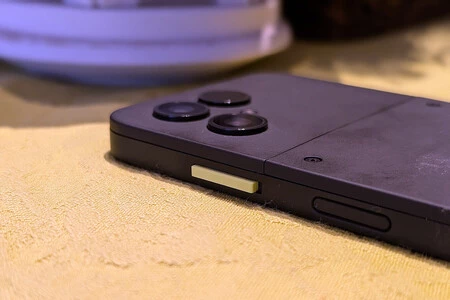
However, the value proposition of the Fairphone 6+ is not rooted in raw performance, but in its internal architecture. A recent teardown by iFixit awarded the device a perfect 10/10 rating for repairability. Unlike contemporary smartphones that require specialized heating pads, proprietary adhesives, and complex micro-soldering, the Fairphone 6+ utilizes a modular internal layout. Components such as the USB-C port, the camera module, and the battery are secured via standard fasteners, enabling even novice users to perform hardware maintenance in under five minutes.
The Software Paradox: Security vs. Sovereignty
The pursuit of digital sovereignty often leads users toward alternative operating systems. While the Fairphone 6+ ships with a standard Android build, it is marketed with a commitment to longevity: six years of Android version updates and up to seven years of security patches. This level of support is commendable, yet it introduces a secondary challenge: the delay in software distribution. Because the device is not as tightly integrated into the primary update pipelines as Google’s Pixel or Samsung’s Galaxy lines, security patches often arrive with a latency that some power users find unacceptable.
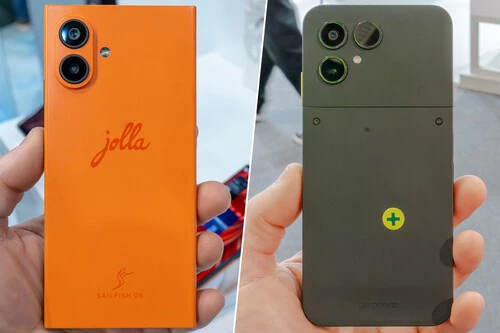
For those seeking complete independence from Mountain View, the path is fraught with complexity. Installing alternative mobile operating systems, such as /e/OS or various Linux-based distributions like Sailfish OS and postmarketOS, remains the "gold standard" for privacy-focused users. Yet, these systems frequently lack the polished integration and broad app compatibility—particularly for banking and secure financial services—that the modern digital economy requires. Consequently, the user is often forced to choose between the safety of a managed ecosystem and the freedom of an open, albeit potentially unstable, platform.
Broader Economic and Environmental Implications
The environmental impact of the smartphone industry is immense. Millions of devices are discarded annually, contributing to the growing crisis of electronic waste. The modularity of the Fairphone 6+ offers a direct counter-narrative to this waste. By allowing the replacement of individual modules rather than the entire handset, the device significantly extends its life cycle, potentially reducing the carbon footprint associated with manufacturing and disposal.
Industry analysts suggest that the success of the Fairphone model could force larger manufacturers to rethink their design philosophies. As legislation in the European Union and certain U.S. states continues to favor reparability, the "sealed box" approach may eventually become a liability rather than a standard.
Official Perspectives and Market Reality
Representatives from the repair advocacy community, including organizations like the Repair Association, have consistently lauded the Fairphone initiative as a benchmark for the industry. They argue that if a mid-sized European firm can produce a high-functioning, modular device, there is no technical barrier preventing global conglomerates from doing the same.
Conversely, some industry observers point to the "economic trade-off" inherent in modularity. To achieve a repairable design, manufacturers must sacrifice internal space—often leading to smaller batteries, less advanced camera sensors, or thicker chassis designs. For the average consumer who prioritizes ultra-slim aesthetics and top-tier photography, the Fairphone model remains a niche choice.
Conclusion: The Cost of Choice
The decision to adopt a Fairphone 6+ is ultimately a statement of intent. It is an acknowledgment that the traditional consumer model—characterized by biannual upgrades and forced obsolescence—is no longer sustainable for those who prioritize control over their digital tools.
While the device presents hurdles, such as the slower deployment of software updates and the compromise on raw performance, these are viewed by many as a necessary toll for the privilege of ownership. As we move further into an era where "owning" a device often feels more like "leasing" software, the Fairphone 6+ stands as one of the few remaining options for those who wish to maintain agency over their technology. The path toward a more sustainable and sovereign digital future may be complex and occasionally frustrating, but for an increasing number of users, the ability to open one’s phone with a simple screwdriver is a luxury worth the investment.
