
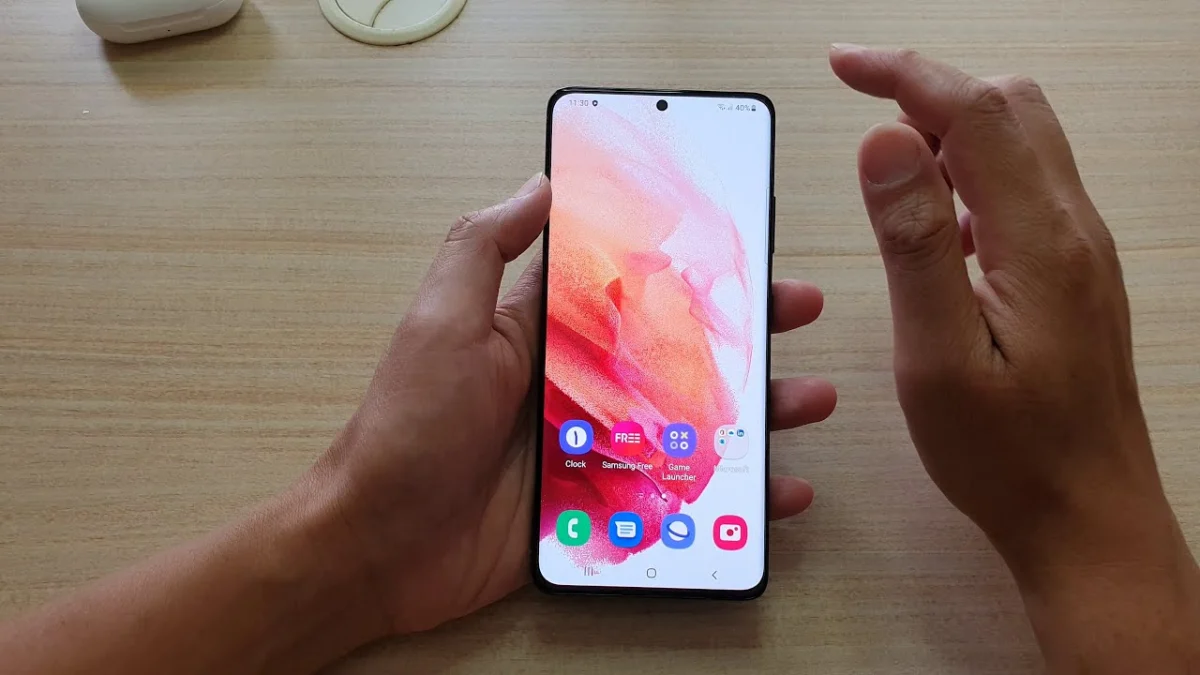

The landscape of mobile telecommunications is currently undergoing a foundational shift as physical components give way to integrated digital solutions, a transformation most visible in the rapid adoption of eSIM technology across the Samsung Galaxy ecosystem. An eSIM, or embedded Subscriber Identity Module, represents a departure from the traditional removable plastic card that has defined mobile connectivity for over three decades. Unlike the physical SIM cards that users must manually insert into a dedicated tray, the eSIM is a small, non-removable chip soldered directly onto the device’s motherboard during the manufacturing process. This hardware evolution, governed by global standards set by the GSMA, allows Samsung users to activate cellular plans, switch carriers, and manage multiple phone numbers through software interfaces rather than physical hardware manipulation. As Samsung continues to integrate this technology into its flagship S-series, Z-series, and increasingly its mid-range A-series devices, the implications for consumer convenience, international roaming, and device architecture are profound.
The Technical Foundation and Chronology of Samsung eSIM Integration
The journey toward a SIM-less future did not begin with smartphones, but rather with wearables. Samsung first experimented with embedded SIM technology in 2016 with the launch of the Gear S2 Classic 3G, marking one of the first consumer-grade applications of the GSMA’s Phase 2 eSIM specifications. This allowed the smartwatch to maintain an independent cellular connection without needing a physical link to a smartphone. However, it took several years for this technology to migrate to Samsung’s primary handset lineup.
The definitive turning point for the Samsung smartphone portfolio occurred in 2020 with the release of the Galaxy S20 series. While Apple had introduced eSIM functionality with the iPhone XS in 2018, Samsung’s adoption was a critical signal to the Android ecosystem that the technology had reached maturity. Following the S20, Samsung expanded support to the Note 20 series and every subsequent flagship release, including the Galaxy S21, S22, S23, and the current S24 series. Furthermore, the foldable category—comprising the Galaxy Z Fold and Z Flip lines—has included eSIM support since the Galaxy Z Flip’s inception, recognizing that the space-saving nature of eSIMs is vital for the complex internal architecture of folding devices.
In terms of software evolution, Samsung’s One UI overlay has been iteratively updated to simplify the eSIM user experience. Early implementations required cumbersome manual entries of SM-DP+ (Subscription Manager Data Preparation) addresses. Today, the process has been streamlined into a "Scan and Go" model, where the device’s camera identifies a carrier-provided QR code to automatically download the encrypted SIM profile.
Comprehensive List of eSIM-Compatible Samsung Devices
As of 2024, the list of Samsung devices supporting eSIM technology has grown to include nearly all premium models and several high-volume mid-range options. The following devices are confirmed to support eSIM functionality, though regional carrier restrictions may apply:
- Galaxy S Series: S20, S20+, S20 Ultra, S21, S21+, S21 Ultra, S22, S22+, S22 Ultra, S23, S23+, S23 Ultra, S24, S24+, and S24 Ultra.
- Galaxy Note Series: Note 20 and Note 20 Ultra.
- Galaxy Z Series (Foldables): Galaxy Fold, Z Fold 2, Z Fold 3, Z Fold 4, Z Fold 5; Galaxy Z Flip, Z Flip 5G, Z Flip 3, Z Flip 4, and Z Flip 5.
- Galaxy A Series: Galaxy A54 5G and Galaxy A55 5G (in specific markets).
- Galaxy Tablets: Tab S9, S9+, S9 Ultra, and the Tab S9 FE series.
It is important to note that the "FE" (Fan Edition) versions of the S20 and S21 series generally did not include eSIM support in many markets, a decision often attributed to cost-cutting measures during those specific production cycles. However, starting with the S23 FE, Samsung has moved toward making eSIM a standard feature across its high-tier "value" offerings.
Market Data and the Global Shift Toward Digital Provisioning
According to data from GSMA Intelligence, the number of eSIM-capable devices globally surpassed 1 billion in 2023, with Samsung being a primary driver of this volume alongside Apple and Google. Market analysts at Counterpoint Research suggest that by 2025, over 50% of all smartphones shipped globally will feature eSIM capabilities.
The shift is driven by two primary forces: carrier cost reduction and consumer demand for seamless travel. For telecommunications providers, the distribution of physical SIM cards involves significant logistics, including manufacturing plastic, packaging, and shipping. Transitioning to digital profiles reduces these overheads to nearly zero. For consumers, the rise of "Travel eSIM" providers like Airalo and Holafly has changed the economics of international roaming. Instead of paying exorbitant daily fees to their home carrier or hunting for a local SIM kiosk at an airport, Samsung users can now download a local data plan before their flight even lands.
Strategic Analysis: The Benefits and Security of Embedded SIMs
The advantages of eSIM technology on Samsung devices extend beyond mere convenience. From a design perspective, removing or reducing the size of the SIM tray allows engineers to reclaim internal volume. In a modern smartphone, every millimeter is contested; the space saved by an eSIM can be redirected toward slightly larger battery capacities, improved haptic engines, or enhanced thermal cooling systems.
From a security standpoint, eSIMs offer a robust defense against "SIM swapping" and physical theft. In a traditional theft scenario, a criminal can remove a physical SIM card and place it in a different device to intercept two-factor authentication (2FA) codes. With an eSIM, the profile is digitally locked to the device and protected by Samsung Knox, the company’s defense-grade security platform. Unauthorized removal of an eSIM profile requires the device’s passcode or biometric authentication, making it significantly harder for bad actors to hijack a user’s cellular identity.
Furthermore, Samsung’s "Dual SIM" functionality—often utilizing one physical SIM and one eSIM—allows professionals to maintain separate work and personal lines on a single device. This software-driven management allows for "Always On" connectivity, where the device can intelligently switch between data sources if one network experiences a localized outage.
Step-by-Step Activation and Management on One UI
Activating an eSIM on a Samsung device is designed to be an intuitive process within the One UI environment. Users typically follow a standardized path:
- Navigate to Settings: Open the "Connections" menu.
- SIM Manager: Select "SIM Manager" (or "SIM Card Manager" on older versions).
- Add eSIM: Tap on "Add eSIM" or "Add Mobile Plan."
- Provisioning: The device will prompt the user to "Scan QR code from service provider." If the carrier supports "Push" provisioning, the plan may appear automatically as a notification.
- Confirmation: Once the profile is downloaded, the device registers with the network tower, and the user can label the new line (e.g., "Travel," "Work," or "Data Only").
Samsung also introduced an "eSIM Transfer Tool" with the launch of One UI 5.1, allowing users to move their digital profiles from an old Galaxy device to a new one without contacting the carrier, provided the carrier supports the specific GSMA transfer protocol.
Official Responses and Carrier Relations
The transition has not been without friction. While Samsung has provided the hardware, the ultimate utility of the eSIM rests with the mobile network operators (MNOs). In the United States, major carriers like Verizon, AT&T, and T-Mobile have fully embraced the technology, often using eSIM to facilitate "Free Trials" where prospective customers can test their network for 30 days without switching their primary number.
However, industry analysts note that some smaller regional carriers and prepaid providers have been slower to adopt eSIM, fearing that the ease of switching makes "churn" (customers leaving for competitors) too simple. In response, Samsung has maintained a "hybrid" approach in most markets, continuing to include a physical SIM slot alongside the eSIM chip. This contrasts with Apple’s strategy in the U.S. market, where the iPhone 14 and subsequent models have moved to an eSIM-only architecture. Samsung’s decision to keep the physical slot is viewed by many as a pragmatic move to ensure compatibility in developing markets where physical SIMs remain the dominant form of distribution.
Environmental Impact and Sustainability Goals
The move toward eSIM also aligns with Samsung’s "Galaxy for the Planet" sustainability initiative. Traditional SIM cards are made of PVC, silicon, and gold, and they are frequently discarded when users switch plans or upgrade phones. By moving toward a digital-first model, Samsung contributes to a reduction in plastic waste and the carbon footprint associated with the global logistics of SIM card distribution. While a single SIM card is small, the cumulative impact of billions of cards manufactured annually is a significant environmental consideration.
Future Implications and the "iSIM" Frontier
Looking ahead, the evolution of the SIM is likely to move from "Embedded" (eSIM) to "Integrated" (iSIM). While an eSIM is a dedicated chip on the motherboard, an iSIM integrates the SIM functionality directly into the device’s main processor (the System-on-Chip or SoC). Samsung, in partnership with companies like Qualcomm and Thales, is already exploring iSIM technology. This would further reduce the hardware footprint and power consumption, potentially allowing even smaller devices, such as the rumored "Galaxy Ring" or future generations of Galaxy Buds, to possess independent cellular connectivity.
In conclusion, the integration of eSIM technology into Samsung Galaxy devices represents more than just a technical upgrade; it is a fundamental reimagining of the relationship between the consumer, the device, and the network. By removing physical barriers to connectivity, Samsung is fostering a more flexible, secure, and environmentally conscious mobile ecosystem. As carrier support continues to broaden and the technology trickles down to more affordable price points, the era of the plastic SIM card is rapidly drawing to a close, replaced by a digital identity that is as mobile and versatile as the users themselves.
