

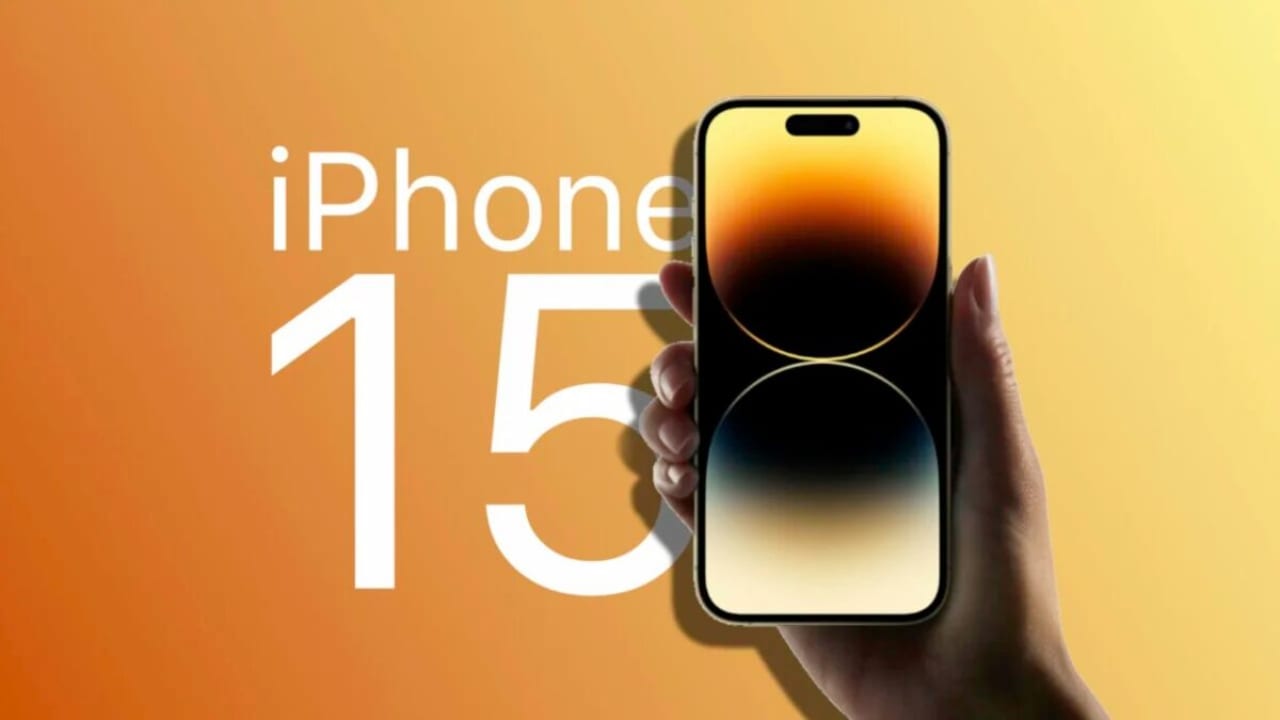
The telecommunications industry is currently observing a significant technological pivot as Apple prepares to unveil its iPhone 15 series, with persistent reports indicating a broader transition toward an eSIM-only architecture. This move, which would involve the removal of the physical nano-SIM card tray, represents one of the most substantial changes to the iPhone’s external hardware since the removal of the headphone jack in 2016. While the United States market saw this transition begin with the iPhone 14, the iPhone 15 is expected to serve as the catalyst for a global shift, forcing international carriers and consumers to adapt to a digital-first cellular environment. Industry analysts suggest that this transition is not merely a design choice but a strategic maneuver aimed at enhancing device security, internal engineering efficiency, and the long-term vision of a truly portless smartphone.
Understanding eSIM Technology and the eUICC Standard
At its core, an eSIM, or embedded SIM, is a programmable version of the traditional Subscriber Identity Module. Unlike the physical plastic cards that have been a staple of mobile telephony for decades, the eSIM is a small chip—specifically an Embedded Universal Integrated Circuit Card (eUICC)—soldered directly onto the device’s motherboard during the manufacturing process. This chip is compliant with standards set by the GSMA (Global System for Mobile Communications Association), allowing it to be provisioned remotely.
The primary functional difference lies in how carrier profiles are managed. With a physical SIM, the identity of the subscriber is tied to the hardware of the card. With an eSIM, the identity is software-defined. Users can download "profiles" over-the-air (OTA), enabling them to switch carriers or activate new lines without ever touching a piece of hardware. This technology supports multiple profiles, allowing a single device to store several cellular plans and switch between them via the software interface in the operating system.
The Chronology of Apple’s SIM Evolution
To understand the rumored iPhone 15 transition, one must look at the decade-long trajectory Apple has followed to minimize and eventually eliminate physical SIM cards. Apple has historically been the primary driver of SIM card miniaturization. In 2010, the company introduced the Micro-SIM with the iPad and iPhone 4, followed by the Nano-SIM in 2012 with the iPhone 5. Each iteration was met with initial resistance from carriers, yet eventually became the industry standard.
The integration of eSIM technology began in 2018 with the iPhone XS, XS Max, and XR, which featured a "Dual SIM" setup consisting of one physical Nano-SIM slot and one eSIM. By 2021, the iPhone 13 series introduced support for Dual eSIMs, allowing two active plans without needing the physical slot at all. The most definitive step occurred in 2022, when Apple released the iPhone 14 in the United States without a SIM tray, making it the first major flagship to go eSIM-only in a primary market.
Reputable analysts, including Ming-Chi Kuo and Mark Gurman, indicate that the iPhone 15 lineup will expand this "eSIM-only" philosophy to more regions, particularly in Europe and parts of Asia. While the standard iPhone 15 and 15 Plus may retain the tray in some markets to ease the transition, the iPhone 15 Pro and Pro Max are expected to lead the charge as the first models to ditch the tray globally, excluding markets like China where regulatory and infrastructure hurdles remain.
Engineering and Design Implications: The Quest for Internal Space
The removal of the SIM card tray is a decision rooted deeply in industrial engineering. In the high-stakes world of smartphone manufacturing, internal real estate is the most valuable commodity. A physical SIM tray, despite its small size, requires a significant "footprint" on the logic board and a dedicated cutout in the device’s frame.
By eliminating this component, Apple engineers can reclaim several cubic millimeters of space. While this sounds negligible, it provides room for critical upgrades. This extra space can be utilized for a slightly larger battery capacity, more advanced haptic engines, or the inclusion of the rumored periscope zoom lens in the iPhone 15 Pro Max. Furthermore, the removal of the tray simplifies the internal layout, allowing for a more modular design that can be easier to service in specific configurations.
Beyond internal space, the shift enhances the structural integrity and durability of the device. Every opening in a smartphone’s chassis is a potential point of entry for liquid and dust. By removing the SIM slot, Apple can further refine the iPhone’s IP68 water resistance rating, potentially moving toward a future where the device is entirely sealed against the elements.
Security Advantages and the Mitigation of SIM Swapping
From a security perspective, the transition to eSIM offers a robust defense against common forms of cybercrime and physical theft. Physical SIM cards are vulnerable to "SIM swapping" attacks, where a malicious actor gains access to a user’s physical card or social-engineers a carrier into porting the number to a new card. With an eSIM, the profile is securely stored within the device’s "Secure Element," making it significantly harder for hackers to intercept the credentials without the physical device and its biometric locks.
Furthermore, eSIM-only devices are a deterrent to theft. When a traditional iPhone is stolen, one of the first actions a thief takes is to remove the SIM card to prevent the owner from tracking the device via "Find My" services. An eSIM cannot be removed. As long as the device has power, it remains connected to the network, allowing the owner and law enforcement to track its location more effectively.
Market Readiness and Carrier Responses
The success of an eSIM-only iPhone 15 depends heavily on the readiness of global telecommunications providers. In the United States, the "Big Three"—Verizon, AT&T, and T-Mobile—have fully embraced the technology, offering seamless digital activation processes. However, the global landscape is more fragmented.
In Europe, major providers like Vodafone, Orange, and Deutsche Telekom have expanded their eSIM support significantly over the last 24 months. In anticipation of the iPhone 15, many of these carriers have streamlined their "Quick Transfer" services, which allow users to move their eSIM from an old iPhone to a new one via Bluetooth during the initial setup.
However, industry observers point out that smaller Mobile Virtual Network Operators (MVNOs) and prepaid providers in emerging markets may still lag. If Apple moves too quickly in these regions, it risks alienating a segment of users who rely on budget carriers that only issue physical cards. Consequently, it is expected that Apple will maintain a "hybrid" strategy for the iPhone 15, shipping eSIM-only models in technologically mature markets while retaining the SIM slot in others for at least one more cycle.
Analyzing the Impact on International Travel
One of the most debated aspects of the eSIM transition is its impact on frequent international travelers. For years, the standard practice for travelers was to land in a new country and purchase a local "burner" SIM card at an airport kiosk. This provided immediate access to local data rates, avoiding exorbitant roaming fees.
The removal of the SIM tray complicates this ritual but introduces a new digital marketplace. Apps like Airalo, Holafly, and Gigago allow users to purchase and install international data plans before they even board their flight. While this offers convenience, critics argue that these digital plans are often more expensive than the local physical SIMs found in corner shops in regions like Southeast Asia or Africa. The iPhone 15’s move to eSIM-only will likely force a rapid maturation of the global travel-data market, driving down prices as competition among digital providers increases.
Broader Implications for the Smartphone Industry
Apple’s decisions rarely exist in a vacuum; they often set the template for the rest of the industry. When Apple removed the headphone jack, competitors like Samsung and Google initially mocked the move in advertisements, only to follow suit within two years. A similar trend is expected with the SIM tray.
The shift toward eSIM is a win for sustainability. The production and distribution of billions of plastic SIM cards annually contribute to significant plastic waste and carbon emissions from shipping. By moving to a digital standard, the mobile industry can significantly reduce its environmental footprint. Furthermore, the move pushes the industry closer to the "portless" smartphone—a device with no buttons, no charging port, and no SIM slot—relying entirely on wireless charging, data transfer, and eSIM connectivity.
Conclusion: The Inevitable Digital Shift
As the launch of the iPhone 15 approaches, the evidence suggests that Apple is committed to a future without physical SIM cards. While the transition may present initial friction for users accustomed to the tactile nature of plastic cards and for travelers in less-developed digital infrastructures, the benefits of the technology are difficult to ignore.
The iPhone 15 Pro’s rumored eSIM-only design represents a convergence of security, design efficiency, and consumer convenience. By forcing the hand of global carriers, Apple is accelerating a modernization of the telecommunications grid that was long overdue. While there will undoubtedly be a learning curve for the general public, the "eSIM revolution" catalyzed by the iPhone 15 is poised to become the new standard for the next decade of mobile connectivity. The physical SIM card, once a revolutionary piece of technology that miniaturized the phone’s identity, is now becoming a relic of a bygone analog era.
