
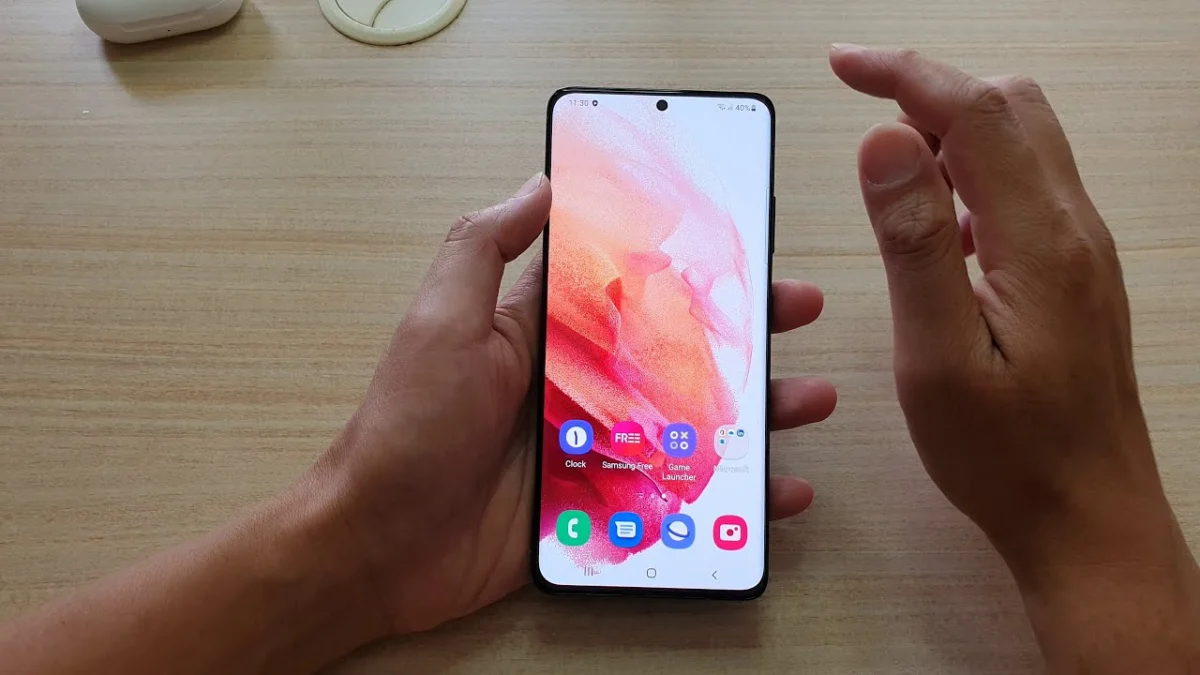

The Evolution of Mobile Connectivity: A Comprehensive Guide to eSIM Technology on Samsung Devices marks a significant turning point in how consumers interact with cellular networks, representing a transition from physical hardware to a digitized, software-driven ecosystem. As the telecommunications industry pivots toward more streamlined and integrated solutions, Samsung Electronics has emerged as a primary driver of this transition, integrating embedded Subscriber Identity Module (eSIM) technology across its flagship smartphone and wearable portfolios. This shift is not merely a convenience for the end-user but a fundamental change in the architecture of mobile devices, allowing for greater hardware efficiency and a more flexible consumer experience.
Understanding the Architecture of the Embedded SIM
An eSIM, or embedded SIM, is a specialized hardware component—specifically a small chip known as an eUICC (Embedded Universal Integrated Circuit Card)—that is soldered directly onto the motherboard of a device during the manufacturing process. Unlike the traditional plastic SIM card that has been a staple of mobile telephony since the early 1990s, the eSIM is non-removable. It functions by storing multiple operator profiles digitally, which can be activated, deactivated, or switched via software.
This digital-first approach eliminates the need for the physical "SIM tray" and the delicate handling of micro or nano-SIM cards. For Samsung devices, this means the internal space previously reserved for the SIM mechanism can be repurposed by engineers to enhance other hardware features, such as increasing battery capacity, improving thermal management systems, or thinning the device’s overall profile. The technology operates on standards developed by the GSMA (Global System for Mobile Communications Association), ensuring that Samsung’s implementation remains compatible with hundreds of carriers globally.
The Chronology of eSIM Adoption in the Samsung Ecosystem
The integration of eSIM technology by Samsung was not an overnight occurrence but rather a calculated rollout that began with wearables before moving into the high-end smartphone market.
- 2016: The Inception: Samsung became one of the first major manufacturers to utilize eSIM technology in a consumer product with the launch of the Gear S2 Classic 3G smartwatch. This allowed the watch to maintain a cellular connection independently of a tethered smartphone.
- 2020: The Smartphone Milestone: The launch of the Galaxy S20 series marked the first time Samsung integrated eSIM capabilities into its flagship smartphone lineup. This provided users with "Dual SIM" functionality—one physical slot and one digital eSIM.
- 2021-2023: Expansion and Refinement: Samsung expanded eSIM support to its foldable categories, including the Galaxy Z Fold and Z Flip series. With the introduction of One UI 4 and 5, the software interface for managing these digital profiles became significantly more intuitive.
- 2024 and Beyond: The Galaxy S24 series represents the current pinnacle of this technology, featuring advanced "Seamless Transfer" capabilities that allow users to move eSIM profiles between devices with minimal carrier intervention.
Technical Advantages and Hardware Implications
The benefits of moving to an eSIM-centric model are multifaceted, impacting both the consumer and the manufacturer. From a technical standpoint, the removal of the physical SIM slot enhances the structural integrity of the device. By reducing the number of apertures in the phone’s frame, Samsung can more easily achieve and maintain high IP68 water and dust resistance ratings.
Furthermore, the "Multi-Carrier Capability" of eSIMs is a transformative feature for modern professionals. A single Samsung eSIM chip can store up to five or more virtual SIM profiles (though only one or two can typically be active at once, depending on the model). This allows a user to have a primary work number, a personal number, and several international data plans stored on a single device, ready to be toggled in the settings menu without ever needing a SIM ejection tool.
Comprehensive List of Supported Samsung Devices
As of mid-2024, the list of Samsung devices supporting eSIM technology has grown to include nearly all premium and some mid-range models. Notable entries include:
- Galaxy S Series: Every model from the S20, S21, S22, S23, and S24 series (including Plus and Ultra variants).
- Galaxy Note Series: The Galaxy Note 20 and Note 20 Ultra.
- Galaxy Z Series: All generations of the Galaxy Z Fold and Galaxy Z Flip.
- Galaxy A Series: Select recent models such as the Galaxy A54 5G and A55 5G (depending on regional specifications).
- Galaxy Watch Series: Every cellular-enabled Galaxy Watch since the Gear S2.
It is important to note that regional variations exist. For instance, some Samsung devices sold in the Chinese or Hong Kong markets may feature dual physical SIM slots instead of an eSIM/Physical SIM combination due to local regulatory environments and carrier preferences.
The Activation Process: A Step-by-Step Breakdown
Activating an eSIM on a Samsung device has been streamlined to a few software-driven steps. While traditional SIM cards required a trip to a retail store or waiting for a card to arrive in the mail, eSIM activation is instantaneous.
- Carrier Provisioning: The user must first subscribe to an eSIM-compatible plan. The carrier then provides a digital profile, usually in the form of a QR code or an activation code sent via email.
- Device Configuration: On the Samsung device, the user navigates to Settings > Connections > SIM Manager.
- Adding the Profile: By selecting "Add eSIM," the device opens the camera interface to scan the carrier’s QR code.
- Network Registration: Once scanned, the device communicates with the carrier’s servers to download the encrypted credentials. The phone then registers on the network, a process that typically takes less than 60 seconds.
Samsung has also introduced an "eSIM Transfer" feature within its One UI software, which uses Bluetooth and secure Wi-Fi Direct to move an existing eSIM from an old Samsung phone to a new one, provided the carrier supports this specific GSMA protocol.
Security Implications and Data Protection
From a security perspective, eSIMs offer a distinct advantage over their physical counterparts. In the event of device theft, a physical SIM card can be easily removed and discarded, allowing the thief to put the phone offline or use the SIM in another device to intercept two-factor authentication (2FA) codes. An eSIM, however, is embedded. It cannot be removed, and it generally requires the device’s passcode or biometric authentication to modify or delete the profile. This makes it much easier for the rightful owner to track the device via "Find My Mobile" services, as the thief cannot easily disconnect the cellular data link.
Additionally, the data transmitted during the eSIM provisioning process is protected by end-to-end encryption. The eUICC chip itself is a secure element, designed to be resistant to physical tampering and sophisticated side-channel attacks, ensuring that the user’s identity and credentials remain protected.
Industry Reactions and Market Analysis
The global telecommunications market has shown a clear trajectory toward eSIM dominance. According to data from industry analysts at Counterpoint Research, eSIM-capable device shipments are expected to grow at a compound annual growth rate (CAGR) of 15% through 2030.
Major carriers such as Verizon, AT&T, and T-Mobile in the United States, along with Vodafone and Orange in Europe, have publicly endorsed the technology. They cite reduced overhead costs—saving millions on the production and distribution of plastic cards—and a reduction in "churn," as the ease of activation allows them to capture customers more quickly. However, some smaller regional carriers have been slower to adopt the technology due to the significant backend infrastructure upgrades required to support Remote SIM Provisioning (RSP).
Potential Limitations and Consumer Considerations
Despite the clear advantages, the transition to eSIM is not without its hurdles. One primary drawback is the difficulty of switching between devices for users who do not stay within a single brand’s ecosystem. While Samsung-to-Samsung transfers are becoming seamless, moving an eSIM from a Samsung device to a different manufacturer’s device often requires contacting the carrier to issue a new QR code.
Furthermore, in the event of a total hardware failure where the screen is unresponsive, a user cannot simply "pop out the SIM" to put it into a backup phone to make an emergency call. This reliance on the device’s operational status for SIM access is a point of contention for some power users and travelers in remote areas.
Environmental Impact and Sustainability
One of the often-overlooked benefits of the eSIM transition is its contribution to corporate sustainability goals. Every year, billions of plastic SIM cards are manufactured, many of which are packaged in credit-card-sized plastic holders and shipped globally. By moving to eSIM, Samsung and its partners significantly reduce plastic waste and the carbon footprint associated with the logistics of physical SIM distribution. This aligns with Samsung’s "Galaxy for the Planet" initiative, which aims to minimize the environmental impact of its mobile products.
Conclusion: The Future of the SIM-less World
The integration of eSIM technology in Samsung devices is more than a mere feature; it is a fundamental shift in the mobile landscape. By providing a more secure, flexible, and efficient way to manage cellular connectivity, Samsung is preparing its user base for a future where physical borders and hardware limitations no longer dictate how we connect. While challenges regarding carrier support and cross-platform portability remain, the trajectory is clear: the era of the plastic SIM card is drawing to a close, replaced by the invisible, powerful, and versatile eSIM. As Samsung continues to refine this technology through its One UI updates and hardware innovations, the gap between the digital and physical worlds of telecommunications will continue to shrink.
