

The smart home landscape, a sector once brimming with promises of seamless automation and effortless living, finds itself at a critical juncture. As Amazon’s head of devices, David Limp, prepares for retirement, marking a significant shift within the tech giant, the industry is collectively evaluating the trajectory of its most prominent voice: Alexa and the Amazon Echo. With the tenth anniversary of these foundational smart home products approaching next year, a retrospective analysis of their impact, alongside emerging challenges and opportunities, is not only timely but essential for understanding the future of connected living.
Leadership Transition at Amazon Signals a Potential Pivot
David Limp’s impending retirement, part of a broader wave of executive departures from Amazon over the past year, casts a spotlight on the company’s long-term strategy for its devices division. Limp has been a central figure in the development and expansion of Amazon’s hardware ecosystem, including the ubiquitous Echo smart speakers and the Alexa voice assistant. His tenure has seen Alexa evolve from a novel voice command interface to a deeply integrated component of millions of households worldwide, powering everything from music playback and smart lighting control to shopping and information retrieval.
The departure of such a pivotal leader raises questions about the future direction of Amazon’s smart home initiatives. Will the company maintain its current focus, or will new leadership bring a revised vision, potentially emphasizing different aspects of the smart home experience, such as enhanced privacy, more robust security, or a deeper integration with other Amazon services? While Amazon has not publicly detailed specific plans following Limp’s retirement, industry observers are keenly watching for any indications of strategic shifts. The company’s sustained investment in AI and its continued development of new devices suggest a commitment to the smart home, but the nuances of that commitment may evolve.
A Decade of Alexa: Achievements and Unfulfilled Potential
The approaching tenth anniversary of the Amazon Echo and Alexa offers a natural point for reflection. When the Echo first launched in late 2014, it was a groundbreaking device, introducing the concept of a always-on, voice-activated digital assistant into the mainstream home. Its ability to respond to natural language commands, play music, set timers, and answer questions quickly made it a compelling addition to many households. This innovation spurred a rapid growth in the smart speaker market and laid the groundwork for a broader smart home ecosystem.
Over the years, Alexa has integrated with thousands of smart home devices from various manufacturers, enabling users to control lights, thermostats, locks, and security systems with their voice. This interoperability, while a significant achievement, has also highlighted some of the inherent complexities and fragmentation within the smart home market. Despite the widespread adoption of Alexa, the vision of a truly seamless and universally compatible smart home has remained somewhat elusive. Users often encounter compatibility issues, require multiple apps for different devices, and grapple with the learning curve associated with setting up and managing a connected home.
The High Cost of Innovation and the Specter of Security Breaches
The current state of the smart home is further underscored by recent product launches that, while innovative, highlight the persistent challenges of accessibility and security. The review of the Mill composting system, a kitchen trash can designed by Nest co-founder Matt Rodgers, exemplifies the high-end, niche innovation that is entering the market. While the product offers advanced functionality, its sophisticated nature and likely price point suggest that truly integrated and affordable smart home solutions are still a work in progress.
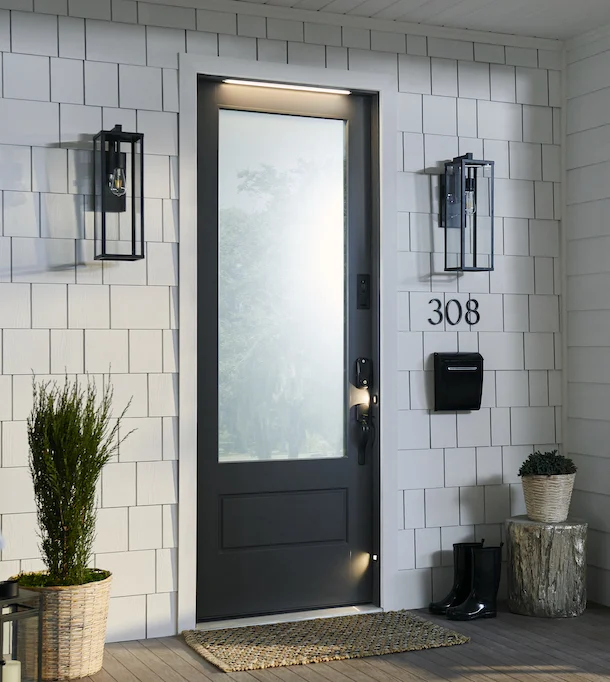
Similarly, the news that Masonite is now selling its expensive smart door at Home Depot points to another segment of the market where advanced features come with a significant cost barrier. Smart doors, offering enhanced security and convenience through features like remote locking and unlocking, are a testament to technological advancement but remain out of reach for many consumers. This disparity between cutting-edge technology and practical affordability is a recurring theme in the smart home sector, raising questions about equitable access to the benefits of connected living.
The concerns surrounding smart home security are also amplified by the potential for vulnerabilities in connected devices. Microsoft’s recent discovery of a new set of vulnerabilities that could be exploited to shut down power plants serves as a stark reminder of the broader implications of internet-connected systems, including those within our homes. While these specific vulnerabilities may target industrial infrastructure, they underscore the critical importance of robust security protocols for all connected devices, from large-scale industrial controls to the smart bulbs and door locks within our homes. The potential for malicious actors to exploit weaknesses in smart home technology raises significant privacy and safety concerns for consumers.

Regulatory Efforts and the Path Towards Standardization
In response to these growing security concerns, regulatory bodies are beginning to take a more proactive stance. The FCC’s Notice of Proposed Rulemaking for an IoT cybersecurity labeling program is a significant step towards empowering consumers with clearer information about the security of their connected devices. This initiative, which allows for a 30-day public comment period, aims to provide a standardized way for consumers to identify devices that meet specific cybersecurity standards. Such a program could foster greater trust in the smart home market and incentivize manufacturers to prioritize security in their product development.
The ongoing development and adoption of standards like Matter are also crucial for addressing fragmentation and improving interoperability. Matter, an open-source connectivity standard, aims to simplify the smart home experience by enabling devices from different manufacturers to communicate seamlessly. The integration of existing protocols like Z-Wave with Matter, as discussed by industry experts, is vital for ensuring a smooth transition and maximizing the benefits of these new standards.
The Resurgence of Z-Wave and the Importance of Chip Innovation
The Z-Wave protocol, a long-standing player in the smart home arena, is experiencing a renewed focus with the emergence of new chip providers. The announcement that a new company will become a secondary source of Z-Wave chips is a positive development for the ecosystem. Historically, the availability and diversity of chip suppliers have played a critical role in the growth and accessibility of wireless technologies. Increased competition and a more robust supply chain can lead to greater innovation, more competitive pricing, and improved product availability for consumers.
Mariusz Malkowski, founder and CTO of Trident IoT, offers valuable insights into the evolving Z-Wave landscape. His company’s work in developing Z-Wave chips and its commitment to bridging Z-Wave with emerging standards like Matter highlight the collaborative efforts underway to strengthen the smart home infrastructure. Trident IoT’s role as a Z-Wave certification house further emphasizes the importance of maintaining high standards for interoperability and reliability within the Z-Wave community. The future of Z-Wave, including plans for Z-Wave Long Range and planned security upgrades, is being shaped by these advancements, aiming to keep the protocol relevant and competitive in an increasingly interconnected world.
The Promise and Peril of Local Control
The debate between cloud-dependent and locally controlled smart home devices continues to be a significant factor in consumer choice. The review of the Homey Pro smart home hub, while acknowledging its high price point, highlights the appeal of local control. For users concerned about privacy, data security, or reliance on internet connectivity, a hub that can manage devices without constant cloud communication offers a compelling alternative. Local control can also lead to faster response times and more reliable operation, especially in areas with unstable internet connections.
However, the development and widespread adoption of locally controlled smart home systems face their own set of challenges. These include the complexity of setup and maintenance for users, the need for robust local processing power, and the ongoing development of standardized protocols that support seamless local communication. As the smart home market matures, the balance between the convenience of cloud-based services and the security and reliability of local control will likely remain a key differentiator.
Addressing Niche Needs: The Woodworker’s Lamp
Beyond the broader technological trends, the smart home also caters to a diverse range of user needs. The listener question regarding the appropriate light bulb for a woodworker’s lamp illustrates this point. While the article doesn’t delve into the specifics of the lamp’s requirements, the inquiry itself highlights the practical application of smart home technology in specialized hobbies and professions. For a woodworker, optimal lighting can be crucial for precision, safety, and the overall quality of their craft. The choice of bulb might involve considerations such as color temperature, brightness, energy efficiency, and potentially even smart features like dimming or color adjustment, all aimed at enhancing the user’s experience and productivity.
Looking Ahead: A Dynamic and Evolving Market
The smart home industry is a dynamic and rapidly evolving sector. The departure of a key Amazon executive, the ongoing development of new standards, the emergence of innovative but often expensive products, and the persistent focus on security all point towards a period of significant transformation. As the industry approaches the tenth anniversary of Alexa and Echo, it stands at a crossroads, with the potential to either fully realize the promise of a seamlessly connected and intelligent home or to remain a collection of disparate and sometimes unreliable devices. The decisions made by industry leaders, the regulatory frameworks established, and the continued innovation in both hardware and software will ultimately determine the future of how we live, work, and interact with our homes. The coming years will be crucial in shaping whether the smart home evolves into a truly indispensable and universally accessible part of modern life.
