
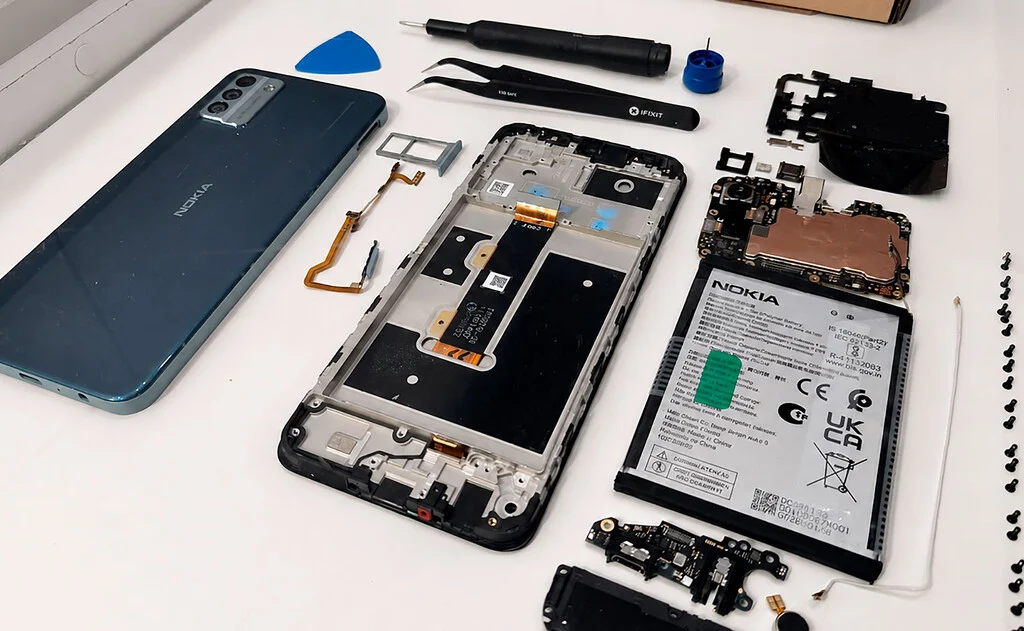

The technological landscape is currently navigating an unprecedented crisis, distinct from previous cyclical downturns or supply chain disruptions. This ongoing challenge, deeply intertwined with the burgeoning demands of artificial intelligence and data centers, is exerting immense pressure across all segments of the technology sector, impacting everything from the production of next-generation gaming consoles like the anticipated PS6 and Switch 2 to the availability and pricing of everyday smartphones. While the industry has weathered numerous storms over the past two decades, including the 2011 Thai floods that crippled hard drive production and the widespread chip shortages exacerbated by the recent pandemic, the current situation concerning RAM (Random Access Memory) is proving to be unparalleled in its scope and severity.
The AI Nexus: A New Paradigm for Semiconductor Demand
At the heart of this escalating crisis lies the explosive growth of artificial intelligence, particularly generative AI models. These advanced AI systems, encompassing large language models (LLMs), sophisticated image generation tools, and complex data analytics platforms, require colossal amounts of computational power and, crucially, vast quantities of high-bandwidth memory (HBM) and conventional DRAM to operate efficiently. Training these models involves processing petabytes of data, a process that demands constant, rapid access to memory. Even during inference—when the models are used to generate outputs—significant memory resources are required to hold model parameters and process user inputs.
The demand is primarily driven by hyper-scale data centers, cloud service providers, and AI research institutions, all locked in a race to develop and deploy more powerful AI solutions. These entities are willing to pay premium prices for the necessary components, effectively outbidding manufacturers of consumer electronics for critical semiconductor capacity. This aggressive procurement strategy has created a dramatic imbalance in the supply chain, prioritizing the high-margin AI segment over the traditionally stable, but lower-margin, consumer market.
A Historical Perspective: Crises Past and Present
To fully appreciate the current predicament, it is essential to contextualize it against past technological supply crises. The industry is inherently susceptible to disruptions, often arising from natural disasters, geopolitical events, or sudden shifts in demand.
One notable event was the 2011 Thailand floods, which devastated the country’s industrial zones, particularly impacting the global supply of hard disk drives (HDDs). Thailand was a major manufacturing hub for HDD components and assembly. The floods led to severe production halts, causing HDD prices to soar by as much as 100-200% and creating significant shortages that lasted for months, affecting PC manufacturers and consumers worldwide. The crisis highlighted the fragility of global supply chains concentrated in specific regions.
More recently, the COVID-19 pandemic-induced chip shortage from 2020 to 2022 presented a different kind of challenge. This shortage was characterized by a confluence of factors: factory shutdowns, logistical bottlenecks, a surge in demand for personal electronics as remote work and schooling became prevalent, and an unexpected rebound in sectors like automotive that had initially cut orders. The shortage affected a broad spectrum of chips, from microcontrollers to power management ICs, leading to production delays and increased costs for everything from cars to gaming consoles and home appliances. While pervasive, the pandemic-era shortage was largely a capacity and logistics issue across various chip types.
The current RAM crisis, however, stands apart. Unlike previous events that often stemmed from external shocks or broad capacity limitations, this crisis is fundamentally driven by a reallocation of existing manufacturing capacity towards a specific, highly lucrative sector: AI. Memory manufacturers are deliberately shifting production lines from conventional DRAM and NAND flash memory—used in smartphones, PCs, and other consumer devices—to higher-margin HBM and specialized AI memory modules. This strategic pivot, while rational from a business perspective for the manufacturers, leaves the consumer electronics market facing an unprecedented squeeze.
Market Dynamics and Price Escalation
The impact of this shift is already acutely felt in market pricing. Industry reports indicate that the price of LPDDR5 (Low Power Double Data Rate 5), a crucial type of RAM for mobile devices, has seen an alarming surge, with some analysts reporting a doubling in price within a mere three-month period. This rapid escalation is unparalleled in recent memory, even compared to the most severe phases of previous component shortages. Forecasts from leading market intelligence firms, such as TrendForce, suggest that average selling prices (ASPs) for both DRAM and NAND flash memory are expected to continue their upward trajectory through 2024 and potentially into 2025, driven primarily by the robust demand from AI servers and data centers.
For instance, TrendForce reported a nearly 20% quarter-over-quarter price increase for DDR5 server DRAM in Q1 2024, with similar trends observed across other memory types. This upward pressure is not merely incremental; it signifies a fundamental repricing of memory components. Carl Pei, co-founder of OnePlus and CEO of Nothing, articulated the severity of the situation by stating that "memory costs as much as the processor or the screen" in some devices, a stark departure from historical component cost breakdowns. This indicates a significant restructuring of bill-of-materials for consumer electronics.
Major memory manufacturers like Samsung, SK Hynix, and Micron, which collectively dominate the global DRAM market, have confirmed their strategic focus on HBM production. SK Hynix, for example, has significantly ramped up its HBM capacity, allocating a substantial portion of its capital expenditure towards this high-growth segment. While this move promises higher profitability for these companies, it inevitably constrains the supply of conventional memory products, further exacerbating the scarcity for consumer-grade devices.
Manufacturing Bottlenecks and Strategic Shifts

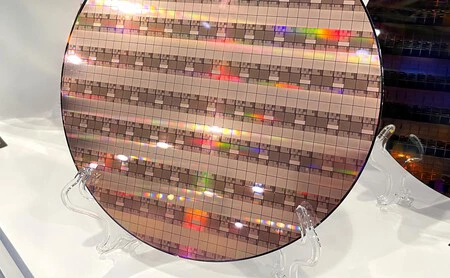
The production of high-end semiconductors is a highly complex, capital-intensive process requiring specialized fabrication plants, or "fabs." These facilities operate at near-maximum capacity, and expanding them or retooling existing lines for new product types is a multi-year endeavor, not a swift adjustment. The global capacity for manufacturing advanced wafers—the thin slices of semiconductor material from which chips are made—is inherently limited.
Given these constraints, manufacturers naturally prioritize customers willing to pay the highest prices and place the largest orders. Currently, that clientele is unequivocally the AI industry. Companies developing AI accelerators, GPUs for data centers, and other high-performance computing solutions are not only demanding vast quantities of memory but are also willing to absorb significantly higher costs per gigabyte due to the immense value proposition of their AI applications. This economic reality means that the wafers that would typically be allocated for producing LPDDR for smartphones or DDR for PCs are instead being directed towards the more profitable HBM and server DRAM segments.
This strategic redirection is a rational business decision for memory producers but has profound ripple effects. As the supply window for conventional components narrows, while demand from consumer brands remains substantial, the fundamental economic principle of supply and demand dictates a sharp rise in prices for basic components. This cost increase is then inevitably passed down the supply chain, culminating in more expensive end-user devices.
Impact on Consumer Electronics: From Consoles to Smartphones
The ramifications for the consumer electronics market are broad and concerning. For years, consumers have grown accustomed to a steady progression of more powerful and affordable devices, particularly in the mid-range smartphone segment. Phones offering excellent performance and features for under 300 euros were commonplace. However, this trend is now under threat. Recent product launches, particularly in early 2026 as indicated by industry observers, are already showcasing the hallmarks of this crisis: higher prices coupled with either stagnant or, in some cases, reduced base performance specifications, particularly concerning RAM and storage.

The gaming console market is also feeling the pinch. With rumors swirling about next-generation consoles like the PlayStation 6 and Nintendo Switch 2, the prospect of these devices facing higher component costs and potential supply constraints from the outset is a real concern. Manufacturers may be forced to launch consoles with less RAM than initially planned or at significantly higher price points to offset the increased cost of memory.
The personal computer market, too, is experiencing turbulence. Anecdotal evidence from consumers attempting to upgrade their PCs suggests that the cost of standalone RAM modules has become so prohibitive that, in some instances, purchasing an entirely new system appears more cost-effective than simply upgrading the memory. This unprecedented situation underscores the systemic nature of the current crisis.
Industry Responses and Future Outlook
In response to the escalating memory costs, some technology companies are exploring innovative solutions. Google, for instance, has demonstrated its Gemini Go AI model running efficiently on devices with as little as 2 GB of RAM, indicating a push towards software optimization and more efficient memory management to mitigate hardware constraints. Such developments are crucial for maintaining accessibility, especially in entry-level smartphone markets.
However, these software-level optimizations can only go so far in addressing a fundamental hardware shortage. Industry analysts generally agree that the current RAM crisis is unlikely to abate quickly. Unlike previous crises that often had clearer temporal boundaries—many lasting three to four years at most—the insatiable demand from generative AI is projected to continue driving the industry for the foreseeable future. With AI development showing no signs of slowing down, the demand for high-performance memory is expected to remain robust, keeping prices elevated and supply tight for consumer electronics. Some projections suggest the situation could persist for another three to five years, potentially longer if AI innovation continues at its current pace without commensurate increases in global manufacturing capacity.

Broader Economic and Geopolitical Ramifications
Beyond individual device prices, the RAM crisis has broader economic and geopolitical implications. For consumers, particularly those with limited budgets, the rising cost of technology will make upgrading or replacing devices increasingly challenging. This could widen the digital divide, making access to newer, more capable technology a luxury rather than a standard expectation.
Geopolitically, the crisis underscores the strategic importance of semiconductor manufacturing. Nations are increasingly investing in domestic chip production capabilities to secure their supply chains and reduce reliance on external suppliers. China, for example, is aggressively expanding its memory chip production, aiming to become a major global player by 2027. While such initiatives are long-term, they highlight the global competition for semiconductor independence and resilience in the face of recurrent supply disruptions. The US CHIPS Act and the EU Chips Act are further examples of governmental efforts to stimulate domestic manufacturing, though their impact on specific memory types like RAM for consumer electronics will take time to materialize.
In essence, the current RAM crisis represents a significant paradigm shift. It is not merely a transient supply chain hiccup but a fundamental reorientation of semiconductor manufacturing priorities driven by the transformative power and economic incentives of artificial intelligence. This shift is likely to usher in an era of more expensive consumer electronics, particularly in the mid-range and entry-level segments, potentially slowing down the pace of technological adoption and innovation for the average user. The industry, and consumers alike, must brace for a prolonged period of elevated memory costs and constrained supply as AI continues to reshape the technological landscape.
