
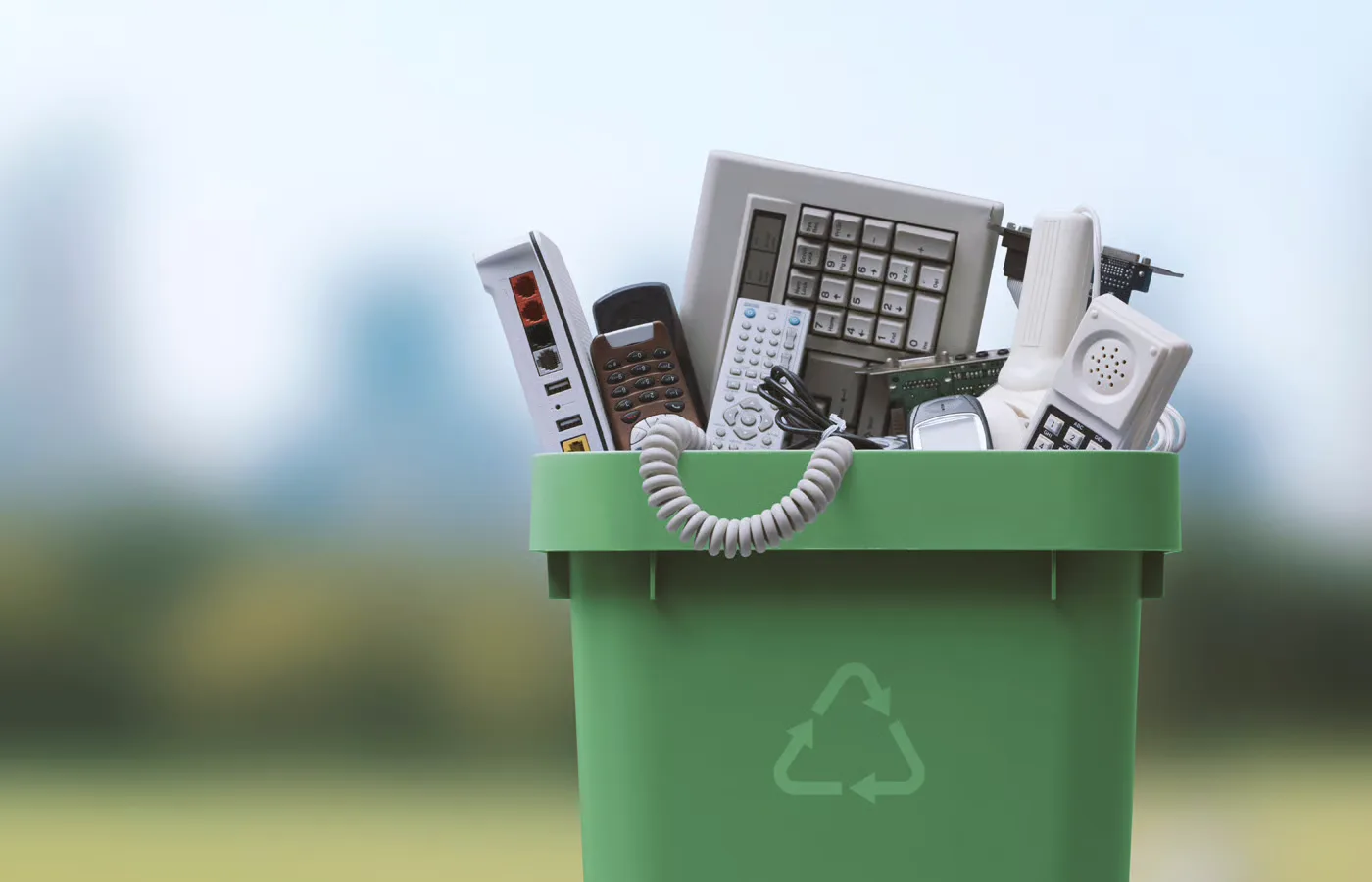

Electronic waste, commonly known as e-waste, refers to discarded electrical or electronic devices. This category of waste includes a wide range of products, anything from small gadgets like smartphones and MP3 players to larger appliances such as refrigerators, air conditioners, and televisions. When properly recycled, the valuable materials within e-waste can be safely recovered and reintroduced into the manufacturing cycle, providing an opportunity for sustainable resource utilization. However, if not handled correctly, the hazardous substances in e-waste can pose significant environmental and health risks. The burgeoning scale of this waste stream presents one of the most pressing environmental challenges of the 21st century, demanding a multi-faceted approach involving technological innovation, corporate responsibility, consumer awareness, and robust governmental policies.
Understanding the Evolving Landscape of E-Waste
E-waste is a unique and rapidly expanding category of waste, largely driven by the swift evolution of technology and the consequent obsolescence of electronic devices. This phenomenon has positioned e-waste as one of the primary concerns of Green IT initiatives, aiming to minimize the environmental impact of information technology. The core reason for this escalating global concern lies in the complex composition of discarded electronics. These devices are a veritable minefield of valuable resources, including precious metals like gold, silver, and platinum, alongside critical elements such as copper, aluminum, and rare earth metals. Simultaneously, they contain a cocktail of hazardous materials, including lead, mercury, cadmium, brominated flame retardants, and polychlorinated biphenyls (PCBs).
The surge in consumer electronics usage, fueled by increased demand for newer, more advanced technology, shorter product life cycles, and a prevailing "throwaway culture" that often undervalues repair and reuse, has led to an accelerated accumulation of e-waste. This has propelled it to become one of the fastest-growing waste streams worldwide. The implications of this trend are stark: in 2019 alone, it was estimated that a staggering 53.6 million metric tons (approximately 59 million U.S. tons) of e-waste were generated globally. Alarmingly, a mere 17.4% of this immense volume was officially recorded as being collected and recycled. This statistic underscores the vast scale of the challenge and the urgent need for more effective and sustainable management strategies on a global level. Without intervention, this mountain of discarded technology represents not only a missed opportunity for resource recovery but also a significant threat to environmental health and human well-being.
Categorizing the Diverse Spectrum of E-Waste
E-waste encompasses a broad range of discarded electronic and electrical devices, which can be broadly categorized into several types, reflecting their varied origins and applications:
- Large Household Appliances: This category includes items such as refrigerators, washing machines, dryers, air conditioners, and ovens. These appliances often contain significant amounts of metal and refrigerants, some of which can be greenhouse gases if released.
- Small Household Appliances: This group comprises smaller items like vacuum cleaners, toasters, microwaves, coffee makers, and electric kettles. While smaller in size, they still contribute to the overall volume of e-waste and contain various metals and plastics.
- IT and Telecommunications Equipment: This is a rapidly growing segment and includes personal computers, laptops, monitors, keyboards, mice, printers, mobile phones, smartphones, tablets, routers, and fax machines. These devices are characterized by their short lifespans and contain a mix of valuable metals and potentially hazardous substances.
- Consumer Electronics: This category encompasses audio and video equipment such as televisions, DVD players, stereo systems, digital cameras, and gaming consoles. The rapid pace of innovation in this sector leads to frequent upgrades and a high turnover rate of devices.
- Lighting Equipment: This includes fluorescent lamps, LED bulbs, and other lighting fixtures. While seemingly benign, some lighting technologies can contain mercury or other hazardous materials.
- Electrical and Electronic Tools: This category covers a wide array of tools, from drills and saws to soldering irons and electric screwdrivers. They often contain motors, batteries, and various metal components.
- Toys, Leisure, and Sports Equipment: Increasingly, electronic components are integrated into toys, sports equipment, and leisure devices, contributing to the e-waste stream.
- Medical Devices: While highly regulated, discarded medical devices, ranging from diagnostic equipment to monitoring systems, also fall under the e-waste umbrella and require specialized handling due to potential biohazards and sensitive materials.
- Monitoring and Control Instruments: This includes devices used for environmental monitoring, industrial control, and laboratory analysis, which often contain sophisticated electronic components.
The Pernicious Environmental and Health Impacts of E-Waste
The improper disposal and treatment of e-waste pose significant and far-reaching environmental and health risks. When e-waste is dumped in landfills or incinerated without proper controls, the toxic substances it contains can leach into the soil and groundwater, contaminating vital natural resources. This contamination can have devastating effects on ecosystems, harming plant and animal life.
Environmental Repercussions:
- Soil and Water Contamination: Heavy metals like lead, mercury, and cadmium, present in circuit boards, batteries, and screens, can leach into the soil and water systems. Lead, for instance, can disrupt plant growth and enter the food chain. Mercury, a potent neurotoxin, can accumulate in aquatic life, posing a threat to human health through consumption.
- Air Pollution: The incineration of e-waste, particularly in uncontrolled settings, releases toxic fumes into the atmosphere. These can include dioxins and furans, which are persistent organic pollutants known for their carcinogenic properties. The burning of plastics can also release harmful particulate matter.
- Resource Depletion: E-waste represents a significant loss of valuable and finite resources. Discarding devices without recovery means that the energy and raw materials used in their production are essentially wasted, necessitating further extraction and processing, which carries its own environmental burden.
- Greenhouse Gas Emissions: The manufacturing of new electronic devices is an energy-intensive process that contributes to greenhouse gas emissions. Failing to recycle e-waste means more virgin materials must be extracted and processed, exacerbating this problem. Furthermore, some components, like refrigerants in old appliances, can be potent greenhouse gases.
Human Health Consequences:
- Neurological Damage: Exposure to lead and mercury, common in older electronic devices, can cause severe neurological damage, particularly in children, affecting cognitive development, learning abilities, and motor skills.
- Respiratory Issues: Inhaling toxic fumes from burning e-waste can lead to respiratory problems, including bronchitis, asthma, and long-term lung damage.
- Cancer Risks: Certain chemicals found in e-waste, such as brominated flame retardants and dioxins, are known carcinogens and can increase the risk of various cancers with prolonged exposure.
- Reproductive Health Problems: Some of the toxins in e-waste have been linked to reproductive health issues, including infertility and birth defects.
- Skin and Eye Irritation: Direct contact with certain hazardous materials in e-waste can cause skin irritation, rashes, and eye damage.
- Occupational Hazards: Workers in informal e-waste recycling operations, often in developing countries, are particularly vulnerable to these health risks due to inadequate safety measures and direct exposure to hazardous substances.
Navigating the Complexities of E-Waste Management and Recycling
Effective management and recycling of e-waste are paramount to mitigating its severe environmental and health impacts. While established processes exist, their implementation is often hampered by persistent challenges, requiring continuous innovation and dedicated effort.
The Multi-Stage Process of E-Waste Recycling
While recycling processes can vary depending on the specific types of e-waste being processed, they generally follow a series of standardized stages designed to maximize material recovery and minimize environmental harm:
- Collection and Sorting: This initial phase involves gathering e-waste from various sources, including households, businesses, and public collection points. Upon arrival at a recycling facility, the waste is meticulously sorted based on its material composition and type of device. This step is crucial for directing different waste streams to appropriate processing lines and for identifying and safely handling hazardous components.
- Dismantling and Manual Separation: For many complex devices, manual dismantling is a critical step. Trained technicians carefully take apart products to separate components such as circuit boards, batteries, plastic casings, metal frames, and cables. Hazardous components like batteries, mercury switches, and cathode ray tubes (CRTs) are removed with extreme caution and sent for specialized treatment.
- Shredding and Mechanical Processing: After initial dismantling, larger components and materials are often fed into shredders and grinders. This process breaks down the e-waste into smaller, more manageable pieces, facilitating further separation of different materials. Magnetic separators are used to extract ferrous metals, while eddy current separators are employed to recover non-ferrous metals like aluminum and copper.
- Material Separation and Refinement: Advanced technologies are utilized to separate the shredded mixture into distinct material streams. This can involve density separation, optical sorting, and air classification to isolate plastics, glass, and various metals.
- Smelting and Refining: Precious metals like gold, silver, and platinum, often found on circuit boards, are typically recovered through smelting and refining processes. This involves high-temperature treatment to melt down the materials and then chemically or electrochemically purify them to extract the valuable metals in a usable form.
- Hazardous Material Treatment: Specific processes are employed to safely neutralize or manage hazardous substances. For example, mercury is often captured and solidified, while lead from CRTs is processed for safe disposal or recovery.
- Recycling and Reuse: The recovered materials, such as metals, plastics, and glass, are then sent to manufacturers for use in producing new products, closing the loop in the material lifecycle. Some components, if still functional, may be refurbished and resold.
Persistent Challenges in E-Waste Management
Despite the existence of these recycling processes, numerous significant challenges complicate the path toward effective e-waste management:
- Low Collection Rates: A substantial portion of e-waste is not collected through formal channels. It often ends up in general waste streams, is illegally exported, or is handled by informal recyclers who lack proper environmental and safety standards.
- Informal Sector Practices: In many parts of the world, informal sectors are involved in dismantling e-waste. While providing livelihoods, these operations often employ crude and hazardous methods, exposing workers and the environment to significant risks. Open burning and acid leaching are common, leading to severe pollution.
- Economic Viability: The cost of setting up and operating sophisticated e-waste recycling facilities can be high. The market value of recovered materials may not always cover these operational expenses, particularly for lower-value components or when dealing with mixed and contaminated waste streams.
- Technological Complexity and Cost: The ever-increasing complexity of electronic devices, with miniaturization and the integration of new materials, presents ongoing challenges for recycling technologies. Developing efficient and cost-effective methods for recovering all valuable and safely managing all hazardous components is a constant endeavor.
- Lack of Consumer Awareness and Participation: Many consumers are unaware of the proper ways to dispose of e-waste or the potential environmental consequences of doing so incorrectly. This lack of awareness can lead to devices being discarded in general trash bins.
- Global E-Waste Trade: Illegal trafficking of e-waste from developed to developing countries is a major concern. This practice circumvents environmental regulations and often leads to exploitative labor conditions and severe environmental damage in destination countries.
- Policy Enforcement and Gaps: While many regions have implemented e-waste legislation, enforcement can be weak or inconsistent. Gaps in legislation, particularly concerning producer responsibility and cross-border movements, can create loopholes that undermine effective management.
- Data and Traceability: Accurately tracking the flow of e-waste from generation to final disposal is challenging, making it difficult to identify problem areas and enforce regulations effectively.
Sectors Influencing the E-Waste Ecosystem
E-waste management is a complex interplay influenced by a diverse array of sectors, each contributing to the lifecycle and handling of electronic waste in distinct ways.
Corporate Responsibility in E-Waste Management
The corporate world holds a pivotal role in the life cycle of electronic products and, consequently, bears significant responsibility for addressing e-waste management. Recognizing this, various initiatives have been proposed and implemented:
- Extended Producer Responsibility (EPR) Schemes: Many companies are participating in or are mandated by legislation to implement EPR schemes. Under EPR, producers are responsible for the end-of-life management of their products, including collection, recycling, and safe disposal. This incentivizes manufacturers to design more durable, repairable, and recyclable products.
- Design for Environment (DfE): Leading companies are increasingly adopting DfE principles, focusing on reducing the use of hazardous materials, designing products for easier disassembly, and enhancing repairability and recyclability. This proactive approach aims to minimize waste generation at the source.
- Take-Back Programs: Manufacturers and retailers are establishing product take-back programs, allowing consumers to return old electronics for responsible recycling. These programs can be in-store, mail-in, or collection event-based.
- Investment in Recycling Technologies: Some corporations are investing in research and development for advanced recycling technologies to improve the efficiency and environmental performance of e-waste processing.
- Corporate Social Responsibility (CSR) Reporting: Many companies are incorporating e-waste management into their CSR strategies, reporting on their efforts and progress in this area to stakeholders. This transparency can drive further improvements.
- Partnerships with Recyclers: Companies are forming partnerships with certified and reputable e-waste recyclers to ensure that their products are processed according to stringent environmental and social standards.
The Crucial Role of Consumers in E-Waste Management
The effective management of e-waste is not solely the responsibility of governments and corporations; it also hinges significantly on the actions and choices of consumers:
- Responsible Disposal: Consumers play a vital role by choosing to dispose of their old electronics through designated e-waste recycling programs and collection points rather than discarding them in general trash.
- Extending Product Lifespans: Making conscious choices to use electronics for their full lifespan, opting for repairs over immediate replacement, and purchasing durable, high-quality products can significantly reduce the rate of e-waste generation.
- Supporting Sustainable Brands: Consumers can influence market trends by supporting companies that demonstrate a commitment to environmental sustainability, including responsible e-waste management and product design.
- Data Security: Before discarding electronic devices, consumers must ensure that personal data is securely erased. Many recycling programs offer data destruction services.
- Advocacy and Awareness: Consumers can raise awareness about e-waste issues within their communities and advocate for better recycling infrastructure and policies.
- Second-hand Market Participation: Engaging with the second-hand market for electronics, whether buying or selling, can extend the life of devices and reduce the demand for new production.
Policies and Legislation: The Bedrock of E-Waste Governance
The management of e-waste is increasingly governed by a range of policies and legislation at state, national, and international levels. These regulations are critical in shaping how e-waste is collected, processed, and recycled, ensuring environmental protection and public health safety.
International Frameworks and Agreements
International frameworks and agreements play a pivotal role in establishing standardized guidelines and practices across nations. These agreements are crucial for ensuring responsible handling, transfer, and disposal of e-waste, especially given its transboundary nature:
- The Basel Convention: This is the most significant international treaty on hazardous waste. It controls the transboundary movement of hazardous wastes and their disposal, including e-waste. The convention aims to prevent the dumping of hazardous wastes in developing countries. Amendments to the convention have specifically addressed the issue of e-waste.
- The Stockholm Convention: While primarily focused on Persistent Organic Pollutants (POPs), some POPs are found in e-waste. The convention aims to eliminate or restrict the production and use of these harmful substances, indirectly impacting e-waste composition and management.
- The Minamata Convention on Mercury: This convention aims to protect human health and the environment from the adverse effects of mercury. Given mercury’s presence in some electronic devices (e.g., older fluorescent lamps and switches), it influences the management of specific e-waste streams.
- United Nations Environment Programme (UNEP) Initiatives: UNEP actively promotes sustainable e-waste management through various programs, research, and capacity-building initiatives, working with governments and stakeholders to develop effective strategies.
Regional and National Legislation
The battle against e-waste requires robust regional and national legislative frameworks to translate international commitments into practical action. These laws and directives aim to establish clear responsibilities and operational standards:
- European Union (EU) Directives: The EU has been a leader in e-waste legislation. The Waste Electrical and Electronic Equipment (WEEE) Directive is a cornerstone, setting targets for collection, recycling, and recovery of e-waste. It mandates producer responsibility and aims to minimize the environmental impact of WEEE. The Restriction of Hazardous Substances (RoHS) Directive also complements WEEE by restricting the use of certain hazardous materials in electrical and electronic equipment.
- United States Legislation: In the U.S., e-waste management is largely handled at the state level. Many states have enacted their own e-waste laws, often including EPR provisions, manufacturer take-back requirements, or bans on e-waste in landfills. Federal agencies like the Environmental Protection Agency (EPA) provide guidance and promote responsible recycling practices.
- China’s Regulations: China, a major producer and consumer of electronics, has implemented the Measures for the Administration of the Recycling and Treatment of Waste Electrical and Electronic Products. This legislation establishes an EPR system and sets standards for recycling facilities.
- India’s E-Waste (Management and Handling) Rules: India has established rules that define producer responsibility, establish collection mechanisms, and set targets for e-waste collection and recycling. These rules aim to formalize the e-waste sector and reduce environmental pollution.
- Other National Legislations: Numerous other countries, including Canada, Japan, South Korea, and Australia, have developed their own comprehensive e-waste management laws, often incorporating EPR principles, collection targets, and regulations for hazardous substance content.
Future Innovations in E-Waste Handling
As the volume of electronic waste continues its relentless growth globally, the future of e-waste handling lies in embracing innovative solutions and forward-thinking strategies. Emerging trends and technological advancements are poised to revolutionize how we manage this persistent challenge:
Advanced Recycling Technologies
The pursuit of more efficient and environmentally sound recycling methods is driving significant innovation:
- AI-Driven Sorting Robots: Artificial intelligence and robotics are being integrated into sorting processes. Robots equipped with machine vision can identify and sort different components and materials with remarkable speed and accuracy, reducing reliance on manual labor and increasing efficiency.
- Advanced Spectrometry Techniques: Technologies like X-ray fluorescence (XRF) and laser-induced breakdown spectroscopy (LIBS) are enabling more precise identification and separation of rare and critical metals from complex e-waste streams, enhancing recovery rates.
- Chemical and Biological Processing: Innovations in chemical and biological processing, such as advanced hydrometallurgy and bioleaching, offer environmentally friendly alternatives to traditional pyrometallurgical methods for extracting precious metals. Bioleaching, for instance, uses microorganisms to solubilize metals, operating at lower temperatures and generating less pollution.
- Robotic Disassembly: The development of sophisticated robotic systems capable of disassembling complex electronic devices is on the horizon, promising safer and more efficient breakdown of products before material separation.
Design for Environment (DfE)
A fundamental shift is occurring towards designing electronic products with their entire lifecycle, including end-of-life, in mind:
- Modular Design: Concepts like modular smartphones and upgradeable computers, where individual components can be easily replaced or upgraded, are gaining traction. This approach significantly reduces the generation of e-waste by allowing users to extend the life of their devices through targeted repairs or upgrades rather than complete replacement.
- Reduced Hazardous Materials: Manufacturers are actively working to phase out the use of hazardous materials such as lead, mercury, and certain flame retardants, making products safer to handle during their use and at the end of their life.
- Ease of Disassembly and Repairability: Products are being designed for easier disassembly, making it simpler for recycling facilities to separate components and for repair technicians to fix them. Enhanced repairability directly combats the throwaway culture.
- Sustainable Material Sourcing: Increased emphasis is placed on using recycled content in new products and sourcing materials ethically and sustainably.
Circular Economy Models
The electronics industry is increasingly adopting circular economy principles, moving away from the linear "take-make-dispose" model:
- Product-as-a-Service (PaaS): Models where consumers pay for the service or functionality of a product rather than outright ownership are emerging. This incentivizes manufacturers to create durable, repairable, and recyclable electronics, as they retain ownership and responsibility for the product’s lifecycle. Examples include leasing models for laptops or printers.
- Refurbishment and Remarketing: A robust market for refurbished electronics is growing, providing consumers with affordable options and extending the useful life of devices. This process involves repairing, cleaning, and testing used electronics to ensure they meet quality standards.
- Closed-Loop Recycling Systems: Companies are striving to create closed-loop systems where materials recovered from e-waste are directly fed back into the manufacturing of new electronic products by the same or partner companies.
Bottom Line: A Cleaner Future Starts with the Right E-Waste Management
Effective e-waste management is not a responsibility that falls on a single entity; it is a collective endeavor that requires the concerted efforts of governments, industries, and consumers alike. The integration of innovative recycling technologies, the adoption of sustainable product designs, and the implementation of robust policies are fundamental steps toward mitigating the environmental and health impacts of e-waste. As we look ahead, it’s clear that the path to a cleaner future also hinges on our ability to adapt and evolve in our e-waste handling methods. Embracing new technologies, participating in responsible recycling practices, and staying informed about the environmental impact of our electronic consumption are vital actions for all stakeholders. Businesses, in addition to their role in product design and take-back programs, have a powerful opportunity to contribute by optimizing their own IT infrastructure. In addition to recycling, one way organizations can cut back on their carbon footprint and their overhead costs at the same time is by improving data center and server room power consumption efficiency. By fostering a shared commitment to sustainability and innovation, we can transform the challenge of e-waste into an opportunity for resource conservation and environmental protection.
