
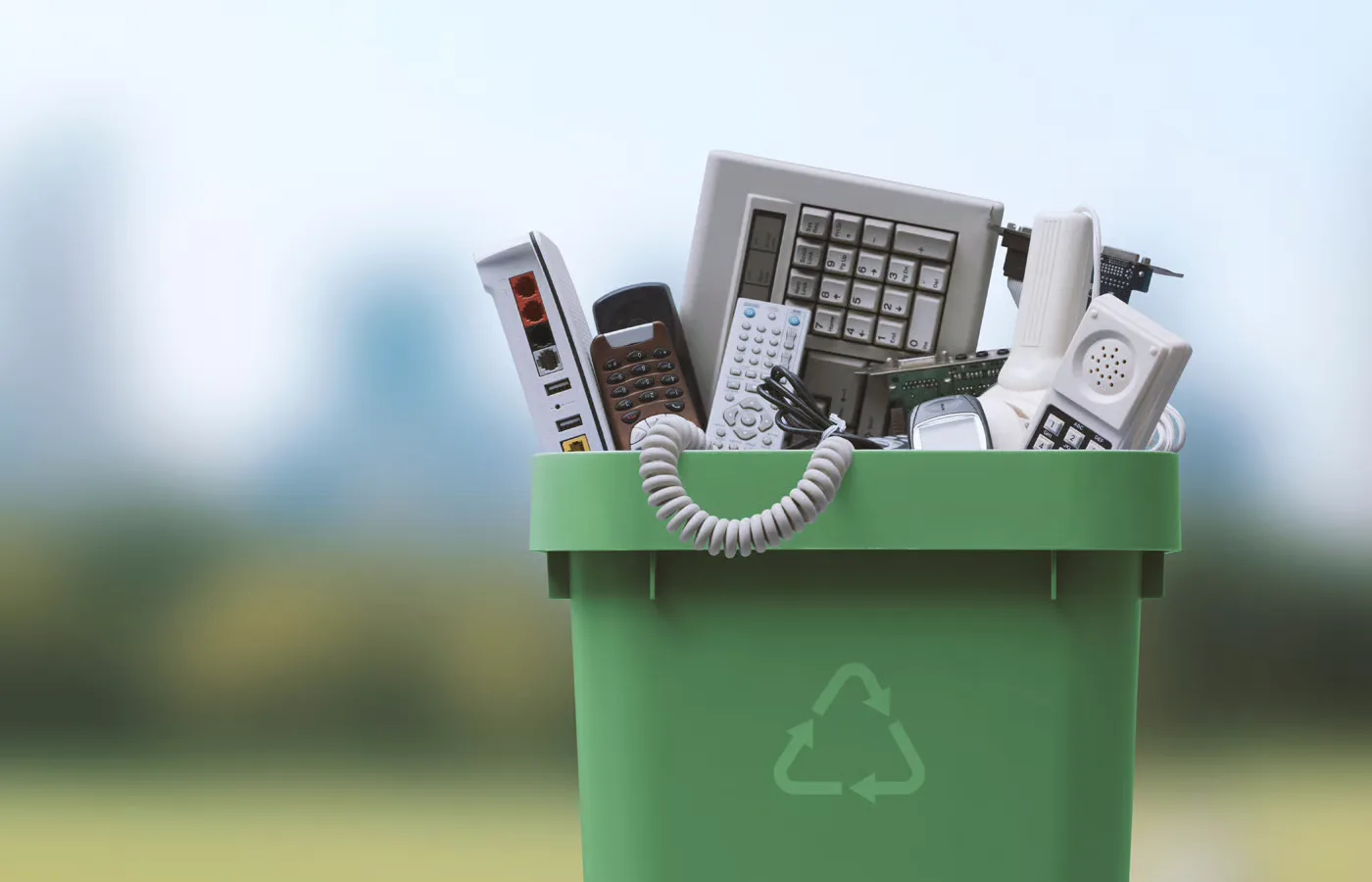

Electronic waste, or e-waste, is the discarded remains of electrical and electronic devices, ranging from the ubiquitous smartphone in your pocket to the refrigerator in your kitchen. This ever-expanding category of waste presents a critical environmental and public health challenge, demanding immediate and comprehensive solutions. While the recovery of valuable materials through proper recycling offers a pathway to sustainable resource utilization, the improper disposal of e-waste unleashes a torrent of hazardous substances into our ecosystems, posing significant risks. As technology accelerates at an unprecedented pace, the obsolescence of electronic gadgets is becoming increasingly rapid, propelling e-waste to the forefront of global Green IT initiatives and underscoring the urgent need for responsible management.
Understanding the Escalating E-Waste Crisis
The unique and rapidly growing nature of e-waste stems directly from the relentless pace of technological advancement. Devices that were cutting-edge just a few years ago are now considered obsolete, leading to a constant churn of electronic goods. This rapid turnover, coupled with an insatiable consumer appetite for the latest innovations, has transformed e-waste into one of the world’s fastest-growing waste streams.
At its core, the concern surrounding e-waste lies in its complex composition. These discarded devices are not merely inert refuse; they are intricate composites of valuable resources, including copper, gold, silver, palladium, and other critical metals, alongside highly toxic elements such as lead, mercury, cadmium, and brominated flame retardants. This duality makes e-waste a potent environmental hazard and a lost opportunity for resource recovery.
The exponential rise in consumer electronics usage, driven by decreasing costs, increasing accessibility, and a pervasive "throwaway culture," has further exacerbated the problem. Shorter product life cycles, a reduced emphasis on repairability, and the allure of constant upgrades contribute to an accelerated accumulation of discarded electronics. This trend is not confined to developed nations; developing economies are increasingly grappling with the influx of both domestically generated and imported e-waste, often processed under unsafe conditions.
A stark illustration of this crisis emerged in 2019, when an estimated 53.6 million metric tons of e-waste were generated globally. Alarmingly, official records indicate that only a meager 17.4% of this colossal volume was collected and recycled through formal channels. This statistic highlights a vast, unmanaged stream of e-waste, much of which likely ends up in informal recycling operations or landfills, with devastating consequences. The remaining unrecorded e-waste represents a significant loss of valuable resources and a substantial environmental burden.
Categorizing the Diverse Landscape of E-Waste
The sheer variety of electronic devices means that e-waste encompasses a broad spectrum of discarded items, which can be broadly categorized into several key types:
- Large Household Appliances: This category includes items such as refrigerators, washing machines, dishwashers, ovens, and air conditioners. While often more durable, their size and the presence of refrigerants and heavy metals necessitate specialized disposal.
- Small Household Appliances: This group comprises smaller kitchen appliances, vacuum cleaners, toasters, irons, and other common household electronic goods. Their disposal is often less regulated, leading to more widespread improper handling.
- IT and Telecommunications Equipment: This is perhaps the most rapidly growing segment of e-waste and includes desktop computers, laptops, monitors, keyboards, mice, printers, smartphones, tablets, routers, and mobile phones. The rapid obsolescence of these devices makes them a primary driver of e-waste generation.
- Consumer Electronics: This category covers entertainment devices like televisions, DVD players, stereos, digital cameras, and video game consoles. The constant demand for newer models fuels the disposal of these items.
- Electrical and Electronic Tools: This includes a wide array of power tools, soldering irons, and other equipment used in various professional and DIY applications.
- Toys, Leisure, and Sports Equipment: Modern toys and sports equipment increasingly incorporate electronic components, contributing to the e-waste stream.
- Medical Devices: While often requiring specialized handling due to potential biohazards, discarded medical equipment, from diagnostic machines to monitoring devices, also falls under the e-waste umbrella.
- Monitoring and Control Instruments: This broad category includes thermostats, smoke detectors, and other sensing and control devices used in various industrial and domestic applications.
The environmental and health ramifications of improperly managed e-waste are profound and far-reaching. When electronic devices are not disposed of responsibly, the hazardous materials they contain can leach into the soil and groundwater, contaminating vital water sources and agricultural land. Heavy metals like lead, found in cathode ray tubes and solder, can impair neurological development, particularly in children, and contribute to kidney and reproductive problems. Mercury, present in older flat-screen displays and some batteries, is a potent neurotoxin that can accumulate in the food chain, posing risks to human health through consumption of contaminated fish. Cadmium, used in semiconductors and batteries, is a known carcinogen and can cause severe kidney damage.
Furthermore, the burning of e-waste in informal recycling operations, often conducted in developing countries with lax environmental regulations, releases toxic fumes into the atmosphere. These emissions can contain dioxins and furans, highly persistent organic pollutants that can cause serious respiratory problems, developmental issues, and cancer. The informal processing of e-waste also poses significant occupational hazards to the workers involved, who often lack protective gear and are exposed to hazardous materials on a daily basis.
The Imperative of Effective E-Waste Management and Recycling
Addressing the escalating e-waste crisis necessitates robust and effective management and recycling strategies. While established processes exist, their implementation faces persistent challenges that hinder widespread adoption and efficacy.
The Mechanics of E-Waste Recycling
Despite variations in processing specific types of e-waste, the general recycling pathway typically involves several key stages:
- Collection and Sorting: E-waste is collected from various sources, including households, businesses, and designated drop-off points. It is then meticulously sorted based on material type and hazard level. This stage is crucial for separating valuable components from hazardous ones.
- Dismantling: Devices are manually or mechanically disassembled to separate individual components, such as circuit boards, plastic casings, metal parts, and batteries. This allows for more targeted processing and material recovery.
- Shredding and Mechanical Separation: Larger components are often shredded into smaller pieces. Magnets are used to separate ferrous metals, while eddy current separators can extract non-ferrous metals like aluminum and copper.
- Thermal Treatment (Smelting and Refining): Valuable metals like gold, silver, and copper are often recovered through smelting or other high-temperature processes. This is a critical step for reclaiming precious materials but requires strict emission controls to prevent the release of pollutants.
- Chemical Treatment (Leaching): For certain materials, chemical processes like leaching are employed to extract specific metals. Advanced methods are being developed to minimize the use of harsh chemicals and improve efficiency.
- Plastic Processing: Plastics are often granulated and can be reused in the manufacturing of new products, though the presence of flame retardants can complicate this process.
- Hazardous Material Management: Toxic components, such as leaded glass from old monitors or batteries containing heavy metals, are carefully managed and disposed of in accordance with strict environmental regulations to prevent contamination.
Navigating the Complexities of E-Waste Management
The path toward effective e-waste management is fraught with numerous challenges:
- Lack of Infrastructure and Funding: Many regions, particularly developing countries, lack the necessary infrastructure, technology, and financial resources to implement comprehensive e-waste recycling programs. This often leads to reliance on informal, unregulated recycling practices.
- Low Collection Rates: Despite the growing volume of e-waste, collection rates remain disappointingly low. This is often due to a lack of public awareness, inconvenient collection points, and the absence of strong incentives for individuals and businesses to participate.
- Informal Sector Exploitation: A significant portion of e-waste is handled by the informal sector, where workers often operate under hazardous conditions, lacking proper safety equipment and environmental controls. This not only poses health risks but also results in inefficient material recovery and the uncontrolled release of pollutants.
- Technological Complexity and Cost: The sophisticated nature of modern electronics makes their dismantling and material recovery a complex and often costly process. Developing cost-effective and environmentally sound recycling technologies remains an ongoing challenge.
- Global Trade and Illegal Dumping: E-waste is a transboundary issue, with significant quantities being exported from developed to developing countries, often under the guise of "used electronics." This practice contributes to the burden of e-waste in regions least equipped to handle it.
- Consumer Behavior and Awareness: A lack of consumer awareness regarding the importance of responsible e-waste disposal and the environmental impacts of improper disposal is a significant barrier. The convenience of discarding old devices often outweighs the perceived benefits of proper recycling.
Sectors Intertwined with E-Waste Management
E-waste management is not an isolated issue; it is influenced by a diverse array of sectors, each playing a critical role in the lifecycle and handling of electronic waste.
Corporate Responsibility: A Driving Force for Change
The corporate world holds a pivotal position in the e-waste landscape, given its direct involvement in the design, manufacturing, and marketing of electronic products. Recognizing this, a variety of initiatives have emerged to foster corporate responsibility:
- Extended Producer Responsibility (EPR) Schemes: These policies place the responsibility for managing products at the end of their lifecycle on the producers. Manufacturers are often required to fund or operate collection and recycling programs for their products.
- Design for Environment (DfE): Companies are increasingly incorporating environmental considerations into their product design processes. This includes using fewer hazardous materials, designing for easier disassembly, and enhancing the repairability and recyclability of products.
- Take-Back Programs: Many manufacturers offer voluntary take-back programs, allowing consumers to return old products for proper recycling. This initiative helps to divert e-waste from landfills and ensures responsible disposal.
- Sustainable Sourcing of Materials: Corporations are also exploring ways to source materials more sustainably, including the use of recycled content in new products, thereby reducing the demand for virgin resources.
- Transparency and Reporting: An increasing number of companies are committed to transparency in their e-waste management practices, reporting on their collection rates, recycling efforts, and environmental impact.
The Crucial Role of Consumers in E-Waste Management
The effective management of e-waste is not solely the domain of governments and corporations; the actions and choices of consumers are equally vital. Consumers wield significant power through their purchasing decisions and their disposal habits:
- Responsible Disposal: Consumers can actively participate in e-waste recycling by utilizing designated collection points, participating in manufacturer take-back programs, or donating functional electronics to charities.
- Repair and Reuse: Prioritizing the repair of electronic devices over immediate replacement, and considering the purchase of refurbished electronics, can significantly extend product lifespans and reduce waste generation.
- Informed Purchasing Decisions: Consumers can influence manufacturers by choosing products that are designed for durability, repairability, and recyclability. Researching brands with strong sustainability commitments can drive market demand for greener electronics.
- Raising Awareness: Educating themselves and others about the environmental and health impacts of e-waste can foster a broader societal shift towards responsible consumption and disposal practices.
- Demanding Producer Responsibility: Consumers can advocate for stronger EPR policies and hold manufacturers accountable for the end-of-life management of their products.
Policies and Legislation: The Framework for E-Waste Management
The management of e-waste is increasingly governed by a complex web of policies and legislation at state, national, and international levels. These regulations are critical in shaping how e-waste is collected, processed, and recycled, with the overarching goals of environmental protection and safeguarding public health.
International Frameworks and Agreements
International frameworks and agreements play a pivotal role in establishing standardized guidelines and practices across nations. These agreements are crucial for ensuring the responsible handling, transfer, and disposal of e-waste, especially given its inherently transboundary nature:
- The Basel Convention on the Control of Transboundary Movements of Hazardous Wastes and Their Disposal: This landmark convention, adopted in 1989, aims to prevent the dumping of hazardous wastes from developed to developing countries. It requires prior informed consent for the transboundary movement of hazardous wastes, including certain types of e-waste.
- The WEEE Directive (Waste Electrical and Electronic Equipment): While primarily a European Union directive, the WEEE Directive has influenced e-waste legislation globally. It establishes producer responsibility for the collection, treatment, and recycling of e-waste and sets targets for collection and recycling rates.
- The Stockholm Convention on Persistent Organic Pollutants (POPs): This convention aims to eliminate or restrict the production and use of POPs, many of which are found in e-waste. By reducing the use of these hazardous substances in electronics, the convention indirectly contributes to safer e-waste management.
- The Minamata Convention on Mercury: This global treaty seeks to protect human health and the environment from the adverse effects of mercury. It includes provisions related to mercury-containing e-waste, encouraging its proper management and reduction.
Regional and National Legislation
Beyond international agreements, robust regional and national legislative frameworks are essential for tackling the complex challenge of e-waste management. Examples include:
- European Union (EU) WEEE Directive: As mentioned, this directive mandates that member states establish systems for the collection and recycling of e-waste, with specific targets for member states. It also promotes design for environment principles.
- United States: The U.S. lacks a comprehensive federal e-waste law, but several states have enacted their own legislation, including EPR laws, bans on landfilling e-waste, and requirements for manufacturer take-back programs. Examples include California’s Electronic Waste Recycling Act and laws in states like New York and Washington.
- China’s Regulations on the Management of Electrical and Electronic Product Pollution: China has implemented stringent regulations aimed at controlling pollution from electrical and electronic products, including establishing recycling facilities and holding producers accountable.
- India’s E-Waste (Management) Rules: India has progressively updated its e-waste rules, mandating producer responsibility, establishing collection mechanisms, and setting recycling targets.
- Canada’s Electronic Products Stewardship Programs: Provinces in Canada have implemented various stewardship programs where producers are responsible for managing the end-of-life of their products, including e-waste.
Future Innovations: Charting a Course for Smarter E-Waste Handling
As the global e-waste volume continues its relentless ascent, the future of e-waste handling hinges on innovative solutions and forward-thinking strategies. Several emerging trends and technological advancements are poised to revolutionize how we manage this growing challenge:
Advanced Recycling Technologies
The quest for more efficient and environmentally sound recycling processes is driving innovation:
- AI-Driven Sorting Robots: Artificial intelligence and robotics are being deployed to automate the sorting of e-waste, enabling faster and more accurate separation of valuable materials and hazardous components, thereby reducing reliance on manual labor and increasing recycling efficiency.
- Advanced Spectrometry: Techniques like X-ray fluorescence (XRF) and laser-induced breakdown spectroscopy (LIBS) allow for rapid and precise identification and quantification of elements within e-waste, facilitating more targeted material recovery.
- Bioleaching and Bioremediation: These innovative biological processes utilize microorganisms to extract valuable metals from e-waste in an environmentally friendly manner, offering a sustainable alternative to traditional chemical methods.
- Plasma Gasification: This high-temperature process can break down e-waste into its constituent elements, producing syngas that can be used for energy generation and recovering valuable metals, while minimizing residual waste.
Design for Environment (DfE)
A paradigm shift is underway, with a growing emphasis on designing electronic products with their entire lifecycle in mind:
- Modular Design: Concepts like modular smartphones and upgradeable computers, where individual components can be easily replaced or upgraded, are gaining traction. This significantly extends product life and reduces the need to discard entire devices.
- Material Selection: Manufacturers are increasingly opting for fewer hazardous materials in their products and prioritizing the use of recycled and recyclable materials.
- Ease of Disassembly: Products are being designed for simpler disassembly, making it easier for recycling facilities to separate components and recover valuable materials efficiently.
- Repairability as a Feature: The notion of repairability is being integrated into product design, encouraging consumers to fix rather than replace faulty devices, thereby combating the throwaway culture.
Circular Economy Models
The electronics industry is increasingly embracing circular economy principles, moving away from a linear "take-make-dispose" model towards a more sustainable approach:
- Product-as-a-Service (PaaS): In this model, consumers pay for the use of a product rather than owning it outright. This incentivizes manufacturers to create durable, repairable, and easily recyclable electronics, as they retain ownership and are responsible for their maintenance and end-of-life management.
- Refurbishment and Remarketing: Functional e-waste is being increasingly refurbished and resold, extending its useful life and reducing the demand for new products.
- Closed-Loop Recycling Systems: Developing systems where materials recovered from e-waste are directly fed back into the manufacturing of new electronic products creates a truly circular flow of resources.
Bottom Line: A Cleaner Future Starts with the Right E-Waste Management
The pervasive issue of electronic waste is not a responsibility that rests on the shoulders of any single entity; it is a collective endeavor demanding the concerted efforts of governments, industries, and consumers worldwide. The integration of advanced recycling technologies, the proactive adoption of sustainable product designs, and the steadfast implementation of robust policies are fundamental pillars in mitigating the profound environmental and health impacts of e-waste.
As we peer into the future, it becomes undeniably clear that the trajectory towards a cleaner planet is intrinsically linked to our ability to adapt and evolve our e-waste handling methodologies. Embracing cutting-edge technologies, actively participating in responsible recycling practices, and maintaining a keen awareness of the environmental footprint of our electronic consumption are vital actions for all stakeholders. Businesses, in particular, possess a formidable capacity to drive change through their manufacturing choices and their commitment to effective recycling habits.
Beyond the critical imperative of recycling, organizations can simultaneously curtail their carbon footprint and reduce operational expenses by enhancing the energy efficiency of their data centers and server rooms. Investing in smarter power management solutions and optimizing hardware utilization can lead to significant environmental benefits and substantial cost savings, underscoring the interconnectedness of technological advancement and environmental stewardship.
