

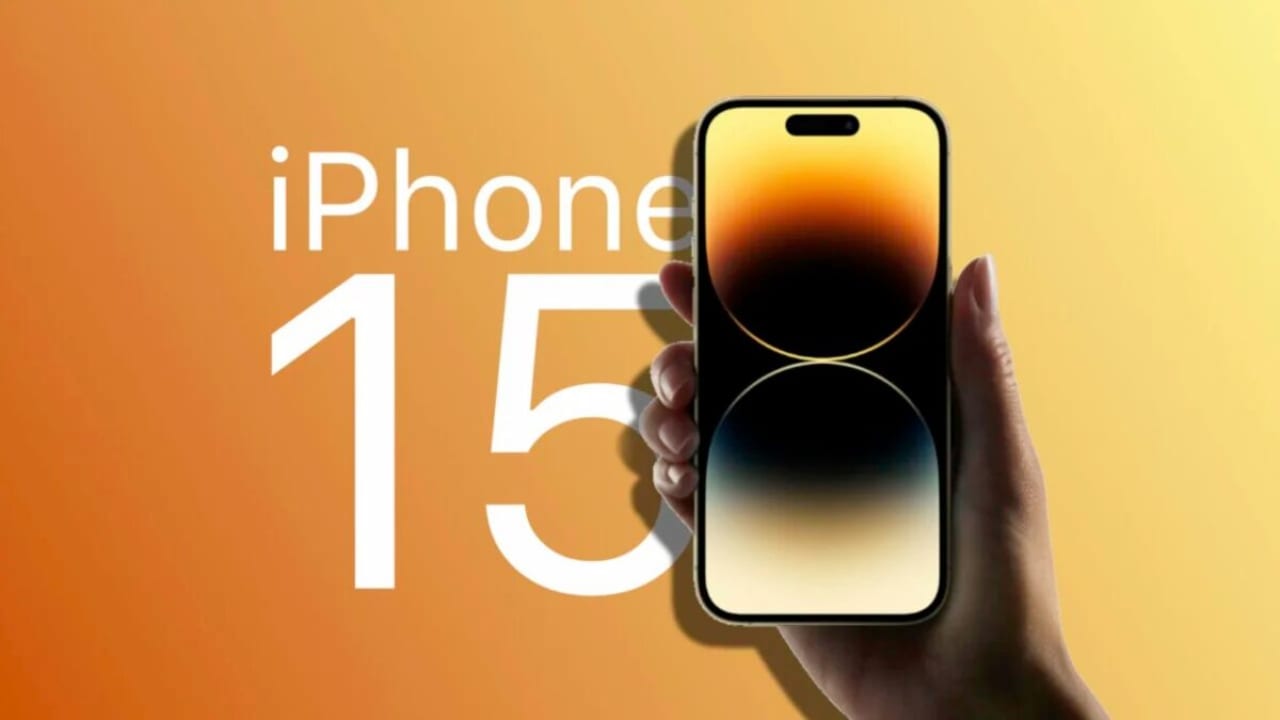
The technology industry is currently observing a significant shift in mobile connectivity as rumors intensify regarding Apple’s plan to transition the upcoming iPhone 15 lineup toward an eSIM-only architecture. This move, which follows the precedent set by the United States version of the iPhone 14, suggests a broader strategy to eliminate physical SIM card slots globally, starting with premium models. While the transition offers several engineering and security advantages, it remains a point of contention for international travelers and users in regions where carrier infrastructure has yet to fully modernize. This report provides an in-depth analysis of the technical specifications, market implications, and historical context of Apple’s move toward an embedded SIM future.
Understanding the Technical Architecture of eSIM Technology
An eSIM, or embedded Subscriber Identity Module, represents an evolution of the traditional SIM card. Rather than a removable plastic card, an eSIM consists of a small chip—specifically an Embedded Universal Integrated Circuit Card (eUICC)—soldered directly onto the device’s motherboard during the manufacturing process. This chip is rewritable and compliant with GSMA standards, allowing it to store multiple carrier profiles and switch between them via software interfaces.
Unlike the physical nano-SIM, which requires a dedicated mechanical tray and internal reader, the eSIM functions through over-the-air (OTA) provisioning. This allows users to download a digital "plan" from a carrier by scanning a QR code or using a dedicated carrier app. The hardware footprint of an eSIM is significantly smaller than a nano-SIM slot, measuring approximately 6mm by 5mm, which provides manufacturers with greater flexibility in internal component layout.
The Chronology of Apple’s SIM Evolution
The journey toward a SIM-less iPhone has been a decade-long endeavor for Apple. To understand the significance of the iPhone 15 rumors, one must look at the timeline of SIM miniaturization and adoption:
- 2007-2010: The original iPhone utilized a standard mini-SIM. Apple then pushed the industry toward the micro-SIM with the iPhone 4.
- 2012: With the iPhone 5, Apple introduced the nano-SIM, which became the global standard for the next decade.
- 2018: The iPhone XS, XS Max, and XR were the first to feature Dual SIM capabilities through the combination of a physical nano-SIM and an eSIM.
- 2021: The iPhone 13 series introduced the ability to use two eSIMs simultaneously, even while keeping the physical slot.
- 2022: Apple took the definitive step of removing the SIM tray entirely for all iPhone 14 models sold in the United States market.
- 2023 (Expected): Analysts, including Ming-Chi Kuo of TF International Securities, suggest that the iPhone 15 Pro and Pro Max will likely see the removal of the SIM tray in several international markets, including parts of Europe and Asia.
Engineering and Design Implications: The Quest for Internal Space
The removal of the physical SIM tray is not merely a stylistic choice; it is a calculated engineering decision. In the highly competitive smartphone market, every square millimeter of internal space is precious. By eliminating the SIM tray, Apple gains several advantages:
Enhanced Structural Integrity and Space Management
The SIM tray assembly is a mechanical component that requires a cutout in the device’s metal frame. Removing this allows for a more rigid chassis. Furthermore, the space previously occupied by the SIM reader and the tray mechanism can be repurposed. Engineering experts suggest this space could be utilized for larger batteries, improved haptic engines (Taptic Engine), or additional sensors required for advanced photography and Augmented Reality (AR).
Superior Environmental Sealing
One of the primary points of ingress for water and dust is the SIM tray. Despite advanced rubber gaskets used in current models, a physical opening always presents a risk of seal failure over time. An eSIM-only design contributes to a "port-less" future, potentially allowing the iPhone 15 to achieve higher IP (Ingress Protection) ratings than its predecessors, ensuring better durability in extreme conditions.
Security and Authentication Benefits
From a cybersecurity perspective, the transition to eSIM offers a more robust framework for protecting user identity. Physical SIM cards are susceptible to theft; if a device is stolen, a thief can easily remove the SIM card and place it in another device to access the victim’s phone number, SMS-based two-factor authentication (2FA) codes, and contacts.
With an eSIM, the profile is digitally locked to the device’s Secure Element. It cannot be "removed" by an unauthorized party. In the event of theft, the owner can remotely disable the eSIM or transfer the service to a new device through their carrier’s secure portal. This significantly reduces the efficacy of "SIM swapping" attacks, a common method used by hackers to hijack bank accounts and social media profiles.
Market Analysis and Global Carrier Readiness
While the technical benefits are clear, the global implementation of an eSIM-only iPhone 15 faces logistical hurdles. Market data from the GSMA indicates that while over 400 carriers in at least 100 countries support eSIM, the quality of support varies.
The Regional Divide
In the United States, major carriers like AT&T, Verizon, and T-Mobile have fully integrated eSIM activation into their digital workflows. However, in many parts of South America, Africa, and Southeast Asia, physical SIM cards remain the dominant form of service distribution. Prepaid markets, in particular, rely on the "over-the-counter" sale of SIM cards. For Apple to move the iPhone 15 to eSIM-only in these regions, it would require a massive infrastructure update from local telecommunications providers.
Impact on the International Travel Sector
Frequent travelers have expressed concern regarding the eSIM-only transition. Historically, travelers would purchase a local "tourist SIM" upon landing in a new country to avoid exorbitant roaming charges. While digital eSIM providers like Airalo and Holafly have emerged to fill this gap, they often charge higher rates than local physical SIM cards. Furthermore, some regional carriers only offer eSIM services to long-term contract subscribers, excluding short-term visitors.
Economic Implications for the Second-Hand Market
The resale value of iPhones is a significant factor in Apple’s ecosystem retention. A shift to eSIM-only could temporarily disrupt the global second-hand market. Currently, an iPhone bought in the UK can easily be sold and used in India by simply swapping the SIM card. An eSIM-only device requires the buyer to ensure their local carrier supports the technology.
Industry analysts predict that as Apple pushes this standard, the secondary market will eventually stabilize as carriers are forced to adapt. According to a report by Juniper Research, the number of eSIMs installed in connected devices is expected to grow from 1.2 billion in 2021 to 3.4 billion by 2025, largely driven by Apple’s aggressive hardware roadmap.
Potential Reactions from Regulatory Bodies
Apple’s move toward a proprietary-feeling digital activation system has caught the attention of regulators. In the European Union, there is a strong focus on "Right to Repair" and interoperability. While eSIM is a global standard (not a proprietary Apple technology), regulators are monitoring whether the transition makes it more difficult for consumers to switch carriers.
Under the European Electronic Communications Code (EECC), consumers must be able to switch providers easily. Apple has mitigated some of these concerns by allowing "eSIM Quick Transfer," a feature that uses Bluetooth to move a cellular plan from an old iPhone to a new one without needing to contact the carrier.
The Path Forward: What to Expect for the iPhone 15 Launch
As the expected September launch window approaches, the industry is bracing for a tiered rollout. It is widely anticipated that Apple will adopt a "Pro-first" strategy. In this scenario, the iPhone 15 Pro and Pro Max would feature the eSIM-only design in major markets like the UK, France, and Germany, while the standard iPhone 15 and 15 Plus might retain the physical slot for one more year to accommodate slower-moving markets.
This phased approach allows Apple to test carrier readiness and consumer sentiment in diverse economic environments before committing to a 100% digital SIM future by 2024 or 2025.
Conclusion: The Inevitability of a Digital Future
The rumored removal of the SIM card slot in the iPhone 15 represents the next logical step in the evolution of the smartphone. Much like the removal of the 3.5mm headphone jack and the transition to non-removable batteries, the shift to eSIM is a "disruptive necessity" that prioritizes hardware efficiency and digital security over legacy compatibility.
While the transition may cause initial friction for international travelers and users on smaller regional carriers, the long-term benefits of streamlined design, improved waterproofing, and enhanced security are undeniable. As Apple continues to lead the industry toward a port-less, wireless future, the physical SIM card—a relic of 1990s telecommunications—is finally reaching its sunset. The iPhone 15 will likely be remembered as the catalyst that forced the global telecommunications industry to finally embrace a truly digital identity.
