

Defining the eSIM: The Evolution of Cellular Identity
To understand the magnitude of this shift, one must first define the technology at its core. An eSIM, or embedded Subscriber Identity Module, is a small, programmable chip integrated directly onto a device’s motherboard during the manufacturing process. Unlike the traditional physical SIM card, which acts as a removable token of identity, the eSIM is a permanent fixture of the hardware. It utilizes the eUICC (Embedded Universal Integrated Circuit Card) standard, allowing users to download and store multiple carrier profiles digitally.
The primary functional difference lies in the method of provisioning. With a physical SIM, a user must physically acquire a piece of plastic and insert it into a tray. With an eSIM, the "handshake" between the device and the carrier occurs over-the-air (OTA). This allows for instantaneous activation and the ability to switch between network providers through software settings rather than physical manipulation.
A Chronology of the SIM Card’s Shrinking Footprint
The move toward eSIM is the logical conclusion of a decades-long trend of miniaturization. When the first SIM cards were introduced, they were the size of a standard credit card. Over the years, Apple has consistently led the charge in reducing the footprint of these components:
- 1991: The standard full-size SIM card is introduced.
- 2010: Apple introduces the iPhone 4, the first major smartphone to utilize the Micro-SIM, discarding the larger Mini-SIM.
- 2012: The iPhone 5 debuts the Nano-SIM, which remained the industry standard for over a decade.
- 2018: Apple introduces the iPhone XS and XR, the first iPhones to feature Dual SIM capabilities via one physical slot and one eSIM.
- 2022: The iPhone 14 launches in the United States without a physical SIM tray, relying entirely on eSIM.
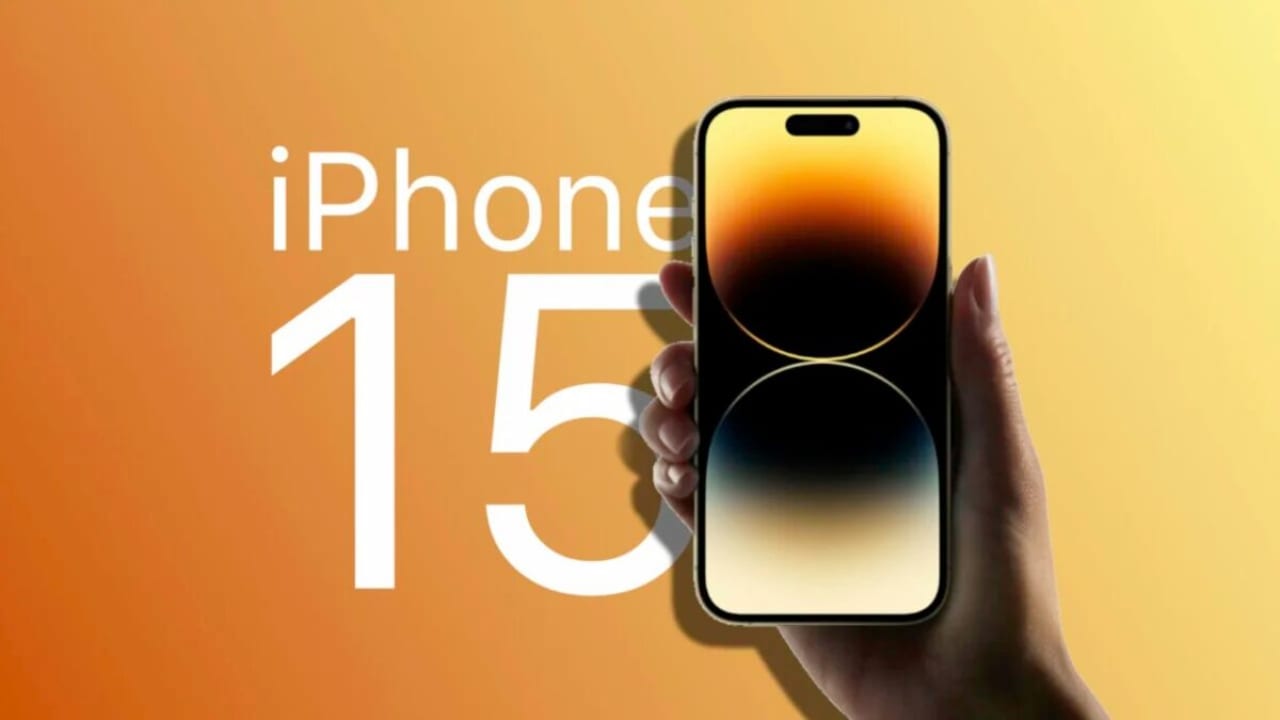
- 2023: Rumors from supply chain analysts, including Ming-Chi Kuo, suggest that the iPhone 15 Pro and Pro Max will expand the eSIM-only design to international markets, signaling the beginning of the end for the physical SIM tray globally.
The Engineering Logic: Why Apple is Removing the Slot
The decision to remove the SIM card slot is driven by sophisticated engineering and industrial design considerations. In the highly competitive world of smartphone manufacturing, internal space is the most valuable commodity.
Internal Volume Optimization
By removing the SIM card tray and its associated internal reading mechanism, Apple frees up a significant amount of physical space inside the device. While the tray itself is small, the internal assembly required to read the chip and the spring-loaded ejection mechanism occupy a volume that could be repurposed. Industry analysts suggest this reclaimed space could be utilized for a larger battery, improved haptic engines (the Taptic Engine), or more advanced camera sensor stabilization systems.
Structural Integrity and Water Resistance
Every opening in a smartphone’s chassis represents a potential point of ingress for liquid and dust. The SIM tray is one of the largest "holes" in the iPhone’s frame. By sealing this entry point, Apple can further enhance the device’s IP68 water resistance rating. This move aligns with Apple’s long-term vision of a "portless" iPhone, which began with the removal of the 3.5mm headphone jack in 2016.
Simplified Manufacturing
From a logistical perspective, producing a single chassis design without a SIM cutout simplifies the manufacturing process. It reduces the number of parts required and minimizes the complexity of the assembly line, potentially leading to higher yields and lower production costs over time.
Enhanced Security and Fraud Prevention
One of the most compelling arguments for the eSIM transition involves user security. Physical SIM cards are susceptible to a variety of exploits that are significantly mitigated by an embedded design.
Protection Against Physical Theft
If a smartphone with a physical SIM is stolen, a thief can easily remove the SIM card and place it in another device. This allows them to intercept two-factor authentication (2FA) codes sent via SMS, providing access to the victim’s bank accounts, email, and social media. With an eSIM, the cellular profile is locked to the hardware. A thief cannot "remove" the cellular connection, making the device easier to track via "Find My" services and preventing the unauthorized use of the victim’s phone number.
Mitigation of SIM Swapping Attacks
SIM swapping is a form of identity theft where a hacker convinces a carrier to port a victim’s number to a SIM card in the hacker’s possession. While eSIM does not eliminate the possibility of social engineering at the carrier level, the digital transfer process often involves more rigorous device-based authentication. Apple’s "eSIM Quick Transfer" feature, for instance, requires the previous device to be present and unlocked, adding a layer of hardware-based security that physical SIMs lack.
The Consumer Experience: Flexibility vs. Friction
The transition to eSIM-only represents a paradigm shift in how consumers interact with their mobile service providers. This change brings both newfound freedoms and new types of friction.
The Benefits of Digital Provisioning
For the average user, the ability to activate a phone plan without waiting for a physical card in the mail or visiting a retail store is a major convenience. eSIM allows for "instant gratification" in cellular service. Furthermore, the iPhone’s ability to store up to eight or more eSIMs (with two active at any given time) provides unparalleled flexibility for users who manage multiple numbers for work and personal life.
The International Traveler’s Dilemma
The most vocal opposition to an eSIM-only iPhone 15 comes from frequent international travelers. Historically, the easiest way to avoid exorbitant roaming charges was to land in a new country and purchase a local physical SIM card from an airport kiosk. While many global carriers now support eSIM, many smaller providers and those in developing nations still rely exclusively on physical cards. Travelers with an eSIM-only iPhone may find themselves forced to use expensive roaming plans if local carriers have not yet modernized their infrastructure.
Carrier Readiness and Global Market Implications
The success of the iPhone 15’s eSIM transition depends heavily on the cooperation of global telecommunications companies. While Tier 1 carriers in the U.S., UK, and Japan have fully embraced the technology, regional carriers in Africa, Southeast Asia, and parts of Latin America have been slower to adapt.
The Power Shift to Carriers
Some critics argue that eSIM gives carriers more control over the consumer. With a physical SIM, the user owns the "key" to their service and can move it between devices at will. With eSIM, the carrier often acts as the gatekeeper of the digital transfer. However, Apple has mitigated this by introducing software features that allow for device-to-device eSIM transfers via Bluetooth, bypassing the need for carrier intervention in many cases.
The Impact on the Secondary Market
The used smartphone market is a multi-billion dollar industry. An eSIM-only iPhone 15 could introduce complications for resellers. Ensuring that an eSIM profile is completely wiped and that the device is "cleared" for a new owner requires a different set of steps than simply popping out a piece of plastic. If not handled correctly, this could lead to activation locks and reduced resale value for consumers who do not follow the proper factory reset protocols.
Timeline and Expectations for the iPhone 15 Launch
Market data suggests that Apple is taking a staggered approach to the eSIM rollout. According to reports from the French tech site iGeneration, the iPhone 15 and 15 Pro models in France may launch without SIM trays this year. If Apple removes the tray in France, it is likely to do so in other major European markets as well, as Apple typically produces a single model for most of Europe.
The projected timeline for the transition is as follows:
- September 2023: Launch of the iPhone 15 series. U.S. models remain eSIM-only; select European models (France, Germany, UK) are rumored to ditch the SIM slot.
- 2024-2025: Expansion of eSIM-only designs to the majority of global markets, with the possible exception of mainland China, where regulations currently restrict certain eSIM functionalities.
- 2026: The physical SIM tray is expected to become a legacy feature, found only on budget or "SE" models.
Final Analysis: An Inevitable Digital Future
The move toward an eSIM-only iPhone 15 is not merely a design choice; it is a strategic maneuver to modernize the telecommunications landscape. By forcing the industry’s hand, Apple is accelerating the adoption of a technology that offers superior security, better device durability, and a more streamlined user experience for the majority of consumers.
While the "growing pains" for international travelers and those in regions with lagging infrastructure are real, they are likely temporary. As the world’s most influential smartphone manufacturer moves away from physical SIMs, carriers will be compelled to upgrade their systems to remain compatible with the most popular device on the market.
Ultimately, the removal of the SIM card slot represents the final stages of the iPhone’s evolution into a truly solid-state device. The transition may be polarizing in the short term, but from a perspective of security, engineering, and digital efficiency, the eSIM-only design is the inevitable future of mobile connectivity. The iPhone 15 will likely be remembered as the catalyst that finally retired the plastic SIM card after three decades of service.
