
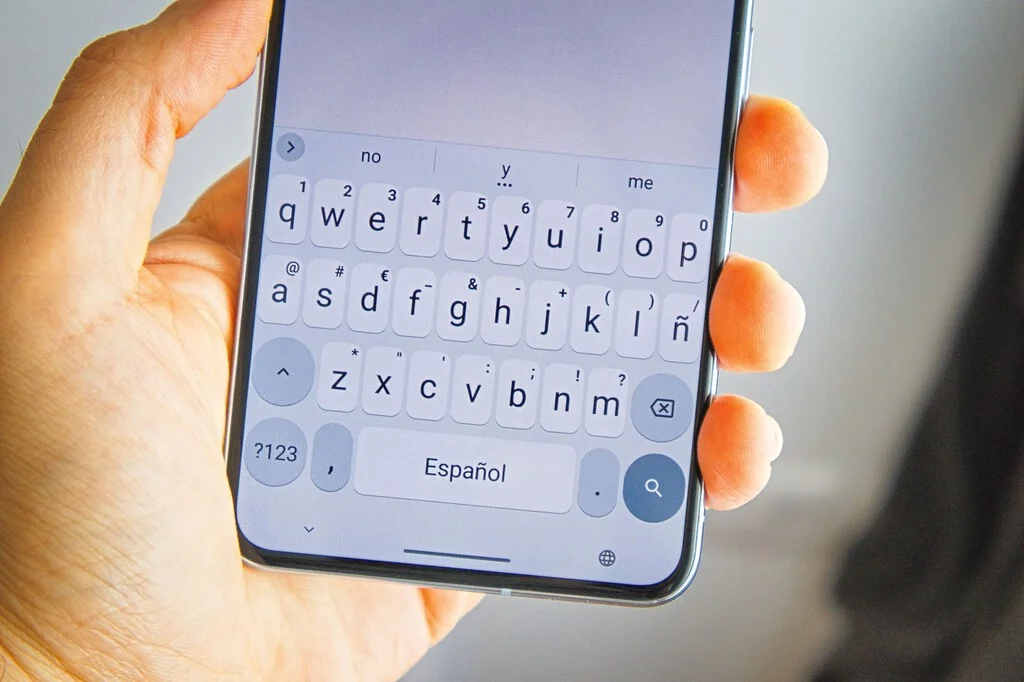

The digital ecosystem of the modern smartphone is governed by a handful of massive corporations that dictate the user experience from the operating system down to the software input methods. For over a decade, Google’s Gboard and the native Apple Keyboard have maintained a near-total duopoly on the mobile typing experience. These applications, while highly optimized, have become increasingly scrutinized for their data collection practices. As smartphones evolve into the primary repository for sensitive personal information—including passwords, financial data, and private communications—a growing movement of privacy-conscious users is migrating toward open-source, locally hosted alternatives. Among these, HeliBoard has emerged as a significant contender, offering a robust, privacy-first interface that challenges the dominance of Big Tech.
The Evolution of Mobile Input and Data Privacy
In the early days of smartphones, third-party keyboards were among the first applications users would install to customize their devices. Keyboards like SwiftKey or Swype offered novel features that native systems lacked. However, as Google and Apple refined their own offerings, integrating them deeply into the OS, the incentive for users to seek external solutions diminished.
This consolidation, while beneficial for user interface (UI) consistency, created a significant data privacy paradox. Keyboard applications require extensive permissions to function, as they essentially act as the intermediary between the user’s thoughts and the digital device. Because they process every keystroke, these apps are prime targets for telemetry collection. Gboard, for instance, routinely syncs user dictionaries, usage metrics, and writing habits to cloud servers to improve predictive text algorithms. For many users, this trade-off—convenience for privacy—is no longer acceptable.
HeliBoard: A Technical Shift in Keyboard Architecture
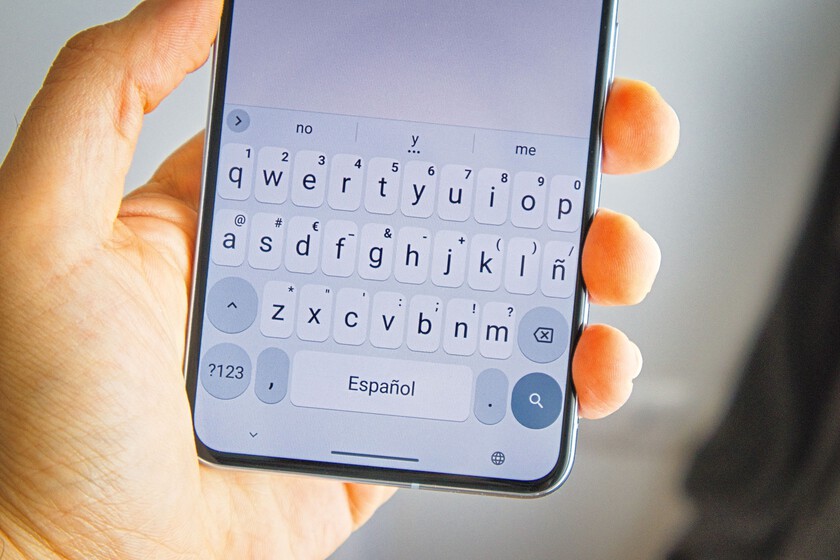
HeliBoard represents a departure from this data-harvesting model. It is a direct evolution of the OpenBoard project, which was originally built upon the Android Open Source Project (AOSP) foundation. Unlike commercial counterparts, HeliBoard operates on a fundamental principle of data isolation: it does not possess, nor does it request, network access permissions.
The technical architecture of HeliBoard is designed to ensure that no data—whether it is a typed password or a private conversation—ever leaves the device. By functioning entirely offline, it eliminates the risk of telemetry-based data breaches or the profiling of user communication habits. This approach appeals to both security researchers and privacy advocates who prioritize local computation over cloud-based synchronization.
Chronology of the Open-Source Keyboard Movement
The shift toward open-source input methods can be traced back to the broader movement for digital sovereignty.
- 2010–2015: The era of "keyboard innovation," dominated by proprietary apps like Swype and SwiftKey, which introduced gesture typing.
- 2016–2018: Increased public awareness regarding digital surveillance and the introduction of stricter privacy regulations, such as the General Data Protection Regulation (GDPR) in the European Union.
- 2019–2021: The decline of smaller third-party keyboard developers as Google and Apple aggressively integrated predictive AI and machine learning into their native keyboards.
- 2022–Present: The rise of specialized, community-driven projects like FlorisBoard, FUTO Keyboard, and HeliBoard, which focus on transparency and the absence of tracking.
Feature Parity and the "Gesture Typing" Challenge
A primary barrier for users migrating from Gboard to open-source alternatives has historically been the lack of sophisticated features, particularly gesture-based typing (Swype). Because many proprietary gesture libraries are closed-source, developers of free software faced a difficult choice: build a custom, often less accurate, gesture engine, or allow users to manually integrate proprietary libraries.
HeliBoard takes a pragmatic, user-centric approach. It allows advanced users to manually import the necessary libraries to enable gesture typing, effectively bridging the gap between open-source privacy and the high-performance standards set by Google. This modularity is a defining characteristic of the project, allowing it to satisfy both the power user who requires speed and the security-conscious user who demands control.
Comparative Analysis: Privacy vs. Personalization
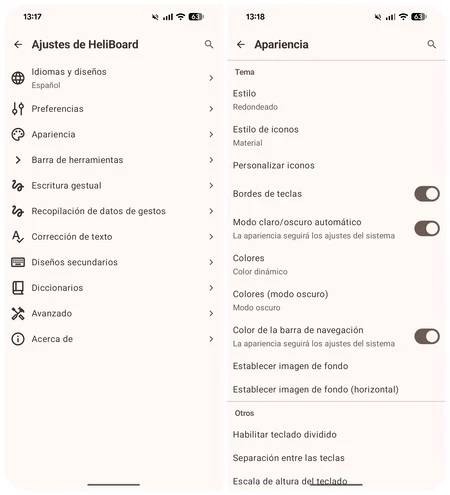
While HeliBoard excels in privacy and configuration—offering granular control over vibrations, key heights, and layout adjustments—it remains in a developmental phase regarding aesthetic customization.
In contrast, Gboard utilizes a centralized cloud-based system to push new themes and UI updates seamlessly. HeliBoard users, however, are currently limited to a set of base styles and dynamic color integration based on Android’s Material You design language. The absence of a centralized "theme store" is a calculated trade-off. By avoiding a marketplace, the app remains lightweight and avoids the tracking mechanisms often embedded in content delivery systems.
Broader Implications for the Smartphone Ecosystem
The existence and growth of projects like HeliBoard signal a broader shift in consumer behavior. As users become more informed about how their data is leveraged for advertising and AI training, the demand for "local-only" software is likely to grow.

From an industry perspective, the success of HeliBoard highlights a vulnerability in the "walled garden" approach of major mobile OS providers. When users feel that their most intimate interactions are being monitored by the system provider, they seek out third-party "sandboxed" alternatives.
Furthermore, the open-source community provides a transparent audit trail. Any developer or security researcher can review the code for HeliBoard on its official GitHub repository to verify that no malicious or data-exfiltrating code is present. This level of transparency is functionally impossible for proprietary keyboards, where the user must rely on the word of the developer regarding data handling.
Implementation and Accessibility
Unlike standard applications, privacy-focused tools like HeliBoard are rarely found in mainstream app stores like the Google Play Store, primarily because their business models and update philosophies do not align with the centralized app store requirements. Users looking to adopt HeliBoard typically utilize F-Droid, an open-source repository for Android applications, or download the APK directly from the GitHub repository.
This installation process serves as a secondary filter, ensuring that the user base consists primarily of individuals who understand the implications of the software they are installing. It is an intentional barrier to entry that ensures the project remains community-driven and free from the pressures of mainstream commercialization.

Conclusion
HeliBoard serves as a case study for the modern privacy movement. It successfully balances the demands of high-performance mobile computing with the necessity of absolute data autonomy. While it may lack the polished, cloud-driven marketing of Gboard, it offers something that, for a growing segment of the population, is far more valuable: the assurance that a user’s private digital life remains entirely within their own control. As mobile security continues to be a central topic of discourse, it is highly probable that these open-source input methods will continue to mature, potentially pressuring industry giants to rethink their own data collection policies in the interest of retaining a more privacy-conscious consumer base.
