

The era of receiving official correspondence from the Social Security via traditional postal mail is rapidly drawing to a close for a significant segment of the Spanish populace. In a landmark move reflecting the broader national push towards digital governance, the Social Security administration has announced a comprehensive shift, mandating electronic communication for specific groups of citizens. This pivotal change, outlined in the recently published Orden ISM/541/2026 in the Official State Gazette (BOE), updates previous regulations from four years prior and decisively transfers the entirety of official communication responsibility to digital channels, primarily accessible via mobile phones and personal computers. This directive is set to revolutionize how millions interact with one of the nation’s most critical public institutions, marking a definitive step towards a paperless administrative future.
The Digital Mandate: A New Era for Social Security Communications
The core of this transformation lies in the understanding that working-age citizens possess the requisite experience and digital tools to navigate online platforms effectively. The administration argues that the widespread adoption of smartphones and internet connectivity has rendered traditional postal mail an increasingly anachronistic and inefficient method for official notifications. Indeed, managing documentation and accessing administrative services through digital means has become a commonplace reality for many. Services such as obtaining a digital certificate, accessing one’s work history via dedicated applications, or completing various bureaucratic procedures using only a mobile phone number are now well-established practices.
With the new measure, which takes effect on September 1, 2026, individuals receiving certain benefits, particularly those on temporary leave (baja), will be brought into line with businesses and self-employed individuals, who have long been subject to mandatory electronic communication with public bodies. This alignment underscores a strategic vision to streamline administrative processes across all categories of contributors and beneficiaries, fostering greater efficiency and transparency. The Orden ISM/541/2026 is not merely an incremental update; it signifies a robust commitment to leveraging technological advancements to modernize public service delivery, aligning Spain with leading digital economies in Europe and beyond.
Contextualizing the Shift: Spain’s Digital Transformation Agenda
This significant change by the Social Security Institute (INSS) is not an isolated event but rather a crucial component of Spain’s overarching "Agenda España Digital 2026." This ambitious national strategy aims to accelerate the country’s digital transformation across various sectors, including public administration, economy, and society. Key pillars of this agenda include ensuring 100% internet connectivity, promoting digital skills, fostering digital entrepreneurship, and developing advanced digital public services. The move to mandatory digital communication for Social Security is a direct manifestation of the latter, seeking to enhance administrative agility, reduce bureaucratic burdens, and improve the user experience for citizens who are increasingly accustomed to digital interactions in their daily lives.
For years, Spanish public administration has been gradually introducing digital tools. The establishment of the Electronic Headquarters (Sede Electrónica) for various ministries and agencies, the rollout of identification systems like Cl@ve (Cl@ve PIN and Cl@ve Permanente), and the widespread acceptance of digital certificates (DNIe and software certificates) have laid the groundwork. More recently, initiatives like "Mi Carpeta Ciudadana" have sought to consolidate citizen data and interactions with the administration into a single, user-friendly digital portal. The Social Security itself has been at the forefront, with mobile applications that allow for easy access to information like the "vida laboral" (work history) and the ability to perform certain transactions. This history demonstrates a deliberate and progressive journey towards the comprehensive digital environment now mandated.
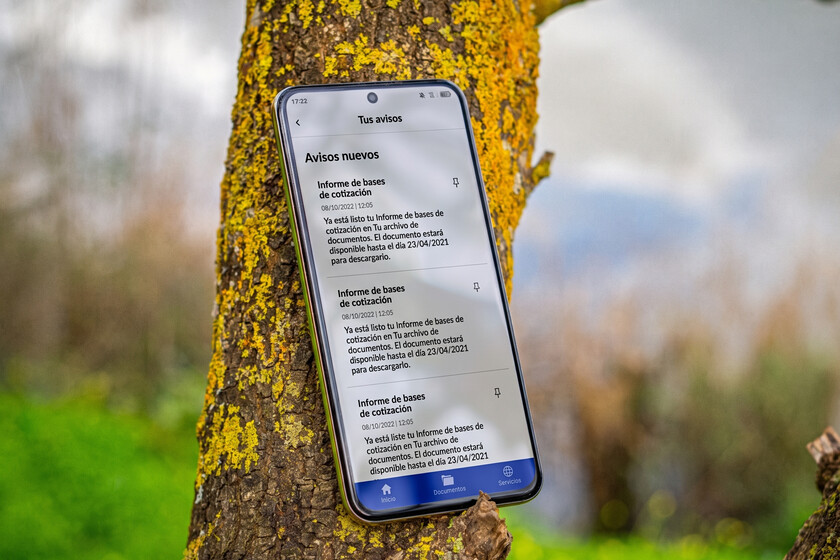
The rationale extends beyond mere efficiency. Environmental sustainability is a key consideration. By eliminating millions of paper letters annually, the Social Security system will significantly reduce its carbon footprint associated with paper production, printing, and postal transport. Furthermore, digital communication inherently offers greater speed and immediacy, crucial for time-sensitive notifications regarding benefits, contributions, or legal requirements, thereby reducing potential delays and improving the responsiveness of the administration.
Who is Affected? Scope and Specifics of the New Regulation
It is important to clarify that the obligation to receive notifications electronically does not apply to all citizens universally. The regulation specifically targets individuals who either request or are currently receiving particular types of Social Security benefits. While the original article did not provide an exhaustive list, the context strongly implies that this primarily encompasses active workers and beneficiaries whose situations require frequent or critical administrative interaction. This includes, but is not limited to, individuals receiving:
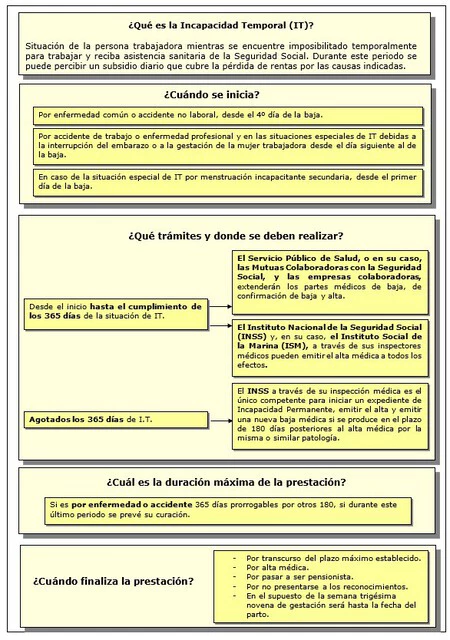
- Temporary Incapacity (Incapacidad Temporal): As explicitly mentioned, workers on sick leave will now receive all related communications digitally. This is a critical area given the ongoing nature of these benefits and the need for regular updates and medical reviews.
- Maternity and Paternity Benefits: These are time-sensitive benefits requiring prompt communication regarding application status, payment schedules, and documentation.
- Risk during Pregnancy or Breastfeeding: Similar to maternity, these benefits involve specific medical and administrative processes.
- Other short-term or temporary benefits: Any benefits that require regular updates, submissions, or administrative reviews are likely to fall under this digital mandate to ensure timely communication.
The underlying principle is that these groups, typically active in the workforce or recently so, are presumed to have the necessary digital literacy and access to technology. By mandating digital communication for these beneficiaries, the Social Security aims to standardize and modernize its interaction with the most active segments of its user base, mirroring the existing requirements for businesses and self-employed individuals.
The Digital Notification System: How it Works
For those falling into the aforementioned categories, the new communication paradigm will operate through a robust, cloud-based alert system structured in multiple steps to ensure citizens are properly informed and can access their notifications. The general mechanism will involve:
- Initial Alert (SMS/Email): The Social Security will send an initial alert to the contact details (mobile phone number and/or email address) registered by the citizen in the system. This alert will not contain the full notification content but will inform the recipient that a new communication is available. It is crucial for citizens to ensure their contact information is always up-to-date within the Social Security’s records.
- Access to the Electronic Headquarters (Sede Electrónica): The actual notification will be securely housed within the citizen’s personal area on the Social Security’s Electronic Headquarters. To access it, individuals will typically need to authenticate themselves using a digital identification method such as Cl@ve (PIN or Permanente) or a digital certificate.
- Acknowledgement of Receipt: Once accessed, the citizen will generally be required to acknowledge receipt of the notification within a specified timeframe (e.g., 10 natural days). This action formally records that the communication has been delivered and viewed.
- Deemed Notification: If the citizen fails to access and acknowledge the notification within the stipulated period, the communication will be legally "deemed notified." This means that, even if not explicitly opened, the notification will be considered legally delivered, and any deadlines or actions required will commence from that point. This aspect underscores the critical importance of regular checking of digital notifications and keeping contact details current.
- Reminders and Follow-ups: The system may also incorporate reminder alerts if a notification remains unread after a certain period, further encouraging timely access.
This multi-layered approach is designed to balance efficiency with legal certainty, ensuring that citizens are properly informed while allowing the administration to process communications swiftly and without the delays inherent in traditional mail. The security of these digital communications is paramount, with robust encryption and authentication protocols in place to protect sensitive personal data.
Addressing the Digital Divide: Exceptions and Support Mechanisms
While the overarching goal is digitalization, the Social Security administration recognizes the existence of a digital divide and has proactively established a safety net to prevent the exclusion of individuals who may lack digital skills, internet access, or the necessary technological tools. This commitment ensures that no citizen is left behind due to technological barriers.
Guaranteed In-Person Assistance: The Social Security explicitly guarantees face-to-face assistance. Any citizen can visit a Centro de Atención e Información de la Seguridad Social (CAISS) – readily locatable via the Social Security’s website – where trained public servants will provide direct support. This assistance includes helping individuals access their digital notifications on the Electronic Headquarters, explaining the content, and guiding them through any necessary subsequent steps. This measure is crucial for elderly populations, individuals with disabilities, or those residing in areas with limited internet access or lower digital literacy rates.
Continued Postal Mail in Exceptional Cases: Despite the strong push towards digitalization, traditional postal mail will not entirely disappear. The regulation stipulates three specific, exceptional circumstances under which physical mail will continue to be used:
- Initial Communications for New Beneficiaries or Registrations: In cases where a citizen is entirely new to the Social Security system or initiating a process where their digital contact information or authentication methods are not yet fully established, the initial critical communication may still be sent via postal mail to ensure the foundational connection is made.
- Legally Mandated Physical Notifications: Certain legal procedures or types of notifications, due to their specific nature or legal precedent, may still require physical delivery. These would be explicitly defined by law or regulation to ensure judicial certainty and due process. Examples might include specific enforcement notices or highly sensitive documents where proof of physical delivery remains a legal requirement.
- Demonstrated Digital Exclusion: In situations where a citizen can credibly demonstrate a genuine and insurmountable barrier to accessing digital communications (e.g., severe disability preventing computer use, prolonged lack of internet access in remote areas, or other extreme circumstances), the administration may, on a case-by-case basis, revert to postal communication as an alternative. This acts as a safeguard against absolute exclusion.
These exceptions demonstrate a nuanced approach to digitalization, balancing the pursuit of efficiency with the imperative of social inclusion and access to essential public services for all citizens, regardless of their digital proficiency.
Implications and Benefits: Efficiency, Sustainability, and Accessibility
The transition to mandatory digital communication for the Social Security carries profound implications and offers numerous benefits for both the administration and the citizenry, alongside some inherent challenges.
For the Administration:
- Increased Efficiency: Digital processing is inherently faster than manual, paper-based systems. This translates to quicker handling of applications, more timely delivery of notifications, and reduced administrative backlogs.
- Cost Savings: Significant reductions in operational costs associated with printing, postage, archiving physical documents, and personnel dedicated to physical mail handling. Estimates for similar transitions in other European countries have shown savings in the tens of millions of euros annually.
- Improved Data Management: Digital records are easier to store, retrieve, and analyze, leading to better data accuracy and more informed policy-making.
- Enhanced Security: While digital systems have their own vulnerabilities, a well-implemented system with strong encryption and authentication can offer greater security against loss, tampering, or unauthorized access compared to physical mail.
- Environmental Impact: A substantial reduction in paper consumption and the carbon emissions associated with the logistics of postal services.
For Citizens:

- Speed and Immediacy: Critical information can be delivered almost instantly, avoiding postal delays and ensuring citizens are aware of their rights and obligations promptly.
- 24/7 Access: Notifications can be accessed anytime, anywhere, fostering greater flexibility and convenience.
- Organized Records: Digital platforms allow for easy storage and retrieval of all communications in one centralized location, reducing the risk of losing important documents.
- Improved Transparency: Digital tracking of notifications provides clear evidence of delivery and access.
Challenges and Considerations:
- Digital Divide: The most significant challenge remains ensuring equitable access for all citizens, particularly the elderly, those in rural areas, and individuals with limited digital literacy or access to technology.
- Cybersecurity: The increased reliance on digital systems necessitates robust cybersecurity measures to protect sensitive personal data from cyber threats, phishing attempts, and data breaches.
- User Adoption: Successful implementation requires a comprehensive public awareness campaign and user-friendly interfaces to encourage widespread adoption and understanding.
Ensuring Digital Inclusion: The Path Forward
To successfully navigate the challenges of the digital divide, the Spanish government and Social Security must continue to invest in and promote initiatives aimed at digital inclusion. This includes:
- Public Awareness Campaigns: Extensive campaigns to inform citizens about the new requirements, the benefits of digital communication, and available support.
- Digital Literacy Programs: Expanding access to free or affordable digital literacy training courses, particularly for older adults and vulnerable groups.
- Accessibility Improvements: Continuously enhancing the accessibility of digital platforms and applications to ensure they are intuitive and usable for individuals with varying levels of digital proficiency and disabilities.
- Strengthening CAISS Network: Ensuring that CAISS centers are adequately staffed and equipped to provide effective in-person assistance, acting as vital bridges for those struggling with the digital transition.
- Collaboration with Local Entities: Partnering with local councils, community centers, and NGOs to provide localized support and access points for digital services.
A Broader Perspective: Global Trends in E-Government
Spain’s move is part of a wider global trend towards e-government and digital public services. Nations across Europe and beyond are increasingly adopting digital-first strategies to enhance administrative efficiency, transparency, and citizen engagement. Countries like Estonia, Finland, and Denmark are often cited as pioneers in this field, having implemented comprehensive digital identity systems and online public services for years. The European Union actively encourages member states to digitalize their public administrations through various initiatives and funding mechanisms, recognizing the role of e-government in fostering a competitive digital single market and improving citizen experience. Spain’s Orden ISM/541/2026 positions the country firmly within this progressive movement, aiming to align its public services with the digital expectations of the 21st century.
Looking Ahead: The September 2026 Deadline
The September 1, 2026, deadline marks a definitive inflection point in the relationship between Spanish citizens and the Social Security administration. This generous transition period of over two years from the publication of the order provides ample time for individuals to prepare for the change. Citizens are strongly encouraged to:
- Review and Update Contact Details: Ensure that their mobile phone number and email address registered with the Social Security are current and accurate.
- Obtain a Valid Digital Identification System: Acquire and familiarize themselves with digital identification tools such as Cl@ve (Cl@ve PIN or Cl@ve Permanente) or a digital certificate. These are indispensable for accessing the Electronic Headquarters and receiving notifications securely.
- Familiarize Themselves with the Electronic Mailbox: Understand how to navigate the Social Security’s Electronic Headquarters and the system for accessing and acknowledging notifications.
The overarching objective is to prevent any important requirement or notification from being missed, which could potentially jeopardize an individual’s benefits or lead to other administrative complications. By embracing this digital evolution, Spain aims to forge a more efficient, responsive, and environmentally conscious public administration, ready to meet the demands of a digitally empowered society. The success of this transition will ultimately depend on the collective effort of the administration to provide robust, accessible digital services and the proactive engagement of citizens in adapting to this new digital reality.
