

For many consumers, the choice between tapping a physical card or a smartphone at a point-of-sale terminal appears to be a mere matter of convenience. Both methods ultimately draw funds from the same bank account, and the immediate user experience largely dictates preference. However, beneath this seemingly innocuous transaction lies a complex web of technological protocols and security architectures that fundamentally differentiate these payment methods, with significant implications for user safety and fraud prevention. A leading cybersecurity expert has clarified this distinction, asserting that mobile payments offer a demonstrably higher level of security.
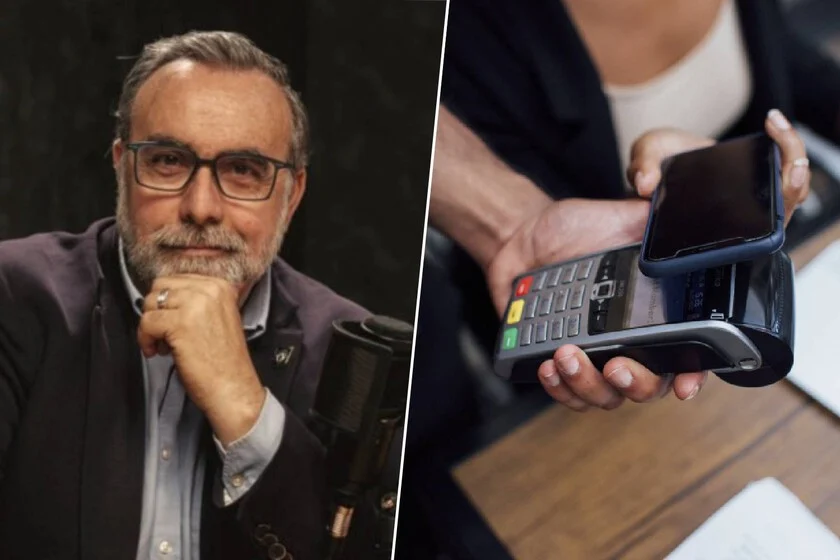
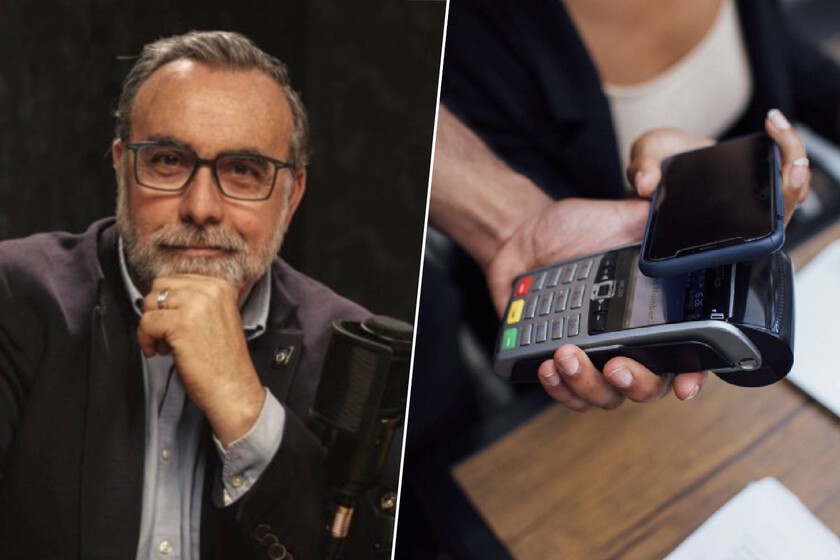
Juan Carlos Galindo, a respected investigator and expert witness specializing in economic crimes and cybercrime, has publicly addressed the question of whether physical card or mobile phone payments are more secure. Galindo unequivocally states that paying with a smartphone or other mobile device provides a superior security posture. The core of his argument lies in the fundamental way these devices communicate with payment terminals, known as dataphones or POS (Point of Sale) systems. According to Galindo, when a mobile device is used for payment, it does not transmit the actual card details. Instead, it emits a radiofrequency signal containing a unique, dynamically generated identifier (ID). This ID is received by the dataphone, initiating the transaction process.
This mechanism stands in stark contrast to how traditional physical contactless cards operate. With a physical card, the identifier transmitted to the payment terminal remains constant. Galindo explains, "With the card, the ID is always the same, therefore, a ‘bad actor’ could clone this ID and not only the card itself, but also its communication method with dataphones." This static nature presents a significant vulnerability. If a malicious entity intercepts this static ID, they could potentially replicate it, enabling fraudulent transactions without needing physical possession of the card. The threat of card cloning, historically associated with magnetic stripe cards and increasingly sophisticated skimming devices targeting EMV chip cards, highlights the inherent risk of a fixed identifier.
Conversely, mobile payments circumvent this vulnerability. "The phone," Galindo elaborates, "communicates with a different ID every time it is used." This dynamic ID generation is a cornerstone of modern payment security, fundamentally disrupting the ability of fraudsters to clone payment credentials. This principle extends beyond smartphones to other smart payment devices such as smartwatches, payment rings, and other wearables, all of which employ similar secure communication protocols to complete transactions.
The Technological Bedrock: Tokenization and Secure Elements
To fully grasp the security advantage of mobile payments, it is essential to understand the underlying technologies: Near Field Communication (NFC), tokenization, and secure elements.
NFC is the short-range wireless technology that enables contactless payments. When a mobile device or card is tapped near a payment terminal, NFC facilitates the secure exchange of data over a very short distance, typically a few centimeters. This short range inherently reduces the risk of remote interception compared to, for instance, Wi-Fi or Bluetooth.
However, the real game-changer is tokenization. Instead of transmitting sensitive card details like the 16-digit Primary Account Number (PAN), expiration date, and CVV, tokenization replaces them with a unique, randomly generated "token." This token is meaningless if intercepted outside the secure payment ecosystem. When a mobile payment is initiated, the device requests a token from a secure tokenization platform, typically managed by the payment network (e.g., Visa, Mastercard) or the card issuer. This token is then passed to the merchant’s payment terminal and on to the payment network. If a data breach occurs at the merchant’s end, only these meaningless tokens are exposed, not the actual card details, making them useless for fraudulent transactions.
Furthermore, mobile payment systems like Apple Pay, Google Pay, and Samsung Pay leverage a "Secure Element" (SE) within the device. The SE is a tamper-resistant chip or a secure area within the device’s main processor that is isolated from the main operating system. It acts as a digital vault, securely storing the payment tokens and cryptographic keys. When a user authorizes a payment – typically through a biometric scan (fingerprint or facial recognition) or a PIN – the SE generates the dynamic, single-use cryptogram (a type of dynamic ID) that accompanies the token for that specific transaction. This multi-layered security approach ensures that even if a device is compromised, the actual payment credentials remain protected.
The Evolving Landscape of Payment Fraud
The shift towards dynamic IDs and tokenization is a direct response to the persistent and evolving threat of payment fraud. Historically, magnetic stripe cards were highly vulnerable to skimming, where devices attached to card readers would steal card data. The introduction of EMV (Europay, Mastercard, and Visa) chip cards significantly reduced counterfeit card fraud by requiring a unique cryptographic code for each transaction, making it nearly impossible to clone. However, even EMV chip cards, particularly in their contactless form, still rely on a static PAN that, if compromised in a data breach, could potentially be used for online fraud or, as Galindo highlights, for certain types of contactless cloning if the terminal itself is deeply compromised.
According to various industry reports, card-not-present (CNP) fraud, which occurs when a card is not physically presented (e.g., online purchases), remains a significant challenge. However, mobile payment tokenization effectively addresses this by ensuring that the actual card number is never transmitted or stored by the merchant during a transaction, whether in-person or online (where mobile wallets often integrate). Data from Nilson Report and various financial institutions indicate that while overall fraud rates persist, transactions processed via tokenization show significantly lower fraud rates compared to traditional card transactions. For instance, some estimates suggest that tokenized transactions can reduce fraud rates by 25-50% in certain categories.
The convenience factor has also played a crucial role in the rapid adoption of contactless and mobile payments. According to a 2023 report by Visa, contactless payments now account for over 75% of face-to-face Visa transactions in Europe, a dramatic increase driven by both consumer preference and the pandemic’s push for touch-free interactions. Globally, mobile payment volume is projected to reach trillions of dollars in the coming years, underscoring the widespread embrace of these digital wallets. While convenience is a primary driver, the underlying security benefits are a critical enabler of this trust and adoption.
Bizum Pay: Expanding Secure Mobile Transactions
The payment landscape in Spain, and increasingly across Europe, is about to introduce a significant new player in secure mobile payments: Bizum Pay. Bizum, initially known for its ubiquitous peer-to-peer (P2P) payment service, is now expanding its capabilities to allow payments in physical stores. While its theoretical availability for in-store payments has been announced, widespread practical adoption is still pending as more banks and merchants integrate the service.
Crucially, Bizum Pay also incorporates the dynamic ID principle that underpins the security of other mobile payment systems. As confirmed by Bizum, the ID for each transaction changes with every operation, not just in physical commerce but across all Bizum transactions. This adherence to dynamic identifiers reinforces the security posture of Bizum Pay, aligning it with the best practices of modern digital payment solutions.
Regarding its security architecture, Bizum emphasizes that Bizum Pay operates with security mechanisms, cryptography, and tokenization analogous to those found in other contactless payment systems on the market. These have been specifically adapted for Bizum to ensure that account-based payments achieve the highest level of security. A key differentiator highlighted by Bizum is the activation process for Bizum Pay: users must always activate and enroll payment methods through their banking app. This requirement strengthens security by leveraging the robust authentication mechanisms of established banking applications, offering a more secure alternative compared to activation methods reliant solely on SMS, which can be vulnerable to certain forms of social engineering or SIM-swap fraud.
Broader Implications and the Future of Payments
The ongoing evolution of payment security, driven by innovations like tokenization and dynamic IDs, carries significant implications for various stakeholders:
- For Consumers: The primary benefit is enhanced security against fraud, coupled with the convenience of not needing to carry physical cards. However, it also places a greater onus on users to secure their mobile devices with strong passcodes and biometrics, as the device itself becomes the key to accessing payment capabilities.
- For Financial Institutions: Banks and card issuers benefit from reduced fraud losses and chargebacks. They must continuously invest in sophisticated fraud detection systems, tokenization platforms, and secure infrastructure to support these advanced payment methods. The ability to offer highly secure and convenient payment options also helps build customer trust and loyalty.
- For Merchants: Businesses must upgrade their Point-of-Sale (POS) terminals to support NFC and other modern payment technologies. While there’s an initial investment, the long-term benefits include potentially lower fraud-related costs, faster transaction times, and an improved customer experience. The challenge remains in widespread adoption of new payment methods like Bizum Pay, requiring collaborative efforts between banks, payment networks, and retailers.
- Regulatory Environment: Regulators worldwide are continuously adapting frameworks to keep pace with technological advancements in payments. Directives like PSD2 (Revised Payment Services Directive) in Europe, with its Strong Customer Authentication (SCA) requirements, aim to further secure online and mobile transactions by mandating multi-factor authentication, reinforcing the principles inherent in tokenized mobile payments.
Looking ahead, the payment industry is likely to witness further advancements. Biometric authentication will become even more ubiquitous, potentially incorporating passive biometrics (e.g., gait analysis, behavioral patterns). The emergence of quantum computing poses a potential long-term threat to current cryptographic standards, driving research into quantum-resistant cryptography for future payment security. Blockchain technology also presents intriguing possibilities for secure and transparent payment processing, though its widespread adoption in mainstream retail is still nascent.
Despite the undeniable security advantages of mobile payments, the broader discussion about a completely cashless society continues. As highlighted by related discussions, even in highly digitized nations like Sweden, where mobile payments are massively adopted, there have been recommendations for citizens to carry some physical cash as a contingency in case of widespread system failures or cyberattacks affecting digital infrastructure. This underscores that while technological advancements significantly enhance security and convenience, a holistic approach to financial resilience often considers a diversified strategy.
In conclusion, the expert opinion from Juan Carlos Galindo serves as a crucial reminder that while convenience drives the adoption of new payment methods, the underlying security mechanisms are paramount. The dynamic ID system powered by tokenization in mobile payments offers a robust defense against card cloning and data breaches, marking a significant leap forward in safeguarding consumer finances in an increasingly digital world. As payment technologies continue to evolve, understanding these fundamental security differences will empower consumers to make more informed choices about how they pay.
