
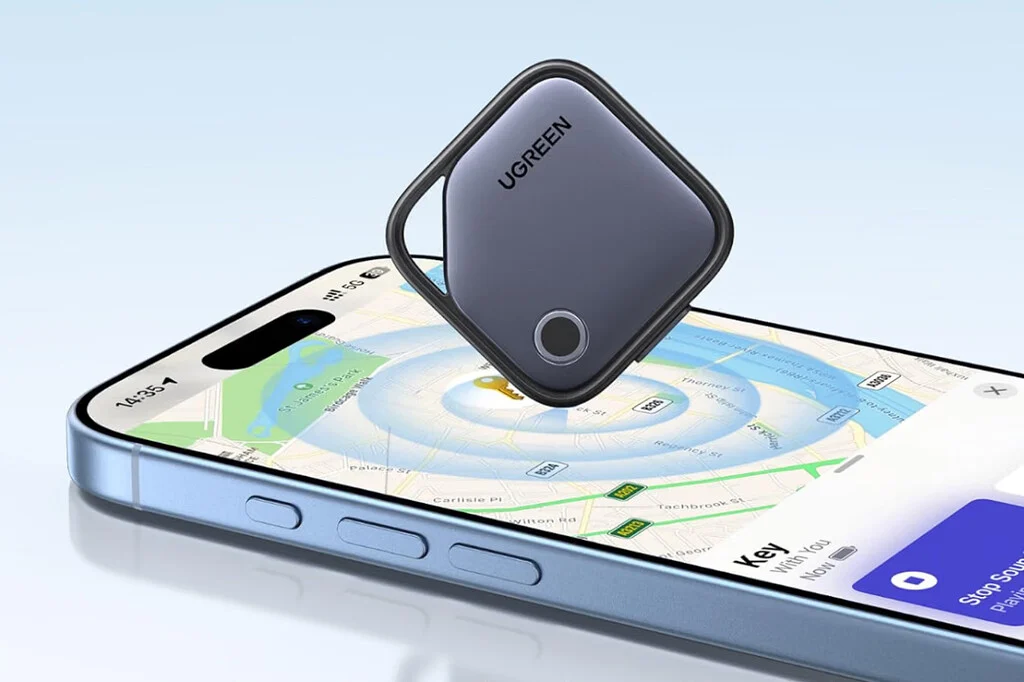

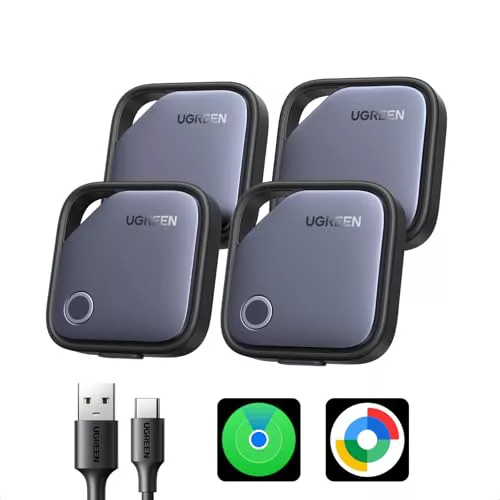
The landscape of personal item tracking has long been defined by ecosystem silos. Historically, users tethered to the Apple ecosystem relied exclusively on the AirTag, while those operating within the Android environment navigated a fragmented market of Google Find My Device-compatible tags from manufacturers such as Samsung, Motorola, and Tile. This divide often forced households with mixed-device environments to purchase multiple, incompatible hardware solutions to secure their personal belongings. However, a recent market shift led by peripheral manufacturer UGreen is challenging this paradigm. The UGreen FineTrack Duo, a versatile tracking solution, is currently available at a limited-time price of 29.13 euros for a four-unit pack on Amazon, representing a significant discount from its standard retail price of 49.99 euros.
The Evolution of Bluetooth Tracking Technology
To understand the significance of the FineTrack Duo, one must examine the rapid maturation of Bluetooth Low Energy (BLE) tracking technology. The concept of the "smart tag" gained mass-market traction in 2021 with the introduction of Apple’s AirTag, which leveraged the vast Find My network—a mesh of hundreds of millions of Apple devices worldwide that act as relay points for location data.
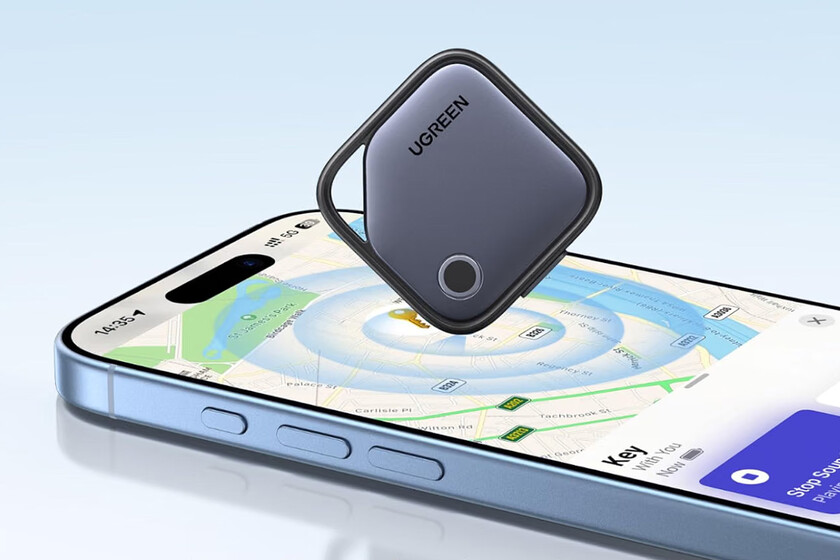
For years, Android users lacked a comparable native infrastructure. While third-party companies like Tile attempted to bridge this gap, their networks were limited to their own user base. The turning point arrived with the phased rollout of Google’s "Find My Device" network, which utilizes a similarly vast, crowdsourced network of Android devices. This technological alignment has allowed companies like UGreen to develop hardware that is agnostic, catering to both major mobile operating systems without requiring the user to remain within a single manufacturer’s ecosystem.
Technical Specifications and Innovations
The FineTrack Duo differentiates itself from competitors through design choices that address common consumer pain points, particularly regarding power management and physical attachment. Unlike the industry-standard Apple AirTag, which relies on user-replaceable CR2032 coin cell batteries, the UGreen FineTrack Duo incorporates an internal rechargeable battery. This design decision offers a notable shift in the lifecycle management of the device.
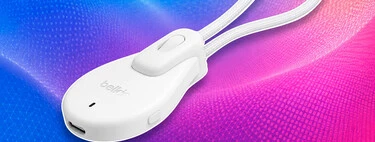
According to technical specifications provided by UGreen, the device features a USB-C charging port, a rarity in the compact tracking market. This integration allows for a stated autonomy of up to 12 months on a single charge, effectively eliminating the recurring cost of replacement batteries. Furthermore, the physical architecture of the FineTrack Duo includes an integrated aperture for keyrings and lanyards. This removes the necessity for the additional protective cases or adhesive mounts that are frequently required for competitors like the AirTag to be securely attached to bags or luggage, thereby reducing the total cost of ownership for the consumer.
Chronology of the Tracker Market
- April 2021: Apple launches the AirTag, setting the industry benchmark for precision finding using Ultra-Wideband (UWB) technology.
- 2022-2023: A period of intense competition follows, with Samsung and Tile expanding their portfolios; however, Android users remain limited by the absence of a unified, native OS-level network.
- April 2024: Google officially launches its revamped Find My Device network, enabling offline location tracking for Android devices and accessories, mirroring the utility of Apple’s Find My.
- Q3 2024: Peripheral manufacturers, including UGreen and Motorola, move to capitalize on the new dual-network compatibility, launching hardware designed to be cross-compatible with both Apple’s and Google’s networks.
- November 2024: Retail adjustments on platforms like Amazon reflect a broader strategy to incentivize the adoption of multi-pack tracking solutions as holiday shopping demand increases.
Comparative Market Analysis
When evaluating the FineTrack Duo against market leaders, the primary point of differentiation is the trade-off between universal compatibility and specialized features. While the AirTag benefits from the precision of Apple’s UWB technology—which provides directional arrows to guide a user to an item within a few inches—the FineTrack Duo focuses on broad utility and acoustic signaling.
The FineTrack Duo is equipped with an integrated speaker capable of outputting a 100 dB alert. This volume is sufficient to overcome ambient noise in urban environments, facilitating the recovery of misplaced items. However, industry analysts note that for users requiring centimeter-level indoor navigation, proprietary systems still hold a slight advantage. Conversely, for the average consumer prioritizing the location of keys, wallets, or luggage at a competitive price point, the UGreen offering provides a more cost-effective entry. The current price of 29.13 euros for four units breaks down to approximately 7.28 euros per tracker, compared to the significantly higher unit cost of single-brand proprietary tags.
Implications of Ecosystem Agnosticism
The emergence of cross-platform tracking devices signifies a broader trend toward interoperability in consumer electronics. Regulatory pressure, particularly in the European Union, has increasingly favored standards that prevent consumer lock-in. By developing hardware that functions across disparate operating systems, manufacturers like UGreen are responding to a market demand for simplicity.
For the consumer, this implies a shift in purchasing behavior. In the past, the choice of a tracking tag was an extension of the choice of a smartphone. Today, the tracking tag is becoming a utility peripheral. This shift forces major smartphone manufacturers to improve the value proposition of their own first-party accessories. If a third-party, lower-cost device can offer 12 months of battery life and compatibility with both networks, the incentive to pay a premium for brand-specific hardware diminishes.
Economic Impact and Strategic Pricing
The aggressive pricing of the four-pack bundle is a strategic maneuver designed to gain market share during a peak consumer window. By lowering the entry barrier, UGreen is positioning the FineTrack Duo not merely as a high-tech gadget, but as an essential, disposable-utility item. This approach mirrors the strategy seen in other tech sectors, such as smart home lighting or charging cables, where the consumer is encouraged to "outfit" their entire home or inventory of items at once.
Financial analysts observing the retail sector have noted that the "bundle effect" is highly effective in increasing the Average Order Value (AOV) on e-commerce platforms. By offering a set of four, the consumer perceives higher value per unit, which in turn leads to higher conversion rates compared to selling individual units at a higher margin.
Future Outlook for Smart Tracking
Looking forward, the industry is expected to move toward even higher levels of integration. The next phase of development for tracking devices will likely focus on enhanced security protocols to prevent misuse, such as unauthorized tracking. Both Apple and Google have been collaborating on cross-industry specifications to notify users if an unknown tracker is moving with them, regardless of the brand. As these standards become more robust, the role of third-party manufacturers like UGreen will be to ensure that their hardware remains compliant with these global safety mandates.
The UGreen FineTrack Duo stands as a representative example of how hardware innovation is narrowing the gap between premium, ecosystem-locked products and accessible, universal solutions. As the cost of such technology continues to decrease, the ubiquity of tracking tags is likely to increase, fundamentally changing how consumers manage their personal property. For those who have been hesitant to commit to a specific tracking ecosystem due to cost or device limitations, the current market availability of these units provides a logical point of entry.
While the FineTrack Duo may lack the specialized, high-precision UWB capabilities found in the most expensive trackers, its combination of rechargeable battery technology, robust acoustic signaling, and, most importantly, dual-network compatibility, makes it a significant contender in the current landscape of personal security hardware. As with any investment in tracking technology, consumers should evaluate their specific needs—whether they prioritize absolute precision or general, cost-effective coverage—before finalizing their selection.
