
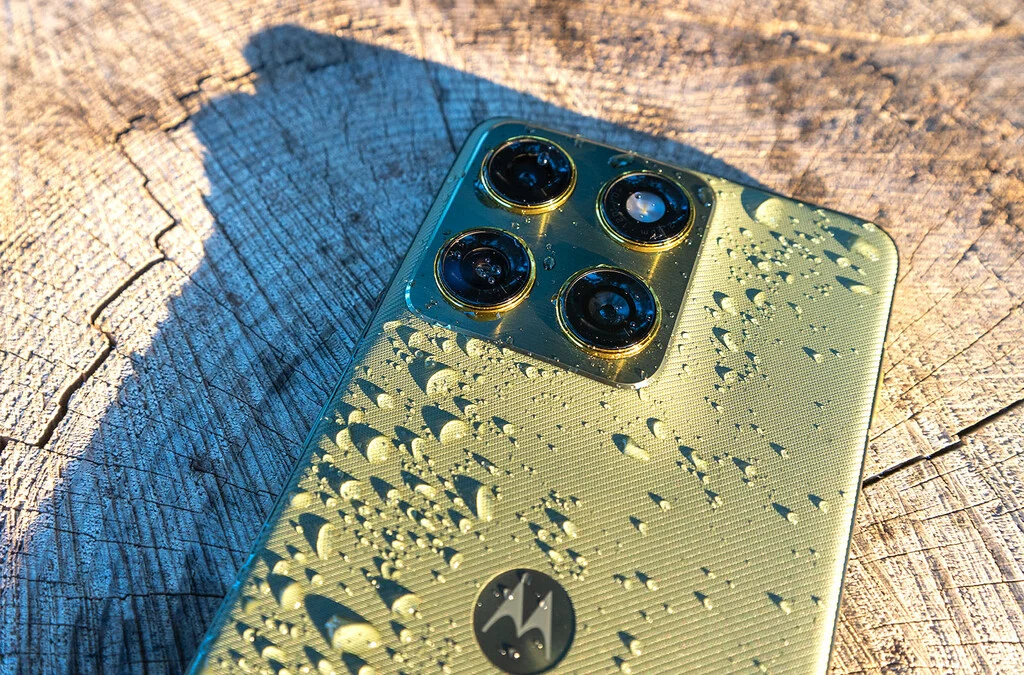

The pervasive issue of liquid damage to smartphones continues to plague users globally, often leading to impaired functionality, with compromised audio output being one of the most immediate and frustrating consequences. Despite advancements in device durability and the widespread adoption of Ingress Protection (IP) ratings, the delicate internal components of a smartphone remain vulnerable to moisture and particulate ingress. When a device takes an unexpected dip or is exposed to significant humidity, the speakers are frequently among the first elements to exhibit signs of distress, manifesting as distorted, muffled, or entirely absent sound. Before resorting to costly professional repairs, a growing number of users are exploring innovative do-it-yourself solutions, including the use of specialized acoustic frequency videos designed to expel water and clear debris from speaker grilles.
The Pervasive Problem of Liquid Damage
Smartphones have become indispensable tools in modern life, accompanying users through diverse environments, from humid bathrooms to rainy commutes and poolside leisure. This constant exposure inevitably increases the risk of accidental liquid contact. Industry statistics consistently highlight liquid damage as one of the leading causes of smartphone malfunction not covered by standard warranties. A 2022 study by SquareTrade, a prominent device protection plan provider, indicated that accidental damage, including liquid exposure, accounts for a significant percentage of all reported smartphone incidents, with repair costs often reaching hundreds of dollars, sometimes approaching the price of a new mid-range device. While some incidents result in total device failure, more common outcomes include partial impairments, such as erratic charging, display issues, or, notably, distorted audio from speakers and microphones.
The challenge lies in the intricate design of modern smartphones. Even seemingly robust devices contain minuscule apertures for speakers, microphones, and charging ports. These openings, while engineered to minimize ingress, are not hermetically sealed against all forms of liquid or particulate matter. Water, with its high surface tension, can cling to and penetrate these tiny openings, creating a barrier that obstructs sound waves or, more critically, leading to corrosion of sensitive electronic contacts over time. Similarly, fine dust, sand, or lint can accumulate within speaker grilles, physically blocking sound output and degrading audio quality.
Understanding IP Ratings: More Than Just "Waterproof"
A common misconception among consumers is that a smartphone advertised with an IP rating, such as IP67 or IP68, is entirely "waterproof." This is a critical misunderstanding. IP ratings, defined by the International Electrotechnical Commission (IEC) standard 60529, indicate a device’s resistance to both solids (dust) and liquids (water). The first digit denotes protection against solid particles (from 0 to 6, with 6 being dust-tight), and the second digit denotes protection against liquids (from 0 to 8, with 8 being capable of submersion beyond 1 meter under specified conditions).
For example, an IP68 rating, common in many flagship smartphones, signifies complete protection against dust ingress and resistance to continuous immersion in water at depths typically up to 1.5 meters for up to 30 minutes, usually in fresh water. However, these tests are conducted under controlled laboratory conditions, using static, clean fresh water. Real-world scenarios are far more aggressive:
- Dynamic Exposure: Dropping a phone into water creates impact pressure far exceeding static submersion.
- Water Type: Saltwater, chlorinated pool water, or sugary drinks contain corrosive elements that can rapidly degrade seals and internal components, even if the initial ingress is minimal.
- Temperature and Pressure: High temperatures (e.g., leaving a phone in direct sunlight by a pool) can affect adhesive seals, while steam or high-pressure jets can force water past protective barriers.
- Aging: Over time, a phone’s seals can degrade due to wear and tear, minor drops, or exposure to chemicals, compromising its original IP rating.
Crucially, smartphone manufacturers explicitly state in their warranty terms that liquid damage is not covered. This policy underscores the fact that IP ratings are a measure of resistance, not an absolute guarantee against damage from water exposure under all circumstances. For instance, an iPhone, despite its IP certification, might still sustain damage from prolonged rain exposure, as experienced by the author of the original content, who reported needing repairs after carrying a device around their neck during a downpour. This highlights the inherent fragility that persists even in ostensibly robust designs.
The Immediate Aftermath: First Steps After a Splash
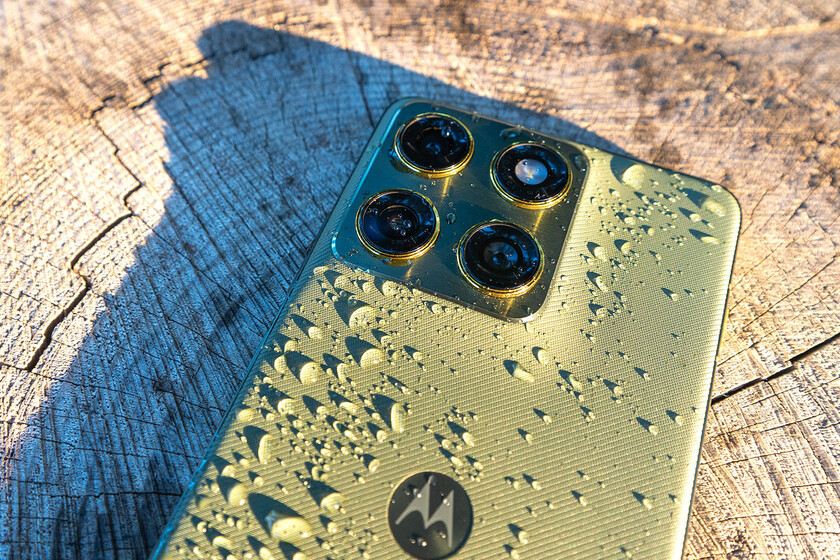
When a smartphone encounters liquid, swift and correct action is paramount to mitigating potential damage. A chronological approach is recommended:
- Power Off Immediately: The first and most critical step is to power down the device. Continuing to operate a wet phone can short-circuit internal components, leading to irreversible damage.
- Disconnect Peripherals: Unplug any headphones, charging cables, or other accessories.
- External Drying: Gently wipe the exterior of the phone with a soft, absorbent cloth. Avoid shaking the phone vigorously, as this can force water deeper into the device.
- Remove SIM Tray: If applicable, remove the SIM card tray to open a small egress point for moisture. Do not attempt to open the phone further unless you are a trained professional, as this can void warranties and cause more harm.
- Air Drying: Place the phone in a well-ventilated area, preferably with good airflow, for at least 24-48 hours. Using a fan can accelerate this process. Avoid direct heat sources like hair dryers or ovens, as excessive heat can damage internal components or adhesive seals.
- Avoid Traditional Myths: The common advice to bury a wet phone in a bowl of rice is largely ineffective and can even be detrimental. Rice dust can enter ports and cause further issues. Desiccant packets (like those found in new shoes or electronics) are a slightly better alternative due to their higher moisture absorption, but still not a guaranteed solution for internal water.
Once the phone has had ample time to dry externally, and if the primary issue appears to be muffled or distorted sound from the speakers, the next step might involve a targeted acoustic cleaning method. This approach specifically addresses the presence of residual water or fine particles within the speaker cavities, which are often the last areas to dry or clear naturally.
Acoustic Redemption: How Sound Waves Clear Your Speakers
The principle behind using acoustic frequencies to clean smartphone speakers is rooted in basic physics: vibration. When a speaker cone vibrates rapidly at specific frequencies, it creates pressure waves. These waves can be harnessed to physically dislodge and expel small amounts of liquid or tiny solid particles trapped within the speaker grille and diaphragm.
The method typically involves playing a continuous tone or a sequence of tones at varying frequencies, often ranging from low (e.g., 100-200 Hz) to high (e.g., 10,000-20,000 Hz). The most commonly cited effective frequency for expelling water is around 165 Hz, as this specific vibration frequency is believed to create a resonance that effectively shakes out water droplets. As the speaker vibrates intensely, it literally "pushes" the water droplets out of the tiny openings, often visible as small beads of water forming on the surface of the speaker grille.
Numerous resources exist online that offer these acoustic solutions. Websites like Fix My Speakers and Water Eject provide simple web-based tools that generate these frequencies. Additionally, YouTube hosts a multitude of videos specifically designed for this purpose, such as the one referenced in the original article (e.g., a video titled "Eject Water From Phone Speaker" or similar). These videos often feature a visual representation of the sound waves and are typically a few minutes long, cycling through different frequencies.
To maximize effectiveness, it is recommended to:
- Increase Volume: Play the audio at the highest safe volume setting on your device. The stronger the vibration, the more likely it is to dislodge foreign matter.
- Position Correctly: Hold the phone with the affected speaker facing downwards to aid gravity in expelling water.
- Repeat if Necessary: For stubborn clogs or significant water ingress, repeating the process several times, with short breaks in between, can be beneficial.
- Gentle Taps: Some users report success by gently tapping the back of the phone while the frequencies are playing, further assisting in dislodging particles.
This method is particularly effective for speaker-specific issues. It’s a non-invasive, cost-free, and relatively quick solution that often restores audio clarity. The science is straightforward: sound is vibration, and targeted vibration can move small foreign bodies. However, it is crucial to understand its limitations. This method will not resolve issues arising from corroded circuits, damaged components beyond the speaker cavity, or significant internal liquid damage.
Beyond the Video: A Look at Alternative Cleaning Methods
While acoustic frequency videos are highly effective for speaker-specific water expulsion and minor particle removal, a broader ecosystem of cleaning solutions exists for various types of smartphone contamination.
- Specialized Apps: Several mobile applications, available on both iOS and Android platforms, offer similar acoustic cleaning functionalities, often with more advanced features like custom frequency generation or integrated diagnostic tools. These apps typically leverage the phone’s internal speakers to generate the necessary vibrations.
- Compressed Air: For dry dust and lint accumulation in speaker grilles, a can of compressed air can be used. However, caution is advised: use short, gentle bursts from a distance, and never directly into charging ports or other sensitive areas, as high pressure can damage internal components or force debris deeper.
- Soft Brushes and Isopropyl Alcohol: For stubborn dirt or grime on speaker grilles, a soft-bristled brush (like a new, clean toothbrush or a dedicated electronics cleaning brush) can be used. Lightly dampen the brush with a small amount of high-percentage (90%+) isopropyl alcohol. Isopropyl alcohol evaporates quickly and leaves no residue, making it safe for electronics, but direct application to the phone should be avoided.
- Professional Cleaning Kits: Many electronics stores sell dedicated smartphone cleaning kits that include various brushes, cloths, and non-abrasive cleaning solutions specifically formulated for device maintenance.
It is important to emphasize that any method involving physical contact with the speaker grilles or ports should be done with extreme care to avoid pushing debris further in or damaging delicate membranes. The acoustic method, by contrast, offers a non-contact solution, making it a safer first line of defense for water-related speaker issues.
When DIY Isn’t Enough: Professional Repair and Warranty Realities
Despite the efficacy of DIY methods for minor issues, there are clear instances when professional intervention becomes indispensable. If, after multiple attempts with acoustic cleaning, the speaker issues persist, or if other functionalities of the phone are compromised (e.g., charging problems, display glitches, persistent reboots), it indicates more severe internal damage.
- Corrosion: Water, especially conductive or corrosive liquids like saltwater, can cause rapid corrosion of circuit boards and connectors. This type of damage often manifests over time, with components failing days or weeks after the initial exposure. Acoustic cleaning cannot reverse corrosion.
- Component Failure: Liquid can short-circuit and permanently damage microchips, batteries, cameras, or other vital components. If the speaker issue is a symptom of broader internal damage, only professional repair or component replacement will suffice.
- Warranty Void: As previously noted, liquid damage typically voids manufacturer warranties. This means that any repairs will be out-of-pocket expenses. Manufacturers often use liquid damage indicators (LDIs), small stickers that change color when exposed to moisture, to determine if a device has sustained water damage.
When sending a phone for professional repair, it’s crucial to seek reputable service centers. Authorized service centers for specific brands (e.g., Apple Store for iPhones, Samsung Service Center for Galaxy phones) offer genuine parts and certified technicians, but often at a higher cost. Independent repair shops can offer more competitive pricing, but it’s important to verify their expertise and the quality of their replacement parts. The average cost for a speaker repair can range from $50 to $150, but if the issue is indicative of broader liquid damage, a full board repair or replacement could cost significantly more, potentially making a new device a more economical option.
Expert Perspectives: Manufacturers, Repair Shops, and Consumer Advocates
The differing perspectives of various stakeholders shed light on the complexities of smartphone water damage.
- Manufacturers: Companies like Apple, Samsung, and Google consistently advise users to avoid exposing their devices to liquids, even those with high IP ratings. Their official stance, as reflected in warranty exclusions, is a safeguard against liabilities arising from misuse or misinterpretation of "water resistance." They prioritize device longevity and performance under ideal conditions, making it clear that intentional or excessive liquid exposure is not part of the intended use.
- Independent Repair Shops: Technicians in independent repair shops often see the full spectrum of liquid damage. They generally view DIY methods like acoustic cleaning as useful for superficial issues, particularly for speaker problems, but caution against overreliance. "A video might clear out a few drops, but it won’t fix a corroded charging port or a damaged logic board," notes one technician from a prominent repair chain. They often emphasize that time is of the essence, and delayed professional intervention can turn a salvageable device into an irreparable one.
- Consumer Advocacy Groups: These organizations focus on consumer education, urging buyers to thoroughly understand product specifications and warranty limitations. They advocate for clearer communication from manufacturers regarding IP ratings and the distinction between water resistance and true water proofing. They also highlight the "right to repair" movement, which seeks to empower consumers with the tools and information to repair their own devices, promoting sustainability and reducing electronic waste.
The Broader Picture: Implications for Consumers and Industry
The ongoing battle against smartphone liquid damage has broader implications.
- Consumer Empowerment: The availability of effective DIY solutions like acoustic cleaning videos empowers users to attempt repairs, saving money and reducing immediate waste. This aligns with a growing global trend towards self-sufficiency in electronics maintenance.
- Environmental Impact: Every damaged smartphone that cannot be repaired contributes to the ever-growing mountain of electronic waste. Extending the life of a device, even through a simple speaker repair, has a positive environmental impact.
- Technological Advancements: The continuous challenge of water ingress drives innovation in smartphone design. Manufacturers are exploring advanced sealing techniques, hydrophobic coatings, and even portless designs to enhance water resistance further. However, the trade-off between durability and repairability remains a significant design consideration.
- Economic Landscape of Repair: The demand for smartphone repairs, both DIY and professional, fuels a significant industry. The effectiveness of simple fixes like acoustic cleaning might reduce the volume of minor repairs, allowing professional services to focus on more complex, high-value component damage.
Conclusion: Safeguarding Your Device in a Watery World
While modern smartphones boast impressive water resistance, they are far from immune to the perils of liquid exposure. The IP rating serves as a guideline, not a guarantee, and users must remain vigilant in protecting their devices. When accidental exposure leads to muffled or distorted speaker audio, a pragmatic, step-by-step approach is crucial. Beginning with immediate power-off and external drying, and then leveraging innovative acoustic frequency solutions, such as those found in specialized videos or apps, can often resolve minor speaker issues quickly and cost-effectively. However, recognizing the limits of DIY remedies is equally vital. For persistent problems or signs of more extensive internal damage, professional repair remains the most reliable path to full device recovery, albeit one that typically comes with an out-of-pocket expense due to warranty exclusions. Ultimately, a combination of cautious use, informed decision-making, and an understanding of available repair options offers the best defense against the ubiquitous threat of smartphone liquid damage.
