
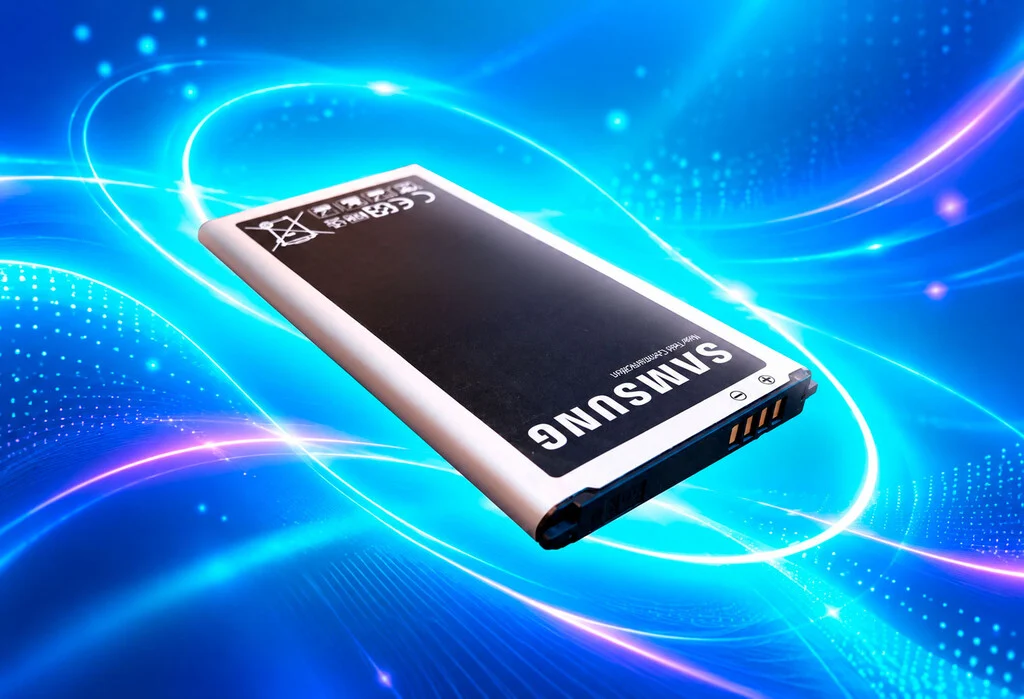

Every smartphone exits the manufacturing facility with a pristine, high-capacity battery, optimized for peak performance from the moment it is activated. However, this component is inherently ephemeral. While users often view their mobile devices as monolithic blocks of hardware, the battery acts more like a living, organic system subject to the laws of electrochemistry. Its functional life is not governed by a static expiration date but by a complex interplay of thermal management, charging habits, and chemical degradation. To understand why two identical devices, purchased on the same day, can exhibit vastly different levels of battery health after a year, one must delve into the microscopic interactions occurring within the battery cells themselves.
The Chemistry of Decay: How Lithium-Ion Cells Age
Modern smartphones rely almost exclusively on lithium-ion (Li-ion) battery technology. The process of generating power is rooted in a reversible chemical reaction. During charging, lithium ions migrate through an electrolyte solution from the cathode to the anode, where they are stored. During the discharge phase—when you are using your phone—these ions traverse the path in reverse, releasing electrons that flow through the device’s external circuitry to power the processor, display, and radios.
This migration is not a perfectly efficient process. Over time, the electrolyte experiences microscopic structural changes, and the buildup of a solid electrolyte interphase (SEI) layer on the electrodes begins to impede the flow of ions. This physical degradation translates into a reduction in the maximum charge capacity the battery can hold. Effectively, the "bucket" that holds the energy gets smaller with every full charge cycle.
A "cycle" is defined as the usage of 100% of the battery’s capacity, though this does not necessarily mean a single drain from 100% to 0%. If a user drains 50% one day and 50% the next, that constitutes one cycle. While manufacturers often estimate that a battery will retain 80% of its original capacity after 500 to 800 full charge cycles, this is an average, not a guaranteed mathematical certainty.
A Chronology of Battery Stress: From Factory to Consumer
The timeline of a battery’s life begins well before the user unboxes the device. Battery cells are sensitive to storage conditions; if a device sits in a warehouse for months without a maintenance charge, the chemical potential can drift. Once the consumer begins daily usage, the "aging" process accelerates based on three primary variables:
- Thermal Exposure: Heat is the primary catalyst for chemical breakdown. Ambient temperatures above 35°C (95°F) can cause permanent damage to the electrolyte, while extreme cold can temporarily inhibit ion flow, causing erratic voltage readings.
- State of Charge (SoC) Extremes: Lithium-ion batteries are under the most physical stress when they are held at either 100% capacity or near 0%. The "sweet spot" for chemical stability is typically between 20% and 80%.
- Charging Intensity: Fast-charging technologies, while convenient, generate significant heat. Frequent use of high-wattage chargers can accelerate the degradation of the anode structure compared to slower, more temperate charging methods.
Data-Driven Diagnostics: The Metrics That Matter
Users today have access to diagnostic tools that provide insight into the "health" of their battery. The two primary metrics are "Maximum Capacity" (the percentage of the original capacity the battery can currently hold) and "Cycle Count" (the total number of full discharge/charge cycles completed).
Industry analysts note that these numbers serve as a barometer for the device’s overall longevity. For instance, a device showing 85% battery health after 200 cycles suggests an aggressive usage pattern or exposure to suboptimal temperatures. Conversely, a device at 95% health after 500 cycles indicates a user who likely adheres to better battery hygiene, such as avoiding overnight charging or using optimized charging software features.
Comparative Analysis: Why Devices Diverge
Why do two identical phones exhibit different degradation curves? The answer lies in the "usage profile." A device used primarily for high-intensity tasks, such as 4K video editing or high-frame-rate gaming, will generate more internal heat than a device used for text messaging and browsing. Even software optimization plays a role; background applications that poll GPS or maintain constant network connectivity prevent the battery from entering a deep sleep state, forcing more frequent micro-cycles.
Engineers at major manufacturers often point out that the software managing the battery—the Battery Management System (BMS)—is as critical as the hardware itself. Modern operating systems now include "Optimized Battery Charging," which pauses the charge at 80% until the user is ready to start their day. This reduces the time the battery spends in a high-stress state, effectively extending its total lifespan by months.

Industry Response and Sustainability Implications
The right-to-repair movement and increasing regulatory pressure, particularly in the European Union, have forced manufacturers to be more transparent about battery health. Recent legislative trends require that batteries be more accessible for replacement and that diagnostic information be easily available to the end user.
Manufacturers are also increasingly using software to limit the impact of degradation. For example, by slowing down the processor (thermal throttling) when a battery can no longer provide the necessary peak voltage, companies can prevent unexpected shutdowns, though this often leads to a perceived loss of performance by the user. This creates a difficult trade-off: replace the battery to regain speed, or accept the software-imposed limitations.
The Long-Term Outlook: What Should Users Expect?
As smartphones become more central to daily life, the expectation for hardware longevity has grown. Consumers should view the battery as a consumable component, similar to the tires on a vehicle. Expecting a battery to perform at 100% capacity for five years is physically impossible under current chemical limitations.
For most users, a battery health drop to 80% typically occurs between the second and third year of moderate usage. At this threshold, users may notice significant drops in screen-on time and potential performance stutters. While some users may be tempted to upgrade their entire handset, the most sustainable and cost-effective approach remains replacing the battery cell.
Strategic Maintenance Recommendations
To maximize the lifespan of a smartphone battery, experts recommend a shift in daily habits:
- Avoid Extreme Heat: Never leave a device in a vehicle or in direct sunlight.
- Optimize Charging: Utilize features that cap the charge at 80% if the device is plugged in for long periods.
- Monitor Usage: Use built-in OS tools to identify applications that consume excessive energy in the background.
- Contextualize Data: Do not obsess over the percentage number. A battery is meant to be used. If the device comfortably lasts through the day, the chemical degradation is within acceptable parameters.
In summary, while the chemistry of the lithium-ion battery is fixed by the laws of physics, the rate at which it declines is highly variable and responsive to user behavior. By understanding the underlying mechanics—the movement of ions, the impact of heat, and the definition of a cycle—users can extend the functionality of their devices and make informed decisions regarding maintenance versus replacement. The goal is not to preserve the battery in a state of perfect health forever, but to manage its decline in a way that aligns with the intended lifecycle of the hardware itself.
As technology advances, we may see the introduction of solid-state batteries or alternative chemistries that are more resilient to the degradation described here. Until then, the relationship between the user and their device remains a symbiotic one: the device provides the utility, and the user, through careful charging and thermal management, provides the conditions for a longer, more reliable life. As the industry moves toward 2026 and beyond, the transparency of battery data will likely become a primary factor in consumer purchasing decisions, further emphasizing that a phone is only as good as the energy source powering its silicon heart.
