

Batteries are unequivocally one of the most critical components of our mobile devices, serving as the lifeblood that dictates their operational longevity and daily autonomy. Their pivotal role, however, has inadvertently fostered a fertile ground for a multitude of persistent myths and misconceptions, many of which stem from outdated technologies and continue to influence user behavior in the digital age. Despite significant advancements in power management and battery chemistry, these inherited beliefs often lead to unnecessary anxiety and, at times, suboptimal charging practices among smartphone users worldwide. Understanding the true capabilities and limitations of modern smartphone batteries is essential for maximizing their lifespan and ensuring consistent device performance.
A Legacy of Misconceptions: Understanding Battery Evolution
The prevalence of battery myths is largely rooted in the rapid evolution of power storage technologies. For decades, consumer electronics relied heavily on Nickel-Cadmium (NiCd) batteries, which were notorious for what became known as the "memory effect." This phenomenon, scientifically described as voltage depression, occurred when NiCd batteries were repeatedly charged before being fully discharged. Over time, the battery would "remember" its shallower discharge point, leading to a perceived reduction in capacity and a need for full discharge cycles to "recondition" the battery. This historical characteristic ingrained a charging discipline—or rather, a fear—that users carried forward into subsequent battery generations.
The transition from NiCd to Nickel-Metal Hydride (NiMH) batteries offered improvements in energy density and reduced toxicity but still exhibited a milder form of the memory effect. However, the true paradigm shift arrived with the widespread adoption of Lithium-ion (Li-ion) batteries in the early 2000s, which swiftly became the standard for smartphones, laptops, and other portable devices. Li-ion chemistry operates on a fundamentally different principle, involving the movement of lithium ions between anode and cathode during charge and discharge cycles, without the crystal formation issues that plagued NiCd cells. This crucial chemical distinction renders the memory effect entirely irrelevant for modern Li-ion batteries. Subsequent advancements, such as Lithium-polymer (Li-Po) and experimental silicon-carbon technologies, have further refined this chemistry, offering enhanced energy density, faster charging capabilities, and improved safety features, yet the ghost of NiCd’s memory effect continues to haunt contemporary battery discussions.
Myth Debunked: The Truth About Overnight Charging
One of the most pervasive myths asserts that leaving a smartphone connected to its charger overnight is detrimental to the battery’s health. This belief, often fueled by concerns about overcharging and overheating, posits that continuous charging beyond 100% capacity will degrade the battery prematurely. However, this concern is largely a relic of past technologies and a misunderstanding of how modern smartphones and their power management systems operate.
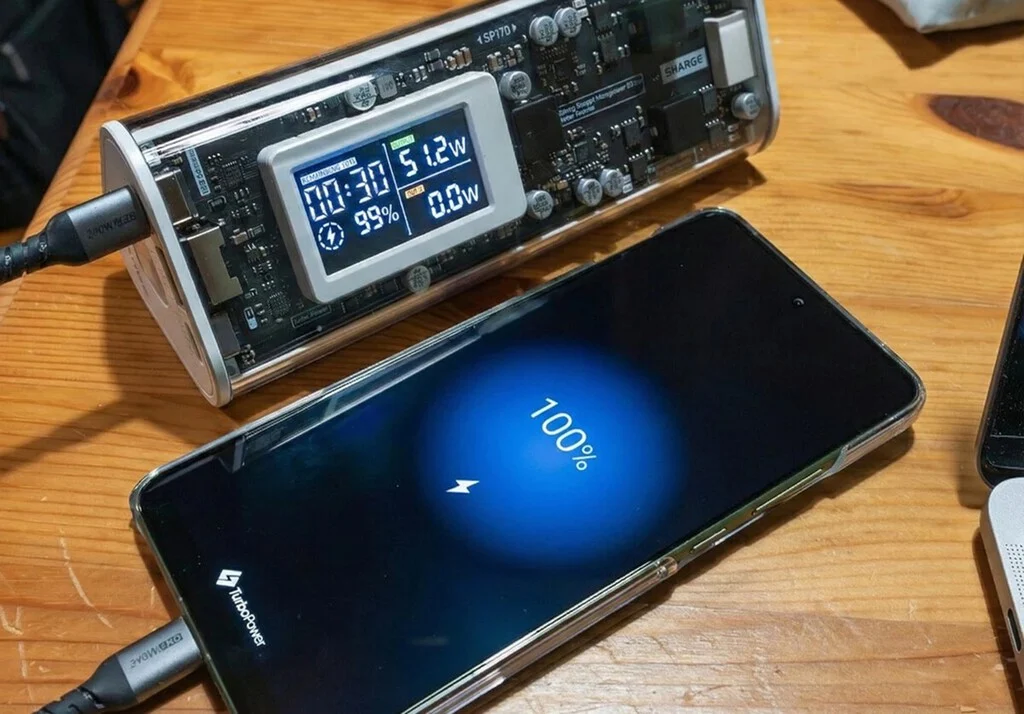
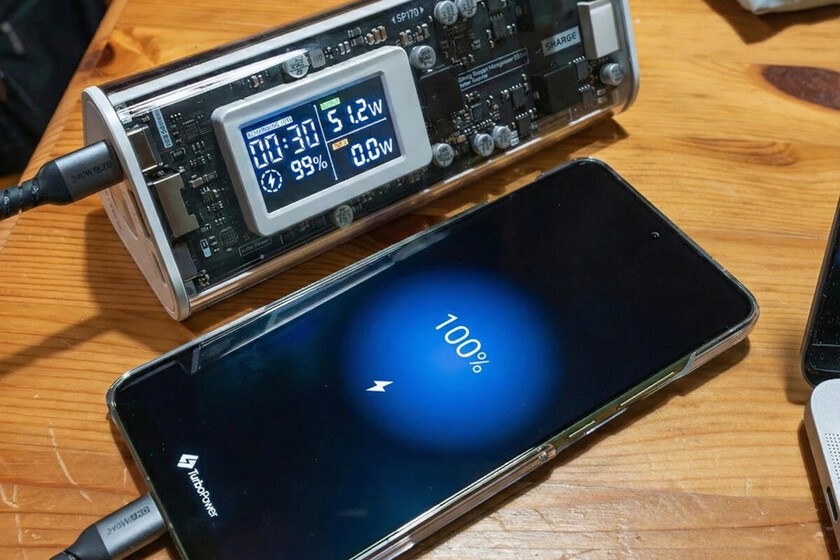
Today’s smartphones, equipped with sophisticated Battery Management Systems (BMS), are engineered to prevent overcharging. When a Li-ion battery reaches its full charge capacity, the BMS intelligently cuts off the incoming power flow from the charger. The device then operates directly on external power, bypassing the battery, effectively preventing it from being continuously "stuffed" with energy. This means that once your phone hits 100%, it ceases to draw current into the battery cells. Should the battery level naturally drop slightly overnight due to minimal background processes—perhaps by 1-2%—the BMS will initiate a small "trickle charge" to bring it back to 100%, then disconnect again. This cycle of minor discharge and brief recharge is minimal and has a negligible impact on the overall lifespan of the battery.
Thermal management is another critical aspect. Older charging technologies or faulty chargers could indeed lead to overheating, which is a significant accelerator of battery degradation. Modern smartphones and certified chargers, however, incorporate multiple sensors and safety protocols to monitor temperature. If the device detects excessive heat during charging, it will either slow down the charging process or temporarily pause it until temperatures normalize. This proactive thermal management ensures that the battery operates within safe temperature ranges, even during extended charging periods. Major manufacturers, including Apple and Samsung, have also implemented "optimized battery charging" features. These intelligent algorithms learn a user’s charging patterns and will often hold the charge at around 80% for most of the night, only topping it up to 100% closer to the user’s typical wake-up time. This strategy minimizes the time the battery spends at a full charge, which is a known factor in prolonging its overall chemical lifespan. According to a 2022 study by Battery University, minimizing the time a Li-ion battery spends at 100% charge and avoiding frequent deep discharges can significantly extend its useful life, often by 15-20%.
Beyond the "Memory Effect": Why Full Discharges Are Obsolete
The "memory effect" myth continues to inform the misguided practice of deliberately draining a smartphone battery to 0% before recharging it. As previously established, this phenomenon is non-existent in modern Li-ion and Li-Po batteries. In fact, for these battery types, allowing a complete discharge can be more harmful than beneficial.
Li-ion batteries prefer to operate within a certain voltage range. Draining them to critically low levels (often below 2.5V per cell) can cause irreversible chemical reactions that reduce their overall capacity and stability. This condition, known as "deep discharge," can make the battery unable to hold a charge effectively or, in extreme cases, prevent it from charging altogether. The BMS in modern smartphones is designed to protect against deep discharge by automatically shutting down the device before the battery voltage drops to dangerously low levels. This is why a phone might show 0% and turn off, but the battery cells themselves still retain a minimal charge to prevent damage.
The only scenario where a full discharge might be recommended for a modern smartphone battery is during a calibration process. If a device’s battery gauge becomes inaccurate over time—meaning the software’s reported percentage doesn’t align with the battery’s actual charge level—a full discharge followed by a full recharge can help recalibrate the system. However, this is not a regular maintenance task and should only be performed when necessary, and ideally, under manufacturer guidance. For typical daily use, deliberately running the battery down to zero offers no benefits and carries potential risks.
Optimizing Longevity: Modern Best Practices for Smartphone Batteries
While many historical myths have been debunked, there are still practical, fact-based strategies that can contribute to the longevity and performance of modern smartphone batteries. These best practices are not about achieving "eternal" batteries, but rather about mitigating the natural chemical degradation that occurs over time.
- Maintain Moderate Charge Levels: Battery experts and manufacturers generally advise keeping Li-ion batteries charged between 40% and 80% whenever possible. This "sweet spot" minimizes stress on the battery’s internal chemistry. Constantly charging to 100% or frequently discharging below 20% can accelerate wear. While it’s not always practical to adhere strictly to this range, particularly during busy days, making an effort to top up the battery throughout the day rather than waiting for it to drop significantly can be beneficial.
- Avoid Extreme Temperatures: High temperatures are the single greatest enemy of Li-ion batteries. Exposure to direct sunlight, leaving a phone in a hot car, or using it intensively while charging in a warm environment can significantly degrade the battery over time. Conversely, extremely cold temperatures can also temporarily reduce battery performance and, if severe enough, cause permanent damage. Always strive to keep your device within its recommended operating temperature range, typically between 0°C and 35°C (32°F and 95°F).
- Use Quality Chargers and Cables: While a generic charger might seem like a cost-saving measure, using uncertified or low-quality charging accessories can pose risks. Reputable chargers are designed with specific voltage and current outputs that match your device’s requirements and incorporate safety features to prevent overcharging, overheating, and short circuits. Using a charger that doesn’t meet these specifications can lead to slower charging, excessive heat generation, or even damage to the device and its battery.
- Software Optimization: Modern smartphone operating systems (like iOS and Android) include features designed to optimize battery life. These range from adaptive brightness and dark mode to more advanced "optimized charging" and "adaptive battery" functionalities that learn usage patterns and manage app power consumption. Regularly updating your device’s software ensures you benefit from the latest battery efficiency improvements and bug fixes.
- Minimize Fast Charging When Not Necessary: While fast charging is incredibly convenient, it typically involves higher voltages and currents, which can generate more heat. If you have ample time, using a standard charger or a slower charging mode can slightly reduce thermal stress on the battery, potentially extending its lifespan. However, the impact is often marginal with modern, well-regulated fast chargers.
The Role of Manufacturers and Software Innovation
Smartphone manufacturers play a crucial role in dispelling battery myths and educating consumers. Through integrated software features and public communications, they strive to demystify battery care. Apple’s "Optimized Battery Charging" and Android’s "Adaptive Battery" are prime examples of this commitment. These features leverage machine learning to understand user habits and dynamically manage charging cycles, ensuring batteries are treated optimally. For instance, Optimized Battery Charging learns a user’s daily routine, such as when they typically wake up, and charges the iPhone past 80% only when it predicts the user will need it, minimizing the time spent at full charge. Similarly, Android’s Adaptive Battery uses AI to prioritize power for frequently used apps and limit it for rarely used ones, extending daily endurance.
Beyond software, hardware innovations continue to push the boundaries of battery longevity and safety. Advanced cooling systems, more efficient power delivery circuits, and even the chemical composition of the battery cells themselves are constantly being refined. These advancements are aimed at making batteries more resilient to daily wear and tear, reducing the impact of factors like temperature and charge cycles, and ultimately, ensuring a more consistent user experience over the device’s lifespan.

The Broader Implications: Consumer Behavior and Environmental Impact
The persistence of battery myths has broader implications beyond individual device performance. Misconceptions often lead consumers to believe their batteries are degrading faster than they actually are, prompting premature device upgrades. This contributes to a cycle of consumption, increasing electronic waste (e-waste) and the demand for new resources. E-waste is a growing environmental concern, as discarded electronics often contain hazardous materials that can pollute soil and water if not properly recycled.
By providing accurate information and debunking myths, the industry can empower consumers to make more informed decisions, potentially extending the useful life of their devices. A longer device lifespan translates into reduced e-waste and a more sustainable approach to technology consumption. Furthermore, unnecessary anxiety about battery health detracts from the user experience, whereas a clear understanding fosters confidence in their device’s capabilities.
The Future of Power: What’s Next for Smartphone Batteries
The quest for longer-lasting, faster-charging, and safer batteries is relentless. Research and development are actively exploring next-generation technologies that could further revolutionize mobile power. Solid-state batteries, for instance, promise higher energy density, faster charging speeds, and improved safety compared to current Li-ion technology, by replacing liquid electrolytes with solid ones. Sodium-ion batteries are also gaining traction as a potential alternative, offering lower cost and greater abundance of materials, though currently with slightly lower energy density. Advancements in silicon-anode batteries are also being explored, aiming to significantly increase energy storage capacity within existing form factors.
These future innovations will undoubtedly bring their own set of characteristics and, perhaps, new myths to debunk. However, the fundamental principles of intelligent power management and protection against extreme conditions are likely to remain central to battery care. As technology evolves, continuous education will be vital to ensure users can fully leverage the capabilities of their devices without succumbing to outdated fears.
In conclusion, the modern smartphone battery is a marvel of engineering, equipped with sophisticated management systems that render many traditional charging anxieties obsolete. While prudent care, such as avoiding extreme temperatures and maintaining moderate charge levels, remains beneficial, the widespread fear of overnight charging or the need for complete discharge cycles is unfounded. By embracing the realities of current battery technology, users can confidently power their devices, extending their lifespan and contributing to a more sustainable technological ecosystem.
