
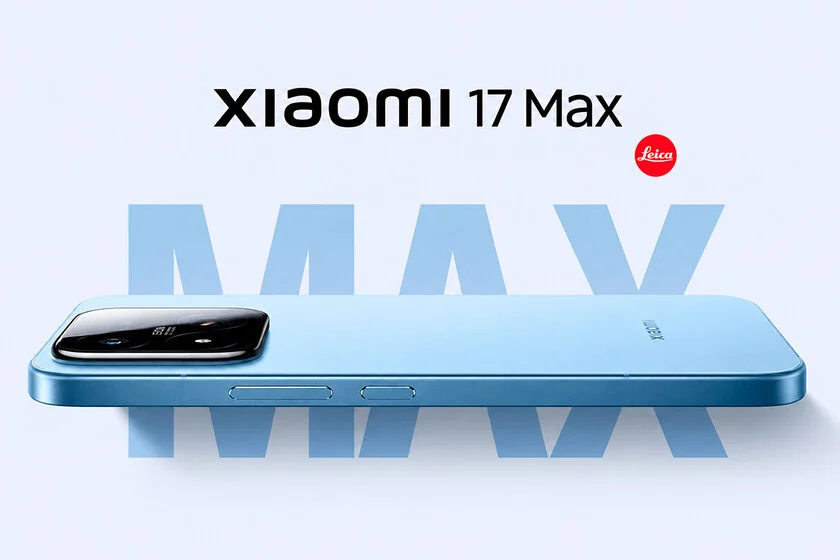

Xiaomi, a brand synonymous with relentless innovation and a forward-looking product development strategy, appears poised to disrupt the high-end smartphone market once again. Far from resting on its laurels with established flagships like the anticipated Xiaomi 17 series, the company is reportedly preparing to launch an even more formidable device: the Xiaomi 17 Max. Leaks and industry whispers suggest this new iteration will elevate the "Max" concept to unprecedented levels, primarily through an enormous 8,000 mAh silicon-carbon battery, promising unparalleled endurance alongside a suite of premium specifications. This move underscores Xiaomi’s ambition to cater to a segment of users for whom battery life is not just a feature, but a paramount requirement.
Xiaomi’s Legacy of Innovation and the "Max" Philosophy
Xiaomi’s product strategy has consistently revolved around pushing the boundaries of technology and offering compelling value across various market segments. From its early days, the company has cultivated a reputation for aggressive specification upgrades and rapid iteration. The "Max" designation within Xiaomi’s product hierarchy has traditionally signified devices that prioritize larger form factors, expansive displays, and, critically, extended battery life. This philosophy has been evident in previous iterations, albeit often within its sub-brands like POCO and Redmi, which have featured batteries exceeding 8,000 mAh. For instance, the POCO X8 Pro Max boasted an 8,500 mAh cell, the Redmi K90 Max a substantial 8,550 mAh, and the Redmi Turbo 5 Max pushed the envelope further with a staggering 9,000 mAh. The rumored 8,000 mAh battery in the main-brand Xiaomi 17 Max would represent the largest capacity ever integrated into a flagship device under the primary Xiaomi marque, signaling a direct commitment to endurance within its premium lineup. This strategic choice reflects a growing market demand for devices that can keep pace with increasingly demanding usage patterns, from extensive gaming and multimedia consumption to prolonged professional use on the go.
The adoption of silicon-carbon battery technology is crucial to achieving such high capacities without significantly compromising device thickness or weight. Traditional lithium-ion batteries are reaching their practical limits in terms of energy density within compact smartphone designs. Silicon-carbon anodes allow for a much higher energy density compared to conventional graphite anodes, meaning more energy can be stored in the same volume. This technological advancement is a key enabler for the Xiaomi 17 Max’s rumored battery prowess, allowing it to house an 8,000 mAh cell while maintaining a potentially manageable form factor. This focus on battery innovation is not merely about capacity but also about the underlying chemistry that makes such a leap possible, hinting at a broader trend in smartphone battery development.
Chronology of Leaks and Anticipated Launch
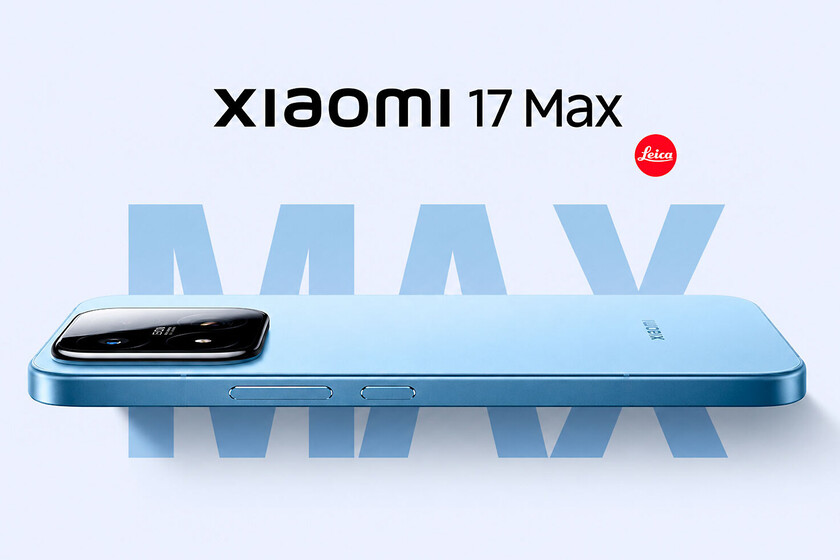
The information surrounding the Xiaomi 17 Max has primarily surfaced through a series of credible leaks and industry reports, notably from Chinese technology news outlets and well-known tipsters like Abhishek Yadav, whose renders often accompany these revelations. While Xiaomi has yet to officially confirm the device or its specifications, the consistency and detail of these leaks lend significant plausibility to their accuracy. The prevailing sentiment is that the Xiaomi 17 Max is not a distant future concept but rather a product nearing completion. Rumors suggest an official unveiling and market availability in China before the end of May, positioning it as an imminent addition to Xiaomi’s formidable smartphone portfolio. Historically, Xiaomi often launches its most cutting-edge devices in its home market first, gauging consumer reaction and refining the product before a potential wider global release, sometimes under different branding or with slight modifications tailored to international markets. The timing places the 17 Max firmly within the current competitive cycle of high-end Android flagships, setting it up for direct comparison with established players and other innovators.
Deep Dive into Cutting-Edge Specifications
Beyond its headline-grabbing battery, the Xiaomi 17 Max is expected to come equipped with a comprehensive suite of top-tier specifications, reinforcing its flagship status.
Unprecedented Battery Life and Advanced Charging:
The 8,000 mAh silicon-carbon battery is undoubtedly the centerpiece of the Xiaomi 17 Max. This immense capacity is projected to deliver multi-day usage for most users, a significant advantage in an era where daily charging is the norm. For power users, mobile gamers, and those who frequently travel or work remotely, this could translate into unprecedented freedom from power outlets. Complementing this robust battery, the device is rumored to support rapid charging technologies: 100W wired fast charging and a highly competitive 50W wireless charging. While the wireless charging speed remains less definitively confirmed by all sources, the 100W wired charging capability is particularly noteworthy. Such a high wattage could potentially fully recharge the 8,000 mAh battery in a remarkably short timeframe, possibly under 40 minutes, minimizing downtime. This combination of massive capacity and ultra-fast charging addresses both endurance and convenience, a critical dual challenge in modern smartphone design.
Immersive Display Technology:
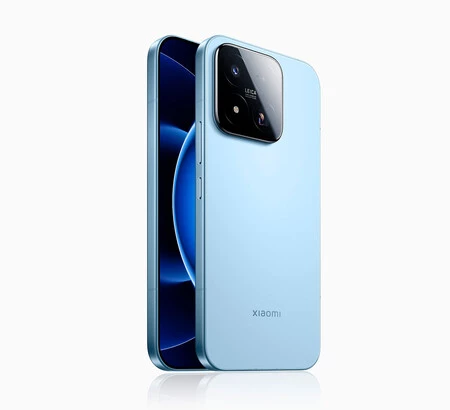
The visual experience on the Xiaomi 17 Max is expected to be nothing short of spectacular. Leaks point to a sprawling 6.9-inch flat LTPO AMOLED display with a 1.5K resolution. The LTPO (Low-Temperature Polycrystalline Oxide) technology is particularly significant, enabling dynamic refresh rates that can scale from 1Hz to 120Hz. This adaptability allows the screen to conserve power when displaying static content while providing buttery-smooth visuals during scrolling, gaming, and video playback. A 1.5K resolution strikes a balance between crispness and power efficiency, offering a pixel density that is more than sufficient for a vibrant viewing experience without the excessive power draw of a 2K or 4K panel on a mobile device. Furthermore, the display is rumored to achieve an astonishing peak brightness of 3,800 nits, ensuring exceptional visibility even under direct sunlight and delivering stunning HDR content playback. Protection comes in the form of Dragon Crystal Glass 3.0, Xiaomi’s proprietary toughened glass, promising enhanced durability and scratch resistance, a crucial feature for such a large and prominent display.
Flagship Performance and Memory:
At the core of the Xiaomi 17 Max’s processing power is the Qualcomm Snapdragon 8 Elite Gen 5, the same cutting-edge system-on-a-chip (SoC) rumored for the Xiaomi 17 Ultra. This processor is expected to deliver unparalleled performance, handling the most demanding applications, high-fidelity gaming, and complex AI tasks with ease. Its advanced architecture will likely feature significant improvements in CPU, GPU (Adreno 840), and NPU (Neural Processing Unit) performance, coupled with superior power efficiency. To support this powerhouse SoC, the device will reportedly incorporate the latest LPDDR5X RAM, ensuring lightning-fast multitasking and app loading. While specific capacities are not yet confirmed, it is highly probable that the 17 Max will be offered with configurations up to 16GB of RAM. Storage will be equally robust, utilizing UFS 4.0, the fastest flash storage standard available, likely with options extending to 1TB, providing ample space for high-resolution media, games, and applications.
Advanced Triple Camera System:
Photography enthusiasts will find a compelling camera setup on the Xiaomi 17 Max, featuring a triple rear camera configuration designed for versatility and high-quality imaging. The primary sensor is rumored to be a 200-megapixel Samsung ISOCELL HPE, a substantial 1/1.4-inch sensor capable of capturing immense detail. This sensor will likely employ advanced pixel-binning technology (e.g., 16-in-1 pixel binning) to produce stunning 12.5-megapixel images with enhanced light gathering capabilities, especially beneficial in low-light conditions. Complementing the main sensor is a 50-megapixel periscopic telephoto lens, likely featuring a Sony IMX8 sensor of 1/1.95 inches, offering 3x optical zoom. This periscope design allows for greater focal lengths within a thin smartphone body, enabling impressive zoom capabilities without digital degradation. The third lens is a 50-megapixel ultra-wide-angle camera, perfect for expansive landscapes, architectural shots, and group photos. For selfies and video calls, a 32-megapixel front-facing camera is expected to deliver crisp and detailed images. Notably, the Xiaomi 17 Max is rumored not to include the secondary rear display found on some "Pro" models, suggesting a design choice that prioritizes internal component space for the large battery or a more streamlined aesthetic.
Software Experience: HyperOS and Android 16:
The Xiaomi 17 Max is expected to launch with the latest software iterations, running HyperOS 3.1 atop Android 16. HyperOS, Xiaomi’s proprietary operating system, represents a significant evolution from MIUI, aiming to provide a seamless, interconnected experience across Xiaomi’s vast ecosystem of devices. HyperOS 3.1 will likely introduce further optimizations for performance, battery management, and user interface refinements, potentially integrating advanced AI features that leverage the Snapdragon 8 Elite Gen 5’s NPU. Android 16, while still in development for the broader Android ecosystem, would ensure the device benefits from the latest security updates, privacy enhancements, and new functionalities from Google, offering a future-proof software experience.
Market Implications and Competitive Landscape

The introduction of the Xiaomi 17 Max, with its focus on extreme battery endurance, would carve out a distinct niche in the highly competitive premium smartphone market. This device would directly appeal to a specific demographic: users who are frustrated by short battery lives, require their phone to last through extended workdays or travel, or engage in power-intensive activities like cloud gaming and high-resolution video streaming.
In terms of competition, the Xiaomi 17 Max would stand apart from many conventional flagships from rivals like Samsung, Apple, and Google, which typically prioritize slimness and camera prowess over raw battery capacity. While some gaming phones or rugged smartphones offer large batteries, the 17 Max aims to deliver this endurance within a sleek, premium flagship package, combining top-tier performance and photography with its defining battery feature. This strategy could attract users who might otherwise consider devices like the ASUS ROG Phone series for gaming endurance or simply those seeking a phone that doesn’t demand mid-day recharging. Xiaomi’s pricing strategy, though currently unconfirmed, will be critical. Given its flagship specifications, it is expected to command a premium price, but if positioned competitively against other high-end devices, its unique selling proposition could secure a significant market share.
The potential initial launch exclusive to China is a typical Xiaomi strategy, allowing them to refine the product and gather feedback before a broader global rollout. This also allows Xiaomi to leverage its strong brand presence and distribution network in its home market first. A global launch would undoubtedly intensify competition in markets where battery life is a key consumer concern, particularly in regions with less consistent access to charging infrastructure or where prolonged outdoor activities are common. The device could set a new benchmark for battery performance in the mainstream flagship segment, influencing future design choices across the industry.
Conclusion
The rumored Xiaomi 17 Max represents a bold statement from Xiaomi, signaling a strategic pivot towards addressing one of the most persistent pain points for smartphone users: battery anxiety. By integrating an unprecedented 8,000 mAh silicon-carbon battery with a top-tier Snapdragon 8 Elite Gen 5 processor, a stunning LTPO AMOLED display, and a versatile 200-megapixel camera system, the 17 Max is poised to be more than just another flagship. It promises to be an endurance champion, offering a blend of power, longevity, and premium features that could redefine expectations for high-end smartphones. While these details remain subject to official confirmation, the consistent nature of the leaks suggests that Xiaomi is on the cusp of launching a device that could significantly impact the market, appealing directly to power users and setting a new standard for battery life in the flagship segment. The technology world awaits the official unveiling of what could be a truly groundbreaking device.
