
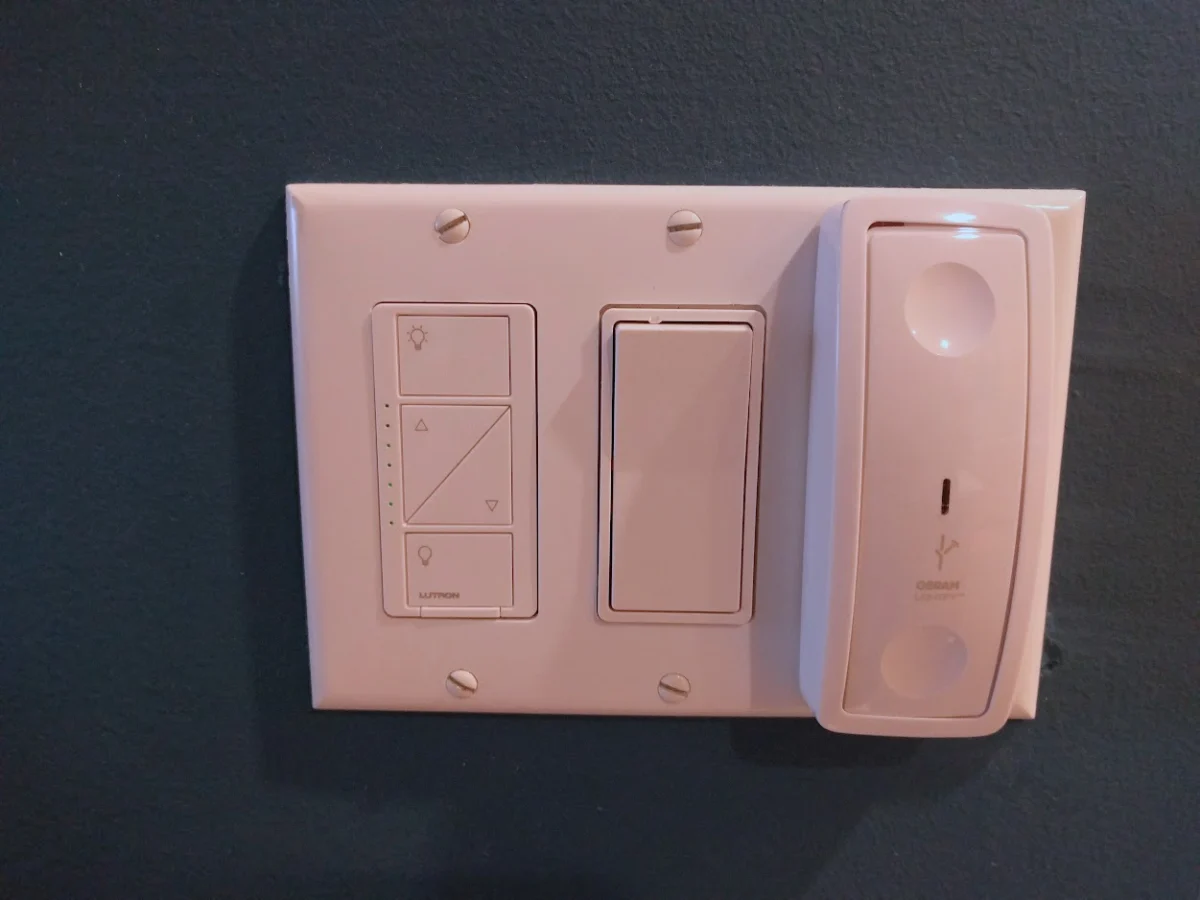

The Internet of Things (IoT) Podcast has aired its final episode, bringing to a close an eight-year run that chronicled the dynamic evolution of connected devices and smart home technology. In its concluding installment, titled "Episode 437: Goodbye and good luck," the hosts eschewed discussions of breaking news, such as Arm’s planned initial public offering (IPO), Brilliant’s new display options, or Leviton’s latest smart circuit breakers. Instead, the episode focused on the hosts’ personal journeys, their reasons for stepping back from the show, and their future endeavors. A significant portion of the broadcast was dedicated to sharing curated resources for listeners seeking continued engagement with IoT news and insights, alongside a final listener question that prompted reflection on the definition of a complete smart home and the drivers of future innovation in the sector.
A Fond Farewell and a Look Ahead
The decision to conclude "The Internet of Things Podcast" marks the end of a significant era in tech journalism, during which the hosts provided consistent coverage and analysis of a rapidly developing industry. Their departure is not a signal of disinterest in the IoT space, but rather a pivot towards new opportunities and personal growth. The hosts expressed gratitude for the dedicated listenership and the community that has formed around the podcast over the past eight years. This final episode served as a platform to articulate their motivations for moving on and to offer guidance to those who wish to stay informed about the ever-expanding world of connected technologies.
The hosts emphasized that their decision was not sudden but a carefully considered transition. They highlighted the immense growth and maturation of the IoT landscape since the podcast’s inception in 2015. What began as a niche discussion for early adopters has evolved into a mainstream phenomenon, impacting diverse sectors from consumer electronics to industrial automation. The hosts’ commitment to providing insightful commentary throughout this transformation has been a hallmark of their work.
Recommended Resources for Staying Informed
Recognizing that listeners will continue to seek high-quality information on IoT, the hosts offered a comprehensive list of their preferred resources. This curated selection reflects their deep engagement with the industry and their understanding of what constitutes reliable and insightful reporting.
Podcasts:
- The Mr. Beacon Show: Known for its in-depth interviews and focus on the practical applications of IoT, this podcast offers a valuable perspective on the industry’s cutting edge.
- The IoT Podcast: The hosts’ own archive, representing years of discussions and analyses, remains a rich repository of IoT history and trends.
Online Publications:
- The Verge: A leading technology news outlet that consistently provides comprehensive coverage of consumer electronics, smart homes, and emerging technologies. Jennifer Pattison Tuohy, a prominent voice from The Verge, was a featured guest on the final episode.
- TechHive: This publication offers practical advice and reviews for smart home enthusiasts and technology consumers, bridging the gap between complex technology and everyday use.
- The Ambient: Focused on smart living and the connected home, The Ambient provides insights into product development, user experiences, and the broader societal implications of IoT.
- The Journal of Innovation: Published by the Industrial IoT Consortium, this academic and industry-focused journal delves into the technical advancements and strategic considerations driving industrial IoT adoption.
Community Forums and Newsletters:
- Reddit (r/smarthome and r/homeautomation): These active online communities serve as vital hubs for user-generated content, troubleshooting, and discussions among smart home enthusiasts and professionals.
- RCR Wireless: Specifically for industrial IoT news, the hosts highlighted the work of journalists like James Blackman for their in-depth reporting on enterprise-level IoT deployments and trends.
- Axios Pro Rata newsletter (Dan Primack): This newsletter provides crucial insights into venture capital funding, mergers, and acquisitions within the tech industry, offering a financial perspective on IoT company growth and consolidation.
- Target is New (Iskander Smit): This newsletter is recommended for its thoughtful analysis of IoT, Artificial Intelligence, and design, offering a more philosophical and strategic outlook on technology’s future.
The inclusion of these diverse resources underscores the hosts’ commitment to fostering a well-informed community, even as they transition away from producing their own content.
A Deep Dive with Jennifer Pattison Tuohy
The penultimate segment of the final episode featured an in-depth conversation with Jennifer Pattison Tuohy, a respected journalist from The Verge. Having covered the smart home beat for nearly a decade, Tuohy brings a unique blend of technical understanding, hands-on experience, and a keen eye for the industry’s trajectory. Her insights provided a comprehensive overview of the current state of the smart home, the progress and challenges of the Matter standard, and the business models that are proving sustainable in the connected home market.
Tuohy’s discussion with the hosts offered a valuable perspective on the complexities of the smart home ecosystem. She provided an insider’s look at initiatives by the Connectivity Standards Alliance, the organization behind Matter, and discussed the critical distinction between smart home infrastructure and individual devices. Furthermore, Tuohy shared details about her personal smart home setup, offering listeners a tangible example of how these technologies are integrated into daily life. This segment served as a fitting capstone, bringing together expert analysis and practical application to encapsulate the essence of the podcast’s mission.
The State of the Smart Home: Progress and Prospects
The conversation with Tuohy highlighted several key themes that define the current smart home landscape. The adoption of Matter, while promising interoperability, has faced a slower rollout than initially anticipated. This has led to ongoing discussions about the best strategies for manufacturers to ensure their devices are compatible and future-proof. The emphasis on infrastructure, meaning the underlying networks and protocols that enable smart devices to communicate, is becoming increasingly important. This shift suggests a move towards more robust and integrated smart home systems, rather than a collection of disparate gadgets.
The business models for connected home devices are also undergoing a transformation. While hardware sales have long been the primary revenue stream, there is a growing interest in subscription services, data analytics, and value-added features that can provide ongoing revenue and customer engagement. Tuohy’s analysis provided a grounded perspective on these evolving market dynamics, offering a realistic outlook on what is likely to succeed.
The Evolving Definition of a Complete Smart Home
In their final listener question segment, the hosts addressed the perennial question: "What constitutes a complete smart home?" This question, while seemingly simple, opens up a complex discussion about user needs, technological capabilities, and the very definition of "smart." The hosts reflected on how this definition has changed over the eight years of the podcast.
Initially, a "complete" smart home might have been characterized by a few key automation features: smart lighting, thermostat control, and basic security systems. However, as the technology has advanced and consumer expectations have risen, the definition has broadened considerably. Today, a truly complete smart home is likely to encompass:
- Seamless Interoperability: Devices from different manufacturers working together harmoniously, a goal that the Matter standard aims to achieve. This means lights can communicate with thermostats, security systems can trigger other actions, and voice assistants can control a wide array of connected products.
- Enhanced Security and Privacy: Robust security measures are paramount. This includes secure network connections, regular software updates, and transparent data privacy policies from manufacturers. A complete smart home prioritizes user data protection.
- Energy Efficiency and Sustainability: Smart home technology plays a significant role in optimizing energy consumption. Smart thermostats, lighting controls, and energy monitoring systems contribute to reduced utility bills and a smaller environmental footprint.
- Personalized Automation and Convenience: Beyond basic scheduling, a complete smart home adapts to individual routines and preferences. This could involve scenes that are activated with a single command, or automations that learn and adjust based on user behavior.
- Reliability and User Experience: For a smart home to be considered complete, it must be reliable and easy to use. Frustrating glitches, frequent connectivity issues, or complicated interfaces detract from the overall experience and undermine the perceived value of smart technology.
- Integration with Other Services: The future of the smart home likely involves deeper integration with external services, such as utility providers for demand-response programs, or even healthcare providers for remote monitoring.
The hosts’ discussion acknowledged that "completeness" is subjective and will continue to evolve. What is considered cutting-edge today may be standard tomorrow. The focus is shifting from simply having connected devices to creating an intelligent environment that genuinely enhances the quality of life for its inhabitants.
Future Innovation: Driving the Industry Forward
Looking towards the future, the hosts and their guest identified several key areas that will continue to drive innovation in the IoT industry. These include:
- Artificial Intelligence (AI) and Machine Learning (ML): AI and ML are poised to make smart homes more intuitive and proactive. Predictive maintenance for appliances, personalized comfort adjustments, and more sophisticated anomaly detection for security are all potential applications.
- Edge Computing: Processing data closer to the source (i.e., within the home itself) can improve response times, enhance privacy, and reduce reliance on cloud connectivity. This is particularly relevant for real-time applications like security and automation.
- Advanced Sensors: The development of more sophisticated and affordable sensors will enable new functionalities. This could include environmental sensors that monitor air quality in detail, or sensors that detect subtle changes in occupant behavior for enhanced safety and comfort.
- Sustainable IoT: As environmental concerns grow, there will be an increased focus on developing IoT devices that are energy-efficient, made from sustainable materials, and designed for longevity and recyclability.
- The Metaverse and Spatial Computing: While still in early stages, the convergence of IoT with immersive technologies could lead to entirely new ways of interacting with our physical and digital environments. Imagine controlling your home through a virtual representation or experiencing augmented reality overlays that provide information about your connected devices.
The conclusion of "The Internet of Things Podcast" marks the end of an informative and engaging chapter. The hosts’ dedication to covering the industry over eight years has provided invaluable insights to a broad audience. Their final episode not only offered a reflective farewell but also served as a beacon, guiding listeners toward future sources of knowledge and encouraging continued exploration of the transformative power of the Internet of Things. The industry, it seems, will continue to innovate, and the conversations that began on this podcast will undoubtedly be continued elsewhere.
