

The Technological Evolution of the SIM Card
To understand the magnitude of the iPhone 15’s rumored transition, one must first examine the history of the Subscriber Identity Module (SIM). Since its inception in 1991, the SIM card has undergone a series of radical physical reductions, moving from the credit-card-sized "Full-size SIM" to the Mini-SIM, Micro-SIM, and finally the Nano-SIM introduced with the iPhone 5 in 2012. Each iteration was driven by the need to save internal device space for other components.
The eSIM, or embedded SIM, represents the final stage of this evolution. Unlike its predecessors, the eSIM is a small, non-removable chip soldered directly onto the device’s motherboard. It follows the GSMA (Global System for Mobile Communications Association) standards for remote SIM provisioning, allowing users to download "profiles" from carriers over the air. Apple first introduced eSIM technology in the iPhone XS and XR in 2018 as a secondary option, but the 2022 launch of the iPhone 14 in the United States marked the first time a major manufacturer removed the physical slot entirely for a mass-market flagship.
Chronology of Apple’s eSIM Integration
The path toward an eSIM-only iPhone 15 has been paved by several years of incremental hardware and software updates:
- 2018 (iPhone XS/XR): Apple introduces Dual SIM functionality via one physical Nano-SIM and one eSIM.
- 2021 (iPhone 13): Apple enables "Dual eSIM" support, allowing two eSIM profiles to be active simultaneously without requiring a physical card.
- 2022 (iPhone 14 – US Models): Apple removes the physical SIM tray for all models sold in the United States, forcing a transition to digital-only activation.
- 2023 (iPhone 15 – Projected): Rumors from supply chain analysts, including Ming-Chi Kuo, suggest that the iPhone 15 Pro and Pro Max models in European and Asian markets may follow the US lead, ditching the tray to streamline production and design.
Engineering Advantages: Why Apple is Removing the Slot
The decision to remove the physical SIM tray is not merely a matter of aesthetic preference; it is a calculated engineering move. The SIM tray assembly, including the mechanical ejection mechanism and the internal reader, occupies approximately 500 to 800 cubic millimeters of space. In the highly competitive world of smartphone architecture, this space is invaluable.
Internal Space Optimization
By eliminating the SIM slot, Apple engineers can repurpose that volume for more critical components. This could manifest as a slightly larger battery capacity, the inclusion of more advanced haptic motors (such as the Taptic Engine), or additional sensors for augmented reality. Furthermore, removing the tray simplifies the internal layout of the logic board, potentially reducing manufacturing costs over millions of units.
Structural Integrity and Environmental Protection
Every opening in a smartphone’s chassis is a potential point of ingress for water, dust, and debris. The SIM tray requires a rubber gasket and a precise cutout in the frame. By moving to an eSIM-only design, Apple can create a more "hermetically sealed" device. This shift is expected to improve the iPhone 15’s long-term durability and potentially allow for higher IP (Ingress Protection) ratings, making the device more resilient against accidental submersions.
The Path to a Portless Future
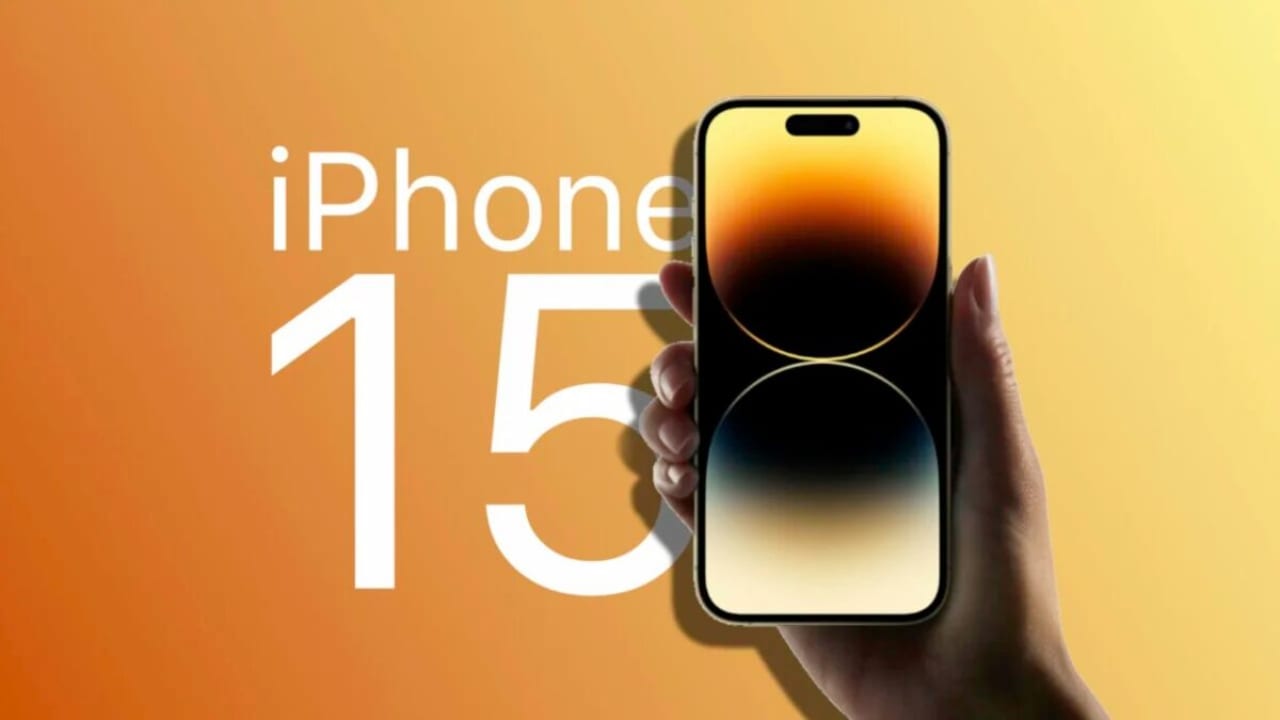
The removal of the SIM tray is widely viewed by analysts as a stepping stone toward a "portless" iPhone. If Apple eventually removes the charging port in favor of MagSafe and wireless data transfer, the SIM tray would have been the last remaining mechanical breach in the phone’s frame. Eliminating it now prepares the consumer base and the carrier infrastructure for a future where the iPhone is a solid, seamless slab of glass and metal.
Security Implications and SIM Swapping Prevention
One of the most significant benefits of eSIM technology is the enhanced security it provides against physical theft and digital fraud. Physical SIM cards are susceptible to "SIM swapping" attacks, where a criminal physically removes a SIM card from a stolen phone or uses social engineering to convince a carrier to port a number to a new physical card.
With an eSIM, the digital profile is tied to the device’s hardware and protected by the system’s passcode and FaceID/TouchID. If an iPhone 15 is stolen, the thief cannot simply "pop out" the SIM card to prevent the owner from tracking the device via the Find My network. Furthermore, because the eSIM cannot be removed, it remains active, allowing the device to maintain a cellular connection that aids in recovery efforts.
Carrier Landscape and Global Infrastructure Challenges
While the benefits for Apple and the user are clear in a vacuum, the global reality of carrier infrastructure presents a fragmented picture. In the United States, the "Big Three" carriers (Verizon, AT&T, and T-Mobile) have fully embraced eSIM, offering seamless QR code or app-based activation. However, the situation varies significantly across other regions.
European and Asian Markets
In Europe, major providers in the UK, France, and Germany have modernized their systems to support eSIM. However, smaller Mobile Virtual Network Operators (MVNOs) and prepaid providers often lag behind. If Apple releases an eSIM-only iPhone 15 in these regions, it may force these smaller players to accelerate their technical upgrades or risk losing customers who upgrade to the latest hardware.
The Travel Dilemma
Frequent international travelers have historically relied on purchasing "local SIMs" at airport kiosks to avoid exorbitant roaming fees. A physical SIM card is easy to buy and insert. While "Travel eSIM" apps like Airalo, Holafly, and Gigago have emerged to fill this gap, they often require a stable Wi-Fi connection to set up and may be more expensive than a local prepaid physical card. For users traveling to developing nations where eSIM support is non-existent, an eSIM-only iPhone 15 could become a significant liability.
Market Analysis and Resale Considerations
The transition to eSIM-only hardware also impacts the secondary market. Traditionally, an "unlocked" iPhone with a physical SIM slot has high resale value because it can be used with any carrier worldwide simply by swapping the card.
With an eSIM-only device, the process of "transferring" ownership becomes more software-dependent. Apple has mitigated this with the "eSIM Quick Transfer" feature in iOS, which allows users to move their cellular plan from an old iPhone to a new one via Bluetooth. However, for a third-party buyer, ensuring that a device is truly "wiped" of its previous cellular profiles adds a layer of complexity to the transaction. Analysts suggest that until eSIM becomes the global standard, physical-SIM models may actually command a premium on the used market in regions with spotty eSIM adoption.
Industry Reactions and Regulatory Hurdles
The move toward eSIM has met with mixed reactions from regulatory bodies and consumer advocacy groups. In some jurisdictions, such as China, regulations regarding user identification and "Real-name Registration" have historically made eSIM adoption for smartphones slower than in the West. Currently, iPhones sold in Mainland China feature two physical SIM slots rather than eSIM support. It is highly likely that Apple will continue to produce a physical-SIM variant of the iPhone 15 specifically for the Chinese market, creating a fragmented global supply chain.
Consumer advocates have also expressed concerns regarding "carrier lock-in." When a user has a physical SIM, they have the physical freedom to move their service. With eSIM, the carrier controls the digital "key." While Apple’s software allows for easy switching, there is a lingering fear that carriers could use the digital nature of eSIM to make it more difficult for consumers to port their numbers to competitors.
Conclusion: A Polarizing but Inevitable Transition
The rumored eSIM-only design for the iPhone 15 Pro and Pro Max represents a bold gamble by Apple to force the telecommunications industry into the digital age. By prioritizing internal space, security, and structural integrity, Apple is refining the smartphone into its most efficient form yet.
However, the transition will not be without growing pains. The "digital divide" between major carriers and regional providers, the complications for international travelers, and the regulatory requirements of different nations ensure that the death of the physical SIM card will be a slow, multi-year process.
As the iPhone 15 debuts, the world will be watching to see if Apple’s "eSIM-only" experiment in the US can be successfully replicated on a global scale. If successful, it will mark the end of an era for the plastic SIM card and the beginning of a new paradigm in mobile connectivity—one defined by software, security, and seamless digital integration. For the consumer, the choice will eventually become clear: adapt to the digital-only future or be left behind by the march of technological progress.
